.webp&w=384&q=75)

Loading, please wait...
Loading, please wait...

CK Birla Hospitals CMRI recently launched a smart cochlear implant system in Kolkata. Consequently, this development marks a significant step forward for specialized ENT care in Eastern India. Furthermore, Dr. N V K Mohan successfully performed the pioneering procedure using advanced SmartNav technology. Recently, this technology has revolutionized the field by providing real-time surgical metrics. Moreover, this investment underscores the hospital’s commitment to cutting-edge medical interventions for complex hearing restoration.
The new system offers immediate feedback on electrode insertion depth and positioning during surgery. Additionally, surgeons can monitor nerve response through Auto-NRT measurements in real time. Therefore, the medical team ensures maximum stimulation of auditory nerves for every patient. However, traditional methods often required post-surgical X-rays for such verification. By eliminating these intraoperative X-rays, the hospital reduces radiation exposure significantly. Specifically, this efficiency can decrease total anesthesia time by approximately 15 to 20 minutes. Consequently, patients experience safer procedures and improved long-term clinical outcomes.
Precision-driven procedures remain the core focus of the ENT team at CMRI. By using SmartNav, surgeons achieve highly accurate implant placement within the delicate cochlear structures. Furthermore, this tool prevents complications like electrode kinking or improper insertion. Recently, Dr. Mohan achieved a milestone by completing a 480-degree electrode placement with this technology. As a result, the hospital is strengthening its position as a leader in innovative hearing care. This advancement provides hope for patients seeking advanced solutions for severe hearing loss in the region.
Q1: How does the smart cochlear implant system improve surgical safety?
The system provides real-time monitoring of electrode insertion, which prevents trauma to delicate ear structures and reduces the need for intraoperative X-rays.
Q2: What is the role of SmartNav in hearing restoration?
SmartNav technology offers surgeons wireless, real-time feedback on surgical metrics like insertion depth and neural response, ensuring the most accurate implant positioning possible.
Disclaimer: This content is for informational and educational purposes only. It does not constitute medical advice or replace professional judgment. Refer to the latest local and national guidelines for clinical practice.
References

Read summarized clinical updates, watch expert medical content, and earn CME certifications right from your smartphone.
Open your smartphone camera to scan and install.





CMRI Kolkata introduces a next-generation smart cochlear implant system with SmartNav technology for precision hearing restoration and better patient outcom...
7 months ago

A recent study demonstrates that spinal oxygen sensors do not require mitochondrial electron transport to trigger sympathetic excitation during acute hypoxia, revealing new insights into how mitochondrial oxidative stress modulates autonomic tone in cardiovascular and neurological diseases.
Today
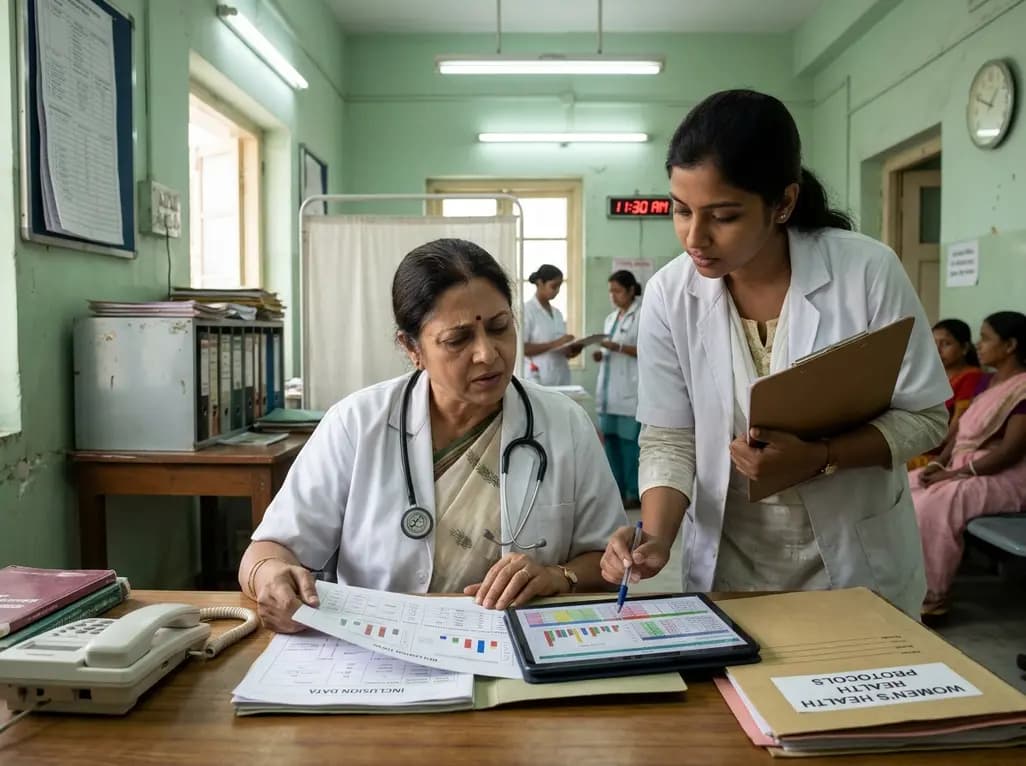
Demanding exhaustive hormonal profiling can inadvertently discourage clinical studies involving females. Methodological standards must align with the specific scientific question to expand, not restrict, equitable evidence for women.
Today

The Directorate General of Health Services directs Indian states to halt the hazardous reuse and reprocessing of single-use medical devices. Discover regulatory implications under the Drugs and Cosmetics Act, critical infection risks, legal liabilities, and operational changes required across clinical specialties.
Today
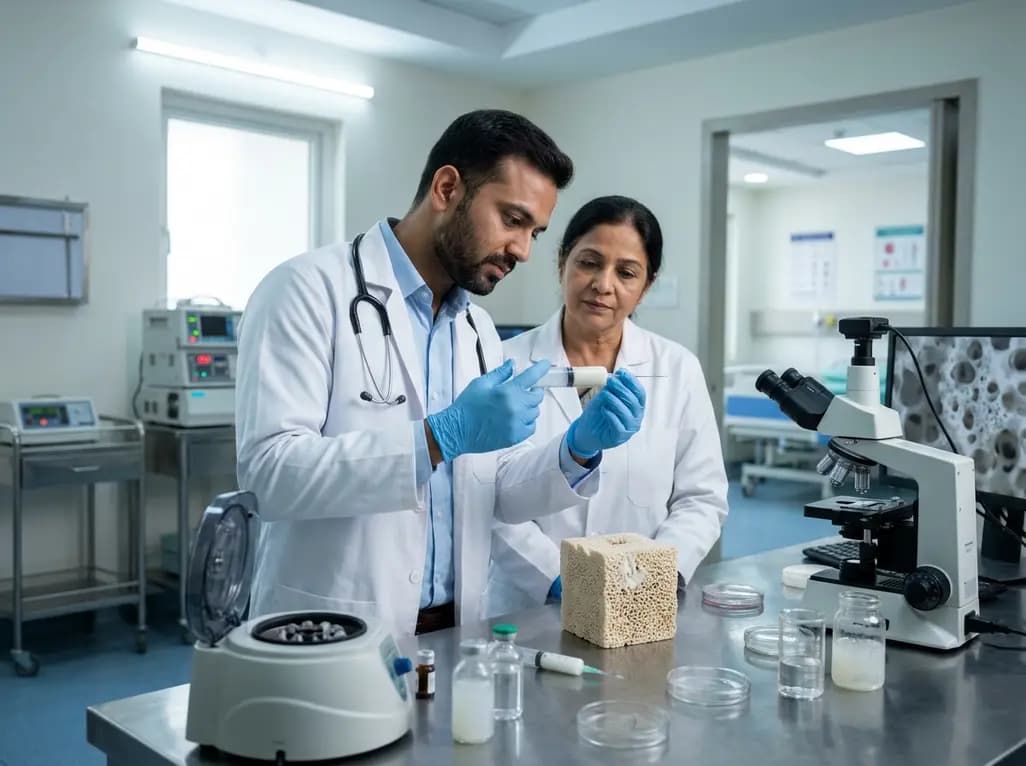
A novel calcium polyphosphate coacervate enables injectable bone implants with in situ hierarchical porosity via phase separation and gas foaming, significantly enhancing cell proliferation, energy metabolism, and osteogenic differentiation for minimally invasive bone defect repair.
Today

Following regulatory scrutiny from FSSAI regarding promotional representations and lean muscle preservation claims, Dr. Reddy's Laboratories and Nestlé Health Science are currently reviewing the branding and marketing strategy for their joint nutritional supplement Celevida GLP+.
Today
