.webp&w=384&q=75)

Loading, please wait...
Loading, please wait...

Identifying adolescent depression risk factors is essential for clinicians managing youth mental health in India. While the parent-child bond is frequently scrutinized, other family dynamics often go ignored. New research highlights that sibling relationships play a dual role. They act as both a mediator and a moderator in the development of depressive symptoms. Consequently, a comprehensive family history must include sibling interactions to accurately assess a patient's risk profile.
A massive study involving 3,054 adolescents examined how family bonds co-impact mental health. The findings suggest that parental attachment security is inversely related to depression. However, the sibling relationship significantly alters this trajectory. Specifically, sibling warmth serves as a critical protective buffer. This positive dynamic helps mitigate the negative effects of insecure maternal attachment. Furthermore, sibling conflict or lack of support can exacerbate adolescent depression risk factors, emphasizing the need for sibling-inclusive therapy.
Interestingly, the moderating effect was most pronounced with maternal attachment. Sibling warmth did not show the same buffering capacity for paternal attachment issues. This distinction provides a nuanced look at family-based interventions. Doctors should evaluate the quality of sibling bonds during routine psychiatric screenings. Moreover, fostering sibling warmth may be a viable strategy for improving therapeutic outcomes in high-risk households.
Family-centered care is the cornerstone of pediatric and psychiatric practice in India. Addressing adolescent depression risk factors requires more than just focusing on the primary caregiver. Instead, clinicians should encourage positive sibling engagement. This approach may provide a resilient safety net for adolescents experiencing domestic strain. In conclusion, sibling warmth is not just a secondary benefit; it is a clinical priority in adolescent mental health.
Sibling relationships act as a mediator between parental attachment and depression. High conflict increases risk, while warmth and support act as protective buffers.
The research identifies "warmth" as the key dimension. It specifically buffers the impact of insecure maternal attachment on an adolescent's mental health.
Yes. Experts suggest that sibling-focused strategies can enhance the effectiveness of mental health treatments for depressed adolescents.
Disclaimer: This content is for informational and educational purposes only. It does not constitute medical advice or establish a doctor-patient relationship. Always seek the advice of a qualified healthcare provider regarding any medical condition. Refer to the latest local and national guidelines for clinical practice.
References
Kuang B et al. Sibling relationships as a mediator and a moderator between parental attachment and depression among adolescents. BMC Psychol. 2026 May 07. doi: 10.1186/s40359-026-04502-9. PMID: 42098889.
Grover S, et al. Prevalence & factors associated with depression among schoolgoing adolescents in Chandigarh, north India. Indian J Med Res. 2021;154(1):86-94.
Singh B, et al. Depression in Adolescents in Relation to Parenting, Sibling Status and Type of Schools. Int J Indian Psychol. 2022;10(3):148-156.
"
Read summarized clinical updates, watch expert medical content, and earn CME certifications right from your smartphone.
Open your smartphone camera to scan and install.





A large-scale study reveals that sibling warmth buffers the link between negative parental attachment and adolescent depression, serving as a protective fac...
5 months ago
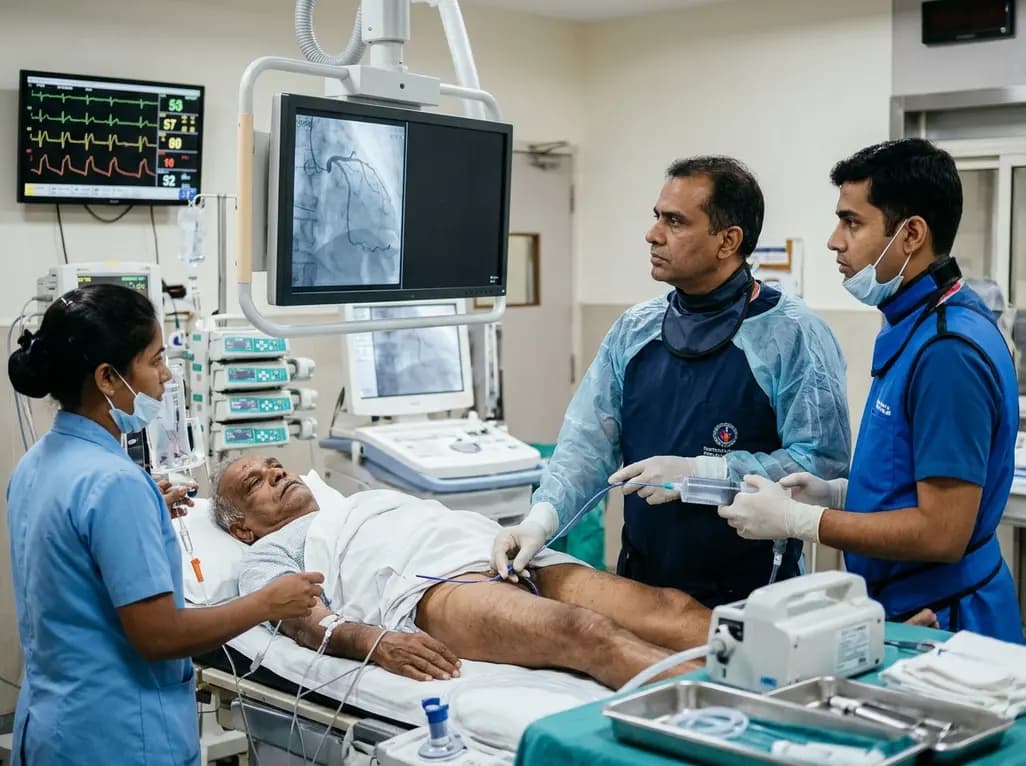
An elderly man with partially repaired Tetralogy of Fallot presented with STEMI caused by coronary embolism rather than atherosclerosis. Successful treatment with sustained mechanical aspiration thrombectomy underscores the vital need for high clinical vigilance in adult congenital heart disease.
Today
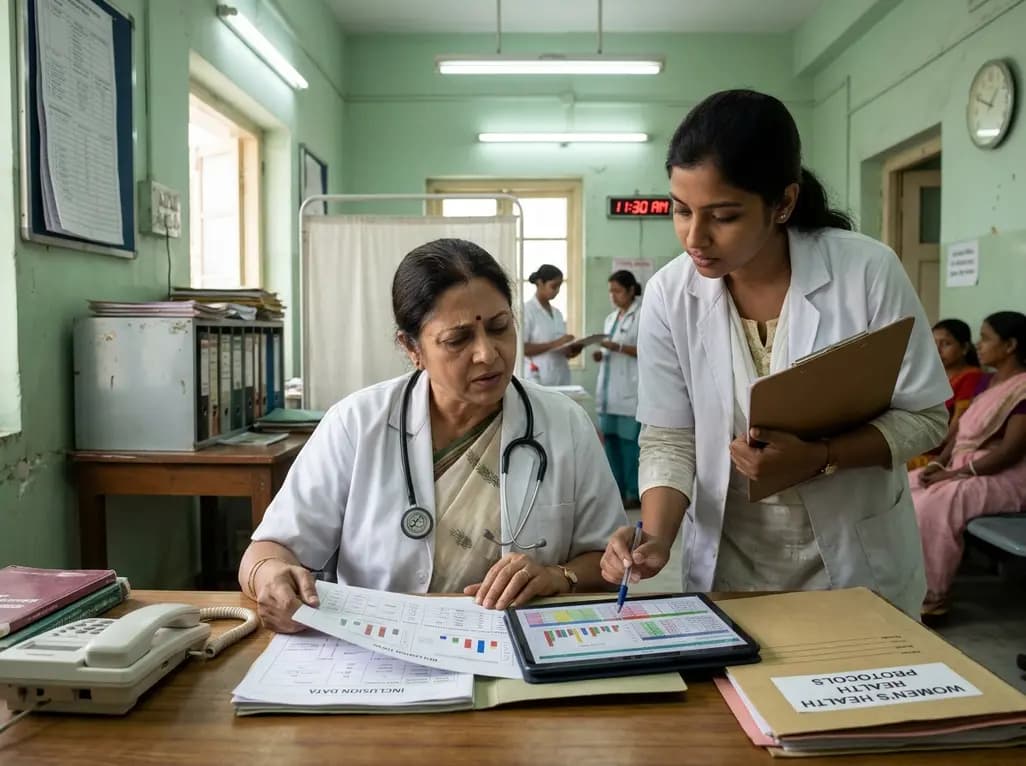
Demanding exhaustive hormonal profiling can inadvertently discourage clinical studies involving females. Methodological standards must align with the specific scientific question to expand, not restrict, equitable evidence for women.
Today

A recent study demonstrates that spinal oxygen sensors do not require mitochondrial electron transport to trigger sympathetic excitation during acute hypoxia, revealing new insights into how mitochondrial oxidative stress modulates autonomic tone in cardiovascular and neurological diseases.
Today
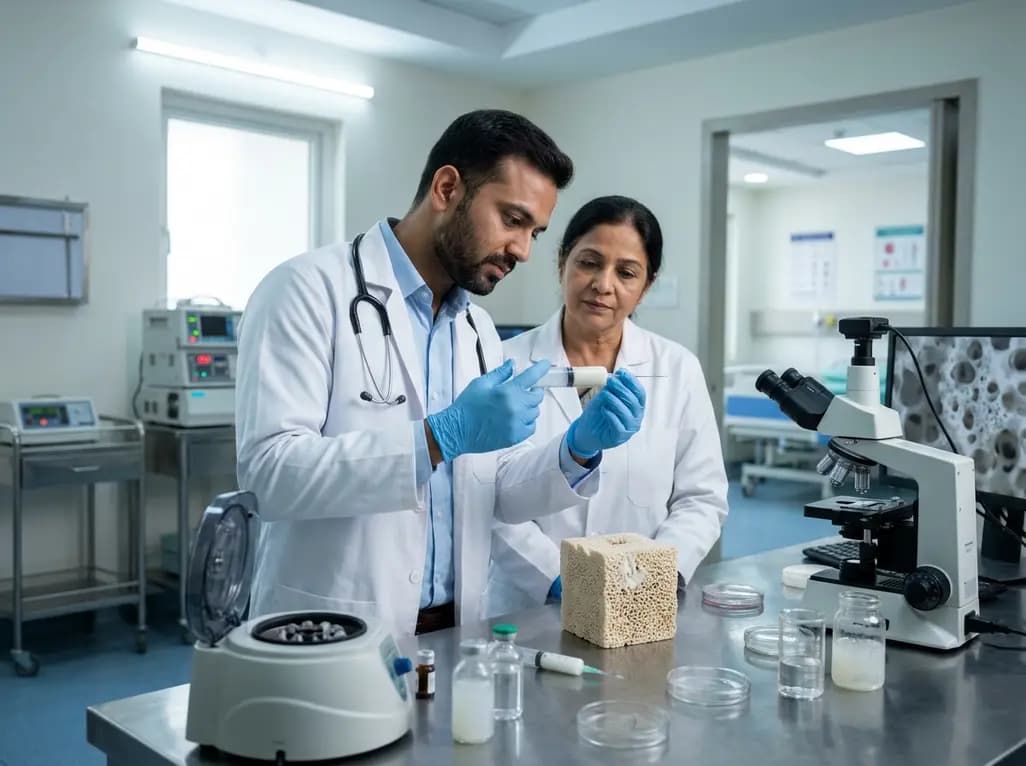
A novel calcium polyphosphate coacervate enables injectable bone implants with in situ hierarchical porosity via phase separation and gas foaming, significantly enhancing cell proliferation, energy metabolism, and osteogenic differentiation for minimally invasive bone defect repair.
Today

Following regulatory scrutiny from FSSAI regarding promotional representations and lean muscle preservation claims, Dr. Reddy's Laboratories and Nestlé Health Science are currently reviewing the branding and marketing strategy for their joint nutritional supplement Celevida GLP+.
Today
