.webp&w=384&q=75)

Loading, please wait...
Loading, please wait...

A recent retrospective study published in the International Journal of Gynaecology & Obstetrics examines the changing sexual gender-based violence patterns among survivors in North-East Nigeria. Over a five-year period (2021-2025), researchers analyzed 675 cases, revealing a disturbing progressive increase in reported incidents. Specifically, cases rose from 79 in 2021 to 171 in 2025. This trend underscores the urgent need for enhanced clinical screening and survivor-centered support systems in conflict-affected regions.
The review identifies adolescents as the most vulnerable group. Children aged 10-14 years accounted for 29% of all cases. Furthermore, sexual violence was the most frequent form of abuse, affecting 82.3% of the survivors. Demographic data also showed that 81.6% of survivors were female and 89% resided in rural areas. Notably, delayed reporting beyond 72 hours remained a persistent challenge, complicating the administration of post-exposure prophylaxis and forensic evidence collection.
Healthcare professionals must prioritize routine screening to address sexual gender-based violence patterns effectively. Early identification is crucial because delayed reporting increases the risk of untreated sexually transmitted infections and psychological trauma. Consequently, medical educators advocate for strengthened provider training and equitable service access. This is particularly vital for rural populations who often face significant barriers to timely care.
While this study focuses on Nigeria, the findings resonate with global data. In India, National Crime Records Bureau (NCRB) statistics show a significant increase in reported crimes against women over the last decade. Furthermore, the Indian government has established over 780 \"One Stop Centres\" to provide integrated medical and legal aid. These initiatives mirror the study's call for multidisciplinary, survivor-centered interventions to mitigate the long-term impact of violence.
The study highlights a progressive increase in reported cases over five years, with sexual violence being the most common form. Adolescents and rural residents are identified as high-risk groups.
Reporting within 72 hours is vital for the effective administration of emergency contraception and HIV post-exposure prophylaxis (PEP). It also ensures the preservation of critical forensic evidence.
Disclaimer: This content is for informational and educational purposes only and does not constitute medical advice. It is not intended to be a substitute for professional medical judgment, diagnosis, or treatment. Always seek the advice of your physician or other qualified health provider with any questions you may have regarding a medical condition. Refer to the latest local and national guidelines for clinical practice.
References
Aliyu BM et al. Changing patterns of domestic and sexual gender-based violence among survivors attending a referral center in north-east Nigeria: A 5-year retrospective review. Int J Gynaecol Obstet. 2026 May 09. doi: 10.1002/ijgo.71071. PMID: 42104841.
National Crime Records Bureau (NCRB). Crime in India 2022 Statistics. Ministry of Home Affairs, Government of India.
World Health Organization. Violence against women prevalence estimates, 2018. Global, regional and national prevalence estimates for intimate partner violence against women and global and regional prevalence estimates for non-partner sexual violence against women.
"
Read summarized clinical updates, watch expert medical content, and earn CME certifications right from your smartphone.
Open your smartphone camera to scan and install.





A 5-year study in Nigeria reveals rising sexual gender-based violence, especially among adolescents. Explore patterns, clinical needs, and global contexts....
5 months ago
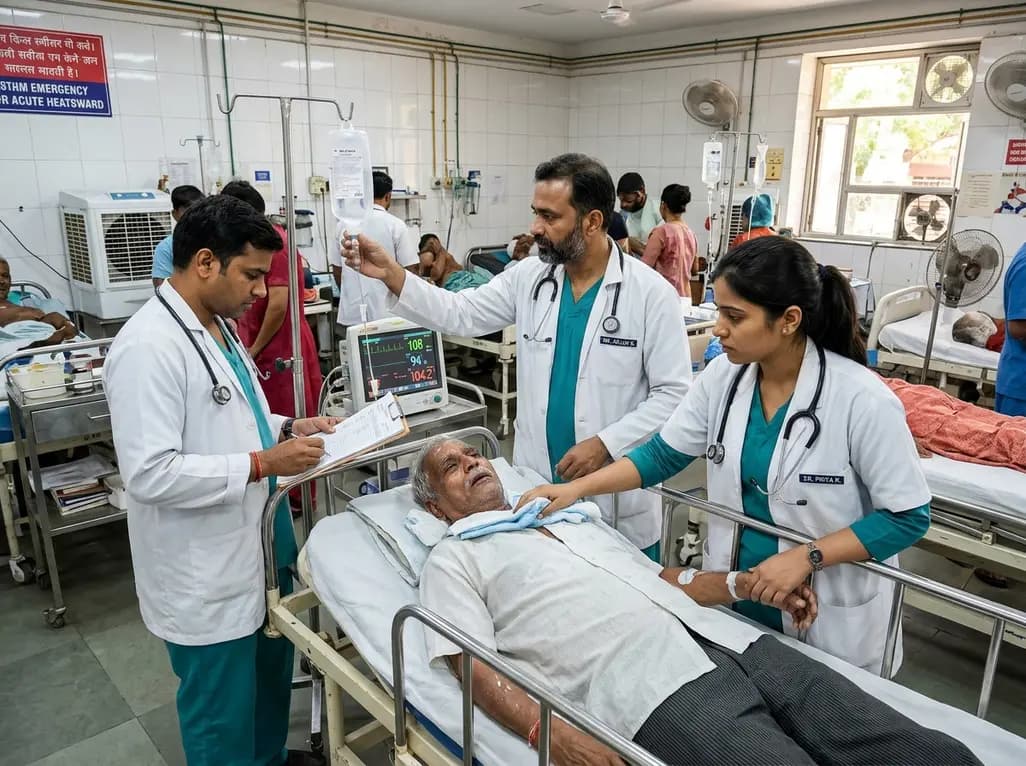
Recent epidemiological data reveals a dramatic surge in summer heat mortality driven by human-induced climate warming. This analysis explores the pathophysiological impacts on cardiac and renal systems, diagnostic dilemmas in death certification, and essential emergency cooling protocols for acute clinical care.
Today

Odisha has established India's first state-level clinical protocol specifically tailored for pregnant women with sickle cell disease. Developed with NHM and UNICEF, the framework provides structured antenatal screening, crisis mitigation, standardized referral pathways, and specialized interdisciplinary care.
Today

India is advancing preventive healthcare by integrating genomics, artificial intelligence, and quantum technologies. With the SANGAM programme sequencing one million Indian genomes, clinicians can unlock personalized therapies, detect cardiometabolic risks early, and curb the burden of diabetes and heart disease.
Today
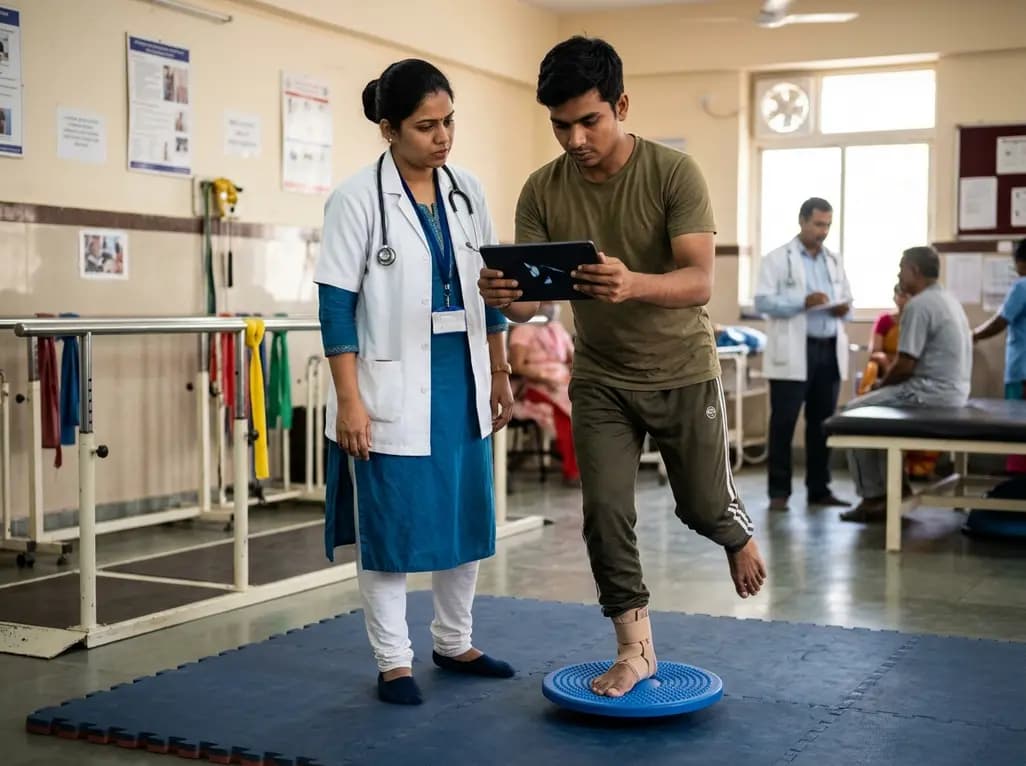
A randomized controlled trial demonstrates that an eight-week dual-task training intervention significantly improves static and dynamic postural control over standard balance exercises in individuals with chronic ankle instability, addressing critical neurocognitive deficits during athletic and daily activities.
Today

A retrospective cohort study of 7,716 ICU patients from the MIMIC-IV database demonstrates that Gradient Boosting Decision Trees significantly outperform traditional SOFA scores in predicting in-hospital mortality among patients with sepsis and diabetes, with SHAP analysis providing clinical interpretability.
Today
