.webp&w=384&q=75)

Loading, please wait...
Loading, please wait...

Trauma remains a leading cause of global morbidity and mortality, demanding rapid physiological evaluation and decisive intervention. Clinicians have long recognized profound sex differences in trauma outcomes, yet the precise early molecular mechanisms have remained elusive. A landmark prospective investigation evaluated plasma proteomics and metabolomics among severely injured patients arriving at the emergency department. The findings confirm that biological sex establishes distinct molecular signatures within the first hour of injury. Crucially, these unique proteomic networks persist even after accounting for shock severity, tissue hypoperfusion, and anatomical injury extent. Understanding these sex-specific phenotypes provides acute care clinicians with essential insight into tailored resuscitation and post-injury management.
Trauma resuscitation protocols traditionally employ standardized resuscitation targets regardless of biological sex. However, physiological responses to traumatic shock diverge significantly between male and female patients. In this prospective study, investigators enrolled 292 severely injured patients who met the highest level of trauma activation. Researchers drew baseline blood samples within one hour of injury before initiating blood transfusions. They analyzed plasma samples using advanced liquid chromatography-mass spectrometry to evaluate both proteomic and metabolomic features simultaneously.
Consequently, initial unadjusted analyses revealed forty-five distinct proteins and nine circulating metabolites that varied significantly between sexes. Female patients demonstrated enrichment in pregnancy zone protein (PZP), ceruloplasmin (CERU), and sex hormone-binding globulin (SHBG). Furthermore, vitronectin (VTNC), inter-alpha-trypsin inhibitor heavy chain 3 (ITIH3), and immunoglobulin heavy constant mu (IGHM) showed marked elevations. In contrast, male patients exhibited higher baseline concentrations of ficolin-3 (FCN3), aminopeptidase N (AMPN), and apolipoprotein D (APOD). These findings confirm that systemic molecular divergence appears immediately after physical injury.
A critical question in critical care is whether sex-specific biomarker variations simply reflect differences in injury severity or hemodynamic collapse. To resolve this dilemma, investigators implemented multivariable linear regression models. They rigorously adjusted for chronological age, Injury Severity Score (ISS), base deficit, admission serum lactate, injury mechanism, and traumatic head or neck injury.
Remarkably, the independent association between biological sex and specific circulating proteins remained statistically robust after multivariable adjustment. Specifically, sex independently predicted levels of FCN3, SHBG, protein tyrosine phosphatase receptor type G (PTPRG), CERU, alpha-L-fucosidase (FUCO), PZP, and APOD. Therefore, these circulating proteomic markers do not merely mirror the depth of hemorrhagic shock or anatomical damage. Instead, they reflect deeply programmed biological differences in baseline innate immunity, copper transport, antioxidant defense, and endothelial barrier integrity. Conversely, sex-associated metabolite differences showed greater dependence on the severity of tissue hypoperfusion and shock physiology rather than sex alone.
The study highlights how distinct immune programs govern early trauma physiology in men and women. For instance, male trauma patients showed elevated levels of ficolin-3 and mannan-binding lectin-associated serine protease 1 (MASP1). These proteins serve as central pattern-recognition components of the lectin complement activation pathway. Enhanced baseline complement activation in males can trigger accelerated neutrophil priming, microvascular thrombosis, and end-organ endothelial damage.
Meanwhile, female patients presented with elevated circulating immunoglobulins and broad-spectrum protease inhibitors such as pregnancy zone protein and alpha-L-fucosidase. These protective macromolecules limit excessive enzymatic tissue breakdown during the acute inflammatory cascade. Additionally, vitronectin enrichment suggests enhanced regulation of cell adhesion and terminal complement complex assembly. Thus, biological females mount an innate immune response that balances pathogen defense with endogenous tissue preservation. Recognizing these distinct pathways helps explain observed disparities in post-trauma multiple organ failure and secondary sepsis rates.
Oxidative stress represents another critical domain shaped by biological sex during acute trauma. In this cohort, male patients exhibited elevated baseline levels of glutathione peroxidase 3 (GPX3) and apolipoprotein D, reflecting distinct systemic oxidative handling and lipid peroxidation responses. Concurrently, female patients demonstrated higher levels of ceruloplasmin, a key copper-carrying ferroxidase essential for converting toxic ferrous iron into ferric iron.
Because free iron catalyzes damaging Fenton reactions during reperfusion injury, elevated ceruloplasmin activity protects vulnerable microvascular beds against lipid peroxidation. Moreover, sex hormone-binding globulin modulates the bioavailability of circulating sex steroids, which directly influences vascular tone, endothelial barrier permeability, and cellular metabolism. As a result, female vascular endothelium may experience greater protection against sudden ischemia-reperfusion injury during initial fluid resuscitation. These cellular mechanisms illustrate how biological sex governs acute microcirculatory stability.
Current advanced trauma life support guidelines emphasize universal physiological targets, including mean arterial pressure, base deficit clearance, and balanced blood component ratios. However, the discovery of enduring sex-associated proteomic signatures challenges the one-size-fits-all paradigm. Clinicians must recognize that male and female patients handle systemic tissue injury through divergent biological endotypes.
Furthermore, identifying early biomarker divergence allows intensive care teams to anticipate post-injury complications more accurately. Male patients with heightened lectin complement activation may face greater risks of acute respiratory distress syndrome and microvascular thrombosis. Conversely, postmenopausal females or those with altered steroid transport might exhibit distinct inflammatory trajectories requiring tailored immunomodulatory support. Incorporating sex-informed multi-omics into clinical risk stratification models brings emergency medicine closer to true precision resuscitation. In the future, rapid point-of-care proteomic assays could guide targeted pharmacological interventions during the golden hour.
Translating multi-omics discovery into real-world emergency practice requires structured clinical pathways. Emergency physicians and trauma surgeons should utilize admission biomarkers alongside standard shock parameters like arterial base deficit and serum lactate. Recognizing that metabolic derangements align closely with tissue hypoperfusion while proteomic signatures track biological sex allows for comprehensive risk profiling.
Additionally, future clinical trials evaluating novel anti-inflammatory, antioxidant, or procoagulant therapeutics must stratify participants by biological sex. Interventions targeting complement inhibition or microvascular barrier restoration may yield disparate efficacy across sexes due to baseline proteomic variation. By combining classical clinical parameters with sex-informed biological endotyping, critical care teams can refine treatment algorithms, improve organ preservation, and reduce long-term trauma mortality.
Biological sex fundamentally alters circulating protein profiles within the first hour of trauma. Female patients demonstrate higher levels of tissue-protective protease inhibitors, ceruloplasmin, and transport globulins. In contrast, male patients exhibit enhanced lectin complement activation proteins, such as ficolin-3, and distinct redox enzymes, establishing divergent inflammatory and vascular responses.
No, multivariable regression models confirm that key proteomic signatures persist independently of injury severity and shock. While circulating metabolite changes reflect the depth of hypoperfusion and lactic acidosis, specific proteins such as PZP, CERU, SHBG, and FCN3 remain significantly differentiated by biological sex alone.
Clinicians can use sex-specific molecular endotyping to anticipate organ failure risks, acute lung injury, and coagulopathy trajectories. In the future, combining bedside point-of-care proteomic profiling with standard hemodynamic parameters will enable personalized fluid strategies, immunomodulation, and targeted organ preservation protocols during early trauma care.
Disclaimer: This content is for informational and educational purposes only and is not intended as medical advice. Always consult a qualified healthcare provider for diagnosis and treatment. The views expressed are those of the authors and do not necessarily reflect the official policy or position of any medical body or organization. Refer to the latest local and national guidelines for clinical practice.
References
1. Baig HS et al. Sex-Associated Proteomic Signatures Persist Independent of Injury Severity and Shock Physiology in Acute Trauma. Shock. 2026 Aug 21. doi: 10.1097/SHK.0000000000002927. PMID: 42625553.
2. Chaudry IH et al. Sex-Based Differences in Severe Trauma and Hemorrhagic Shock: A Systematic Review of Pre-Clinical and Veterinary Animal Studies. Shock. 2026 Aug;66(2):145-158. doi: 10.1097/SHK.0000000000002920.
3. Lusczek ER, Colling K, Muratore S, Beilman G. Plasma metabolomics pilot study suggests age and sex-based differences in the metabolic response to traumatic injury. Injury. 2018 Dec;49(12):2178-2185. doi: 10.1016/j.injury.2018.09.044.

Read summarized clinical updates, watch expert medical content, and earn CME certifications right from your smartphone.
Open your smartphone camera to scan and install.





A prospective multi-omics study reveals that biological sex independently shapes circulating proteomic profiles upon emergency department arrival in acute trauma, remaining significant even after adjusting for shock and injury severity.
last month
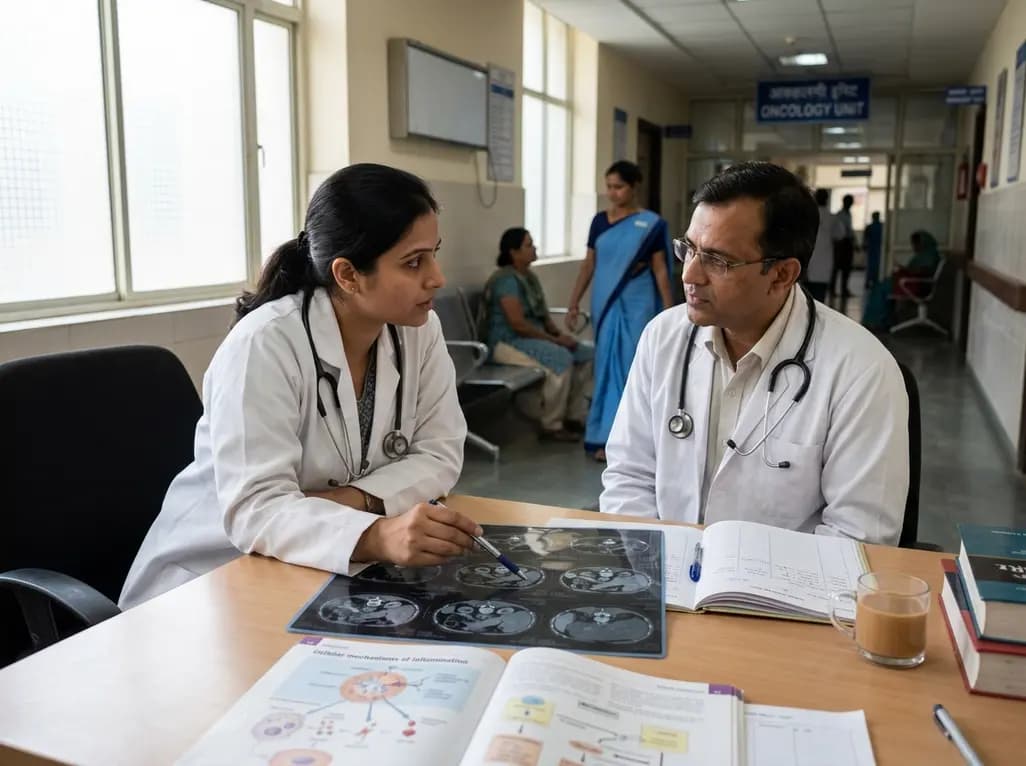
Pancreatic cancer cachexia affects over 80% of patients, driving severe muscle wasting, systemic inflammation, and treatment intolerance. This review highlights key pathophysiological drivers, exocrine insufficiency, objective CT imaging, and emerging therapies like GDF-15 inhibitors to improve clinical outcomes.
Today

A scoping review reveals how pregnancy affects phonation through laryngeal edema and reduced phonation time rather than major acoustic pitch alterations. Learn how to identify, evaluate, and manage vocal symptoms in expectant mothers.
Today

According to WHO data, average lifespan reached 73.3 years in 2023, recovering from pandemic lows. However, healthy life expectancy lags at 62.8 years due to surging noncommunicable conditions like cardiovascular disease and dementia, demanding proactive primary screening and sustained chronic care.
Today
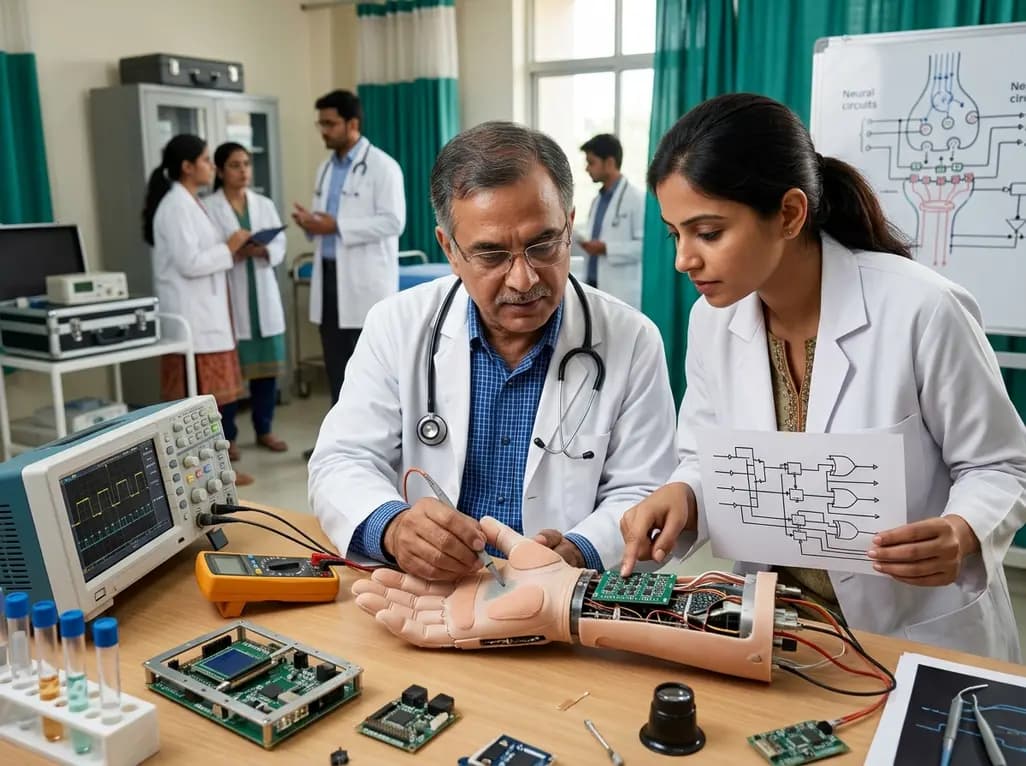
Researchers have engineered an artificial sensory-pain integrated receptor using a multi-threshold organic synaptic transistor. The system distinguishes benign touch from noxious stimuli, enabling safer, more responsive prosthetic limbs with built-in memory and simplified hardware architecture.
Today
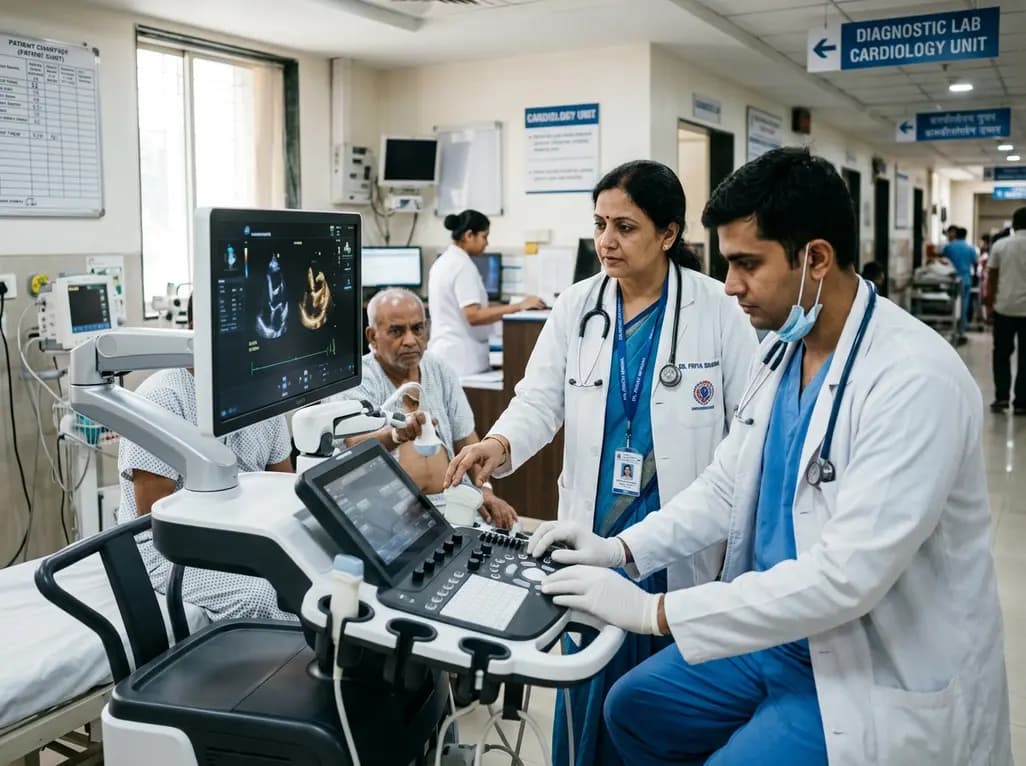
Medical robotics is transitioning beyond operative suites into diagnostics, cardiology, and endocrinology. Explore how innovations in tele-robotics, AI integration, and nanomedicine are overcoming geographical barriers and transforming precision healthcare delivery across India's evolving disease landscape.
Today
