

Loading, please wait...
Loading, please wait...
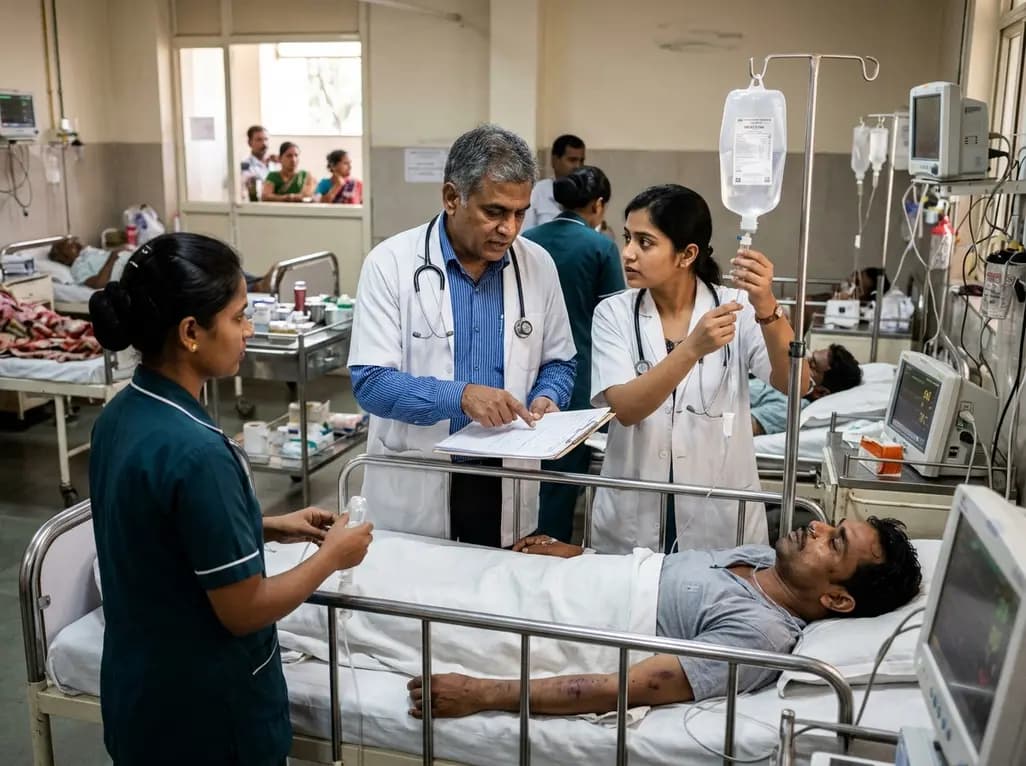
A sharp surge in seasonal dengue across South Asia has placed unprecedented stress on regional healthcare delivery systems. Rising case counts and repeated viral exposures highlight the urgent necessity for structured severe dengue management across regional emergency and critical care departments. Furthermore, when patients delay seeking medical attention until vascular leakage or hypovolemic collapse occurs, the risk of fatal complications escalates dramatically. Consequently, frontline clinicians must maintain diagnostic vigilance, recognize early warning signs during defervescence, and institute prompt physiological stabilization before profound circulatory decompensation takes hold.
Recent regional surveillance reports demonstrate expanding transmission windows, with high caseloads extending well into late autumn. Specifically, entomologists link these prolonged transmission periods to changing rainfall patterns, lingering humidity, and elevated urban temperatures. These environmental factors sustain vector activity far beyond historical seasonal cycles. In many hyperendemic regions, all four dengue virus serotypes now circulate simultaneously. Consequently, a substantial segment of the population contracts secondary or heterologous infections.
Primary infection confers lifelong homotypic immunity against the infecting serotype. However, it provides only brief, transient cross-protection against heterologous strains. When an individual encounters a second serotype years later, pre-existing sub-neutralizing antibodies bind to the new virions. Instead of clearing the virus, this phenomenon promotes viral entry into target monocytic cells through Fc receptors. Clinicians recognize this mechanism as antibody-dependent enhancement, which dramatically increases intracellular viral replication and peak viremia. Therefore, patients experiencing secondary infections face a significantly higher hazard of endothelial permeability, hemorrhagic complications, and refractory vascular collapse. In addition, healthcare providers must obtain a detailed history of prior febrile episodes to identify individuals requiring vigilant inpatient monitoring.
Effective severe dengue management requires an in-depth understanding of the immunopathological cascade that triggers endothelial barrier breakdown. During secondary infection, heightened viral replication provokes massive activation of cross-reactive memory T lymphocytes and immune effector cells. Consequently, this immune hyperactivation unleashes a massive surge of inflammatory mediators, commonly termed a cytokine storm. Key chemical messengers, including tumor necrosis factor-alpha, interleukin-6, interleukin-8, and vascular endothelial growth factor, damage the endothelial glycocalyx layer.
In addition, the non-structural protein-1 of the virus directly alters junctional adhesion molecules in the microvasculature. Together, these molecular perturbations induce systemic microvascular hyperpermeability without structural endothelial necrosis. As plasma fluids and albumin leak from the intravascular space into extravascular compartments, patients develop progressive intravascular hypovolemia. Typically, this leakage manifests as pleural effusions, ascites, and sudden hemoconcentration. Furthermore, complement activation and immune-complex deposition consume platelets and clotting factors, accelerating consumptive coagulopathy. If clinicians fail to match ongoing plasma losses with calculated crystalloid infusions, hypovolemia quickly transitions into decompensated shock. Therefore, timely physiological restoration remains the cornerstone of reducing avoidable inpatient mortality during this hyper-permeable window.
The clinical progression of dengue characteristically transitions across three distinct phases: febrile, critical, and recovery. The febrile phase lasts between three and seven days, presenting with high fever, headache, retro-orbital pain, and diffuse arthralgia. However, the most perilous interval occurs during the transition known as defervescence. As body temperature normalizes, typically around day three to six of illness, the critical leakage phase commences.
During this narrow 24 to 48-hour window, systemic capillary permeability reaches its peak. Importantly, clinicians must educate patients and families that the disappearance of fever does not indicate clinical recovery. Instead, medical teams must actively monitor for established clinical warning signs. These warning flags include persistent abdominal tenderness, persistent vomiting, mucosal bleeding, clinical fluid accumulation, lethargy, and hepatomegaly exceeding two centimeters. In addition, laboratory monitoring often reveals a rapid drop in platelets concurrent with a rising hematocrit. Similarly, tachycardia with a narrowing pulse pressure of 20 millimeters of mercury or less indicates impending circulatory failure. Consequently, by systematically tracking these parameters at regular intervals, healthcare teams can detect plasma leakage hours before unrecordable hypotension develops.
Fluid resuscitation in severe dengue requires meticulous titration rather than indiscriminate high-volume boluses. Because endothelial leakage is self-limiting and typically ceases after 48 hours, excessive fluid administration readily precipitates pulmonary edema and respiratory failure. Therefore, guidelines recommend using isotonic crystalloids, such as normal saline or Ringer's lactate, as the primary resuscitation fluid. Specifically, clinicians should initiate intravenous therapy only in patients displaying warning signs or clinical shock.
For compensated shock, an initial crystalloid bolus of 5 to 7 milliliters per kilogram per hour should run over one to two hours. Meanwhile, clinicians must repeatedly assess the hematocrit, blood pressure, urine output, and peripheral perfusion. If hemodynamic indices improve, practitioners should gradually taper fluid rates to 3 to 5 milliliters per kilogram per hour, and subsequently to maintenance levels. However, if the patient remains unstable with persistent hemoconcentration, clinicians may administer a second crystalloid bolus or consider colloids. Conversely, when shock persists despite adequate fluid replacement while hematocrit falls steeply, hidden internal hemorrhage must be suspected. As a result, immediate packed red blood cell transfusion is warranted in such hemorrhagic crises. Overall, maintaining strict fluid balance protects patients from both hypoperfusion and iatrogenic volume overload.
Inpatient dengue management frequently suffers from unnecessary medical interventions, particularly indiscriminate platelet transfusions. Severe thrombocytopenia causes intense anxiety among patients and clinicians alike. However, extensive clinical trials indicate that prophylactic platelet transfusions do not prevent major bleeding or accelerate platelet recovery. In addition, platelet transfusions carry substantial risks of fluid overload, transfusion-related acute lung injury, febrile non-hemolytic reactions, and nosocomial infections.
Therefore, national and international treatment guidelines recommend reserving platelet transfusions strictly for patients exhibiting significant systemic hemorrhage. In exceptional cases, prophylactic transfusions are reserved for counts dropping below 10,000 per microliter in the presence of additional bleeding risk factors. Furthermore, clinicians must exercise extreme caution regarding invasive vascular procedures, intramuscular injections, and nonsteroidal anti-inflammatory medications. Similarly, routine administration of corticosteroids or immunoglobulins remains unsupported by clinical trial evidence. Instead, treatment teams must focus their limited institutional resources on hourly hemodynamic monitoring, precise fluid charting, and strict urine output measurement. Consequently, optimizing ward workflows through standardized triage algorithms ensures that overloaded emergency services direct intensive monitoring to those in true physiological peril.
Q1: What defines the critical phase in dengue illness?
The critical phase typically begins around the time of defervescence, usually between days three and six of illness. During this 24 to 48-hour period, systemic capillary permeability increases, leading to plasma leakage into pleural and peritoneal cavities. Patients may develop hemoconcentration, hypovolemic shock, and severe bleeding. Vigilant clinical monitoring is paramount during this high-risk transition window.
Q2: Why do repeat dengue infections carry higher mortality?
Repeat infections with a different viral serotype carry higher mortality due to antibody-dependent enhancement. Pre-existing heterologous antibodies bind to the new virus without neutralizing it, facilitating viral entry into host immune cells. This process accelerates viral replication, triggering an exaggerated cytokine response. Consequently, extensive endothelial glycocalyx disruption ensues, causing rapid plasma extravasation, severe shock, and multi-organ failure.
Q3: When is platelet transfusion indicated during severe dengue?
Platelet transfusions are indicated primarily in patients with severe, life-threatening hemorrhagic manifestations regardless of the absolute platelet count. In asymptomatic patients, prophylactic transfusions are generally avoided unless platelet counts plummet below 10,000 per microliter with concurrent coagulopathy. Indiscriminate prophylactic transfusion provides no demonstrable clinical benefit and substantially increases the hazard of iatrogenic circulatory overload and adverse transfusion reactions.
Disclaimer: This content is for informational and educational purposes only. It does not constitute medical advice or replace professional judgment. Refer to the latest local and national guidelines for clinical practice.
References

Read summarized clinical updates, watch expert medical content, and earn CME certifications right from your smartphone.
Open your smartphone camera to scan and install.





With seasonal dengue outbreaks surging across South Asia, hospitals face unprecedented numbers of patients presenting in critical shock. Clinicians must recognize early warning signs, understand secondary infection risks, and apply precise fluid resuscitation protocols to prevent fatal decompensation.
Today
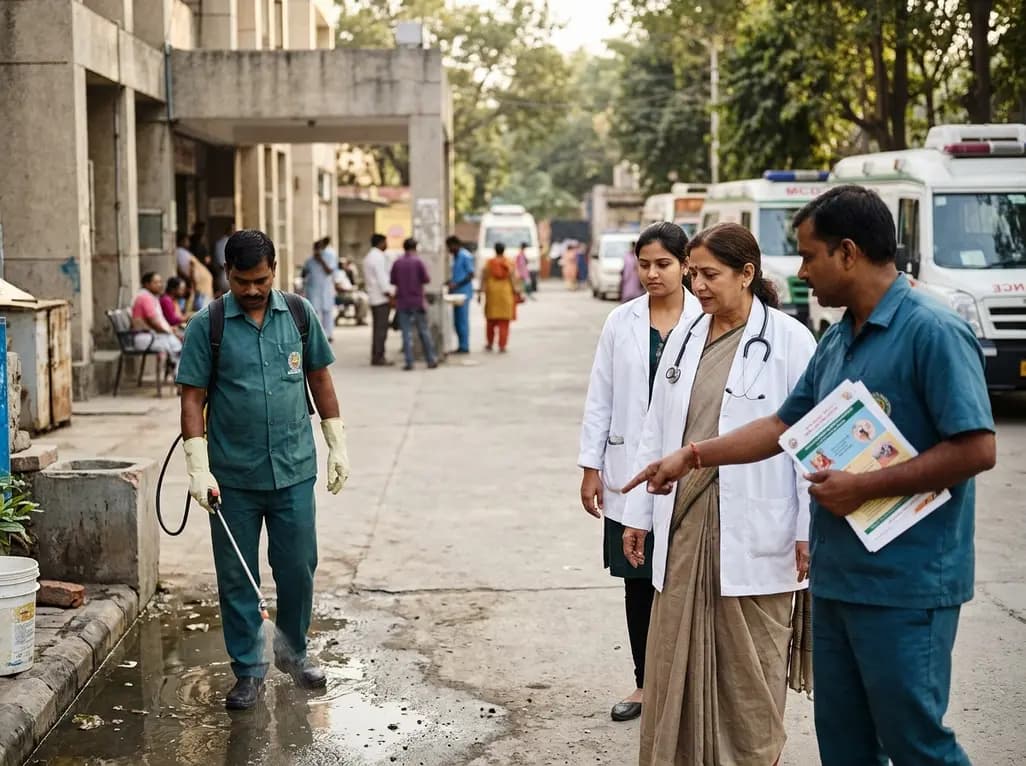
Delhi civic authorities have cleared 1,066 contractual public health posts and a Rs 923.6-crore road-sweeping initiative to tackle vector-borne illnesses and air pollution. Learn how enhanced entomological surveillance, anti-larval drives, and dust control bolster community preventive medicine and clinical outcomes.
Today
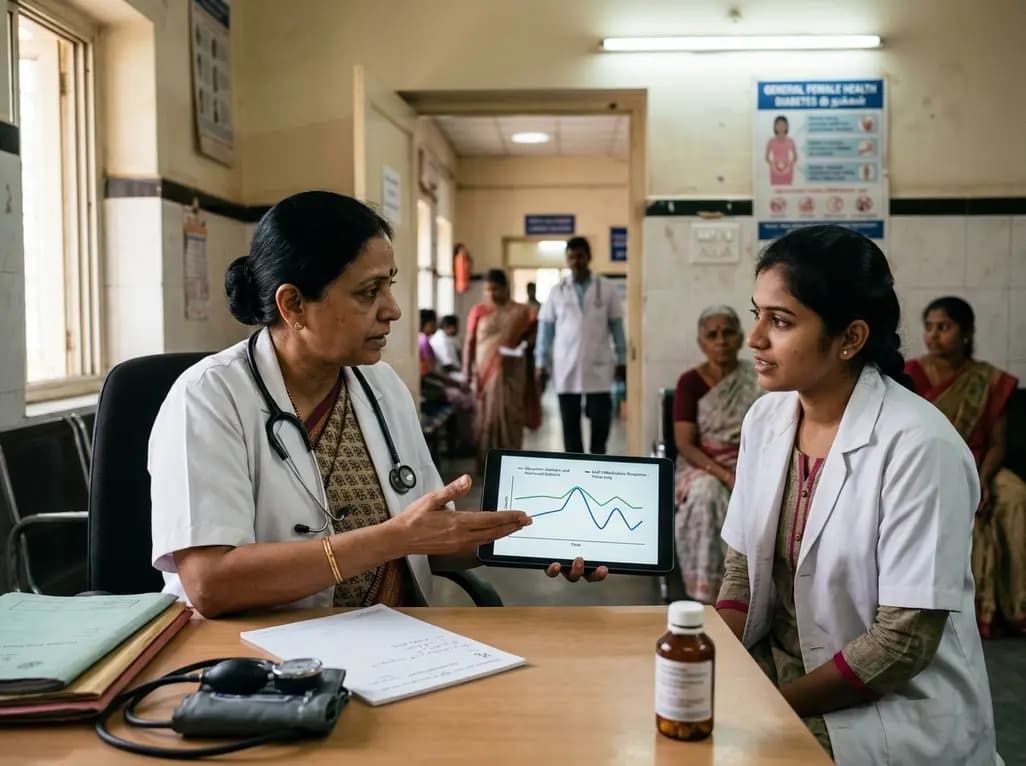
Medical experts caution that GLP-1 receptor agonists offer metabolic support rather than a curative answer for polyendocrine metabolic ovarian syndrome. Clinicians must evaluate glycemic markers, reproductive plans, and lifestyle interventions while discouraging unsupervised medication use among female patients.
Today

A retrospective CAHAL study comparing Amplatzer and Occlutech devices in 413 patients found no significant difference in moderate-to-large residual shunt rates at 6 months follow-up after percutaneous PFO closure, supporting clinical equivalence between both platforms.
Today
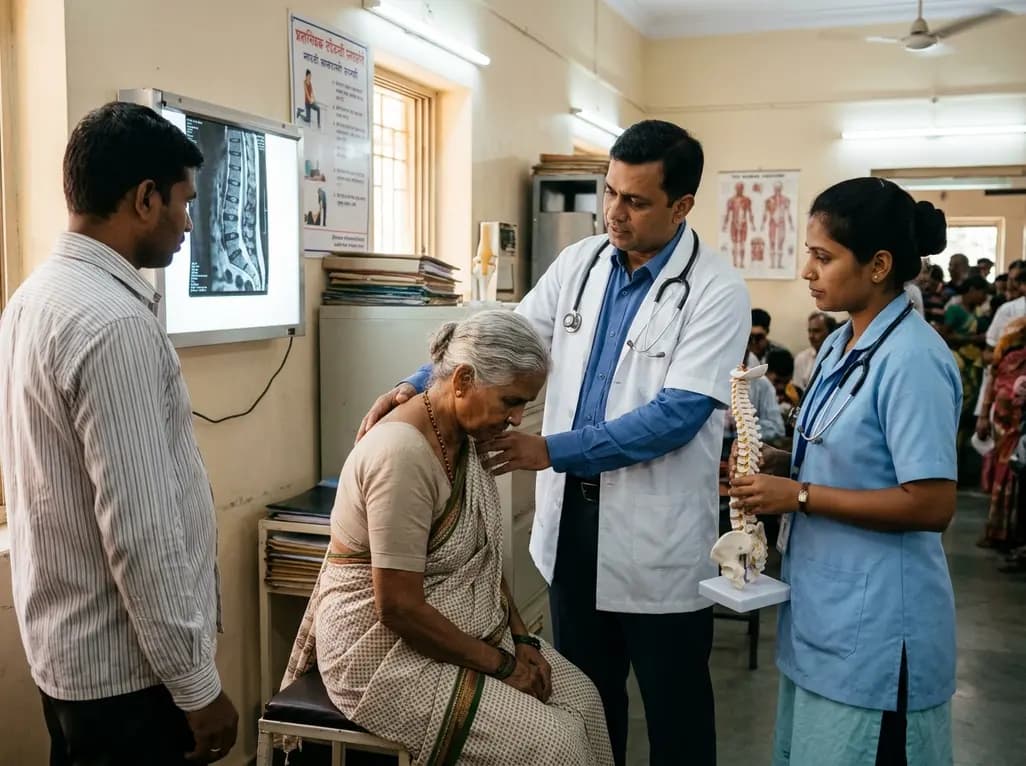
Age-related spinal kyphosis is driven by vertebral fragility, disc degeneration, and paraspinal muscle dysfunction. Coexisting with locomotive syndrome and frailty, its management requires combined anti-osteoporotic therapy, spinal extensor rehabilitation, and comprehensive nutritional optimization.
Today

A longitudinal feasibility pilot study highlights that combining polygenic risk score disclosure with in-person lifestyle counseling significantly enhances genomic literacy in individuals at risk for type 2 diabetes, overcoming educational disparities and reinforcing patient motivation.
Today
