.webp&w=384&q=75)

Loading, please wait...
Loading, please wait...

Researchers have developed a sericin-pyrrole hydrogel that combines natural silk sericin with pyrrole for advanced medical use. This multifunctional material, known as S8P2, addresses the growing need for smart biomaterials in wound healing and tissue engineering. Because the hydrogel responds to pH changes, it can dynamically adapt to the physiological environment of an injury. Consequently, this innovation offers significant potential for surgical and dermatological treatments in clinical practice.
The S8P2 hydrogel exhibits a uniform microporous structure with 65% porosity, which facilitates cell adhesion and gas exchange at the wound site. Furthermore, its mechanical properties include a compressive modulus of 15 kPa and excellent elastic recovery. Importantly, the material demonstrates broad-spectrum antibacterial efficacy against common pathogens such as Staphylococcus aureus and Escherichia coli. Due to these inherent bioactivities, the hydrogel effectively reduces oxidative stress and prevents infection during the healing process.
Biocompatibility studies on L929 fibroblasts confirm that the material is highly cytocompatible and promotes healthy cell growth. In addition, it shows minimal hemolysis, making it safe for contact with vascularized tissues. Therefore, this sericin-pyrrole hydrogel serves as a robust candidate for future injectable scaffolds and advanced wound dressings. Clinicians may soon find these materials useful for managing chronic wounds and complex surgical sites.
The hydrogel provides a moist environment, fights bacterial growth, and neutralizes oxidative stress. These features work together to accelerate the natural tissue regeneration process.
Yes, research shows excellent cytocompatibility with fibroblasts and minimal blood cell damage. This indicates high safety for clinical and surgical applications.
Disclaimer: This content is for informational and educational purposes only. It is not intended as medical advice or as a substitute for professional healthcare guidance. Refer to the latest local and national guidelines for clinical practice.
References

Read summarized clinical updates, watch expert medical content, and earn CME certifications right from your smartphone.
Open your smartphone camera to scan and install.





Researchers have developed a multifunctional sericin-pyrrole hydrogel with antibacterial and antioxidant properties, ideal for wound care and tissue enginee...
7 months ago

A recent study demonstrates that spinal oxygen sensors do not require mitochondrial electron transport to trigger sympathetic excitation during acute hypoxia, revealing new insights into how mitochondrial oxidative stress modulates autonomic tone in cardiovascular and neurological diseases.
Today

Demanding exhaustive hormonal profiling can inadvertently discourage clinical studies involving females. Methodological standards must align with the specific scientific question to expand, not restrict, equitable evidence for women.
Today

The Directorate General of Health Services directs Indian states to halt the hazardous reuse and reprocessing of single-use medical devices. Discover regulatory implications under the Drugs and Cosmetics Act, critical infection risks, legal liabilities, and operational changes required across clinical specialties.
Today
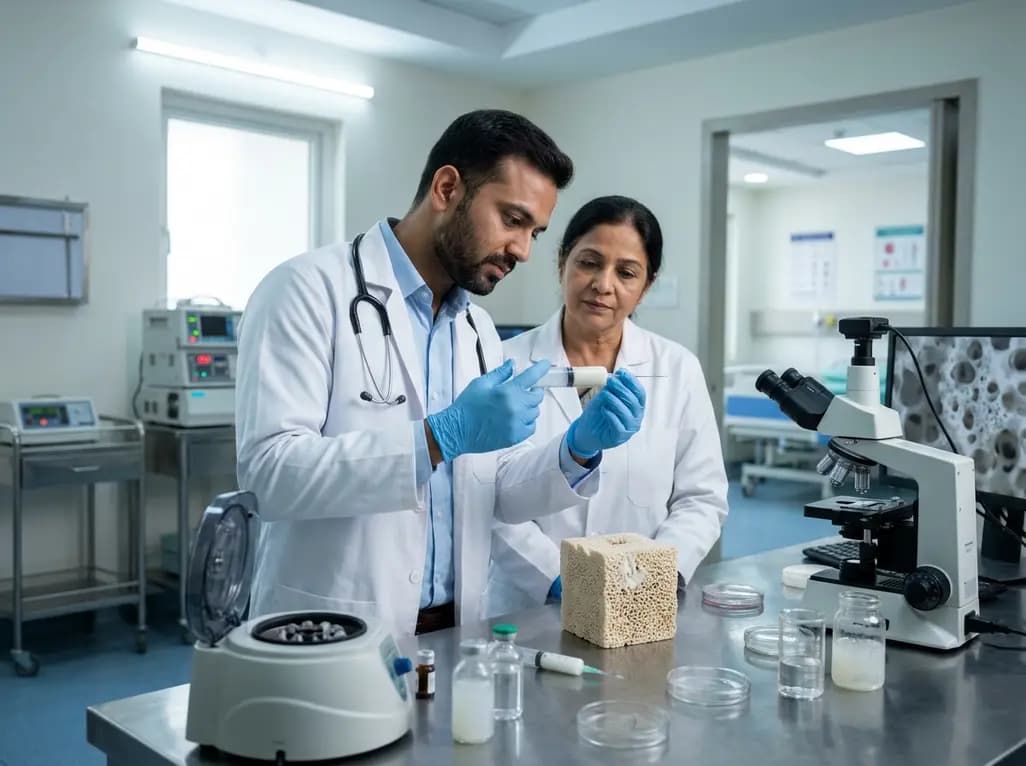
A novel calcium polyphosphate coacervate enables injectable bone implants with in situ hierarchical porosity via phase separation and gas foaming, significantly enhancing cell proliferation, energy metabolism, and osteogenic differentiation for minimally invasive bone defect repair.
Today

Following regulatory scrutiny from FSSAI regarding promotional representations and lean muscle preservation claims, Dr. Reddy's Laboratories and Nestlé Health Science are currently reviewing the branding and marketing strategy for their joint nutritional supplement Celevida GLP+.
Today
