.webp&w=384&q=75)

Loading, please wait...
Loading, please wait...
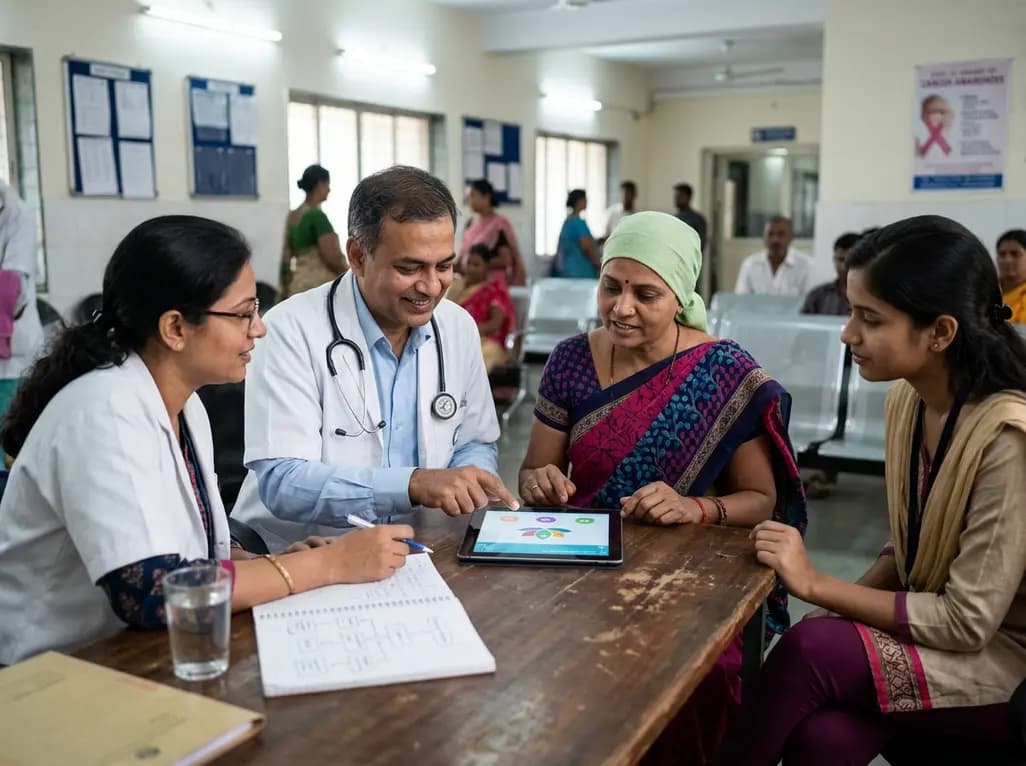
Advances in early diagnosis and targeted antineoplastic therapy have remarkably improved survival rates for women diagnosed with breast cancer. However, the transition from active hospital treatment to long-term survivorship represents a uniquely vulnerable clinical phase. Many patients face substantial emotional turbulence, including chronic stress, fatigue, mood disturbances, and persistent fear of recurrence. While evidence-based psycho-oncological care provides clear clinical benefits, resource limitations frequently prevent its systematic delivery in outpatient oncology settings. Consequently, researchers have focused on developing an accessible digital psychological intervention to bridge this gap during survivorship care.
Completing acute therapy often leaves survivors without regular clinical interactions, precipitating feelings of isolation and vulnerability. Furthermore, persistent physical side effects, such as chemotherapy-induced peripheral neuropathy, lymphedema, and hormone-deprivation symptoms, significantly compound psychological distress. Epidemiological data show that nearly half of all breast cancer survivors experience elevated levels of anxiety and depressive symptoms within several years post-treatment. Unfortunately, routine follow-up consultations primarily emphasize physical surveillance, tumor markers, and recurrence detection, often leaving emotional distress unaddressed.
In addition, stigma around psychological morbidity and limited availability of specialized psycho-oncology professionals exacerbate this deficit. Many women hesitate to seek formal psychiatric consultation because they prioritize physical recovery or lack convenient access to mental health clinics. As a result, unmanaged emotional distress undermines treatment adherence, impairs occupational functioning, and reduces overall quality of life. Therefore, healthcare systems urgently require scalable, evidence-based tools that integrate seamlessly into everyday recovery without placing undue operational demands on specialized oncology clinics.
Smartphone applications and mobile health platforms offer unmatched scalability, round-the-clock accessibility, and private self-management resources for oncology patients. Nevertheless, conventional health applications regularly suffer from high attrition rates and suboptimal user engagement. Many existing programs offer generic advice that fails to reflect the nuanced emotional realities of cancer survivorship. Moreover, software developers frequently build clinical applications without direct input from primary end users, leading to rigid interfaces and disconnected therapeutic content.
Consequently, the SerenApp project addresses these systemic limitations through a rigorous participatory co-creation methodology. The study adopts the structured Cocre-Ar-E framework, uniting breast cancer survivors, multidisciplinary clinicians, and software developers from the project outset. Through iterative qualitative workshops and design-thinking sprints, the research team directly analyzed patient narratives and clinician observations. This collaborative model ensures that the resulting digital psychological intervention directly addresses unmet psychosocial priorities, including fear of cancer recurrence, altered self-image, and emotional coping mechanisms.
The investigators structured the SerenApp protocol into three consecutive, interdependent methodological phases to guarantee clinical validity. Phase 1 concentrated on qualitative needs assessment and participatory design workshops conducted across healthcare centers in Andalusia and the Canary Islands. During these sessions, twenty-four breast cancer survivors and fifteen multidisciplinary healthcare professionals established key functional requirements. Subsequently, Phase 2 applied agile scrum software engineering to translate these clinical insights into a functional digital prototype.
Currently, the team conducts rigorous alpha usability testing to refine software navigation, information architecture, and interactive modules. Afterward, Phase 3 will initiate a prospective, randomized controlled trial enrolling ninety breast cancer survivors assigned equally to either SerenApp or standard follow-up care. The trial incorporates comprehensive, validated psychometric instruments, including the Cancer Patients' Stress Coping Questionnaire, the Patient Health Questionnaire-9, and the Hospital Anxiety and Depression Scale. Researchers will evaluate intervention acceptability, usability, and clinical efficacy over predefined follow-up intervals using multilevel linear regression modeling.
Evaluating clinical efficacy alone is insufficient when planning broader health service integration. Therefore, the SerenApp protocol incorporates an extensive health economic assessment to inform healthcare administrators. The research protocol utilizes the Client Service Receipt Inventory alongside the EQ-5D-5L instrument to monitor healthcare resource utilization and quality-adjusted life years. Investigators will calculate incremental cost-effectiveness ratios and incremental cost-utility ratios to establish whether digital self-management reduces downstream medical visits.
Furthermore, digital tools that improve coping mechanisms can substantially decrease unscheduled emergency consultations, primary care visits, and inappropriate psychotropic prescribing. By embedding cost-effectiveness evaluations directly into the pilot trial design, the investigators establish an empirical foundation for future inclusion in public health reimbursement systems. Ultimately, demonstrating clinical utility and fiscal sustainability remains paramount for securing widespread clinical adoption across diverse geographic and economic healthcare environments.
The SerenApp initiative provides essential operational insights for clinicians managing modern cancer survivorship pathways. In high-volume clinical settings, oncologists and primary care practitioners frequently encounter survivors exhibiting subclinical psychological distress. However, referral networks to specialized psycho-oncologists often remain overloaded or financially prohibitive for patients. A validated, clinician-endorsed mobile platform empowers practitioners to offer immediate, accessible psychosocial support at hospital discharge.
Moreover, the protocol emphasizes that successful digital health solutions cannot rely purely on automated algorithms. Incorporating structured behavioral coping mechanisms, mindfulness practices, and cognitive reappraisal exercises provides patients with concrete agency over their emotional recovery. Clinicians can confidently recommend such evidence-based digital resources because rigorous academic and user-testing standards underpin their development. Consequently, this collaborative approach bridges the persistent gap between specialized psycho-oncological care and everyday clinical survivorship routines.
SerenApp is a co-created mobile application engineered to deliver psycho-oncological support to breast cancer survivors during clinical follow-up. The platform provides structured coping strategies, emotional regulation tools, and evidence-based psychoeducation. By focusing specifically on challenges like fear of recurrence and emotional stress, the app empowers patients to manage post-treatment anxiety independently, supplementing their routine oncology follow-up appointments with accessible, on-demand psychological self-care tools.
Traditional digital mental health apps often experience high abandonment rates because developers fail to consult end users during design. Co-creation directly involves cancer survivors and oncology clinicians in shaping features, tone, and clinical content. This participatory framework ensures the final application addresses real-world emotional struggles, respects physical limitations, and provides intuitive navigation, which substantially increases patient engagement, long-term adherence, and therapeutic efficacy.
The study collects longitudinal health economic data using the Client Service Receipt Inventory and the EQ-5D-5L health utility questionnaire. Researchers track primary care visits, specialized consultations, emergency room visits, and psychotropic medication use throughout the trial. By calculating incremental cost-effectiveness and cost-utility ratios, investigators determine whether digital self-management reduces overall healthcare consumption while meaningfully improving survivor quality of life.
Disclaimer: This content is for informational and educational purposes only and should not be used as a substitute for professional medical advice, diagnosis, or treatment. Always consult a qualified healthcare provider with any questions you may have regarding a medical condition. Refer to the latest local and national guidelines for clinical practice.
References

Read summarized clinical updates, watch expert medical content, and earn CME certifications right from your smartphone.
Open your smartphone camera to scan and install.





SerenApp is an innovative co-created digital psychological intervention targeting anxiety, depression, and stress in breast cancer survivors. Developed via participatory design with patients and oncology teams, this protocol evaluates usability, adherence, and cost-effectiveness in routine clinical follow-up.
Today
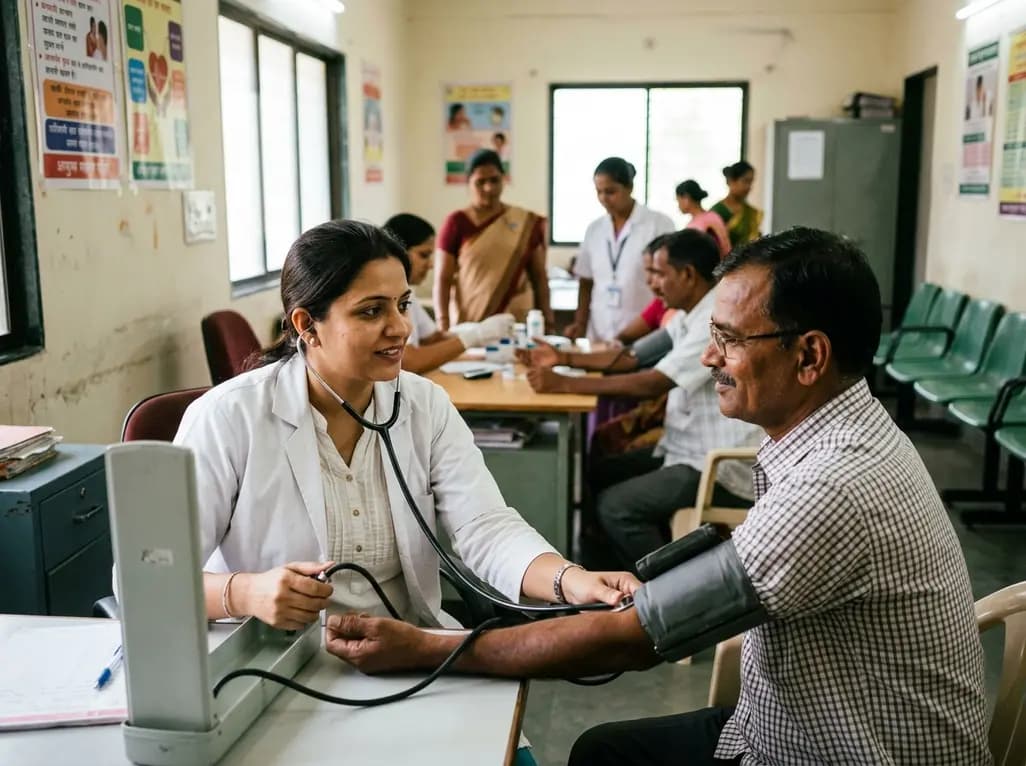
India has screened over 420 million adults for chronic metabolic conditions through its network of Ayushman Arogya Mandirs. This public health milestone underscores an aggressive shift toward early detection, decentralized primary care, and expanded insurance coverage under central health initiatives.
Today
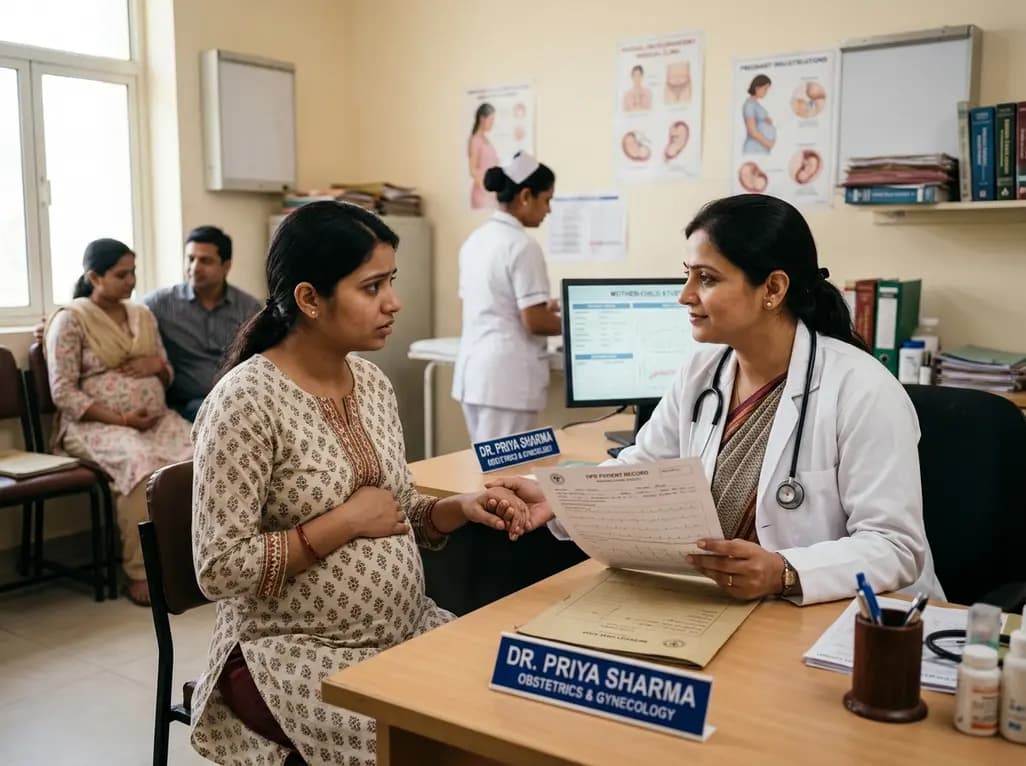
A large population cohort study evaluated over 167,000 mother-child pairs to assess the link between maternal mood disorders, pharmacotherapy, and long-term child neurodevelopment. The results underscore that maternal illness, rather than pharmacotherapy alone, drives most special educational needs in offspring.
Today
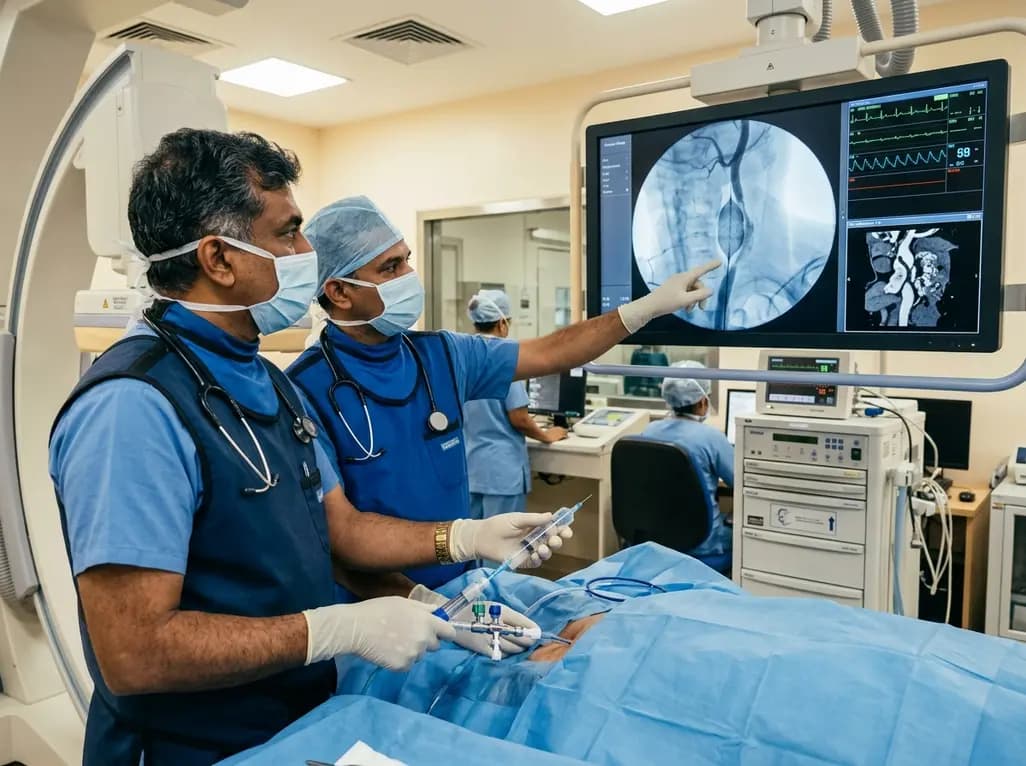
Discover how rescue cutting balloon angioplasty successfully modifies heavily calcified carotid stenosis, enabling stent delivery without baroreceptor instability and ensuring favorable long-term neurologic outcomes.
Today
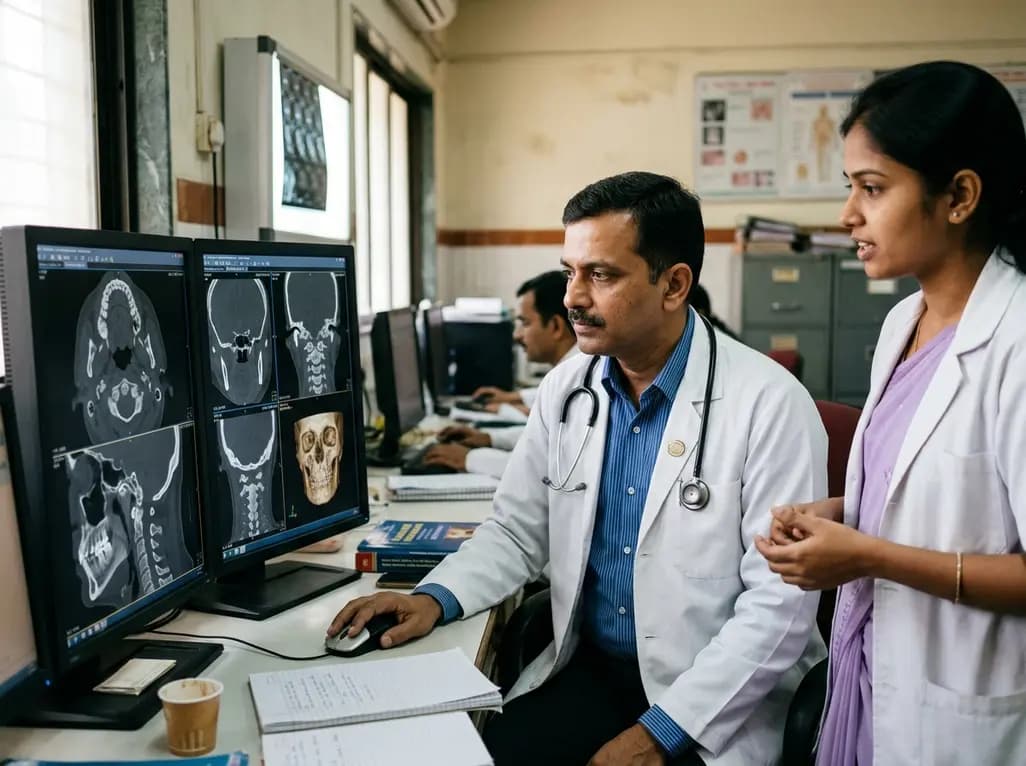
A retrospective CBCT study reveals that superior TMJ space asymmetry correlates moderately with occipital condyle-atlas-axis asymmetry in unilateral TMJ osteoarthritis, highlighting an imaging correlate between jaw biomechanics and upper cervical alignment rather than a standalone diagnostic marker.
Today
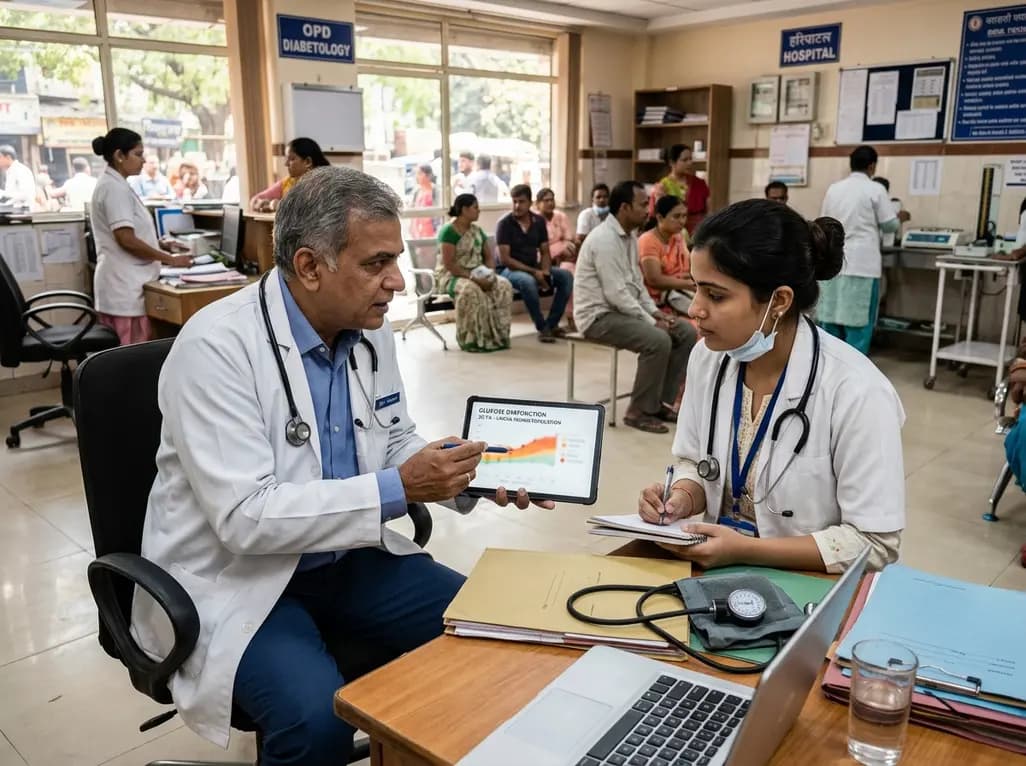
Data from the 2026 Workforce Health Index reveals that 38.7% of urban employees and dependents exhibit abnormal glycemic control. Emerging at increasingly younger ages, this metabolic shift intersects with severe vitamin deficiencies, highlighting the urgent need for early workplace screenings and targeted clinical care.
Today
