.webp&w=384&q=75)

Loading, please wait...
Loading, please wait...
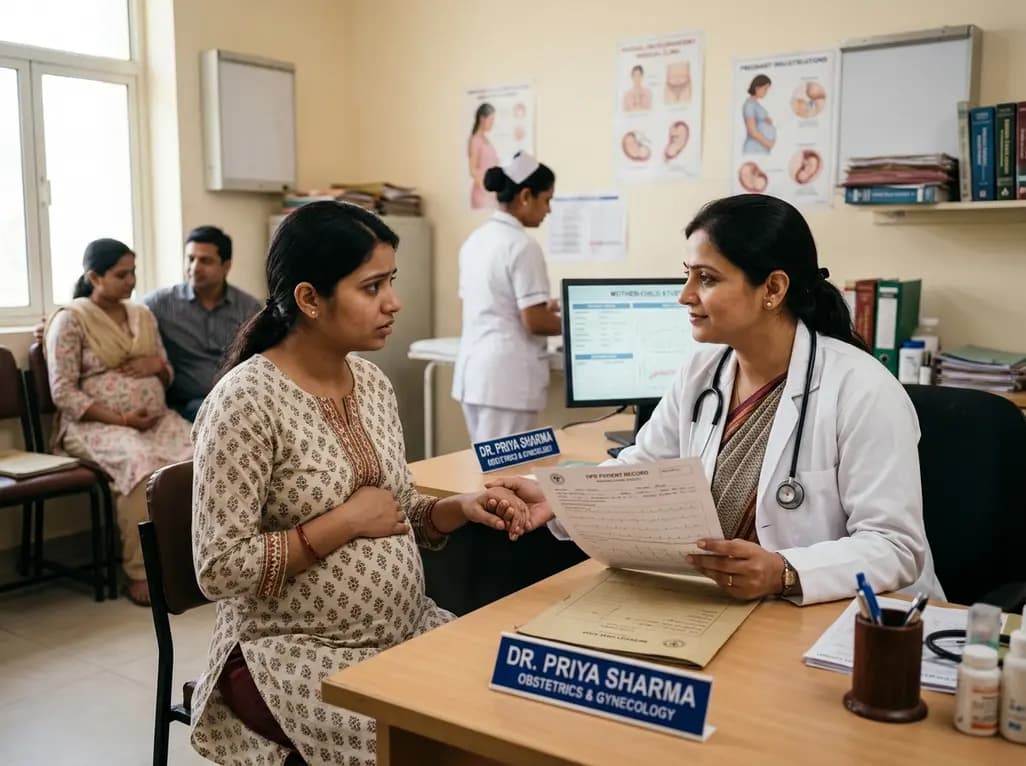
Managing psychiatric illness in expectant mothers represents a delicate balance between maternal health and fetal safety. Clinical evidence confirms that maternal mental illness influences both obstetric outcomes and subsequent child development. A major cohort study has examined how depression during pregnancy relates to long-term neurodevelopmental outcomes. Consequently, clinicians now have more nuanced data to guide treatment discussions with prospective parents.
Maternal antenatal mental health significantly shapes the intrauterine environment and fetal neural maturation. In particular, depression during pregnancy can alter maternal hypothalamic-pituitary-adrenal axis regulation. As a result, fetal exposure to elevated cortisol and inflammatory cytokines increases considerably. Furthermore, maternal distress often impairs self-care, nutrition, and compliance with prenatal healthcare regimens. Therefore, the underlying depressive disorder introduces substantial biological and behavioral vulnerabilities. Historically, clinicians struggled to separate the adverse effects of maternal depression from the pharmacological effects of antidepressants. Many historical retrospective studies lacked adequate statistical power to account for illness severity. However, large population registries now allow researchers to track longitudinal health records across diverse cohorts. These administrative datasets link maternal primary care records directly with child educational outcomes. Consequently, researchers can observe real-world consequences beyond short-term neonatal endpoints. Such comprehensive tracking illuminates how untreated depressive illness directly affects developmental milestones. Ultimately, recognizing this complex etiology helps healthcare providers reassure patients while emphasizing comprehensive, evidence-based perinatal psychiatric care.
Investigators from the University of Glasgow analyzed health and educational data from over 167,000 children born in Wales. Specifically, they followed these children from birth through primary school until 2022. The research team evaluated instances of special educational needs, such as communication barriers, autism spectrum disorders, and attention deficit hyperactivity disorder. Among unexposed mother-child dyads, 20 out of every 100 children demonstrated special educational needs. In contrast, among mothers with untreated depressive illness, 24 in every 100 children required specialized educational support. Furthermore, maternal antidepressant exposure slightly elevated this figure to approximately 27 children per 100. When researchers compared antidepressant exposure in women without recorded depression, they noted an additional 6.3 cases per 100 children. Meanwhile, adding antidepressant therapy to maternal depression contributed an absolute increase of only 2.9 cases per 100 children. Therefore, the absolute risk elevation associated with pharmacotherapy remains modest compared to baseline illness risks. These concrete figures demonstrate that maternal depression itself accounts for the majority of observed educational differences in offspring.
Observational analyses in perinatal epidemiology frequently encounter the problem of confounding by indication. Clinicians typically reserve pharmacotherapy for women who experience severe, persistent, or recurrent depressive episodes. Consequently, women receiving antidepressants often endure greater emotional distress, social disruption, and metabolic disturbances. In addition, severe maternal illness correlates with higher rates of nicotine use, sleep deprivation, and adverse socioeconomic factors. Thus, attributing adverse offspring outcomes solely to antidepressant medications creates an inaccurate assessment of biological causality. The researchers specifically noted that maternal depression severity heavily confounds the small statistical difference seen between treated and untreated groups. Moreover, genetic factors play a prominent role in both maternal mood disorders and childhood neurodevelopmental conditions. Inherited susceptibility contributes markedly to conditions like attention deficit hyperactivity disorder and autism. Therefore, the shared genomic background between mother and child explains a substantial portion of the neurodevelopmental risk. Disentangling these overlapping variables reveals that pharmacotherapy represents a clinical marker of maternal illness severity rather than an isolated teratogen.
Expectant mothers often express intense apprehension regarding potential fetal harm from psychotropic medications. Consequently, many women unilaterally discontinue prescribed antidepressants upon discovering a pregnancy. However, abruptly discontinuing treatment precipitates severe depressive relapse in up to 68 percent of previously stable patients. Relapse severely undermines the mother's mental health and disrupts essential maternal-infant bonding. In addition, severe untreated perinatal depression significantly elevates the risk of postpartum depression, maternal self-harm, and compromised parenting capacity. Obstetric complications, including preterm birth and fetal growth restriction, also rise when maternal mood disorders remain unmanaged. Therefore, healthcare providers must guide families through careful, personalized risk-benefit dialogues. Clinicians should explain that continuing effective pharmacotherapy often minimizes maternal morbidity and promotes a stable home environment. Furthermore, shared decision-making empowers women to make informed therapeutic choices without excessive guilt. Prescribers should emphasize that maintaining maternal stability represents the primary objective in protecting both maternal and child welfare.
Addressing perinatal mood disorders requires comprehensive coordination among psychiatrists, obstetricians, midwives, and pediatricians. Non-pharmacological interventions, such as cognitive behavioral therapy and interpersonal psychotherapy, provide vital initial support for mild to moderate cases. However, moderate to severe depressive episodes frequently necessitate pharmacotherapy alongside structured psychosocial interventions. In addition, early screening tools enable clinicians to detect depressive symptoms during routine antenatal checkups. When mothers require pharmacotherapy, clinicians should view antenatal exposure as a useful clinical marker rather than a deterrent. Specifically, knowing a child had intrauterine exposure allows early identification of educational and developmental vulnerabilities. Consequently, schools and healthcare systems can organize timely neurodevelopmental evaluations during early childhood. Early speech therapy, behavioral interventions, and educational accommodations dramatically improve academic and social trajectories. Therefore, proactive surveillance transforms potential vulnerabilities into opportunities for targeted therapeutic assistance. Ultimately, holistic maternal care directly fosters healthier neurodevelopmental trajectories for the next generation.
Q1: Does treating maternal depression with antidepressants cause severe developmental disabilities in offspring?
Current research shows that antidepressant exposure during pregnancy confers only a minor absolute increase in special educational needs. The underlying maternal depression and associated genetic vulnerabilities account for most neurodevelopmental variations. Therefore, medications do not represent an isolated primary cause of severe developmental disabilities.
Q2: What hazards arise if a woman abruptly stops taking antidepressants during pregnancy?
Abruptly stopping antidepressants dramatically elevates the risk of severe depressive relapse, which occurs in up to 68 percent of pregnant individuals. Untreated depression can lead to poor maternal nutrition, inadequate prenatal care, obstetric complications, and heightened risks of severe postpartum depression.
Q3: How should clinicians counsel women requiring antidepressants while planning a pregnancy?
Clinicians should engage patients in collaborative, individualized risk-benefit counseling. They must balance the modest theoretical medication risks against the tangible, proven harms of untreated maternal psychiatric illness. Maintaining maternal mental stability remains crucial for ensuring both fetal well-being and long-term child development.
Disclaimer: This content is for informational and educational purposes only. It does not constitute medical advice or replace professional judgment. Refer to the latest local and national guidelines for clinical practice.
References

Read summarized clinical updates, watch expert medical content, and earn CME certifications right from your smartphone.
Open your smartphone camera to scan and install.





A large population cohort study evaluated over 167,000 mother-child pairs to assess the link between maternal mood disorders, pharmacotherapy, and long-term child neurodevelopment. The results underscore that maternal illness, rather than pharmacotherapy alone, drives most special educational needs in offspring.
Today
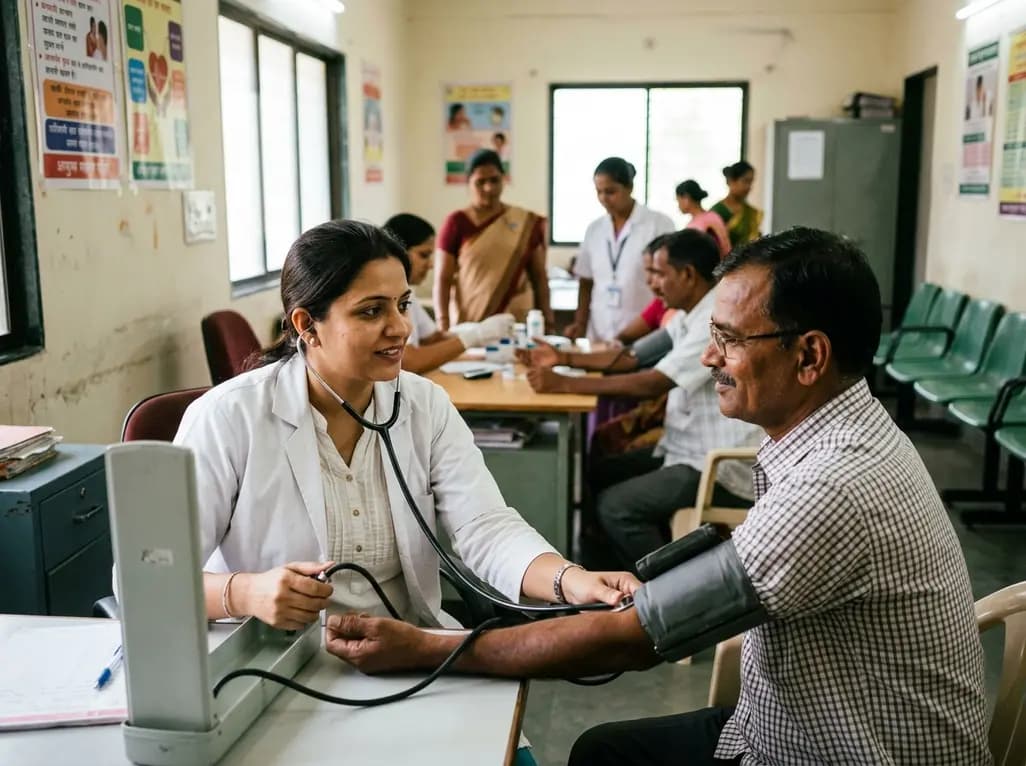
India has screened over 420 million adults for chronic metabolic conditions through its network of Ayushman Arogya Mandirs. This public health milestone underscores an aggressive shift toward early detection, decentralized primary care, and expanded insurance coverage under central health initiatives.
Today

Discover how rescue cutting balloon angioplasty successfully modifies heavily calcified carotid stenosis, enabling stent delivery without baroreceptor instability and ensuring favorable long-term neurologic outcomes.
Today
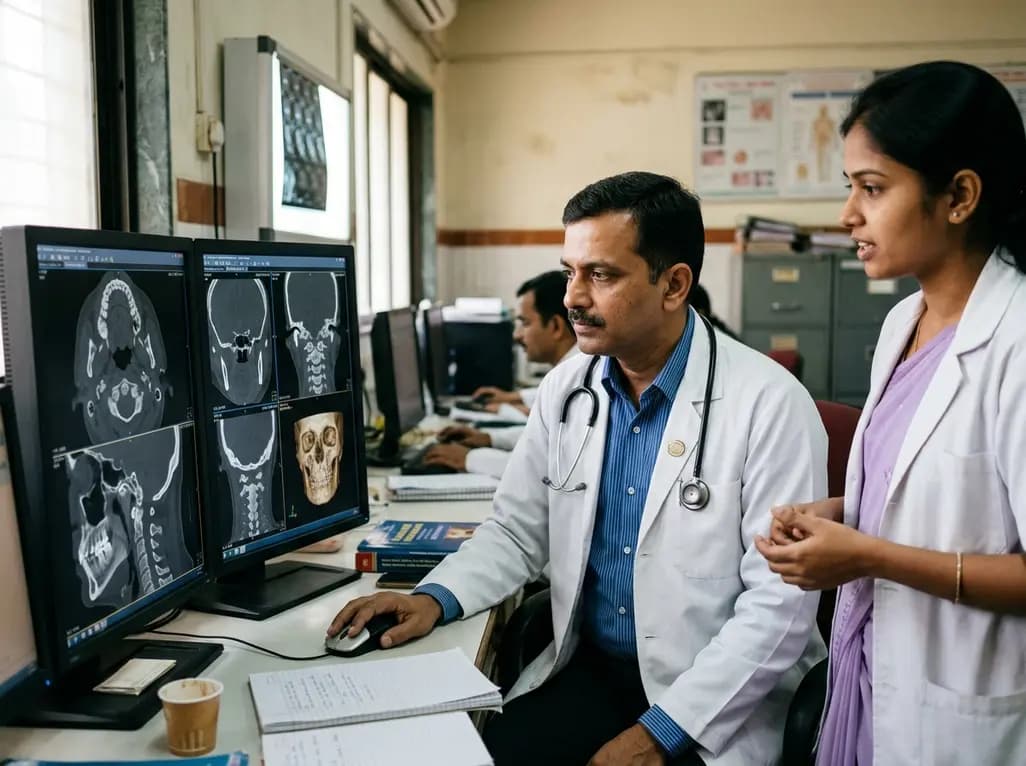
A retrospective CBCT study reveals that superior TMJ space asymmetry correlates moderately with occipital condyle-atlas-axis asymmetry in unilateral TMJ osteoarthritis, highlighting an imaging correlate between jaw biomechanics and upper cervical alignment rather than a standalone diagnostic marker.
Today
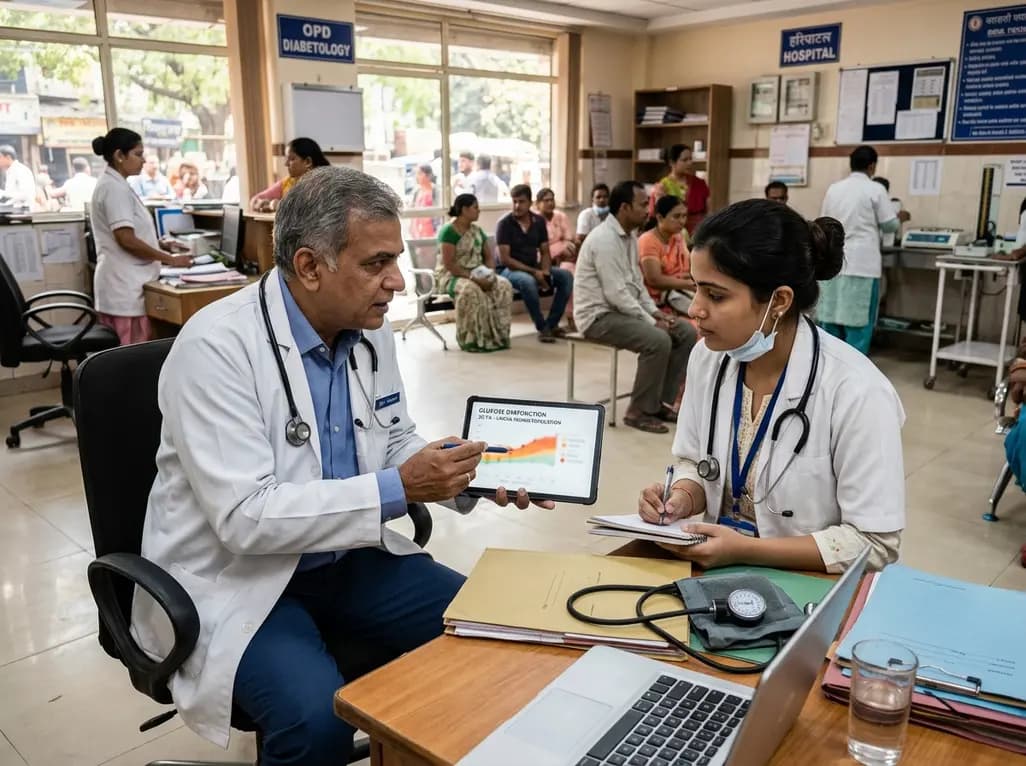
Data from the 2026 Workforce Health Index reveals that 38.7% of urban employees and dependents exhibit abnormal glycemic control. Emerging at increasingly younger ages, this metabolic shift intersects with severe vitamin deficiencies, highlighting the urgent need for early workplace screenings and targeted clinical care.
Today
