.webp&w=384&q=75)

Loading, please wait...
Loading, please wait...
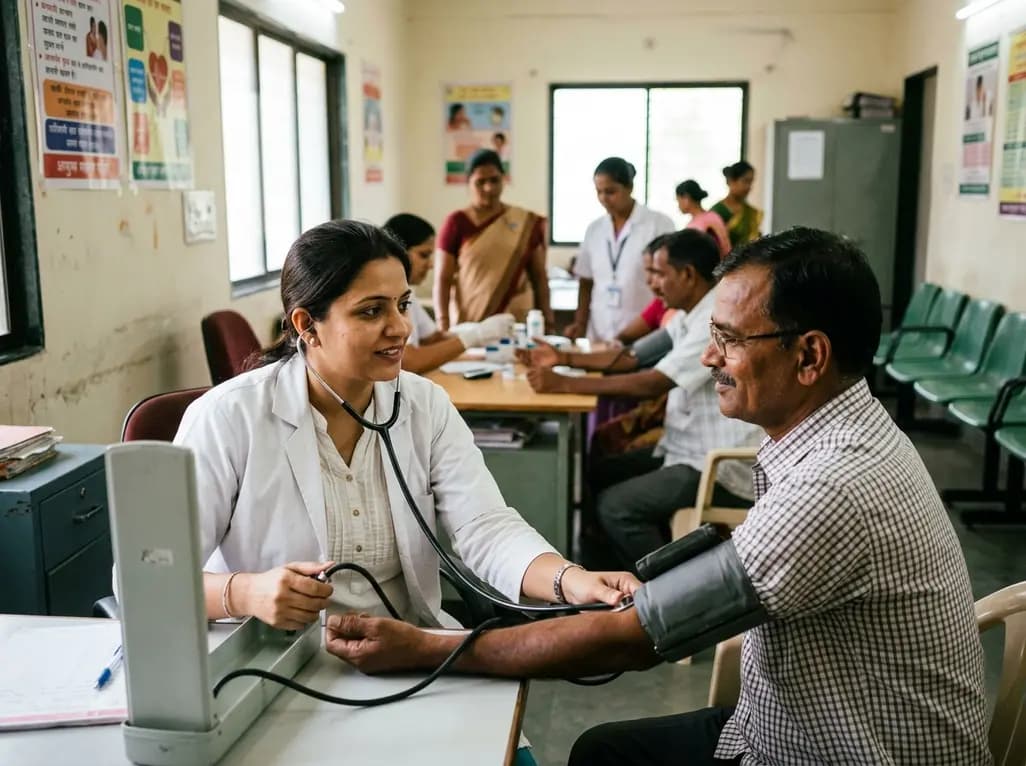
India is witnessing a significant transformation in its primary healthcare delivery and preventive medicine ecosystem. During the recent World Congress of Gastroenterology, Union Health Minister J. P. Nadda highlighted nationwide public health milestones. Most notably, public primary health facilities have completed nationwide hypertension and diabetes screening across millions of eligible adults. Consequently, early diagnostic initiatives help clinicians detect and manage chronic cardiometabolic disorders before debilitating complications develop.
According to recent ministry statements, healthcare teams have executed more than 420 million screenings for hypertension and diabetes. Furthermore, community centers have completed 360 million screenings for oral cancer, 170 million for breast cancer, and 90 million for cervical cancer. Primary workers target individuals aged thirty and older under this population-based screening framework. As a result, frontline health workers identify undiagnosed non-communicable conditions at initial, manageable stages.
Historically, patients in rural settings presented with late-stage cardiovascular and metabolic complications. However, structured community assessments change this clinical dynamic entirely. Auxiliary nurse midwives and community health officers now carry out point-of-care capillary blood glucose tests and digital blood pressure assessments. Therefore, peripheral health centers act as the first line of defense against vascular morbidity. Moreover, early detection allows practitioners to initiate lifestyle interventions and evidence-based pharmacotherapy promptly.
Consequently, primary care clinicians can prevent irreversible microvascular and macrovascular pathology through timely monitoring and standardized clinical protocols. Additionally, these mass screenings establish baseline clinical profiles that guide longitudinal follow-up across vulnerable adult groups.
India has operationalized around 1.86 lakh Ayushman Arogya Mandirs to decentralize comprehensive preventive care across every state. Previously known as Health and Wellness Centres, these facilities elevate sub-centres and primary health centres into proactive clinical hubs. Specifically, they provide an expanded package of twelve primary healthcare services, including non-communicable disease control, palliative care, and maternal health. Consequently, families receive high-quality diagnostics within their immediate local communities without facing travel burdens.
Furthermore, these community centres bridge critical diagnostic gaps through expanded essential medicine and diagnostic lists. Sub-health centres now supply over one hundred essential drugs, while primary health centres deliver even broader formularies. Thus, medical officers and mid-level healthcare providers can dispense antihypertensive agents and oral hypoglycaemics without interruptions. In addition, community health workers maintain digital records on the central Non-Communicable Disease portal. Ultimately, this seamless monitoring helps physicians evaluate treatment compliance and patient outcomes across wide geographic territories.
Therefore, decentralized clinical workflows relieve excessive congestion at secondary referral hospitals. Meanwhile, general practitioners observe improved medication adherence and better blood pressure control among registered patients.
The Union Health Minister emphasized that the National Health Policy 2017 established a critical paradigm shift in India. Specifically, the framework steered public health priorities away from sick-care towards proactive wellness and prevention. Under this policy, the central government focuses on achieving optimal synergy among primary, secondary, and tertiary health tiers. Moreover, health administrators prioritize robust continuum-of-care linkages that facilitate timely patient transfers between different healthcare facilities.
In addition, the policy addresses catastrophic household expenditure, which historically pushed vulnerable families into severe financial hardship. Official figures demonstrate that out-of-pocket health expenditure dropped dramatically from 62 percent in 2014-15 to 43.4 percent in 2021-22. Hence, public investments in health infrastructure and subsidized medicines yield direct economic protection for citizens. Furthermore, the policy encourages intersectoral action to manage behavioral risk factors effectively. Campaigns such as Eat Right India and Poshan Maah actively promote healthy dietary choices, reduced cooking oil intake, and regular physical exercise.
Consequently, primary physicians can leverage these public health campaigns to reinforce non-pharmacological guidance during routine clinic visits. As a result, clinical interventions align closely with national lifestyle modification goals.
Alongside primary screening, the central government has strengthened inpatient financial protection through Ayushman Bharat-Pradhan Mantri Jan Arogya Yojana. This flagship scheme provides annual health coverage of five lakh rupees per family for inpatient secondary and tertiary treatments. Notably, the program has extended benefits to more than 600 million beneficiaries across the country. Recently, the government expanded full coverage to approximately 60 million senior citizens aged 70 years and older, regardless of economic background.
Consequently, elderly patients requiring advanced cardiovascular interventions, oncologic procedures, or chronic renal replacement access care without financial ruin. Health authorities confirm that hospitals have delivered over thirteen crore treatments valued at approximately two lakh crore rupees under this scheme. Furthermore, the Pradhan Mantri Bhartiya Janaushadhi Pariyojana operates more than 20,149 generic pharmacy outlets nationwide. As a result, consumers and chronically ill patients have saved an estimated 45,000 crore rupees on essential medication costs.
Therefore, outpatient chronic therapy becomes affordable and sustainable over lifelong treatment courses. In addition, practicing clinicians can prescribe vital cardiovascular and metabolic agents with high confidence in patient compliance.
For medical practitioners across India, widespread population screening transforms everyday ambulatory practice and epidemiology. Because frontline health workers capture asymptomatic individuals during community drives, clinicians encounter patients at substantially earlier disease stages. However, increased detection also demands systematic follow-up pathways to prevent clinical dropouts and therapeutic failure. Physicians must therefore adopt structured treatment algorithms and reinforce continuous glycemic and blood pressure monitoring during follow-up visits.
Additionally, doctors should emphasize lifestyle modifications alongside standard pharmacotherapy for newly identified patients. For instance, counseling patients to reduce dietary sodium, curb refined carbohydrates, and lower saturated fat consumption produces measurable clinical benefits. Moreover, physicians can utilize national telemedicine networks to supervise rural mid-level healthcare providers treating uncomplicated cases. Thus, collaborative multidisciplinary management between primary workers and specialty consultants ensures comprehensive disease control. Ultimately, sustained clinical vigilance at the primary tier minimizes costly downstream complications like stroke, renal failure, and myocardial infarction.
Consequently, practitioners serve as crucial anchors in translating mass screening data into durable public health achievements. Furthermore, evidence-based prescribing patterns maintain long-term therapeutic success across diverse patient demographics.
Q1: What age group qualifies for population-based non-communicable disease screening under central initiatives?
Under the national operational guidelines, frontline workers screen individuals aged thirty years and older for common non-communicable conditions. Health teams assess adults for hypertension, diabetes, and oral, breast, and cervical cancers at Ayushman Arogya Mandirs. Furthermore, auxiliary staff use community-based assessment checklists to capture lifestyle risks early. Therefore, this age threshold enables timely detection before irreversible organ injury or vascular complications occur across adult populations.
Q2: How do Ayushman Arogya Mandirs support continuity of care after an abnormal screening?
When community screenings detect elevated blood pressure or abnormal glucose levels, health workers register patients on the central portal. Subsequently, community health officers or primary medical officers initiate standardized therapy or arrange formal diagnostic confirmation. Furthermore, health centres supply free essential generic medications to support long-term adherence. In addition, staff utilize teleconsultation services to connect patients with secondary specialists whenever complex clinical complications or comorbidities require advanced management.
Q3: What financial benefits does the expanded Ayushman Bharat program offer to geriatric patients?
The expanded Ayushman Bharat scheme provides health coverage of five lakh rupees annually to all senior citizens aged seventy and above. Importantly, this benefit applies irrespective of household income or socioeconomic status. Consequently, elderly patients obtain free hospitalization for advanced cardiac, oncological, and surgical interventions. Moreover, pairing this hospital coverage with affordable medications from Jan Aushadhi Kendras substantially reduces out-of-pocket healthcare expenses for older adults.
Disclaimer: This content is for informational and educational purposes only. It does not constitute medical advice or replace professional judgment. Refer to the latest local and national guidelines for clinical practice.
References

Read summarized clinical updates, watch expert medical content, and earn CME certifications right from your smartphone.
Open your smartphone camera to scan and install.





India has screened over 420 million adults for chronic metabolic conditions through its network of Ayushman Arogya Mandirs. This public health milestone underscores an aggressive shift toward early detection, decentralized primary care, and expanded insurance coverage under central health initiatives.
Today
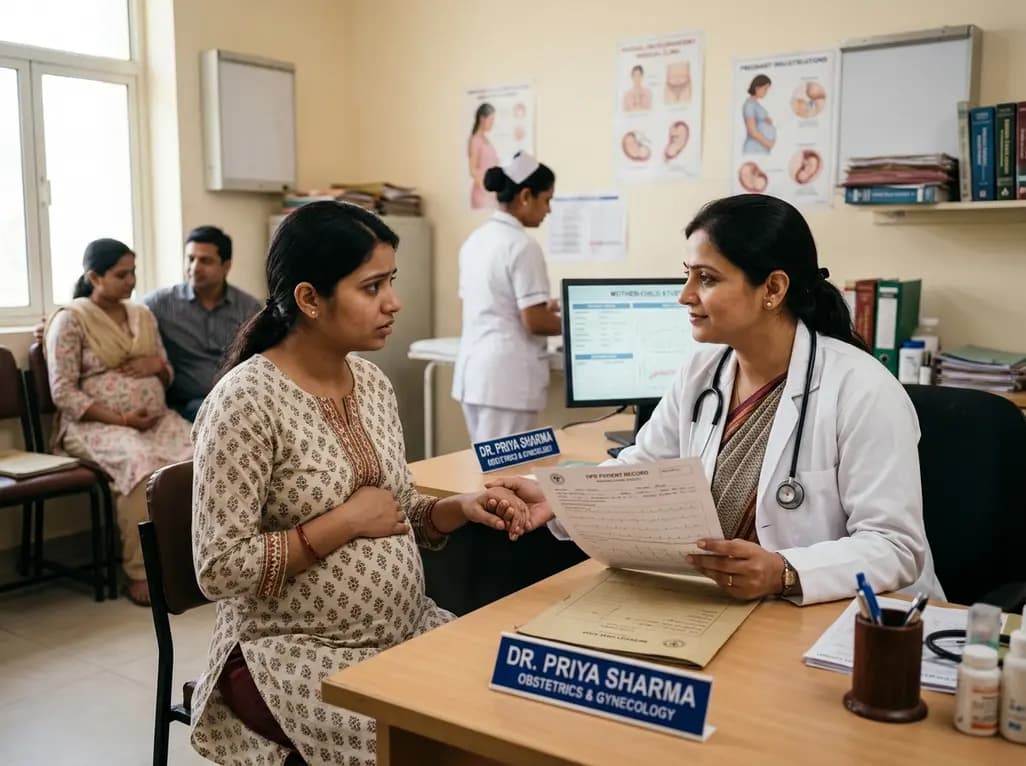
A large population cohort study evaluated over 167,000 mother-child pairs to assess the link between maternal mood disorders, pharmacotherapy, and long-term child neurodevelopment. The results underscore that maternal illness, rather than pharmacotherapy alone, drives most special educational needs in offspring.
Today
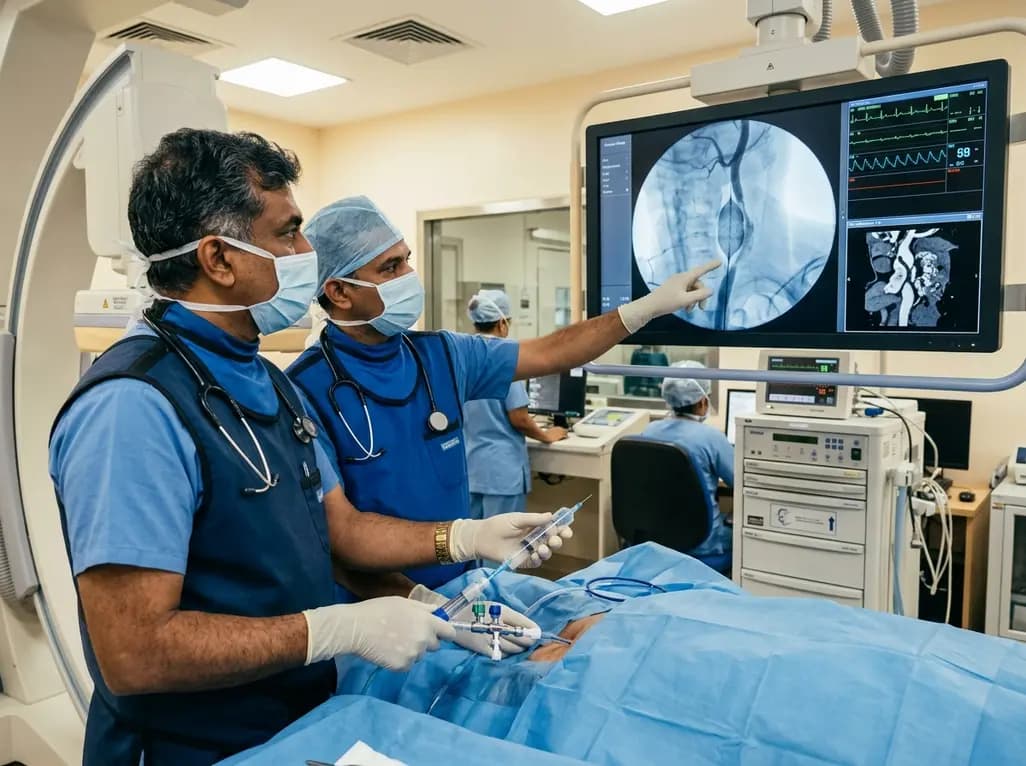
Discover how rescue cutting balloon angioplasty successfully modifies heavily calcified carotid stenosis, enabling stent delivery without baroreceptor instability and ensuring favorable long-term neurologic outcomes.
Today
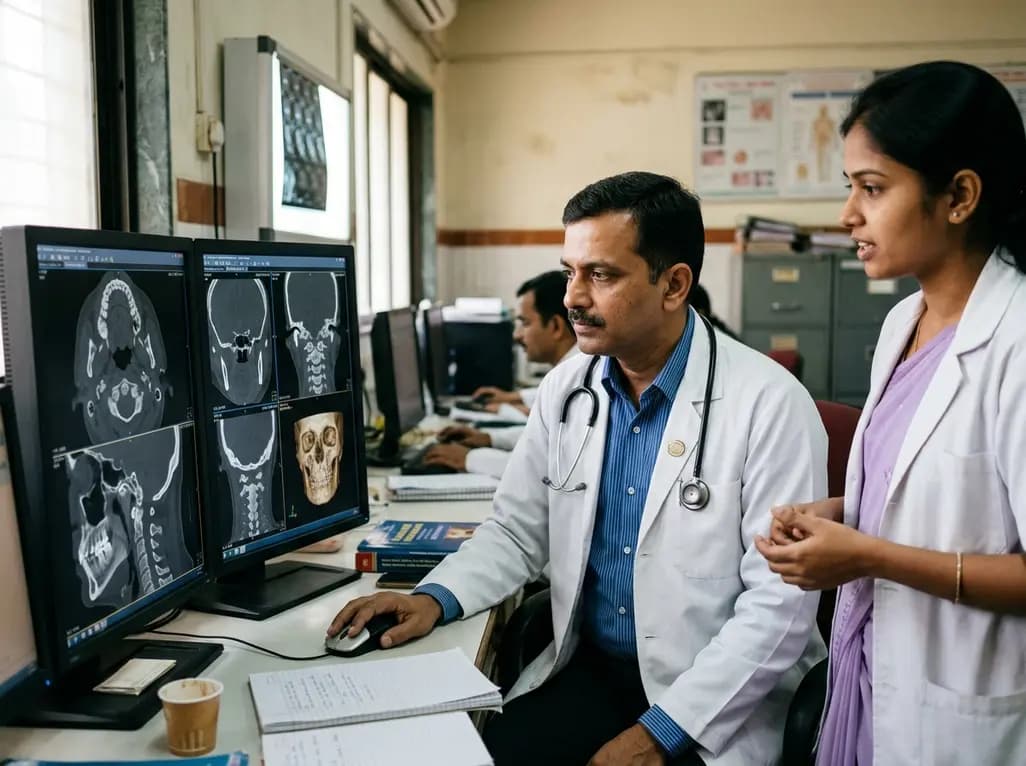
A retrospective CBCT study reveals that superior TMJ space asymmetry correlates moderately with occipital condyle-atlas-axis asymmetry in unilateral TMJ osteoarthritis, highlighting an imaging correlate between jaw biomechanics and upper cervical alignment rather than a standalone diagnostic marker.
Today
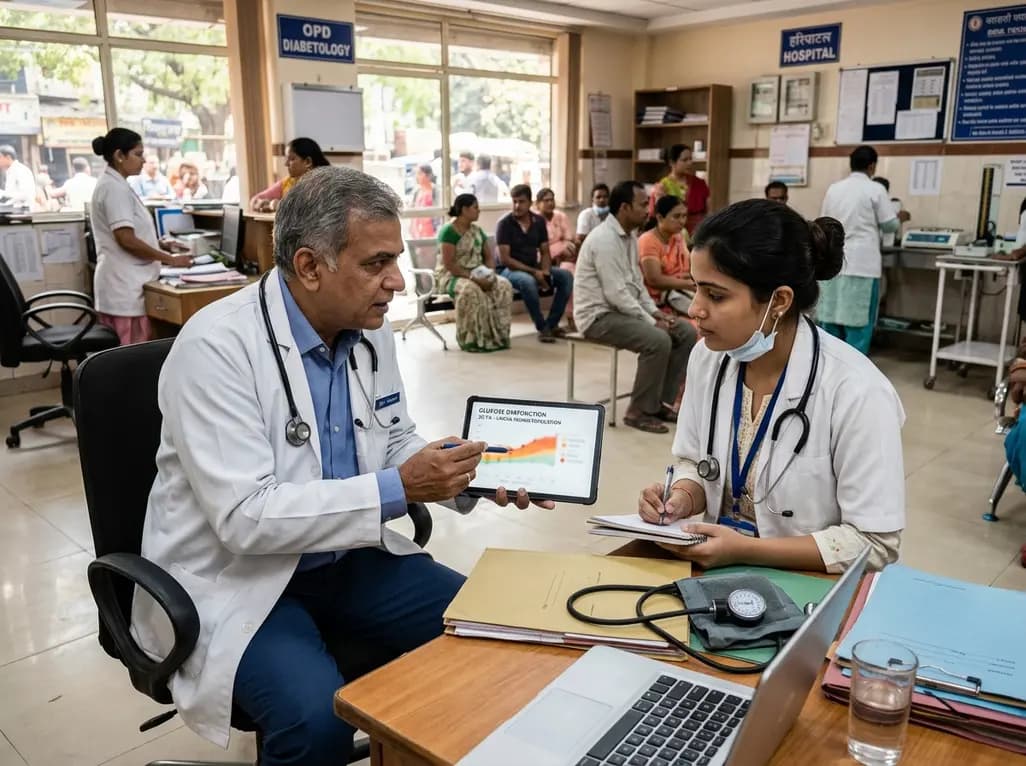
Data from the 2026 Workforce Health Index reveals that 38.7% of urban employees and dependents exhibit abnormal glycemic control. Emerging at increasingly younger ages, this metabolic shift intersects with severe vitamin deficiencies, highlighting the urgent need for early workplace screenings and targeted clinical care.
Today
