.webp&w=384&q=75)

Loading, please wait...
Loading, please wait...

The SEHAT initiative India represents a historic collaboration between the Indian Council of Medical Research (ICMR) and the Indian Council of Agricultural Research (ICAR). This national programme aims to integrate agriculture, nutrition, and public health. Consequently, agricultural advancements will now translate directly into measurable health outcomes for the population. Union Health Minister J P Nadda emphasized that India is moving toward a proactive and preventive healthcare model. This paradigm shift ensures that nutritional security becomes a core component of medical care.
The mission focuses on five priority areas to transform national health. First, scientists will evaluate biofortified and nutrient-dense crop varieties to combat persistent malnutrition. Second, the programme strengthens integrated farming systems to promote dietary diversification. Third, it addresses occupational health risks specific to agricultural workers through evidence-based interventions. Furthermore, the initiative advances strategies for the prevention of non-communicable diseases (NCDs) like diabetes and hypertension. Finally, it reinforces the One Health vision by linking human, animal, and environmental health surveillance.
Agricultural production must align with the specific nutritional needs of the Indian population. Therefore, ICMR will provide scientific validation for ICAR’s agricultural interventions. Union Agriculture Minister Shivraj Singh Chouhan highlighted that food itself can serve as medicine. By promoting organic and sustainable practices, the government aims to reduce the burden of lifestyle diseases. Moreover, the initiative encourages the public to reduce consumption of sugar, salt, and oil. These efforts collectively aim to build a healthier nation through indigenous and affordable innovations.
Q1: What does the acronym SEHAT stand for?
SEHAT stands for Science Excellence for Health through Agricultural Transformation.
Q2: How will the SEHAT initiative India address lifestyle diseases?
It uses agriculture-enabled strategies to promote functional foods and nutrient-rich crops that help manage conditions like diabetes and hypertension.
Disclaimer: This content is for informational and educational purposes only. It does not constitute medical advice or replace professional judgment. Refer to the latest local and national guidelines for clinical practice.
References

Read summarized clinical updates, watch expert medical content, and earn CME certifications right from your smartphone.
Open your smartphone camera to scan and install.





ICMR and ICAR launch SEHAT mission to integrate agriculture and health, focusing on biofortified crops and NCD prevention for a holistic healthcare approach...
5 months ago
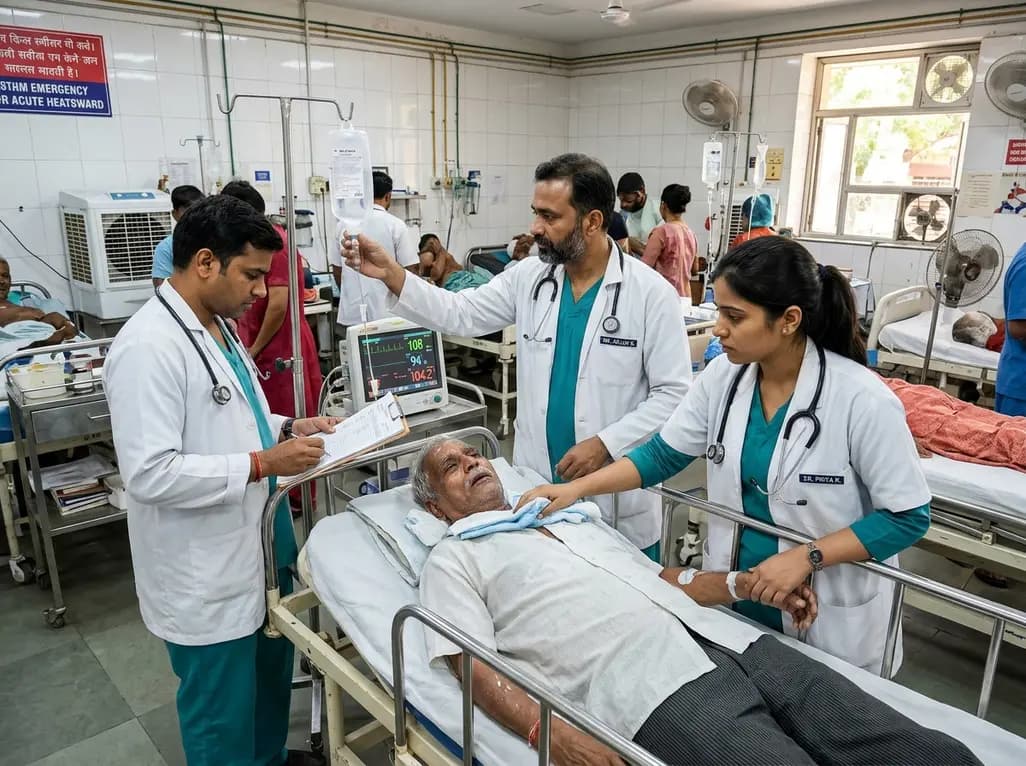
Recent epidemiological data reveals a dramatic surge in summer heat mortality driven by human-induced climate warming. This analysis explores the pathophysiological impacts on cardiac and renal systems, diagnostic dilemmas in death certification, and essential emergency cooling protocols for acute clinical care.
Today
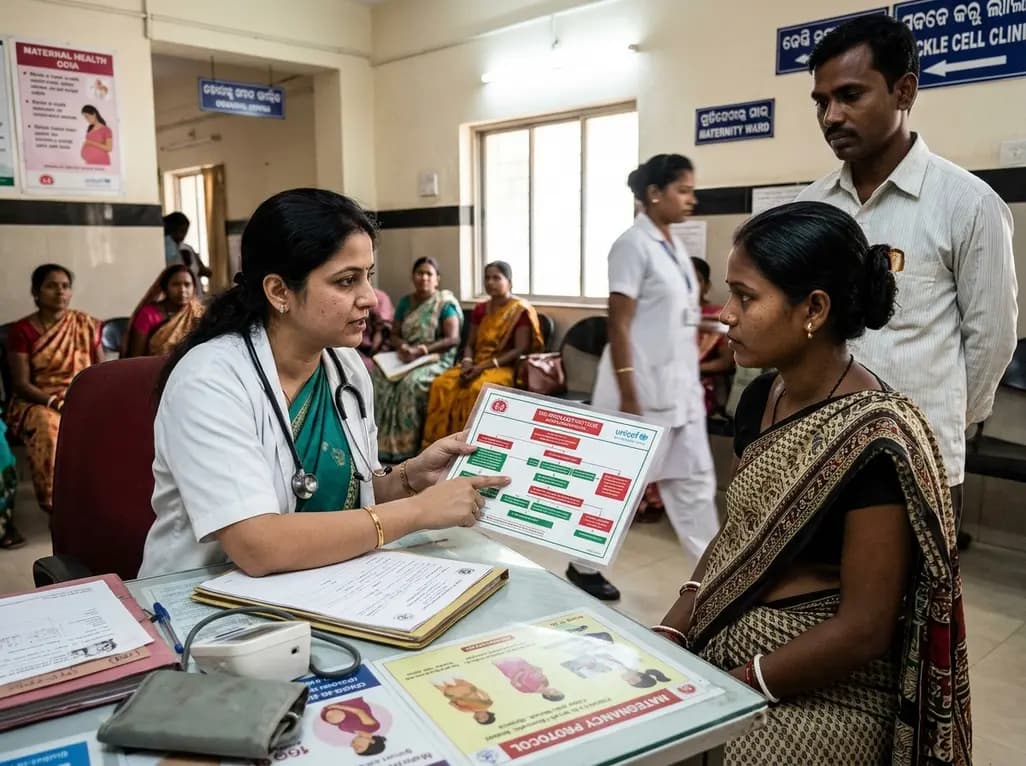
Odisha has established India's first state-level clinical protocol specifically tailored for pregnant women with sickle cell disease. Developed with NHM and UNICEF, the framework provides structured antenatal screening, crisis mitigation, standardized referral pathways, and specialized interdisciplinary care.
Today

India is advancing preventive healthcare by integrating genomics, artificial intelligence, and quantum technologies. With the SANGAM programme sequencing one million Indian genomes, clinicians can unlock personalized therapies, detect cardiometabolic risks early, and curb the burden of diabetes and heart disease.
Today
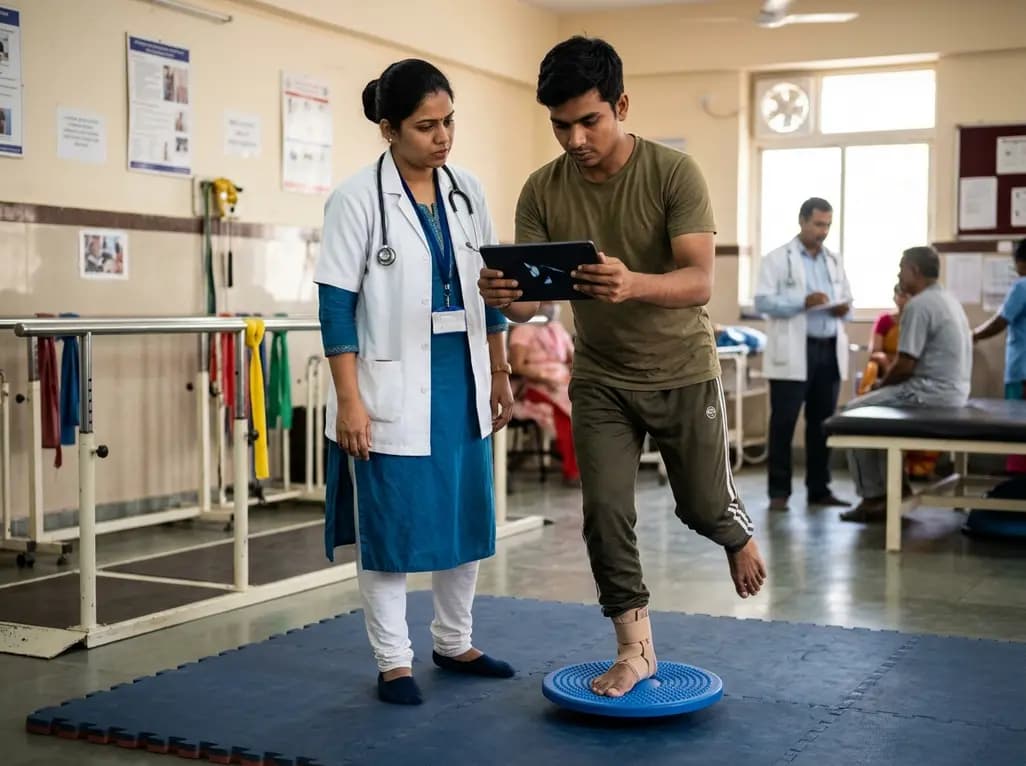
A randomized controlled trial demonstrates that an eight-week dual-task training intervention significantly improves static and dynamic postural control over standard balance exercises in individuals with chronic ankle instability, addressing critical neurocognitive deficits during athletic and daily activities.
Today

A retrospective cohort study of 7,716 ICU patients from the MIMIC-IV database demonstrates that Gradient Boosting Decision Trees significantly outperform traditional SOFA scores in predicting in-hospital mortality among patients with sepsis and diabetes, with SHAP analysis providing clinical interpretability.
Today
