

Loading, please wait...
Loading, please wait...

Subarachnoid hemorrhage remains one of the most devastating neurovascular emergencies encountered in neurocritical care. Clinicians frequently observe that acute extravasation of blood into the subarachnoid space triggers severe early brain injury. In particular, subarachnoid hemorrhage neuroinflammation drives widespread microvascular dysfunction, cytotoxic edema, and secondary neuronal cell death. While surgical intervention repairs the ruptured aneurysm, delayed inflammatory cascades continue to compromise patient recovery. Emerging molecular evidence identifies transmembrane scaffolding adaptors as vital controllers of post-hemorrhagic cellular defense. Consequently, understanding how scaffold proteins regulate immune signaling offers promising pathways for targeted neuroprotection.
Aneurysmal rupture suddenly exposes neural tissue to high-pressure arterial blood and breakdown products. Consequently, hemolyzed erythrocytes release massive quantities of toxic cell-free oxyhemoglobin, methemoglobin, and hemin into the subarachnoid compartment. These cellular debris act as potent damage-associated molecular patterns that rapidly alert surrounding glial cells. Resident microglia immediately adopt a reactive inflammatory phenotype to isolate the injury. Furthermore, these primed immune sentinels upregulate pattern recognition receptors that propagate profound local tissue destruction. As a result, cerebral microvessels undergo rapid endothelial apoptosis and capillary constriction. This acute microcirculatory collapse severely restricts microvascular perfusion across vulnerable cerebral territories. Meanwhile, inflammatory chemokines summon circulating peripheral leukocytes across the compromised glia limitans. Therefore, the acute phase rapidly evolves from localized mechanical stress into an uncontrolled, self-reinforcing inflammatory cascade. In addition, persistent cellular signaling maintains excessive reactive oxygen species production within the parenchyma. Ultimately, this intense cellular activation sets the stage for severe delayed cerebral ischemia and irreversible neurological deficits.
To prevent self-destructive tissue injury, myeloid cells utilize specialized transmembrane adaptors that govern signal intensity. Specifically, the SLP adaptor and C-terminal Src kinase-interacting membrane protein, termed SCIMP, operates as an essential molecular regulator. SCIMP localizes predominantly within lipid rafts of microglia, macrophages, and professional antigen-presenting cells. When extracellular damage ligands stimulate Toll-like receptors such as TLR4, SCIMP directly binds these receptor complexes. Moreover, this interaction facilitates the rapid recruitment of Lyn kinase to the cytoplasmic receptor domain. Through phosphorylation events, the assembled SCIMP-TLR-Lyn signaling axis acts as an intrinsic rheostat that calibrates downstream inflammatory pathways. Consequently, Lyn kinase activation restricts hyperactive MyD88-dependent transcription, which prevents runaway cytokine storms. In contrast, deficient SCIMP signaling removes this vital biochemical brake. Without adequate SCIMP function, downstream NF-kappaB and mitogen-activated protein kinase pathways fire without restraint. Therefore, the molecular scaffolding provided by SCIMP ensures controlled signal transduction during severe cellular stress.
Uncontrolled neuroinflammation severely destabilizes the neurovascular unit after an acute aneurysmal rupture. For example, reactive microglia typically secrete excessive amounts of tumor necrosis factor-alpha, interleukin-1 beta, and interleukin-6. These pro-inflammatory cytokines dismantle endothelial tight junctions and degrade baseline basement membranes through matrix metalloproteinase activation. However, adequate SCIMP expression markedly alters this harmful cytokine profile. By recruiting Lyn kinase, SCIMP shifts the local microglial response toward balanced anti-inflammatory signaling. Specifically, downstream pathway activation promotes protective interleukin-10 transcription while dampening toxic mediator release. Experimental subarachnoid hemorrhage models demonstrate that animals lacking SCIMP suffer accelerated blood-brain barrier breakdown, massive brain edema, and pronounced neuronal loss. Conversely, functional activation of SCIMP preserves microvascular integrity and reduces intracranial pressure. Furthermore, this structural preservation prevents cytotoxic fluid extravasation into the vulnerable brain parenchyma. As a result, intact vascular endothelium maintains cerebral autoregulation and minimizes secondary ischemic complications.
The pathological consequences of intracranial hemorrhage extend well beyond the immediate innate glial response. In fact, prolonged neuroinflammation requires intricate crosstalk between central innate sentinels and peripheral adaptive lymphocytes. Professional antigen-presenting cells, including dendritic cells and infiltrative macrophages, process necrotic cellular antigens within the subarachnoid space. Subsequently, these antigen-presenting cells upregulate major histocompatibility complex class II molecules and co-stimulatory surface ligands. The SCIMP-TLR-Lyn axis plays a decisive role in governing this delicate communicative process. Specifically, SCIMP modulates endosomal processing, antigen loading, and surface receptor trafficking. Therefore, proper SCIMP signaling prevents aberrant auto-reactive presentation that would otherwise trigger destructive helper T-cell priming. Additionally, fine-tuned adaptive modulation prevents cytotoxic T-lymphocyte infiltration into peri-hematomal regions. By restraining pathological lymphocyte priming, SCIMP ensures that adaptive immune cells assist tissue clearance rather than perpetuating chronic cytotoxic injury. Consequently, this balanced immune transition protects surviving neural circuits throughout the subacute recovery phase.
Current neurocritical management for subarachnoid hemorrhage focuses primarily on aneurysm obliteration and hemodynamic optimization. Although clinicians employ calcium channel blockers and triple-H therapy, secondary brain injury remains a formidable obstacle. For this reason, investigators actively pursue targeted immunomodulatory agents to improve long-term functional recovery. The discovery of SCIMP-mediated immune regulation provides a compelling molecular template for precision pharmacotherapy. Small molecules that stabilize SCIMP interactions or enhance Lyn kinase recruitment could safely suppress hyperinflammation without causing profound systemic immunosuppression. Furthermore, selective SCIMP agonists may promote neurorestorative macrophage polarization, which accelerates clearance of toxic subarachnoid blood pools. In preclinical investigations, targeted pathway activation significantly improved sensorimotor coordination and preserved long-term spatial memory. In addition, neurointensivists could utilize CSF-derived immune biomarkers to track SCIMP-TLR-Lyn activation in real time. Ultimately, integrating molecular immunomodulators into intensive neurovascular protocols may transform clinical outcomes for patients surviving acute aneurysmal rupture.
Effective management of hemorrhagic stroke demands rapid neurovascular stabilization alongside vigilant multi-organ surveillance. In clinical practice, neurosurgeons and intensivists frequently confront delayed neurological deterioration days after successful aneurysm repair. Importantly, secondary neuroinflammation often underlies microvascular vasospasm and spreading cortical depolarization. By recognizing the pivotal immunomodulatory role of transmembrane adaptors, clinicians can anticipate inflammatory surges earlier in the disease course. For instance, serial monitoring of systemic and intrathecal inflammatory markers may soon guide tailored neuroprotective interventions. Moreover, therapeutic strategies that preserve blood-brain barrier stability could dramatically lessen secondary intracranial hypertension and reduce prolonged ventilator dependence. Consequently, future clinical guidelines may integrate molecular immuno-monitoring alongside transcranial Doppler and advanced multimodal neuro-monitoring. In summary, bridging molecular immunology with bedside intensive care creates new opportunities to shield vulnerable brain architecture and foster meaningful neurological recovery.
The transmembrane adaptor protein SCIMP acts as a critical molecular scaffold in microglia and antigen-presenting cells. It directly coordinates receptor signaling by linking Toll-like receptors to intracellular Lyn kinase. Consequently, this interaction attenuates excessive pro-inflammatory cascades, prevents microvascular damage, and guides balanced cytokine secretion. By restraining hyperactive innate responses while regulating adaptive T-cell priming, SCIMP preserves neural tissue architecture following acute neurovascular injuries such as subarachnoid hemorrhage.
When SCIMP is deficient, immune cells lose an essential biochemical regulator that restrains Toll-like receptor pathways. As a result, microglia produce uncontrolled quantities of destructive cytokines, including interleukin-1 beta and tumor necrosis factor. This hyperinflammatory state rapidly compromises endothelial tight junctions, promotes profound blood-brain barrier disruption, and accelerates cytotoxic cerebral edema. Consequently, secondary microcirculatory failure intensifies, precipitating extensive neuronal apoptosis and significantly worsening overall neurological recovery in affected patients.
Broad immunosuppression broadly cripples vital host defenses, which markedly increases the risk of life-threatening systemic infections like pneumonia in neurocritical care units. In contrast, selective immunomodulation via pathways like SCIMP-TLR-Lyn preserves necessary physiological processes, such as hematoma clearance and tissue repair. By selectively curtailing neurotoxic cytokine surges while maintaining beneficial scavenger functions, targeted therapies reduce secondary brain injury without compromising peripheral defense mechanisms or patient survival during critical rehabilitation phases.
Disclaimer: This content is for informational and educational purposes only and does not constitute professional medical advice, diagnosis, or treatment. Refer to the latest local and national guidelines for clinical practice.
References

Read summarized clinical updates, watch expert medical content, and earn CME certifications right from your smartphone.
Open your smartphone camera to scan and install.





The SCIMP-TLR-Lyn pathway coordinates innate and adaptive immune responses after subarachnoid hemorrhage. By dampening harmful cytokine production and preserving the blood-brain barrier, SCIMP presents a novel therapeutic target for limiting secondary brain injury.
Today

A cross-sectional study of 543 patients evaluated the clinical and economic impact of hemophilia inhibitors, revealing higher annual bleeding rates, increased treatment complexity, and severe orthopedic disability, highlighting the need for routine inhibitor screening and modern prophylactic strategies.
Today

Doctors at AIIMS New Delhi have achieved a historic milestone by performing India's first open prenatal myelomeningocele repair on a 25-week unborn fetus. This landmark multidisciplinary procedure provides vital neuroprotective benefits, lowers hydrocephalus risks, and transforms maternal-fetal medicine nationwide.
Today

A randomized crossover trial reveals that daily fresh watermelon consumption significantly reduces baseline TMAO levels and favorably modulates lipid profiles, lowering triglycerides and LDL cholesterol in adults with overweight and obesity.
Today
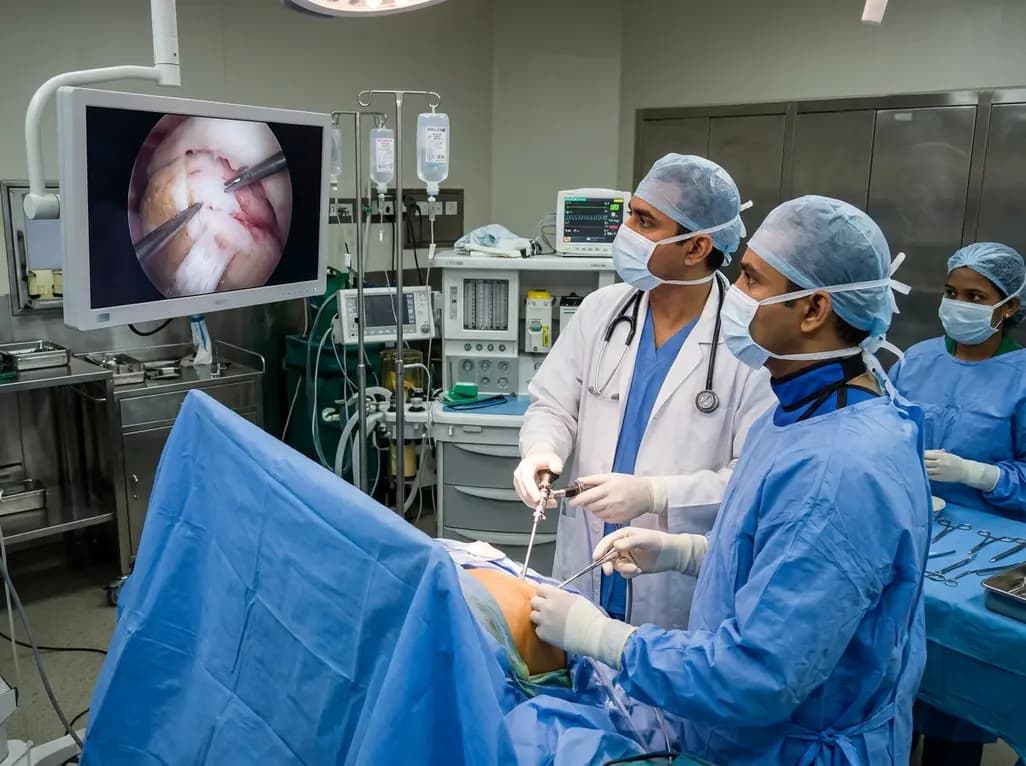
Discover how all-arthroscopic repair using a resorbable bioinductive bovine collagen implant offers a reproducible biologic solution for partial-thickness upper border subscapularis tears, enhancing healing while preserving native tendon architecture.
Today

A large-scale retrospective cohort study demonstrates that GLP-1 receptor agonists significantly reduce all-cause hospitalizations, alcohol-related admissions, major cardiovascular events, and mortality in patients with overweight or obesity and alcohol use disorder, providing profound clinical insights.
Today
