.webp&w=384&q=75)

Loading, please wait...
Loading, please wait...

Inflammatory bowel disease continues to rise dramatically worldwide and across India, creating substantial management challenges for clinicians and gastroenterologists. Modern therapeutic regimens focus heavily on biologicals and immunosuppressants, yet patients frequently experience adverse effects or partial remission. Consequently, medical interest has shifted toward targeted prebiotic interventions that restore intestinal mucosal health naturally. Recent investigative findings highlight the remarkable preventive efficacy of Sargassum dietary fiber when subjected to probiotic bioprocessing. Brown seaweeds from the Sargassum genus contain abundant soluble polysaccharides that display unique structural diversity. However, native macroalgal fibers often possess high molecular weights, which limits their biological activity and solubility in gastrointestinal transit. Fermenting these raw polysaccharides with Bifidobacterium longum effectively cleaves complex glycosidic linkages, generating highly bioactive oligosaccharides. This specialized fermentation amplifies the physiological benefits of the marine fiber, drastically boosting its free-radical scavenging capacity and anti-inflammatory properties. Thus, bioprocessed marine fibers act as potent functional foods capable of strengthening intestinal defenses before inflammatory cascades escalate. Incorporating these modified carbohydrates could significantly bolster ongoing strategies against chronic intestinal inflammation.
Macrophage hyperactivation represents a primary driver of tissue damage and oxidative stress during active colitis flares. Infiltration of pro-inflammatory macrophages into mucosal tissue prompts massive releases of damaging radicals and inflammatory cytokines. In vitro testing using lipopolysaccharide-stimulated RAW264.7 macrophages demonstrated that fermented Sargassum fiber decisively attenuates this detrimental response. The bioprocessed fiber decreased nitric oxide secretion by 16.98 to 23.04 percent. Moreover, it curbed reactive oxygen species accumulation by 65.30 to 81.28 percent. Furthermore, the fermented formulation stimulated critical cellular defense mechanisms, markedly increasing superoxide dismutase and catalase enzyme activities. Concurrently, levels of malondialdehyde, a destructive byproduct of lipid peroxidation, dropped substantially. Beyond providing antioxidant protection, the fermented fiber vigorously suppressed key pro-inflammatory mediators. These suppressed targets include prostaglandin E2, tumor necrosis factor alpha, interleukin-6, and interleukin-1 beta. Because these specific cytokines recruit aggressive immune cells and exacerbate mucosal ulceration, their suppression prevents uncontrolled tissue breakdown. Therefore, fermented marine fiber exerts direct cytoprotective and anti-inflammatory effects on innate immune cells. This action neutralizes reactive oxidants before they trigger widespread necrosis in colonic epithelium.
To evaluate physiological relevance, investigators administered the fermented fiber to C57BL/6 mice subjected to dextran sulfate sodium-induced colitis. Dextran sulfate sodium reliably provokes acute intestinal injury characterized by bloody diarrhea, epithelial erosion, and severe weight loss. However, preventive administration of the fermented soluble fiber markedly mitigated these destructive pathological changes. Mice receiving the fermented supplement preserved significantly higher body weights and displayed reduced clinical disease activity indexes. Gross pathological evaluations revealed that pre-treatment effectively prevented inflammatory colon shortening, preserving normal colonic length. Furthermore, histological analysis demonstrated that the fiber maintained crypt depth, reduced mucosal ulcerations, and protected goblet cells from severe depletion. At the molecular level, the intervention significantly boosted colonic antioxidant enzymes, notably superoxide dismutase, catalase, and glutathione peroxidase. This enhanced enzymatic defense resulted in sharp reductions in tissue malondialdehyde and nitric oxide concentrations. Consequently, the bioprocessed fiber shielded the delicate epithelial barrier from oxidative lipid degradation and subsequent bacterial transmigration. These impressive findings underscore the fiber's robust capacity to preserve structural architecture and maintain intestinal homeostasis during severe chemical challenges.
Profound microbial dysbiosis represents an established clinical characteristic of human inflammatory bowel disorders. Acute inflammation typically destabilizes the delicate balance of intestinal microflora, permitting opportunistic pathobionts to outcompete protective commensal organisms. In this study, 16S ribosomal RNA sequencing illustrated that fermented Sargassum fiber fundamentally reshapes the perturbed gut microbiome. Specifically, the pre-treatment induced marked enrichment of beneficial genera, including Faecalibaculum, Roseburia, and organisms belonging to the Incertae Sedis group. These bacterial populations perform indispensable functions in preserving epithelial homeostasis, producing vital postbiotic metabolites, and modulating mucosal immune tolerance. For instance, Roseburia species interact directly with host dendritic cells, encouraging regulatory T-cell differentiation and curbing systemic inflammatory responses. Simultaneously, the proliferation of these beneficial taxa suppresses pathogenic blooms. This action creates a self-sustaining competitive environment that impedes mucosal colonization by dangerous microbes. Moreover, diversifying these protective bacterial populations reinforces mucin production, strengthening the primary physical barrier against microbial antigens. Therefore, fermented dietary fiber functions as an effective prebiotic catalyst, guiding the colonic microbiome back toward functional equilibrium.
In addition to shifting bacterial taxonomy, fermented dietary fiber profoundly influences microbial metabolomics within the intestinal lumen. Gas chromatography-mass spectrometry confirmed substantial surges in the synthesis of volatile short-chain fatty acids following fiber supplementation. Specifically, the colonic concentrations of acetic acid, propionic acid, butyric acid, and valeric acid elevated significantly in treated cohorts. These microbial metabolites function as vital biochemical messengers between commensal flora and host intestinal tissues. Most notably, butyrate provides the primary energetic substrate for colonocytes, fueling rapid epithelial regeneration and tightening apical junctional complexes. Propionate and acetate circulate into local vasculature, binding specific G-protein coupled receptors on circulating immune cells to downregulate inflammatory cascades. Furthermore, the substantial accumulation of short-chain fatty acids reduces luminal pH, suppressing pathogenic bacterial proliferation. Valeric acid also contributes to tissue healing by suppressing histone deacetylases and promoting cellular differentiation. In clinical nutrition, harnessing such bioprocessed marine fibers offers an exciting adjunctive avenue alongside conventional pharmacotherapies. Thus, enhanced metabolic output driven by fermented Sargassum fiber directly orchestrates tissue repair and dampens colonic hyperreactivity.
Bifidobacterium longum fermentation breaks down complex polysaccharides into readily bioavailable fragments. Consequently, this biochemical process enhances the antioxidant properties of the fiber. The fermented substrate downregulates macrophage activity, attenuating nitric oxide and reactive oxygen species generation. Furthermore, the structural degradation liberates functional oligosaccharides that nourish beneficial commensal flora. Therefore, fermentation transforms inert seaweed components into an active, protective synbiotic matrix capable of neutralizing intestinal mucosal injury effectively.
Currently, marine prebiotics cannot replace standard pharmacotherapies like biologics, immunomodulators, or 5-aminosalicylates in clinical practice. Instead, clinicians view these compounds as promising adjunctive options. Prebiotic fibers strengthen mucosal barrier integrity, reduce oxidative tissue injury, and support sustained clinical remission. Consequently, incorporating targeted fibers could potentially lower reliance on high steroid doses. However, gastroenterologists require standardized human clinical trials before recommending specific marine fiber regimens for therapeutic maintenance.
Short-chain fatty acids, particularly butyrate, serve as the primary fuel source for colonic epithelial colonocytes. Moreover, butyrate enhances the expression of tight junction proteins, thereby preventing pathologic bacterial translocation into mucosal layers. It also exerts robust anti-inflammatory effects by inhibiting histone deacetylases and suppressing inflammatory NF-kB pathways. Consequently, elevated butyrate levels foster mucosal regeneration, attenuate mucosal ulceration, and accelerate clinical resolution during acute colonic inflammation episodes.
Disclaimer: This content is for informational and educational purposes only... Refer to the latest local and national guidelines for clinical practice.
References
Cai H et al. Sargassum soluble dietary fiber alleviates oxidative stress and gut microbiota dysbiosis to prevent inflammatory bowel disease in C57BL/6 mice. J Sci Food Agric. 2026 Oct 14. doi: 10.1002/jsfa.71167. PMID: 42870775.
Yao S, Zhao Z, Wang W, Liu X. Bifidobacterium Longum: Protection against Inflammatory Bowel Disease. J Immunol Res. 2021;2021:8030297.
Chen H, Nie Q, Hu J, et al. Beneficial effects of seaweed-derived components on metabolic syndrome via gut microbiota modulation. Front Nutr. 2023;10:1173225.

Read summarized clinical updates, watch expert medical content, and earn CME certifications right from your smartphone.
Open your smartphone camera to scan and install.





A novel study demonstrates that Bifidobacterium longum-fermented Sargassum dietary fiber suppresses oxidative stress, lowers pro-inflammatory cytokines, enriches beneficial gut microbes, and stimulates short-chain fatty acids, presenting a viable nutritional strategy against inflammatory bowel disease.
Today
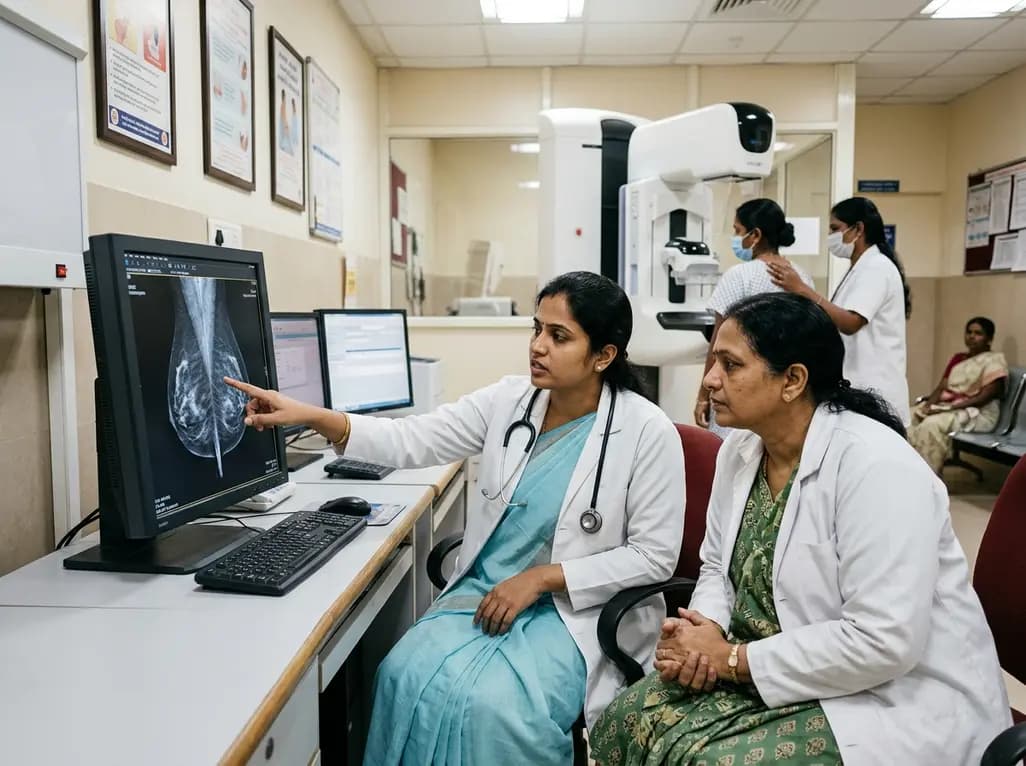
India faces an escalating breast cancer burden marked by late diagnosis and elevated mortality. Shifting from reliance on physical exams to an organized, AI-assisted mammography screening protocol can detect malignancies early, bridge urban-rural disparities, and improve patient survival outcomes across the nation.
Today
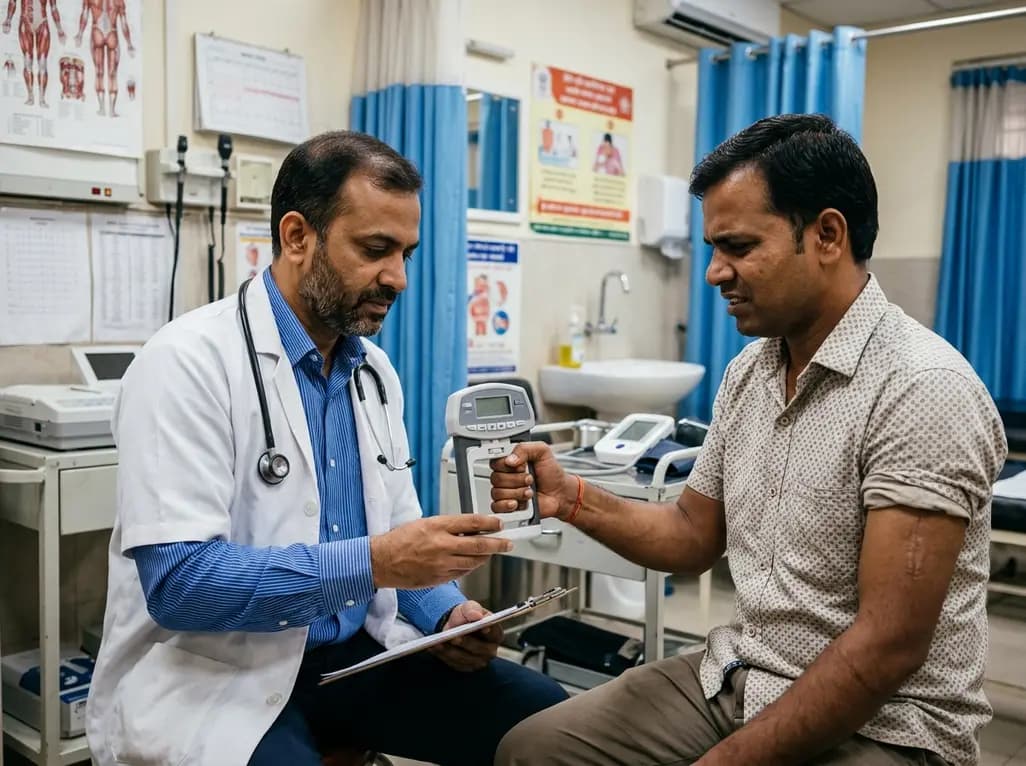
A retrospective study reveals that adults with congenital heart disease have significant deficits in peripheral muscle mass and handgrip strength compared to healthy peers. Greater lesion complexity exacerbates muscle loss, demonstrating the need for comprehensive nutritional and muscular assessments beyond standard BMI.
Today

The state government is deploying helicopter emergency medical services across the Mumbai-Pune Expressway, Samruddhi Mahamarg, and Mumbai-Goa Highway. This initiative establishes unified standard operating procedures to enable rapid triage, advanced prehospital resuscitation, and seamless trauma care transfers.
Today

A systematic review of 66 preclinical studies reveals that GLP-1 mono-agonists modulate central reward processing. These findings demonstrate significant reductions in palatable food intake, substance self-administration, and compulsive behaviors, offering novel neurobiological targets for neuropsychiatry.
Today
