.webp&w=384&q=75)

Loading, please wait...
Loading, please wait...

Cardiologists and internists frequently monitor structural hemodynamics in congenital cardiac survivors. However, clinicians often overlook skeletal muscle status during routine clinical evaluations. A groundbreaking cross-sectional study demonstrates that evaluating muscle strength in CHD provides critical prognostic insights beyond traditional anthropometry. Historically, physicians relied primarily on body mass index to gauge nutritional health. Yet, standard weight metrics frequently obscure covert sarcopenia and skeletal depletion in this growing population.
Consequently, patients with repaired or palliated defects often endure unrecognized functional limitations. Chronic hypoxemia, low cardiac output, neurohormonal activation, and physical deconditioning collectively diminish peripheral muscle integrity. Furthermore, subclinical systemic inflammation accelerates catabolic breakdown over decades. Therefore, relying exclusively on body mass index provides an incomplete clinical picture. When clinicians overlook skeletal integrity, they miss early opportunities to prevent functional decline. Objective peripheral measurements enable multidisciplinary heart teams to detect somatic depletion early and deliver timely interventions.
The investigation evaluated 109 hospitalized adults with congenital heart lesions alongside 115 non-CHD control subjects. Investigators systematically measured mid-upper arm circumference, triceps skinfold thickness, and mid-arm muscle circumference. In addition, they calculated arm muscle area, corrected arm muscle area, and measured handgrip dynamometry. The researchers categorized structural lesions into mild, moderate, or complex classifications to analyze anatomic associations.
Remarkably, adults living with congenital anomalies demonstrated markedly lower body weight, height, body mass index, and upper-arm circumference than controls. Handgrip dynamometry values and mid-arm muscle circumference were also significantly diminished among cardiac patients. Interestingly, triceps skinfold thickness remained comparable between cohorts, highlighting that adiposity reserves were preserved while lean mass declined. Thus, standard weight scales easily conceal skeletal muscle wasting. Moreover, subnormal values for muscle circumference and grip strength occurred far more frequently in the cardiac cohort, confirming that muscular wasting represents an independent pathological entity.
Lesion complexity emerged as a decisive determinant of peripheral muscular wasting in multivariable linear regression analyses. Specifically, participants with complex congenital lesions exhibited significantly reduced mid-arm muscle circumference compared to those with simple anomalies. Patients with complex conditions lost an average of 2.44 centimeters in mid-arm muscle circumference. Hence, profound structural alterations directly compromise peripheral lean tissue preservation.
Conversely, previous cardiac surgery correlated with higher body mass index, arm circumference, and muscle area. This observation suggests that surgical correction establishes more favorable long-term hemodynamics. When corrective interventions successfully relieve intracardiac shunting or outflow obstruction, tissue oxygen delivery improves substantially. Better systemic perfusion fosters improved physical recovery, enhanced appetite, and progressive somatic tissue accretion. Nevertheless, complex anatomy continues to impose persistent metabolic vulnerability. Therefore, clinicians must stratify nutritional risk according to defect severity and surgical history to design targeted rehabilitation programs.
Multiple converging mechanisms drive skeletal muscle deterioration in adult congenital heart survivors. First, sustained neurohormonal activation promotes widespread catabolism, accelerating myofibrillar protein breakdown. Elevated circulating cytokines, including tumor necrosis factor-alpha and interleukin-6, disrupt normal protein synthesis pathways. Meanwhile, impaired microvascular perfusion diminishes oxygen extraction in peripheral muscle beds during daily exertion.
Additionally, prolonged sedentary habits intensify disuse atrophy across the life course. Many individuals received unwarranted physical activity restrictions during childhood due to historical overprotection. As a consequence, these patients developed chronic exercise avoidance and reduced motor efficiency. Mitochondrial dysfunction in peripheral myocytes further impairs oxidative metabolism, resulting in early anaerobic threshold onset. Furthermore, subclinical gut congestion frequently compromises macronutrient assimilation. Consequently, chronic energy deficits perpetuate lean tissue loss even when caloric intake appears adequate.
Implementing routine muscle evaluations in outpatient cardiology clinics requires minimal resources and inexpensive equipment. Clinicians can rapidly calculate mid-arm muscle circumference using a standard non-elastic tape and skinfold caliper. Furthermore, digital handgrip dynamometry offers a validated bedside surrogate for generalized muscular strength and physical frailty. These low-cost functional markers provide superior prognostic information compared to routine weight assessments alone.
Accordingly, heart centers should incorporate standardized muscular screenings during annual reviews of adults with congenital anomalies. When measurements uncover low muscle reserves, clinicians must promptly refer patients to specialized cardiac rehabilitation. Structured exercise programs combining aerobic conditioning with progressive resistance training effectively stimulate myofibrillar hypertrophy. Simultaneously, registered clinical dietitians must optimize high-biological-value protein intake and correct micronutrient insufficiencies, such as vitamin D deficiency. Proactive muscular surveillance transforms routine monitoring into actionable preventive cardiology.
Optimal outcomes in adult congenital cardiology demand an integrated, multidisciplinary team approach. Cardiologists must collaborate closely with physiotherapists, sports physicians, endocrinologists, and specialized nutritionists. Routine clinical reviews must extend beyond echocardiographic chamber dimensions and valvular gradients to evaluate real-world functional capacity. Therefore, clinicians should routinely track objective physical endurance through six-minute walk tests or cardiopulmonary exercise testing alongside anthropometry.
Moreover, educating patients regarding the safety and necessity of habitual physical activity remains essential. Clinicians must actively dismantle outdated dogmas that restrict recreational movement in asymptomatic, repaired patients. Tailored, symptom-limited exercise regimens build muscular reserve without triggering adverse hemodynamic events. Furthermore, metabolic monitoring should evaluate thyroid status and insulin sensitivity, as endocrine imbalances accelerate muscle wasting. Ultimately, preserving skeletal integrity enhances functional independence, reduces hospital readmissions, and significantly elevates health-related quality of life.
Body mass index fails to distinguish lean skeletal muscle from adipose tissue or subclinical fluid accumulation. Adults with congenital defects often exhibit preserved adipose stores or peripheral edema despite severe peripheral myofibrillar wasting. Consequently, a normal body mass index can mask advanced sarcopenia and occult functional frailty. Measuring mid-arm muscle circumference alongside handgrip strength unmasks genuine somatic depletion, allowing clinicians to identify vulnerable patients who require targeted nutritional supplementation and structured muscle rehabilitation.
Complex congenital anomalies induce chronic neurohormonal excitation, prolonged hypoxemia, and lower systemic cardiac output, which severely limit peripheral tissue perfusion. Additionally, recurrent hospitalizations, extensive surgical re-interventions, and historical activity proscriptions promote severe disuse atrophy. Furthermore, systemic inflammatory cytokines disrupt myofibrillar protein synthesis and impair mitochondrial cellular bioenergetics. Together, these compounding physiological stressors systematically deplete peripheral muscle stores, leaving individuals with complex defects at substantially higher risk of premature functional frailty and muscle depletion.
Clinicians should prescribe tailored, supervised exercise programs that integrate moderate aerobic conditioning with progressive resistance training. Resistance exercises safely stimulate muscular protein hypertrophy without compromising hemodynamic stability. Concurrently, clinicians must engage clinical nutritionists to ensure an adequate intake of high-quality protein and correct micronutrient deficits like hypovitaminosis D. Regular follow-up with handgrip dynamometry and anthropometry helps monitor recovery, ensuring sustained functional improvement, improved cardiometabolic resilience, and enhanced independence in daily activities.
Disclaimer: This content is for informational and educational purposes only... Refer to the latest local and national guidelines for clinical practice.
References
de Sousa HRP et al. Beyond conventional anthropometry: Muscle-related indicators and muscle strength in adults with congenital heart disease: A retrospective study with a comparison group. Nutr Clin Pract. 2026 Oct 14. doi: 10.1002/ncp.70194. PMID: 42870770.
Moons P, Bovijn J, Budts W, Belmans A, Luermans JG. Muscle function in adults with congenital heart disease. Int J Cardiol. 2014;172(2):e355-e357.
Carbone S, Billingsley HE, Rodriguez-Miguelez P, et al. Lean Mass Abnormalities in Heart Failure: The Role of Sarcopenia, Sarcopenic Obesity, and Cachexia. Curr Probl Cardiol. 2020;45(11):100417.

Read summarized clinical updates, watch expert medical content, and earn CME certifications right from your smartphone.
Open your smartphone camera to scan and install.





A retrospective study reveals that adults with congenital heart disease have significant deficits in peripheral muscle mass and handgrip strength compared to healthy peers. Greater lesion complexity exacerbates muscle loss, demonstrating the need for comprehensive nutritional and muscular assessments beyond standard BMI.
Today
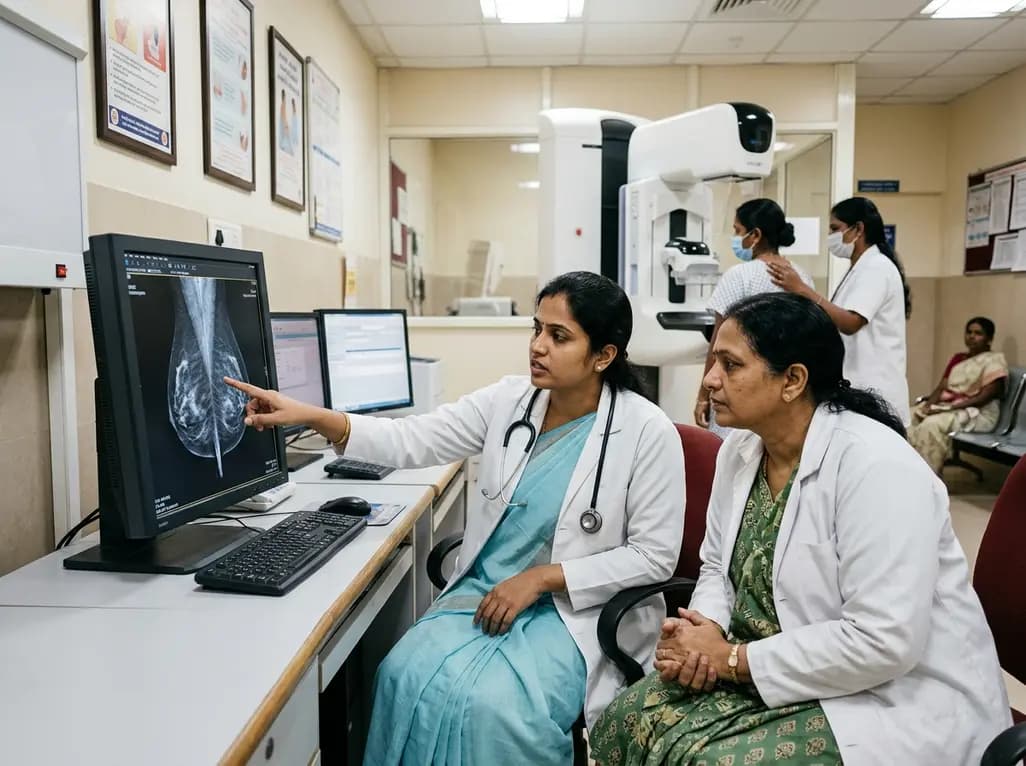
India faces an escalating breast cancer burden marked by late diagnosis and elevated mortality. Shifting from reliance on physical exams to an organized, AI-assisted mammography screening protocol can detect malignancies early, bridge urban-rural disparities, and improve patient survival outcomes across the nation.
Today
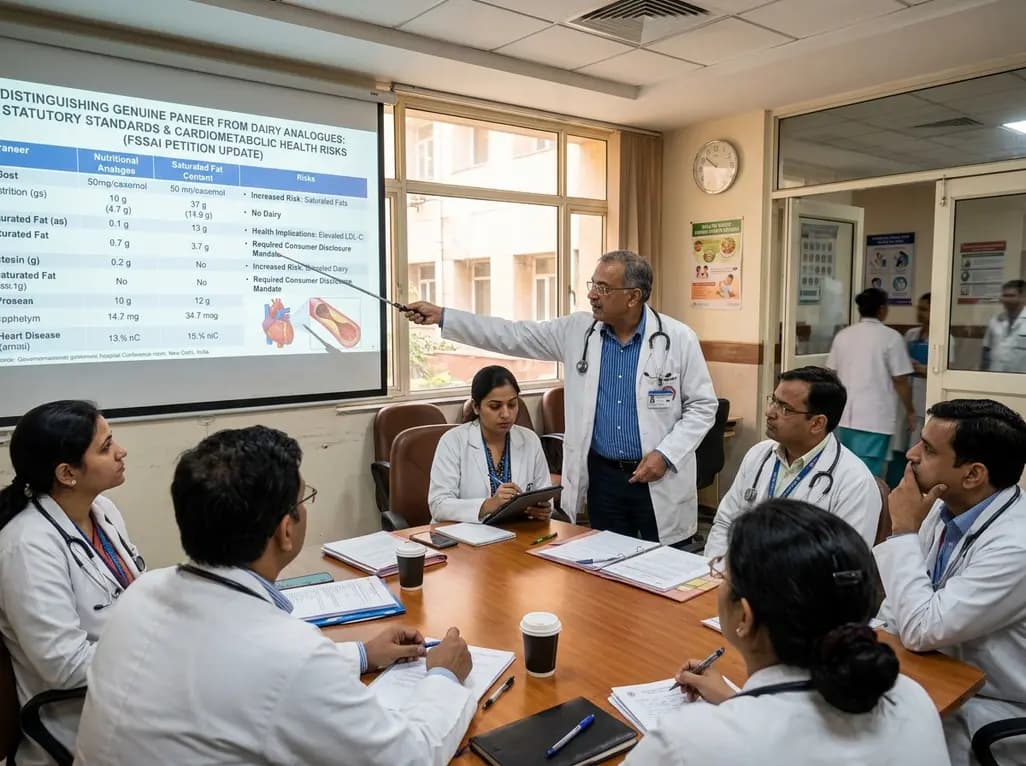
The Delhi High Court has directed the FSSAI and Centre to address petitions regarding dairy analogue products sold as genuine paneer. Learn about the statutory standards, nutritional differences, cardiometabolic health risks, and required consumer disclosure mandates in eateries across India.
Today

The state government is deploying helicopter emergency medical services across the Mumbai-Pune Expressway, Samruddhi Mahamarg, and Mumbai-Goa Highway. This initiative establishes unified standard operating procedures to enable rapid triage, advanced prehospital resuscitation, and seamless trauma care transfers.
Today
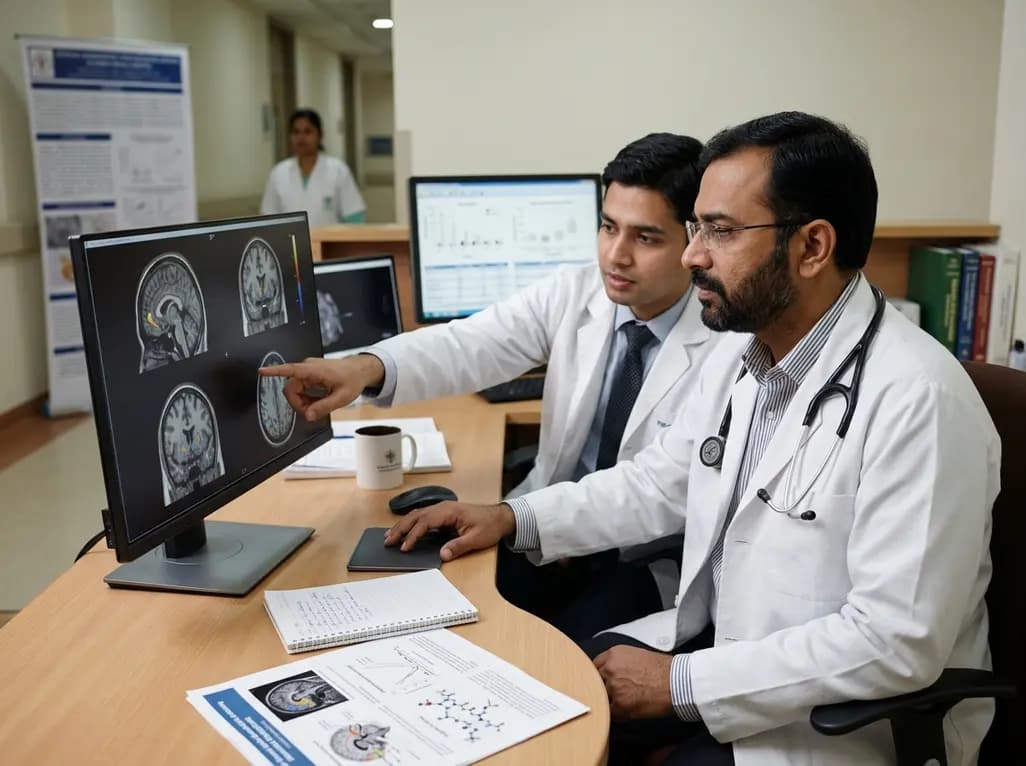
A systematic review of 66 preclinical studies reveals that GLP-1 mono-agonists modulate central reward processing. These findings demonstrate significant reductions in palatable food intake, substance self-administration, and compulsive behaviors, offering novel neurobiological targets for neuropsychiatry.
Today
