.webp&w=384&q=75)

Loading, please wait...
Loading, please wait...
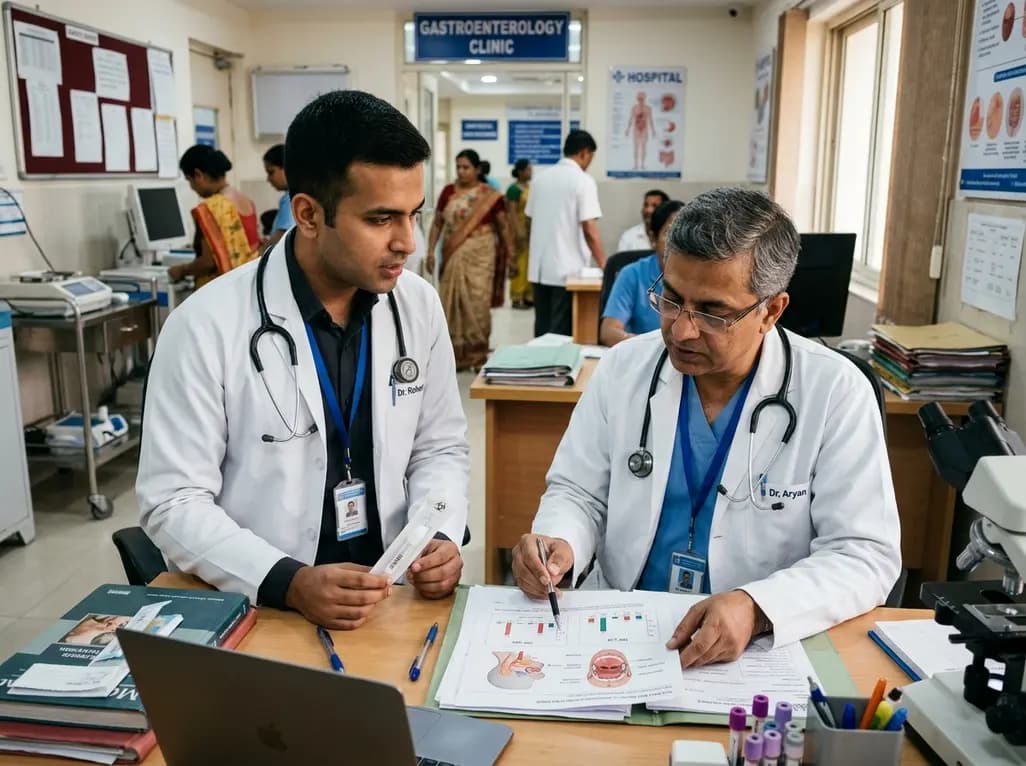
Evaluating systemic inflammatory conditions through non-invasive matrices represents a major advancement in modern clinical medicine. In gastroenterology and dental medicine, analyzing salivary cytokines crohn's disease biomarkers offers unique diagnostic potential. Crohn's disease is a chronic transmural inflammatory disorder of the gastrointestinal tract that frequently exhibits extraintestinal manifestations. Because the oral cavity forms the anatomical beginning of the digestive tract, systemic immune dysregulation often directly impacts oral mucosal immunity. Consequently, detecting molecular alterations in unstimulated saliva provides clinicians with valuable non-invasive surrogate indicators. Recent cross-sectional investigations demonstrate that systemic bowel inflammation alters local oral cytokine profiles independently of classical oral pathology. Researchers systematically assessed multiple inflammatory mediators in outpatients with Crohn's disease to determine whether systemic inflammation specifically modifies salivary microenvironments. This research highlights how mucosal immunity operates across anatomical boundaries. Moreover, understanding these biomarker alterations helps healthcare professionals better evaluate the mucosal barrier and monitor subclinical systemic flare-ups without relying solely on invasive endoscopic procedures.
Inflammatory bowel diseases involve persistent activation of both innate and adaptive immune responses. When evaluating salivary cytokines crohn's disease pathways, researchers measure broad panels of pro-inflammatory and immunomodulatory mediators. A multiplex bead-based assay measured unstimulated whole saliva from Crohn's disease outpatients and healthy control individuals. The study evaluated critical signaling proteins including interleukin-1 beta, interleukin-4, interleukin-6, interleukin-10, interleukin-12p70, interleukin-17 variants, interferon-gamma, and tumor necrosis factor-alpha. The comparative analysis demonstrated significant elevations in specific key molecules among Crohn's disease patients. Specifically, tumor necrosis factor-alpha, interleukin-10, and interleukin-12p70 were significantly higher in the Crohn's disease group compared to healthy controls. Tumor necrosis factor-alpha plays a paramount role in propagating gut mucosal damage and intestinal epithelial barrier failure. Furthermore, interleukin-12p70 promotes helper T-cell type 1 differentiation, which directly drives chronic granulomatous inflammation. Conversely, elevated interleukin-10 reflects a compensatory anti-inflammatory counter-response aimed at dampening systemic hyper-reactivity. Consequently, these concurrent elevations highlight an active local immune balance reflecting systemic disease processes.
The relationship between periodontal health and inflammatory bowel disease remains a central topic of clinical research. Periodontitis is a chronic destructive inflammatory condition of the tooth-supporting tissues, driven by dysbiotic oral microflora. Because local periodontal tissue destruction generates robust local cytokine responses, establishing whether salivary biomarker shifts stem from oral disease or systemic Crohn's disease is vital. In this study, participants underwent comprehensive periodontal examinations alongside medical evaluations to account for confounding oral pathology. Interestingly, while periodontal inflammation elevated local tissue destruction indices, elevated salivary levels of tumor necrosis factor-alpha and interleukin-10 persisted in Crohn's disease patients regardless of periodontal status. This finding indicates that systemic immune dysregulation in Crohn's disease directly influences salivary gland secretion and oral mucosal transudate. Therefore, salivary cytokine profiling reflects systemic pathological activity rather than local periodontal pathology alone. Clinicians must recognize that oral secretions actively record systemic biological signaling. Consequently, integrating dental screening into gastroenterology practices allows comprehensive assessment of mucosal health.
Managing Crohn's disease currently requires serial blood tests, stool calprotectin measurements, and invasive endoscopic procedures with mucosal biopsies. Although ileocolonoscopy remains the gold standard for assessing mucosal healing, frequent endoscopic monitoring poses patient discomfort and healthcare burdens. Non-invasive biomarkers derived from saliva offer an appealing supplementary tool for longitudinal patient monitoring. Unstimulated saliva collection is completely pain-free, simple, and easily repeatable in outpatient clinical settings. Elevated tumor necrosis factor-alpha and interleukin-12p70 in saliva mirror the systemic biological pathways targeted by advanced biological therapies, such as anti-TNF agents and IL-12/23 inhibitors. Detecting elevated salivary concentrations may help clinicians monitor therapeutic responses or predict early disease relapse before severe mucosal damage occurs. Additionally, elevated anti-inflammatory interleukin-10 levels provide biological context regarding the host's innate compensatory mechanisms during clinical disease activity. Thus, establishing validated salivary cytokine reference ranges could transform routine monitoring protocols for gastroenterologists and general practitioners.
The anatomical and physiological continuity between the oral cavity and the gastrointestinal tract establishes the oral-gut axis. Dysbiosis in the gut microbiome frequently coincides with alterations in oral microbial communities and local salivary composition. Immune cells activated in gut-associated lymphoid tissue can migrate to oral mucosal tissues through systemic circulatory pathways. Additionally, salivary glands receive dense vascular supply, allowing systemic inflammatory mediators to cross into salivary secretions. Tumor necrosis factor-alpha disrupts endothelial and epithelial tight junctions, facilitating increased biomarker transudation into whole saliva. Meanwhile, interleukin-12p70 production by mucosal dendritic cells perpetuates local Th1 lymphocyte responses within oral tissues. Consequently, the salivary gland microenvironment acts as a biological mirror reflecting systemic intestinal inflammation. Understanding this immunological crosstalk provides compelling rationale for joint management strategies between gastroenterologists and dental professionals. By addressing both oral microbial health and gut inflammation, clinicians can optimize overall patient outcomes.
Translating salivary cytokine findings into standard diagnostic workflows requires prospective multicenter validation. While multiplex bead-based assays offer exceptional sensitivity, point-of-care testing kits are essential for rapid clinical adoption. Developing chairside salivary diagnostic strips could allow immediate quantification of inflammatory mediators during routine outpatient visits. Furthermore, future studies must evaluate how targeted biological therapies, such as anti-TNF monoclonal antibodies, modify salivary cytokine trajectories over extended treatment periods. Standardizing saliva collection protocols, including controlling for diurnal variation and dietary intake, will improve diagnostic reliability. Clinicians should view salivary diagnostics as complementary to established fecal and serum markers rather than complete replacements. Integrating salivary cytokine testing with oral health assessments fosters multidisciplinary care paradigms for inflammatory bowel disease patients. Ultimately, routine monitoring of salivary inflammatory markers promises to enhance personalized treatment strategies and improve quality of life for individuals with Crohn's disease.
Salivary cytokines reflect systemic immunological activity in Crohn's disease. Key inflammatory mediators like tumor necrosis factor-alpha and interleukin-12p70 are elevated during active gut inflammation, corresponding with increased systemic cytokine production. Furthermore, anti-inflammatory molecules such as interleukin-10 increase as a compensatory mechanism. Although salivary concentrations do not replace endoscopic evaluations, elevated cytokine levels strongly correlate with mucosal immune activation, making saliva a valuable non-invasive tool for tracking subclinical disease activity.
Yes, periodontal disease independently increases local salivary cytokine concentrations due to active periodontal tissue destruction. However, research demonstrates that elevated tumor necrosis factor-alpha and interleukin-10 remain significantly higher in Crohn's disease patients even after controlling for periodontal parameters. This confirms that systemic Crohn's disease contributes directly to salivary cytokine changes. Clinicians should evaluate both oral health status and systemic inflammatory markers to ensure accurate clinical interpretation.
Salivary testing offers a painless, non-invasive, and easily repeatable method for monitoring inflammatory biomarkers in Crohn's disease outpatients. Unlike invasive endoscopies or venipunctures, saliva collection requires no specialized equipment or patient discomfort. It enables frequent biological sampling to monitor disease progression, evaluate therapeutic response to biological drugs, and detect early subclinical inflammatory relapses. Consequently, salivary diagnostic tools enhance patient compliance and support personalized, multidisciplinary clinical management strategies.
Disclaimer: This content is for informational and educational purposes only and does not constitute medical advice, diagnosis, or treatment. Refer to the latest local and national guidelines for clinical practice.
References

Read summarized clinical updates, watch expert medical content, and earn CME certifications right from your smartphone.
Open your smartphone camera to scan and install.





Salivary cytokine profiling reveals elevated TNF-alpha and IL-10 levels in Crohn's disease patients, opening non-invasive diagnostic avenues and highlighting the oral-gut axis.
last month
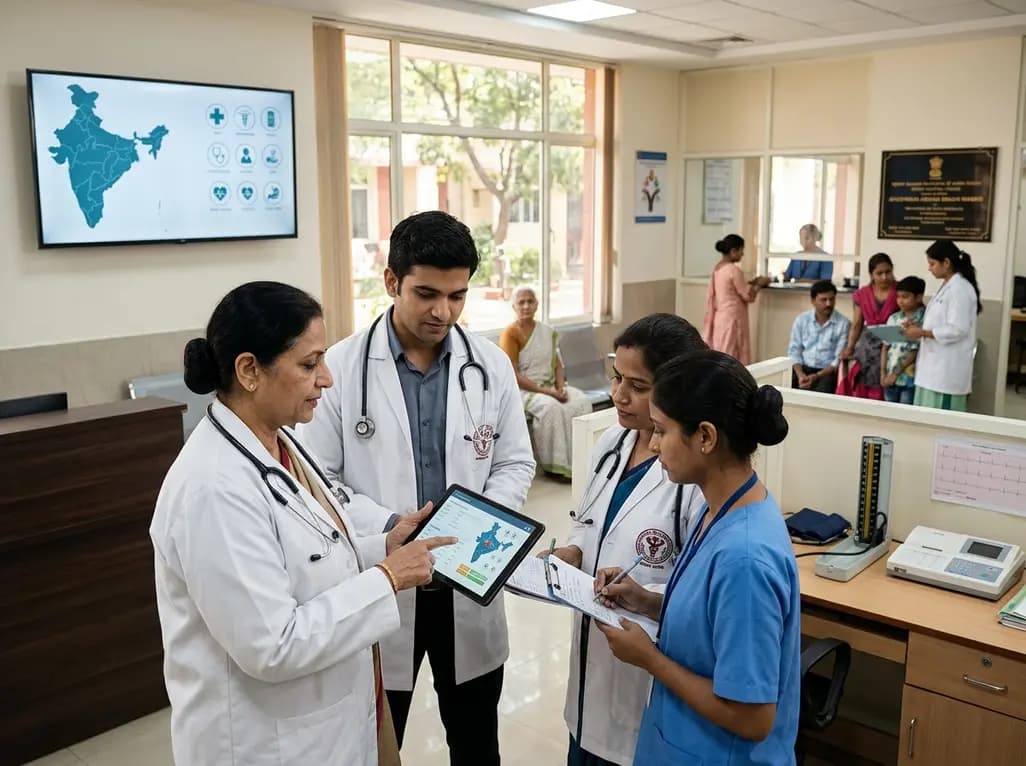
At UNGA81, India demonstrated transformative public health achievements, showcasing over 1.8 lakh Ayushman Arogya Mandirs, 900 million ABHA IDs, extensive viral hepatitis screening, and the National Sickle Cell Anaemia Elimination Mission, reinforcing its global leadership in equitable and accessible healthcare delivery.
Today
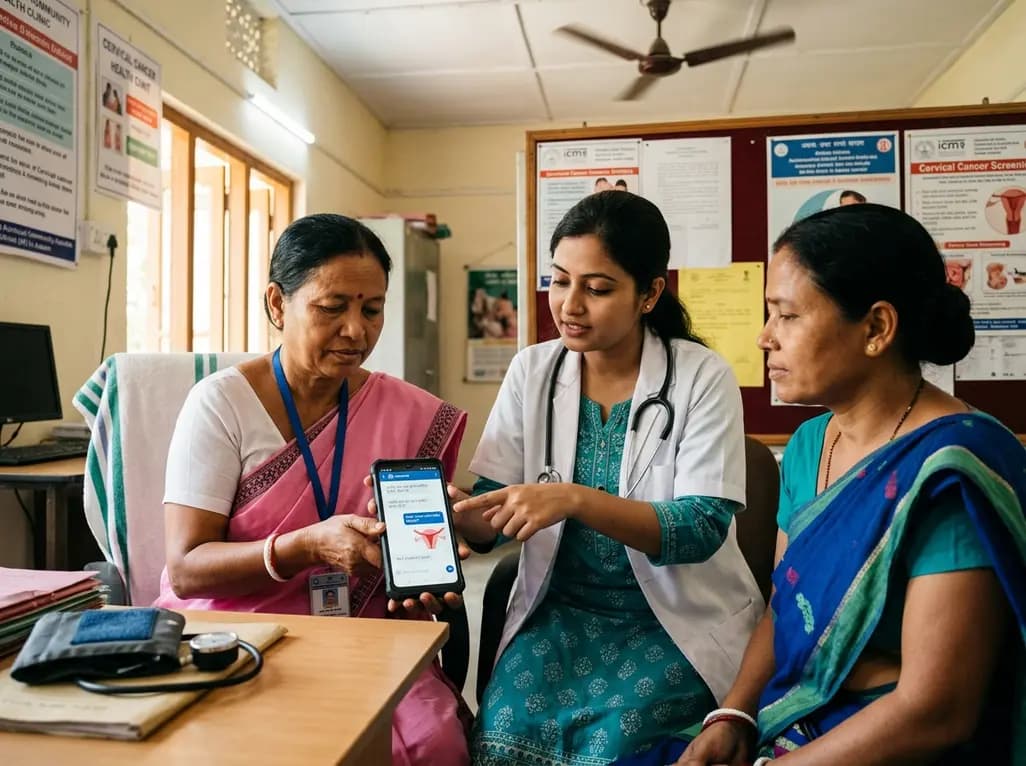
Accredited Social Health Activists in Assam are co-designing an ICMR-backed multilingual voice chatbot and AI training platform. The initiative addresses community barriers, improves visual inspection counselling, and empowers frontline workers to boost early detection of precancerous cervical lesions.
Today
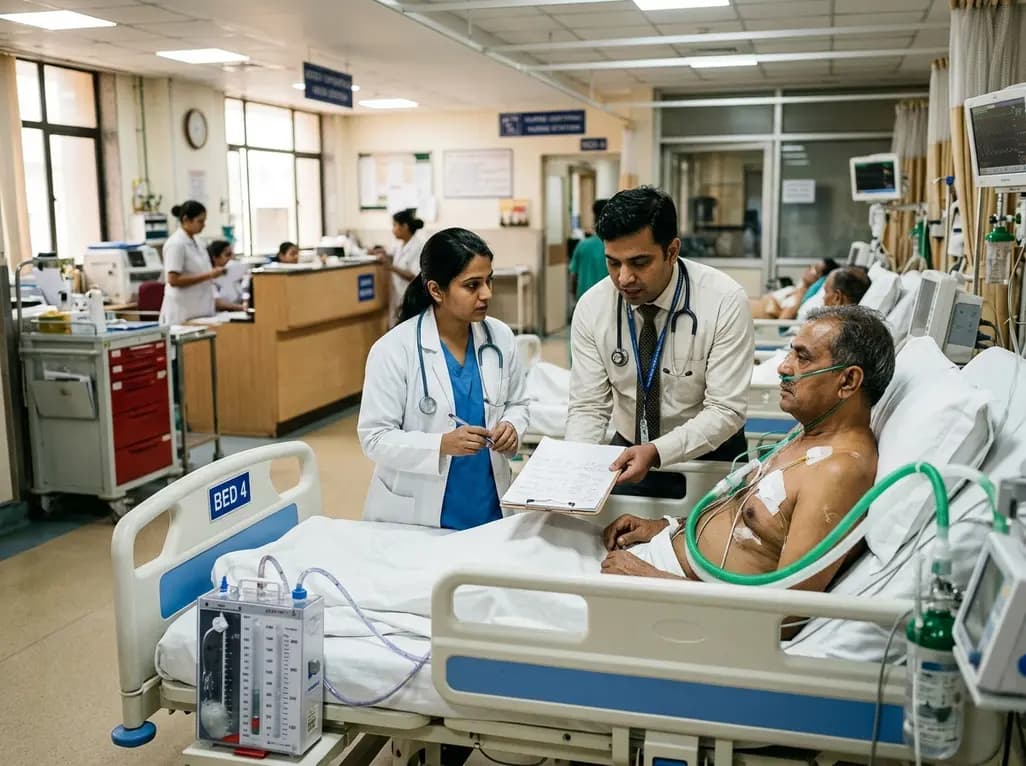
Managing refractory hypoxemia after cardiothoracic surgery becomes perilous when prolonged air leak limits positive-pressure ventilation. This case-based review details how high-flow nasal cannula, paired with awake rehabilitation, enabled successful extubation and avoided invasive re-intubation.
Today
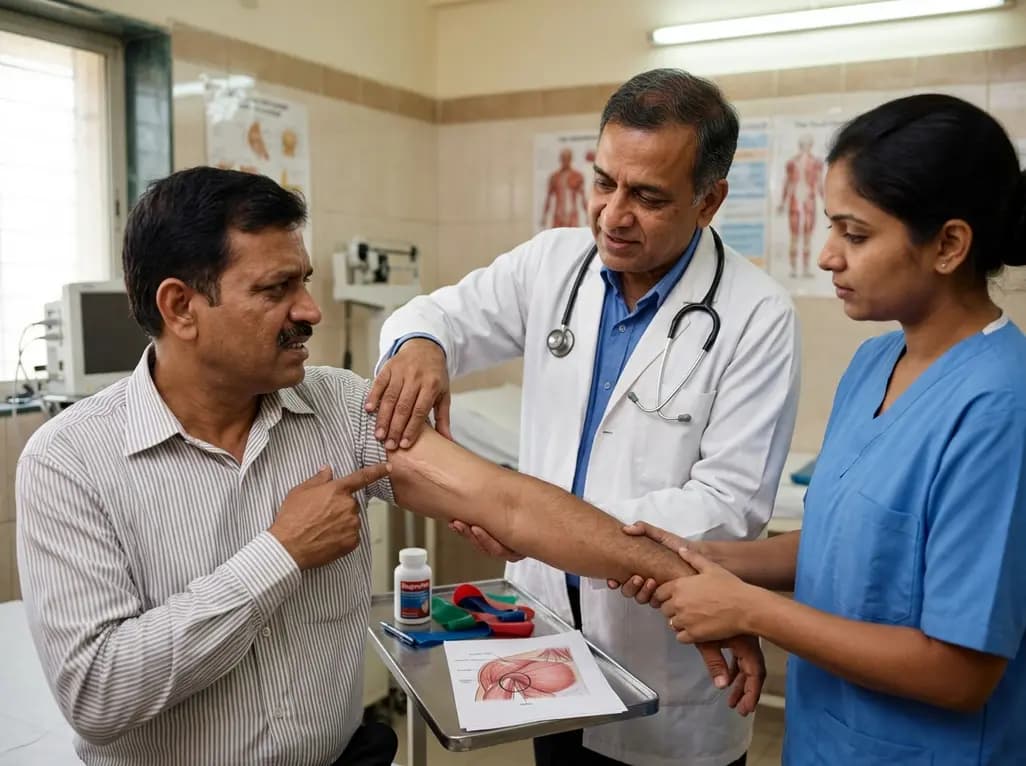
Idiopathic axillary web syndrome (IAWS) is a rare cause of shoulder pain and mobility restriction characterized by palpable axillary cording without prior surgery or trauma. Early diagnosis, nonsteroidal anti-inflammatory therapy, and physical rehabilitation lead to complete resolution of symptoms.
Today
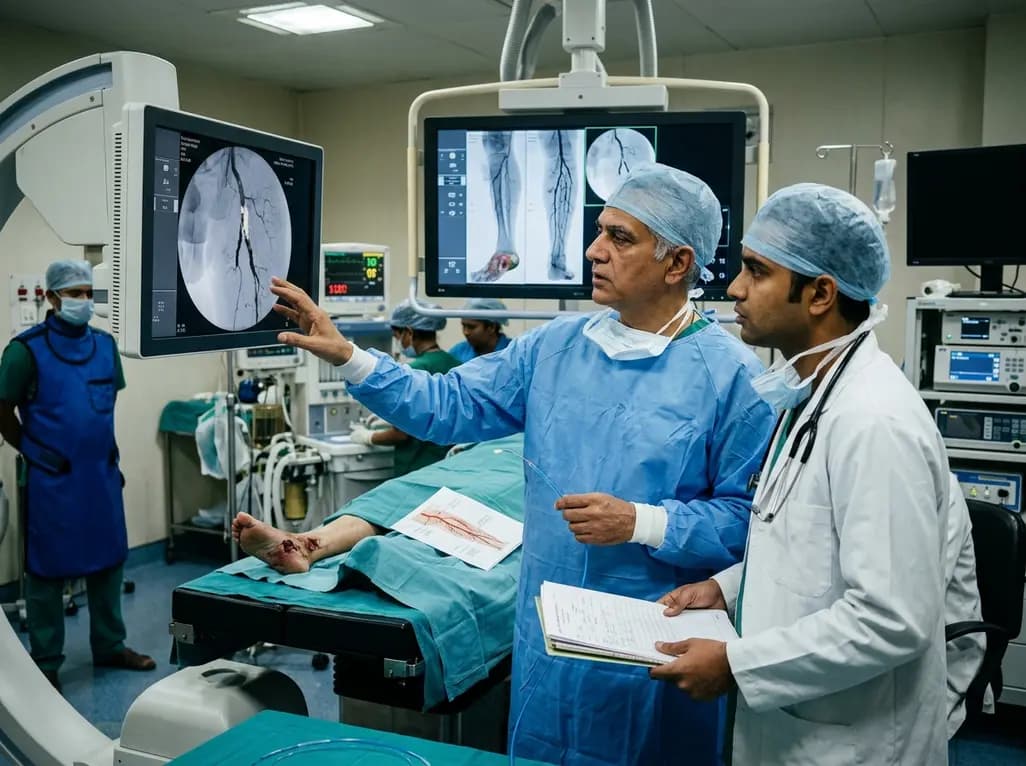
SWEDEPAD-1 trial insights show paclitaxel-coated devices do not improve long-term limb salvage in patients with chronic limb-threatening ischemia and tissue loss. While one-year reinterventions decreased, the devices were linked to a higher risk of major amputation at three months.
Today
