.webp&w=384&q=75)

Loading, please wait...
Loading, please wait...

A comprehensive spatial analysis published in 2026 highlights critical safe water access inequities across sub-Saharan Africa. The study, which analyzed data from over 500,000 households in 34 countries, reveals that 58% of the population still relies on unimproved water sources. These sources, including unprotected wells and springs, significantly increase the risk of waterborne diseases such as cholera, typhoid, and various diarrheal illnesses. This high level of reliance continues to undermine progress toward the United Nations’ Sustainable Development Goal 6 (SDG 6), which aims for universal access to safe water by 2030.
Researchers utilized Geographically Weighted Regression (GWR) to identify specific regional clusters where water insecurity is most severe. Significant spatial clustering was detected, with countries like Ethiopia, Nigeria, and the Democratic Republic of the Congo showing prominent \"hotspots\" of unimproved water use. Furthermore, the findings indicate a stark rural-urban divide, with rural households being disproportionately affected. Factors such as lower maternal education, lack of media exposure, and low household wealth were strongly associated with a higher likelihood of utilizing unsafe water sources. Moreover, larger household sizes were often linked to increased water insecurity in certain geographic regions.
For healthcare providers and public health officials, understanding these safe water access inequities is essential for predicting and preventing disease outbreaks. Improved water, sanitation, and hygiene (WASH) interventions must be geographically targeted to be most effective. Clinics operating in high-risk zones should prioritize patient education regarding point-of-use water treatment and hygiene practices. Additionally, the study suggests that socio-economic empowerment and infrastructure development in rural areas are necessary to bridge the current gaps. By addressing these disparities, the global health community can significantly reduce the burden of preventable waterborne infections.
The study identified significant clusters in sub-Saharan Africa, with countries like Ethiopia and parts of Western Africa showing the highest prevalence of unimproved water source use, particularly in rural zones.
Data suggest that higher levels of women’s education are strongly linked to improved household water choices. Education often leads to better awareness of the health risks associated with contaminated water sources.
Reliance on unimproved sources exposes populations to pathogens that cause cholera, typhoid fever, and dysentery, which are major contributors to infant and child mortality worldwide.
Disclaimer: This content is for informational and educational purposes only. It does not constitute professional medical advice, diagnosis, or treatment. Refer to the latest local and national guidelines for clinical practice.
References

Read summarized clinical updates, watch expert medical content, and earn CME certifications right from your smartphone.
Open your smartphone camera to scan and install.





Study maps sub-Saharan African water inequities, showing 58% use unimproved sources, highlighting the need for targeted WASH interventions....
8 months ago
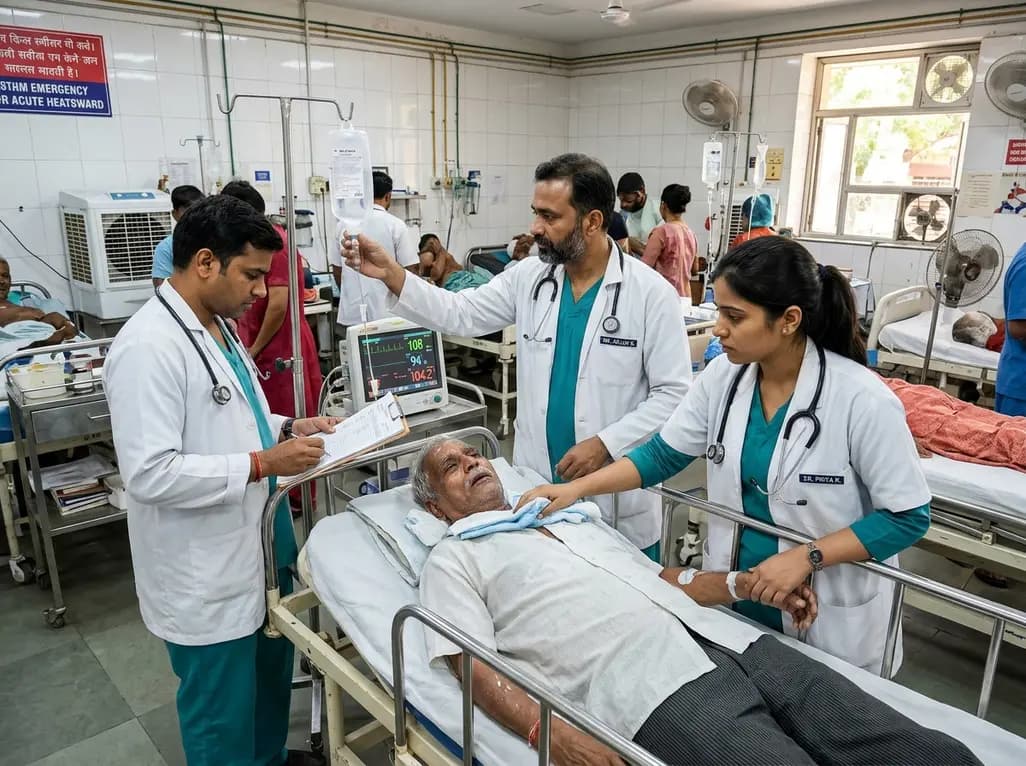
Recent epidemiological data reveals a dramatic surge in summer heat mortality driven by human-induced climate warming. This analysis explores the pathophysiological impacts on cardiac and renal systems, diagnostic dilemmas in death certification, and essential emergency cooling protocols for acute clinical care.
Today
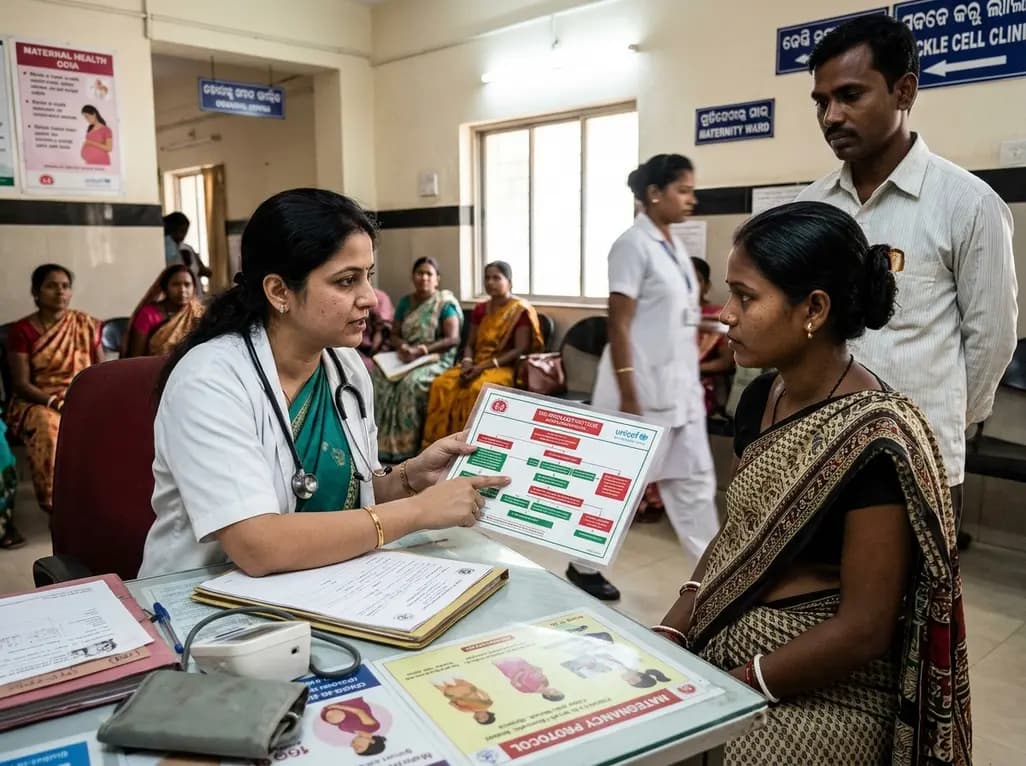
Odisha has established India's first state-level clinical protocol specifically tailored for pregnant women with sickle cell disease. Developed with NHM and UNICEF, the framework provides structured antenatal screening, crisis mitigation, standardized referral pathways, and specialized interdisciplinary care.
Today

India is advancing preventive healthcare by integrating genomics, artificial intelligence, and quantum technologies. With the SANGAM programme sequencing one million Indian genomes, clinicians can unlock personalized therapies, detect cardiometabolic risks early, and curb the burden of diabetes and heart disease.
Today
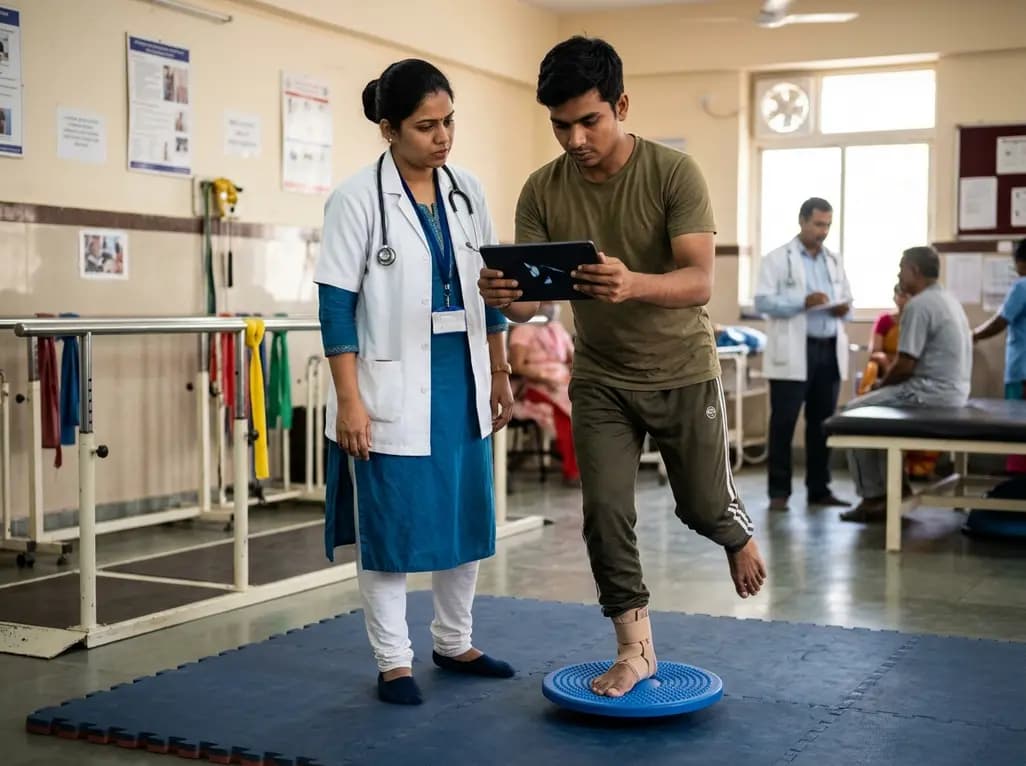
A randomized controlled trial demonstrates that an eight-week dual-task training intervention significantly improves static and dynamic postural control over standard balance exercises in individuals with chronic ankle instability, addressing critical neurocognitive deficits during athletic and daily activities.
Today

A retrospective cohort study of 7,716 ICU patients from the MIMIC-IV database demonstrates that Gradient Boosting Decision Trees significantly outperform traditional SOFA scores in predicting in-hospital mortality among patients with sepsis and diabetes, with SHAP analysis providing clinical interpretability.
Today
