.webp&w=384&q=75)

Loading, please wait...
Loading, please wait...
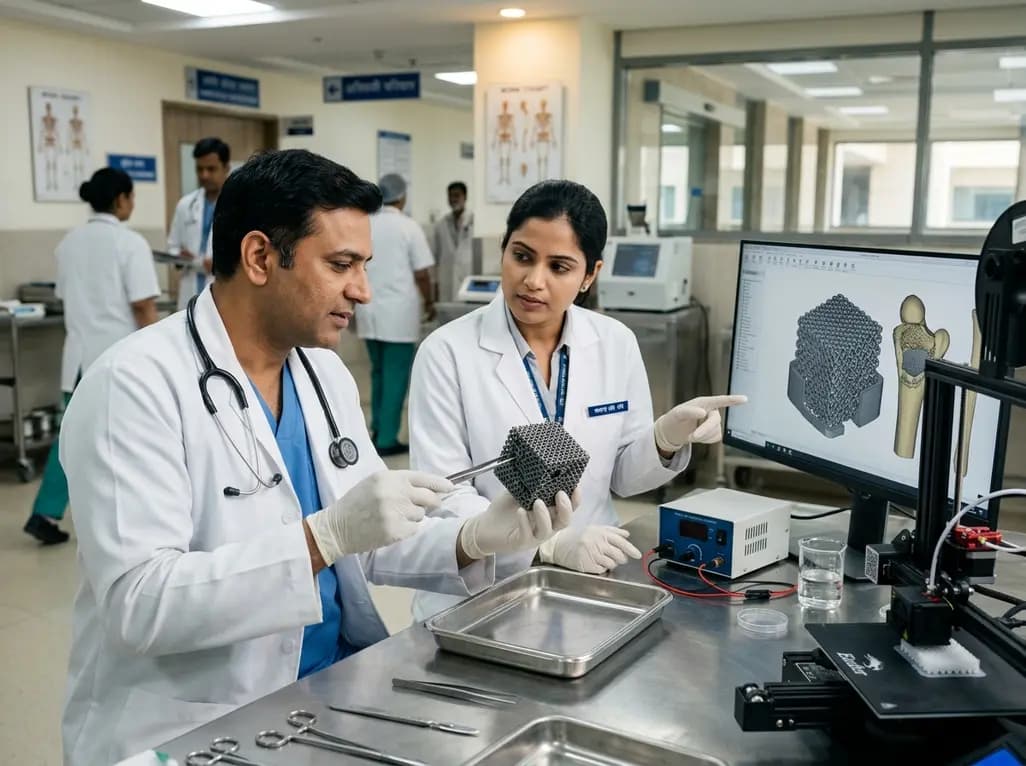
Reconstructive orthopedic and maxillofacial procedures frequently require innovative biomaterials to address massive structural bone defects. In contemporary surgical practice, engineered porous titanium scaffolds provide vital structural stabilization and facilitate long-term osseointegration. However, traditional metal additive manufacturing technologies often present significant clinical and economic hurdles, including prohibitive machinery costs and limited control over nanoscale surface bioactivity. To solve these ongoing engineering dilemmas, researchers have pioneered an elegant sacrificial-template technique using polymer three-dimensional printing. Consequently, this manufacturing breakthrough delivers customizable, orientation-controlled metallic lattices with hierarchical macro- and microporosity, unlocking fresh opportunities for skeletal restoration.
Surgeons routinely treat complex skeletal deficits arising from high-energy trauma, oncology resections, and revision joint arthroplasties. When bone loss exceeds critical dimensions, endogenous osteogenesis fails to achieve complete union without osteoconductive intervention. Historically, surgical teams utilized autologous bone grafts as the gold standard. Nevertheless, limited harvest volumes and donor-site morbidity restrict autograft utility in severe cases. Allografts provide an alternative, yet they carry intrinsic risks of disease transmission and inconsistent remodeling rates.
Consequently, porous synthetic biomaterials have gained widespread adoption across reconstructive disciplines. Porous tantalum offers favorable osseointegration, but its elevated manufacturing expenses limit universal clinical deployment. Conversely, conventional titanium implants offer superior biocompatibility and fatigue resistance, yet bulk titanium creates mechanical mismatches that provoke stress shielding. When an implant exhibits higher stiffness than surrounding host bone, the physiological load bypasses adjacent osseous tissue. Therefore, proximal bone resorbs over time, ultimately causing aseptic implant loosening. To resolve this biomechanical conflict, contemporary material scientists create porous structural architectures. These biomimetic networks deliberately reduce effective elastic modulus, matching human cancellous bone while preserving necessary compressive integrity. Thus, structural porosity bridges mechanical support and biological revitalization.
Direct metal additive manufacturing methods like selective laser melting dominate customized implant production. However, high thermal gradients, residual stresses, and high machinery expenses complicate these direct printing workflows. To eliminate these industrial bottlenecks, researchers introduced a sacrificial-template route relying on fused deposition modeling of polylactic acid lattices.
First, the engineering team prints sacrificial polymeric lattices in predetermined architectural orientations. Next, technicians infiltrate these open polymer networks with a specialized titanium powder slurry. After complete structural infiltration, controlled thermal debinding systematically burns away the polylactic acid template. Subsequent sintering under high temperature consolidates the residual titanium particles into continuous, solid metallic struts.
Remarkably, this manufacturing sequence exhibits approximately 26% isotropic linear shrinkage while preserving intricate geometric fidelity. Furthermore, the final struts attain a relative density of roughly 95%, ensuring robust internal cohesion. The resulting porous titanium scaffolds maintain a macro-porosity between 65% and 67%, establishing an interconnected microenvironment suitable for vascular invasion. In addition, this flexible method avoids metal powder fusion defects and accommodates versatile designs, including ortho-grid, tri-lattice, and quad-lattice geometric configurations.
Orthopedic implants encounter multidirectional forces during routine weight-bearing and functional movement. Therefore, an engineered scaffold must maintain mechanical competence across diverse anatomical vectors without catastrophic strut failure. Uniaxial compression testing reveals that simple ortho-grid scaffolds exhibit notable directional sensitivity, concentrating stresses along aligned axial struts. Consequently, unexpected off-axis shear or torsional loads could compromise structural integrity in vivo.
To mitigate this mechanical vulnerability, the researchers analyzed tri-lattice and quad-lattice geometries via finite element modeling. Interestingly, simulations demonstrate that increasing strut-orientation diversity substantially reduces directional mechanical sensitivity. By distributing loads across omnidirectional spatial struts, quad-lattice configurations dissipate localized stresses effectively under off-axis loading.
Moreover, the overall compressive modulus of these orientation-controlled scaffolds closely mirrors native trabecular and cortical bone. Because the architecture avoids excessive rigidity, it minimizes regional stress shielding around host bone interfaces. As a result, the construct transfers physiological strains to adjacent osteoblasts, promoting mechanotransductive bone remodeling. Clinicians can therefore select tailored lattice configurations to resist patient-specific physiological stresses, whether reconstructing a tibial plateau or supporting an acetabular defect.
Pore geometry alone cannot guarantee rapid clinical healing if the metallic substrate remains biologically inert. Standard titanium surfaces naturally form a thin, passive titanium dioxide layer, which limits spontaneous osteoblast adhesion. To enhance cellular engagement, the researchers treated the sintered metallic lattices with micro-arc oxidation.
This electrochemical surface modification generates a stable, microporous oxide layer enriched with calcium and phosphorus ions. These incorporated bioactive ions closely mimic the elemental composition of natural bone hydroxyapatite. In vitro evaluations confirm that micro-arc oxidation markedly enhances the biological responses of seeded osteogenic precursor cells. Specifically, cells seeded on modified struts exhibit pronounced cytoskeletal spreading, accelerated proliferation rates, and superior vinculin focal adhesion assembly.
Furthermore, micro-arc oxidation significantly upregulates alkaline phosphatase activity, a hallmark indicator of early osteoblast differentiation and extracellular matrix mineralization. The surface micropores simultaneously enhance protein adsorption from circulating bodily fluids, accelerating fibrin clot formation and cellular migration. Thus, combining macroscopic lattice porosity with microscopic surface topography establishes an optimized, dual-scale biomaterial environment for skeletal regeneration.
The definitive test of any orthopedic biomaterial lies in its capacity to regenerate vital osseous tissue within living organisms. To evaluate therapeutic efficacy, investigators implanted the engineered scaffolds into critical-sized rat calvarial defects. Notably, uncoated titanium lattices demonstrated robust osseointegration and bone ingrowth comparable to commercial porous tantalum implants. Even more impressively, micro-arc oxidation scaffolds produced superior bone volume fraction and neo-trabecular architecture throughout the inner pore channels.
Histological examinations confirmed direct contact osteogenesis along the calcium- and phosphorus-doped struts, avoiding intermediate fibrous capsule formation. Beyond standardized cylindrical defect models, the sacrificial-template technique exhibits exceptional geometric versatility. The team successfully fabricated custom cone augments and complex non-prismatic implants tailored for severe metaphyseal bone loss.
Consequently, this strategy shows tremendous promise for revision total knee arthroplasty, spinal fusion cages, and patient-matched maxillofacial reconstructions. By avoiding capital-intensive metal printers, healthcare institutions can potentially produce patient-specific bone augments with lower manufacturing overhead. Therefore, this scalable fabrication paradigm represents a practical, transformative bridge connecting advanced materials science with everyday orthopedic surgery.
Direct metal additive manufacturing requires costly laser or electron beam systems, specialized high-vacuum facilities, and expensive metal powders. In contrast, sacrificial-template fabrication uses standard desktop polymer printers to create sacrificial lattices. These polymer molds are subsequently infiltrated with titanium slurry and sintered. Consequently, this approach significantly lowers equipment investment and production costs while maintaining remarkable geometric precision, strut density, and mechanical reliability.
Although porous titanium scaffolds provide outstanding mechanical architecture, untreated titanium surfaces remain biologically inert and support slower osseointegration. Micro-arc oxidation creates an electrochemical microporous oxide coating enriched with calcium and phosphorus ions. Therefore, this functionalization mimics natural hydroxyapatite chemistry. As a result, it markedly enhances osteoblast attachment, stimulates alkaline phosphatase activity, and accelerates bone formation throughout internal scaffold pores.
Traditional solid metal implants possess excessive stiffness, creating stress shielding that causes adjacent bone resorption and aseptic loosening. In contrast, orientation-controlled lattice structures lower the effective elastic modulus to match human cancellous bone. Furthermore, quad-lattice and tri-lattice configurations resist off-axis torsional loads evenly. Consequently, the scaffold transmits physiological stresses uniformly, stimulating persistent bone remodeling while establishing durable mechanical stability.
Disclaimer: This content is for informational and educational purposes only... Refer to the latest local and national guidelines for clinical practice.
References

Read summarized clinical updates, watch expert medical content, and earn CME certifications right from your smartphone.
Open your smartphone camera to scan and install.





A novel sacrificial-template technique combines FDM polymer 3D printing and micro-arc oxidation to fabricate orientation-controlled porous titanium scaffolds. These bioactive constructs offer tailored stiffness, exceptional multidirectional load resistance, and robust osseointegration for bone defect repair.
Today
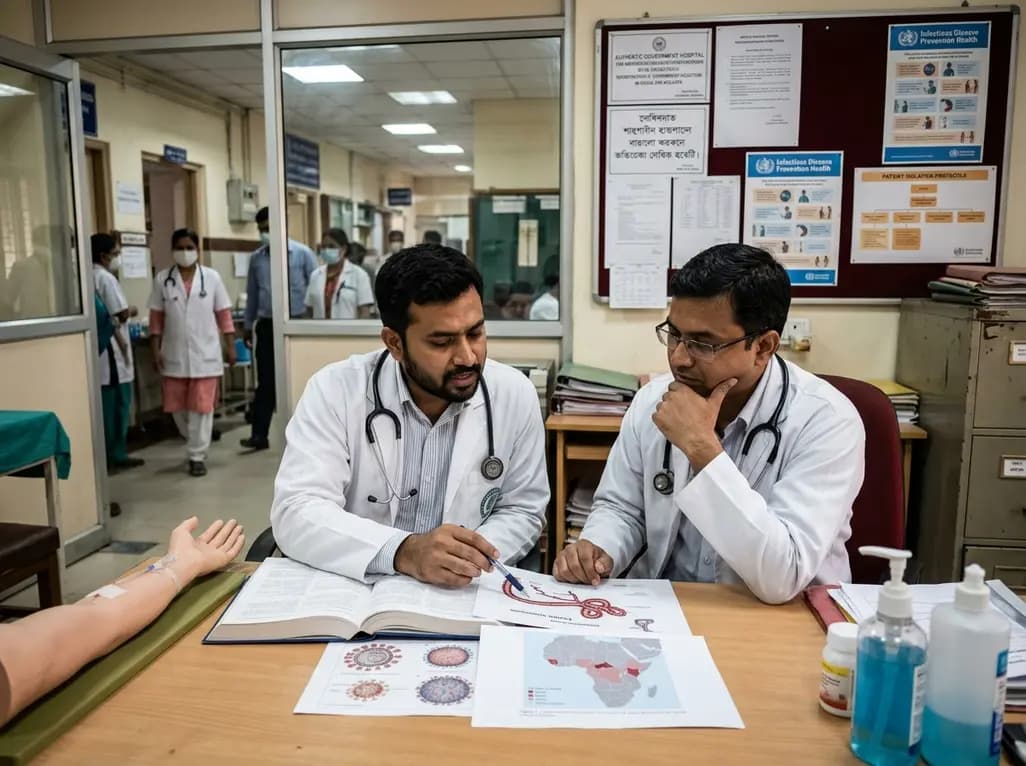
Health authorities in the Democratic Republic of Congo confirmed the spread of Ebola to North Ubangi province. With cross-border infections and high case counts, healthcare professionals worldwide must review early clinical recognition, differential diagnosis, infection control measures, and isolation protocols.
Today
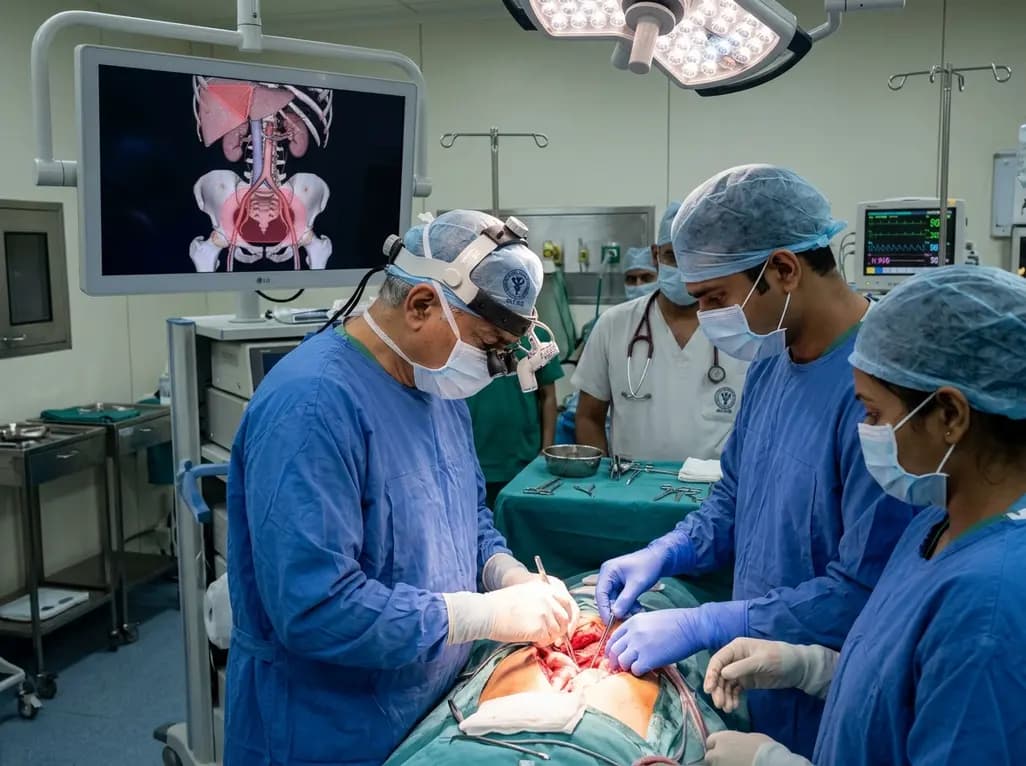
Surgical oncologists at AIIMS Delhi have mapped two critical anatomical landmarks: Ray's Zone in the deep pelvis and Ray's Hepatocaval Triangle near the liver. These predefined hazard boundaries guide dissection, dramatically reduce severe intraoperative bleeding, and preserve vital nerves and visceral organs.
Today
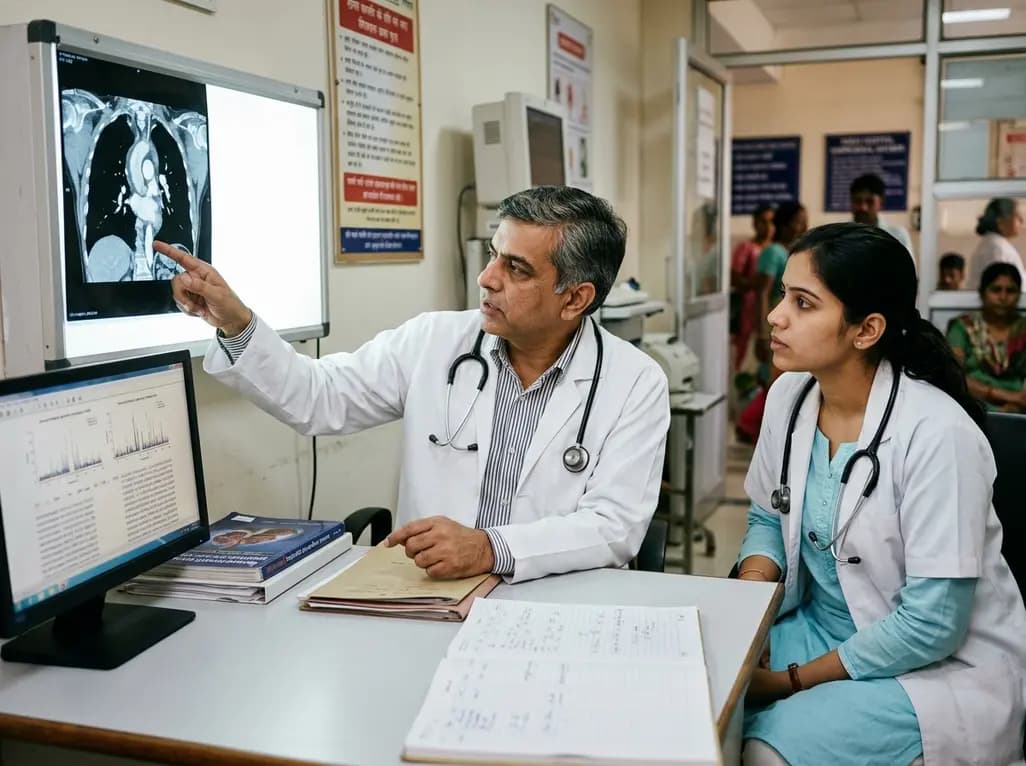
A study reveals that the MYLK c.4079G>A, p.(Gly1360Asp) variant is linked to high-penetrance heritable thoracic aortic disease and early-onset aortic dissection, showing a founder effect in Finnish cohorts. Findings emphasize early cascade screening and vigilant surveillance.
Today
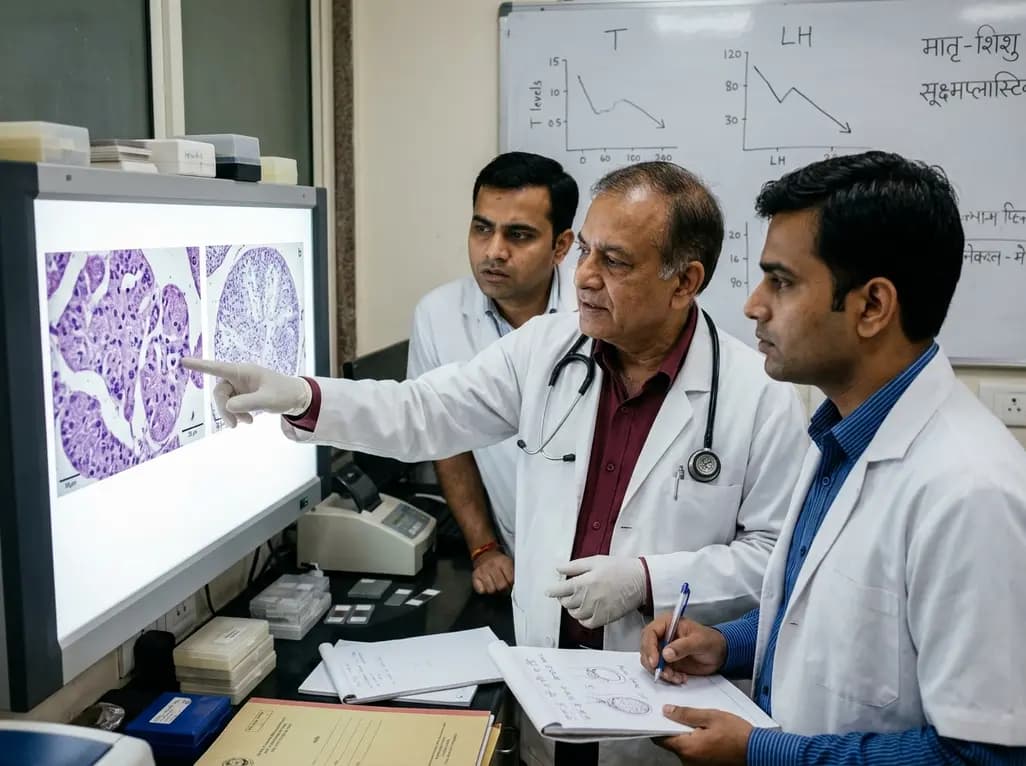
An animal model study reveals that gestational exposure to polystyrene microplastics causes persistent intrauterine growth restriction, testicular hypoplasia, Leydig cell depletion, and an atypical low-testosterone, low-LH endocrine profile in male offspring from birth into adulthood.
Today
