.webp&w=384&q=75)

Loading, please wait...
Loading, please wait...
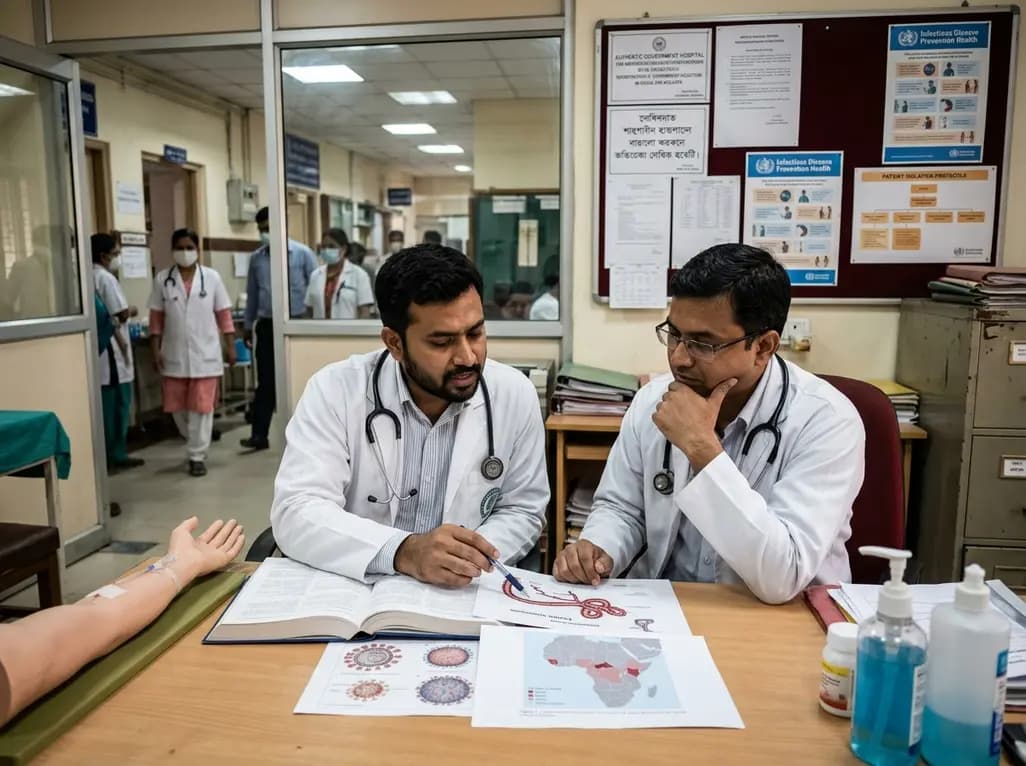
The resurgence and geographical expansion of filoviruses pose enduring threats to public health across the globe. Recently, health officials confirmed that the ebola virus outbreak in DR Congo expanded into North Ubangi province. This emergence adds severe logistical strain to containment efforts in central Africa. Furthermore, cases have already crossed international boundaries into neighboring Uganda and Kenya. Therefore, clinicians worldwide must understand transmission pathways, symptom progression, and emergency triage protocols. Heightened vigilance remains essential to identify suspect cases promptly and halt onward transmission chains.
The current epidemiological data underscores the alarming scale of transmission in Central Africa. In fact, official situation reports highlight over 9,400 cumulative cases and more than 4,500 related fatalities across affected regions. The disease historically maintains an average case fatality rate near fifty percent. However, mortality rates fluctuate between twenty-five and ninety percent depending on the specific viral species and healthcare access. Most new transmissions remain clustered in eastern regions such as Ituri province. Nevertheless, the recent confirmation of cases in North Ubangi presents profound containment hurdles. North Ubangi borders the Central African Republic, which creates acute risks of porous cross-border dissemination. Similarly, confirmed importations into Uganda and Kenya demonstrate that modern travel rapidly amplifies regional epidemics into international emergencies. Consequently, surveillance teams must intensify active case finding and systematic contact tracing. Fruit bats of the Pteropodidae family serve as the primary natural reservoir for orthoebolaviruses. Humans contract the virus through direct contact with infected wildlife tissues or bushmeat. Subsequently, secondary transmission spreads aggressively within human communities via infectious body fluids. Understanding these transmission routes allows medical teams to implement decisive barriers against escalating disease incidence.
Recognizing the clinical progression of filoviral disease requires acute clinical diagnostic acumen. After an incubation period lasting from two to twenty-one days, patients typically present with non-specific, flu-like symptoms. Initially, patients report sudden high fever, intense fatigue, severe headache, and diffuse myalgia. Clinicians often refer to this early phase as the dry stage of disease. However, the illness advances rapidly after several days into the wet gastrointestinal stage. Patients then develop severe watery diarrhea, persistent vomiting, and excruciating epigastric pain. Consequently, rapid fluid loss precipitates profound electrolyte disturbances, metabolic acidosis, and hypovolemic shock. Moreover, vascular endothelial damage triggers systemic microvascular permeability and disseminated intravascular coagulation. While external hemorrhage receives prominent public attention, frank bleeding occurs in only a fraction of patients. Instead, patients frequently exhibit subtle mucosal oozing, petechiae, conjunctival injection, and hematuria. In fatal cases, multi-organ dysfunction, refractory hypotension, and anuria culminate in death within two weeks of symptom onset. Conversely, survivors experience a protracted convalescence complicated by arthralgia, ocular inflammation, and prolonged viral persistence in immune-privileged anatomic sanctuaries. Thus, front-line healthcare providers must recognize both early and late clinical manifestations to intervene before irreversible physiological decline ensues.
Prompt diagnostic confirmation remains pivotal for initiating isolation and targeted management. Reverse transcription polymerase chain reaction assays represent the gold standard for detecting viral ribonucleic acid. However, viral loads may fall below detectable thresholds during the first seventy-two hours of clinical symptoms. Therefore, clinicians must retest suspect patients if initial samples taken during early fever yield negative results. In addition, rapid diagnostic antigen tests offer valuable preliminary screening tools in remote field triage settings. Concurrently, routine laboratory investigations uncover profound hematologic and metabolic derangements. Laboratory technicians frequently observe severe leukopenia, thrombocytopenia, marked transaminitis, and elevated serum creatinine concentrations. Differential diagnosis poses a monumental challenge for healthcare practitioners in tropical environments. For example, endemic pathogens such as malaria, dengue fever, typhoid fever, and leptospirosis generate clinical features indistinguishable from early filovirus illness. Therefore, physicians must execute rapid malaria diagnostic testing while maintaining rigorous isolation precautions for suspected filovirus cases. Clinicians must never delay essential testing for common febrile illnesses while awaiting viral hemorrhagic fever confirmation. Ultimately, combining precise travel history screening with meticulous diagnostic testing ensures accurate patient stratification and prevents catastrophic healthcare-associated outbreaks.
Effective patient management hinges upon early, aggressive supportive clinical intervention. According to updated international clinical management guidelines, optimized supportive care significantly reduces morbidity and mortality. Foremost, clinicians must prioritize rapid intravascular volume resuscitation to counteract massive gastrointestinal losses. Healthcare workers should administer oral rehydration salts to alert patients, while infusing balanced crystalloid solutions in severe hypovolemia. Furthermore, point-of-care biochemical analyzers assist teams in correcting life-threatening hypoglycemia, hypokalemia, and metabolic acidosis promptly. Vasopressors like norepinephrine support hemodynamic stability when aggressive fluid loading fails to restore adequate mean arterial pressure. Additionally, medical teams must provide empirical antimicrobial therapy to target secondary bacterial sepsis resulting from intestinal mucosal breakdown. Beyond supportive measures, monoclonal antibody therapies have transformed clinical outcomes for specific filovirus species. For instance, monoclonal antibodies such as Inmazeb and Ebanga neutralize the Zaire orthoebolavirus glycoprotein. These therapies significantly enhance survival rates when physicians administer them early in the disease course. Nevertheless, specific antiviral therapies remain unavailable for several other filoviral species. Therefore, disciplined physiological monitoring and individualized supportive interventions form the indispensable bedrock of modern filovirus therapeutics.
Rigorous infection prevention and control protects frontline healthcare staff from catastrophic nosocomial transmission. Because orthoebolaviruses spread via direct mucosal or percutaneous contact with infectious body fluids, standard precautions remain inadequate. Healthcare facilities must establish rigorous screening stations at every clinical entry point. Staff must isolate any patient meeting the suspected case definition in a designated single-occupancy isolation room. Furthermore, healthcare personnel must utilize comprehensive personal protective equipment during all patient interactions. This equipment includes fluid-resistant coveralls, double gloving, waterproof aprons, respirators, and full-face shields. In addition, dedicated trained observers must supervise every donning and doffing sequence to prevent self-contamination. Environmental hygiene protocols demand equal diligence from sanitation personnel. Teams must decontaminate patient rooms and clinical equipment using freshly prepared sodium hypochlorite solutions. Similarly, clinical teams must minimize invasive procedures and phlebotomy draws to reduce accidental sharps injuries. Moreover, safe and dignified burial practices prevent transmission from highly viremic deceased bodies. Implementing robust administrative controls, continuous staff training, and uncompromised biosafety practices ensures healthcare environments remain safe havens rather than amplification points during active outbreaks.
The expansion of filoviral transmission beyond regional boundaries demands acute awareness among medical professionals across India. International air travel connects endemic regions to major global travel hubs within mere hours. Consequently, the Ministry of Health and Family Welfare and the National Centre for Disease Control maintain strict point-of-entry surveillance protocols. Indian healthcare practitioners working in emergency departments, internal medicine, and outpatient clinics must routinely elicit complete international travel histories. Specifically, clinicians must inquire about recent travel to Central or East Africa within the preceding twenty-one days. If a febrile traveler reports potential exposure or travel history to an outbreak zone, clinicians must isolate the individual immediately. Subsequently, the treating team must notify district and state surveillance officers without delay. Meanwhile, healthcare facilities must verify local stocks of personal protective equipment and review isolation protocols. Doctors must exercise extreme caution because common tropical febrile diseases like dengue and malaria can mask or co-exist with imported viral infections. Therefore, institutional preparedness, rapid epidemiological reporting, and prompt isolation form the primary defense against potential filoviral incursions.
Q1: How does Ebola virus disease primarily transmit among humans?
Ebola virus transmits between humans through direct contact with broken skin or mucous membranes and infected bodily fluids. These fluids include blood, vomit, feces, urine, saliva, and semen. Transmission also occurs when individuals touch contaminated surfaces, bedding, or medical equipment. Furthermore, family members and healthcare workers face the highest risk during direct patient care or traditional burial rituals. Airborne transmission does not occur between individuals in typical healthcare or community settings.
Q2: What initial steps should an Indian doctor take if an imported Ebola case is suspected?
A clinician must isolate the suspect patient immediately in a dedicated single-occupancy room with negative pressure or adequate ventilation. Healthcare personnel must don full viral hemorrhagic fever personal protective equipment before performing any evaluation. Furthermore, the hospital administration must notify the local Integrated Disease Surveillance Programme officer and state health authorities without delay. Clinicians should stabilize the patient with cautious supportive therapy while avoiding unnecessary invasive procedures until specialized public health authorities provide further operational guidance.
Q3: Which therapeutic interventions and vaccines currently exist for Ebola virus disease?
Regulatory agencies have approved specific monoclonal antibodies, notably Inmazeb and Ebanga, for treating infections caused by the Zaire orthoebolavirus. These treatments significantly reduce mortality when medical teams administer them early. In addition, the Ervebo vaccine offers highly effective pre-exposure and ring prophylaxis against the Zaire strain. However, licensed monoclonal antibodies and vaccines do not protect against other filoviruses such as Sudan or Bundibugyo viruses, making optimized clinical supportive care indispensable during disparate outbreaks.
Disclaimer: This content is for informational and educational purposes only. It does not constitute medical advice or replace professional judgment. Refer to the latest local and national guidelines for clinical practice.
References

Read summarized clinical updates, watch expert medical content, and earn CME certifications right from your smartphone.
Open your smartphone camera to scan and install.





Health authorities in the Democratic Republic of Congo confirmed the spread of Ebola to North Ubangi province. With cross-border infections and high case counts, healthcare professionals worldwide must review early clinical recognition, differential diagnosis, infection control measures, and isolation protocols.
Today
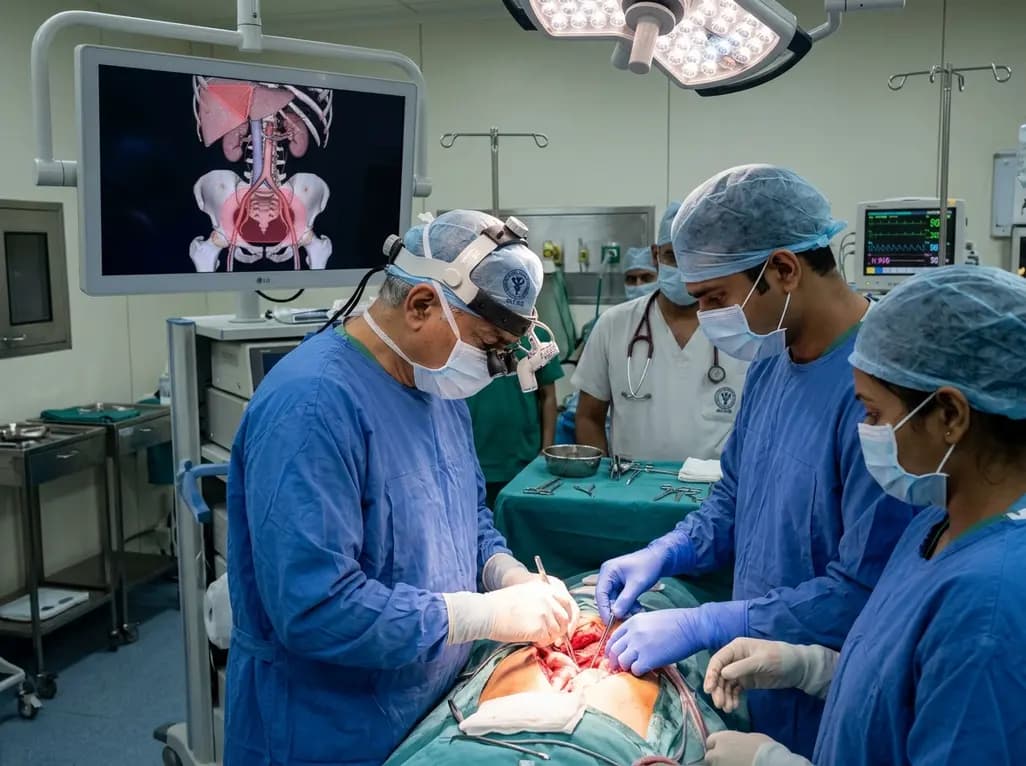
Surgical oncologists at AIIMS Delhi have mapped two critical anatomical landmarks: Ray's Zone in the deep pelvis and Ray's Hepatocaval Triangle near the liver. These predefined hazard boundaries guide dissection, dramatically reduce severe intraoperative bleeding, and preserve vital nerves and visceral organs.
Today
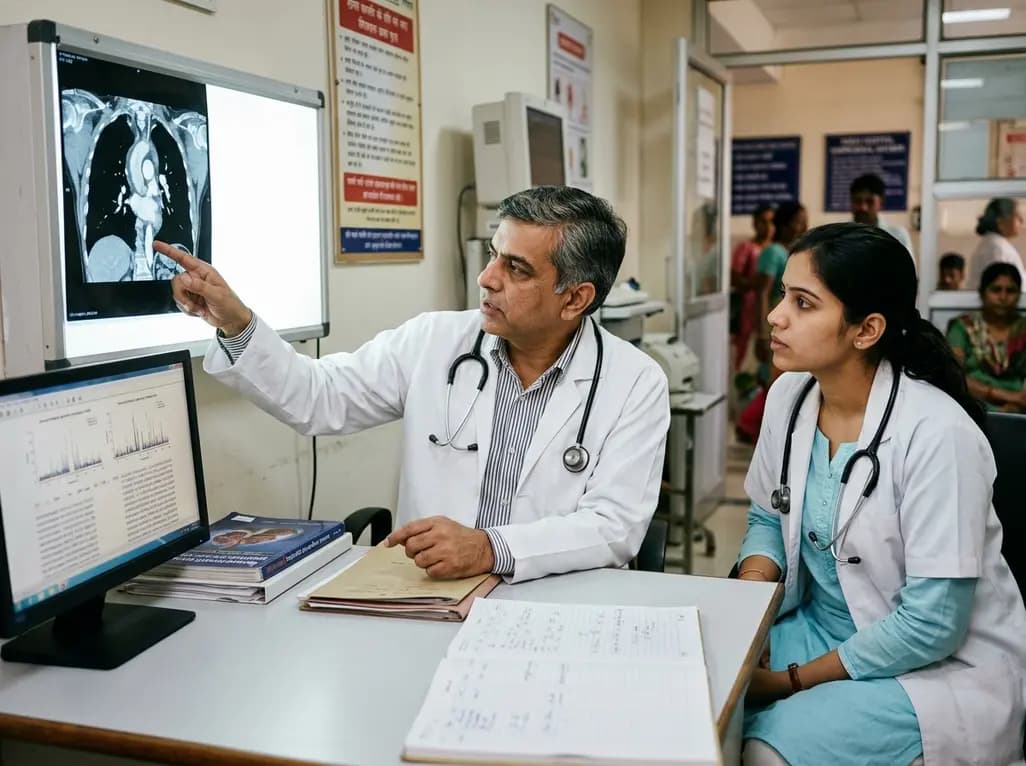
A study reveals that the MYLK c.4079G>A, p.(Gly1360Asp) variant is linked to high-penetrance heritable thoracic aortic disease and early-onset aortic dissection, showing a founder effect in Finnish cohorts. Findings emphasize early cascade screening and vigilant surveillance.
Today

A cross-sectional study reveals that reduced upper extremity exercise capacity measured by the 6-minute pegboard and ring test significantly correlates with higher disability in non-specific chronic low back pain, highlighting the necessity of assessing whole-body functional chains in rehabilitation.
Today
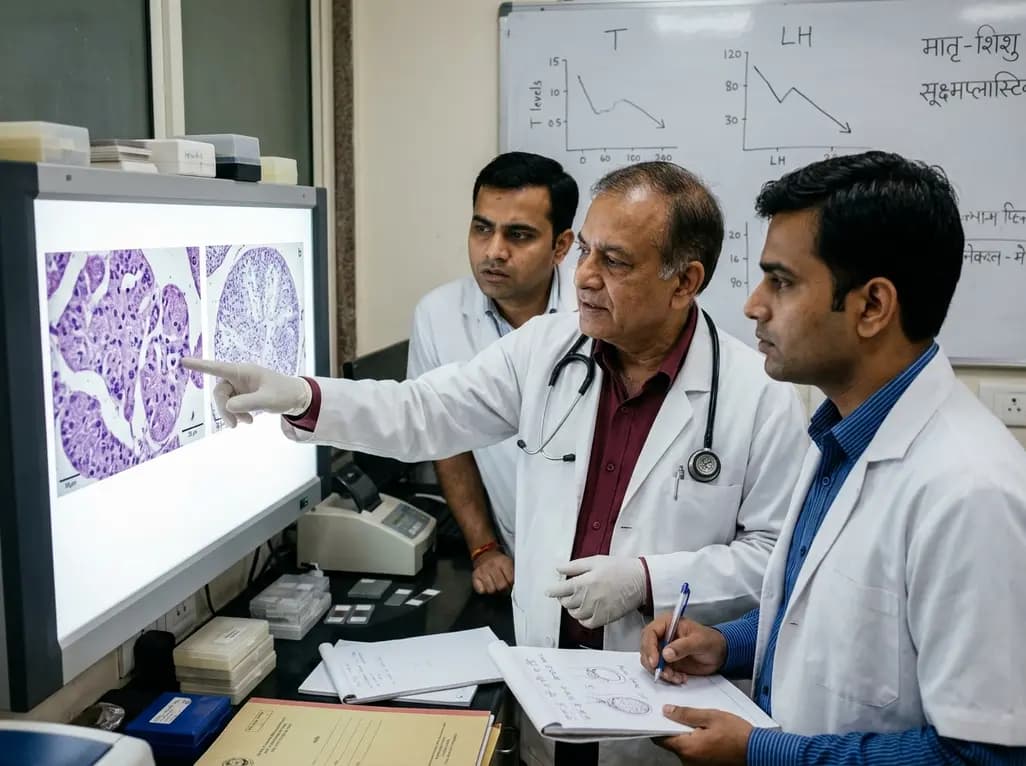
An animal model study reveals that gestational exposure to polystyrene microplastics causes persistent intrauterine growth restriction, testicular hypoplasia, Leydig cell depletion, and an atypical low-testosterone, low-LH endocrine profile in male offspring from birth into adulthood.
Today
