.webp&w=384&q=75)

Loading, please wait...
Loading, please wait...
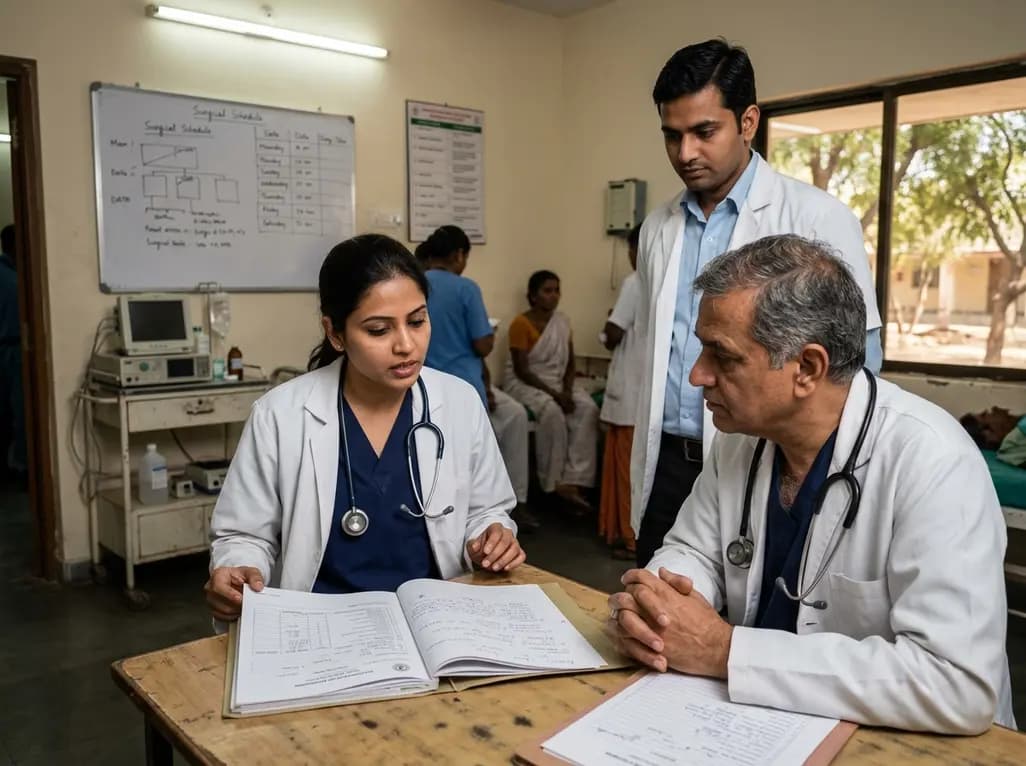
Evaluating the rural surgical case mix provides vital insights into how healthcare systems deliver essential interventions outside metropolitan tertiary networks. Rural populations often face considerable geographical isolation, resource constraints, and persistent specialist deficits. Consequently, acute surgical units in rural regions operate under distinct demands that diverge significantly from urban subspecialized departments. Understanding procedural distributions, clinical outcomes, and systemic hurdles helps healthcare planners design robust surgical networks. Furthermore, analyzing rural practice patterns illuminates critical gaps in surgical training and healthcare infrastructure. Clinicians and policymakers must therefore analyze rural practice patterns to ensure equitable, timely, and safe perioperative care for non-metropolitan communities.
Rural general surgeons manage a markedly broader scope of operative practice than their metropolitan counterparts. Because dedicated subspecialists are scarce in remote locations, rural surgeons frequently undertake diverse cases spanning endoscopy, urology, pediatric surgery, and basic plastic reconstruction. Diagnostic and therapeutic endoscopy, including colonoscopy and upper gastrointestinal examinations, consistently constitutes over half of all procedural volume in regional hospitals. In addition, rural practitioners regularly handle acute general surgical emergencies such as complicated appendicitis, acute cholecystitis, bowel obstruction, and incarcerated hernia repairs. However, the exact procedural balance varies widely across individual regional facilities based on community demographics and local hospital capabilities. Surgeons in isolated centers must therefore maintain diverse operative proficiencies while managing elevated procedural volumes per clinician. Furthermore, clinicians must rapidly adapt their surgical decision-making to the diagnostic resources immediately available on site. Consequently, maintaining broad-spectrum competence across multiple clinical disciplines remains an essential requirement for surgeons serving geographically remote populations.
Monitoring clinical quality indicators remains critical for maintaining high standards of patient safety across remote healthcare facilities. For many routine general surgical procedures, rural surgical units achieve complication and mortality rates comparable to major tertiary teaching centers. However, unplanned returns to theatre represent a vital quality benchmark that directly reflects serious perioperative complications, postoperative hemorrhage, or anastomotic breakdown. Despite the clinical importance of this indicator, comprehensive documentation regarding unplanned reoperation rates across rural surgical units remains scarce. Variable documentation standards, fragmented data systems, and transient staffing models frequently hamper regional healthcare audits. Additionally, early patient transfers to metropolitan tertiary centers can obscure true regional complication rates. To address these documentation challenges, surgical teams must establish standardized operative registries and electronic health tracking systems. Rigorous ongoing tracking of perioperative metrics allows clinical governance committees to identify preventable adverse events effectively. Ultimately, generating reliable quality data reinforces patient safety and validates the clinical efficacy of essential rural surgical interventions.
While elective rural surgery shows excellent parity with urban centers, significant clinical disparities persist in surgical oncology and major trauma care. Patients presenting with complex solid organ malignancies in remote settings frequently experience notable diagnostic delays. Consequently, these individuals often present at more advanced disease stages than their urban peers. Furthermore, centralized cancer care models require rural patients to travel immense geographical distances to access multidisciplinary team reviews and radiotherapy. This significant logistical burden frequently results in lower rates of multimodal therapy adherence and poorer long-term survival metrics. Similarly, acute trauma management in remote environments poses severe clinical hurdles due to prolonged pre-hospital transport times. Severely injured trauma patients often require rapid damage control resuscitation and emergency stabilization before aeromedical evacuation. Therefore, rural surgeons must possess advanced trauma resuscitation proficiencies and emergency operative capabilities to manage life-threatening injuries effectively. Bridging these oncology and trauma survival gaps demands robust inter-facility referral networks, expanded regional diagnostic infrastructure, and integrated telehealth multidisciplinary tumor boards.
Sustaining an adequate surgical workforce represents one of the most formidable challenges facing rural healthcare delivery systems globally. Chronic shortages of resident surgeons persist across remote regions, with few non-metropolitan districts meeting recommended surgeon-to-population benchmark ratios. Consequently, regional health authorities rely heavily on short-term locums, visiting medical specialists, and fly-in-fly-out surgical personnel to maintain continuous emergency coverage. Although these transient staffing arrangements prevent immediate service closures, they generate substantial financial expenditures and compromise longitudinal continuity of care. Frequent practitioner turnover can disrupt operating theatre team cohesion, complicate postoperative surveillance, and impede clinical audits. Moreover, permanent rural general surgeons frequently experience professional isolation, burdensome on-call rotas, and limited local subspecialty backup. Addressing these systemic workforce deficits requires innovative medical recruitment strategies, competitive retention incentives, and structured regional peer-support networks. Health administrators must also invest in expanding local perioperative nursing and specialist anesthetic teams. Establishing stable resident surgical teams ultimately fosters strong community trust and delivers sustainable perioperative care across underserved geographic regions.
Modern surgical training programs increasingly emphasize early subspecialization, which creates a substantial mismatch with the broad generalist requirements of rural practice. Trainees based primarily in metropolitan academic centers often gain extensive experience in narrow subspecialties while receiving limited exposure to diverse surgical domains. To prepare future surgeons effectively for rural environments, postgraduate training curricula must deliberately reintegrate comprehensive competencies across endoscopy, urology, gynecology, and emergency vascular procedures. In addition, rural surgical trainees require structured instruction in non-technical skills, including crisis resource management, independent clinical decision-making, and team leadership in resource-constrained environments. Immersive clinical rotations within accredited regional hospitals allow trainees to understand the unique cultural, logistical, and operative realities of remote healthcare delivery. Furthermore, dedicated mentorship programs connecting surgical residents with seasoned rural mentors play a transformative role in fostering long-term professional commitments. Surgical colleges must therefore champion dedicated rural training pathways that prioritize broad clinical flexibility over narrow specialization. By aligning surgical education with community needs, healthcare systems can secure a competent workforce for rural hospitals.
Closing existing evidence gaps in rural surgery requires a multifaceted, data-driven research agenda focused on real-world patient outcomes. Future investigations must rigorously quantify unplanned returns to theatre, 30-day readmission rates, and stage-specific cancer mortality across regional healthcare facilities. In addition, researchers must systematically evaluate how transportation logistics, pre-hospital transit times, and extreme geographical barriers impact trauma morbidity and emergency stabilization. Furthermore, health services research should analyze the precise skills mix, procedural scope, and continuous professional development needs of practicing rural general surgeons. Health policymakers can leverage this valuable empirical evidence to design targeted funding models, support regional telehealth infrastructure, and improve emergency aeromedical evacuation networks. Establishing collaborative surgical registries that accurately benchmark clinical outcomes across rural centers will facilitate continuous quality improvement without overburdening rural clinicians. Ultimately, closing these critical knowledge gaps empowers healthcare organizations to implement evidence-based policies that directly reduce non-metropolitan health disparities. Investing in comprehensive rural surgical research ensures that regional patients receive safe, high-quality, and timely operative interventions regardless of their geographic residence.
Rural general surgeons maintain a significantly broader operative scope than metropolitan specialists. While urban surgeons typically focus on narrow subspecialties, rural practitioners routinely perform high volumes of diagnostic endoscopy alongside emergency abdominal surgery, urology, basic plastics, and minor orthopedic procedures. This broad case mix requires comprehensive generalist training and adaptable technical skills to manage diverse clinical conditions independently without immediate access to on-site subspecialty support.
Rural disparities in oncology and trauma stem primarily from delayed diagnostic presentations, extended transport times, and geographical isolation. Cancer patients often face significant logistical hurdles accessing specialized multidisciplinary oncology teams and radiotherapy centers, leading to later-stage diagnoses. Similarly, severely injured trauma patients in remote areas experience prolonged pre-hospital transit, making rapid damage control resuscitation and timely emergency aeromedical evacuation crucial determinants of overall survival.
Effective rural surgical training requires dedicated generalist pathways that emphasize broad technical proficiency across multiple disciplines, including endoscopy, emergency urology, gynecology, and trauma management. In addition to technical skills, training programs must incorporate non-technical competencies such as crisis resource management, autonomous decision-making, and leadership in resource-limited settings. Immersive rural clinical rotations and mentorship from experienced rural surgeons further prepare trainees for independent practice.
Disclaimer: This content is for informational and educational purposes only and is not intended as medical advice. Healthcare professionals should exercise independent clinical judgment and adapt findings to their specific institutional resources. Refer to the latest local and national guidelines for clinical practice.
References

Read summarized clinical updates, watch expert medical content, and earn CME certifications right from your smartphone.
Open your smartphone camera to scan and install.





A comprehensive narrative review examining rural surgical case mix, highlighting workforce shortages, oncology disparities, and essential research gaps in remote healthcare.
last month
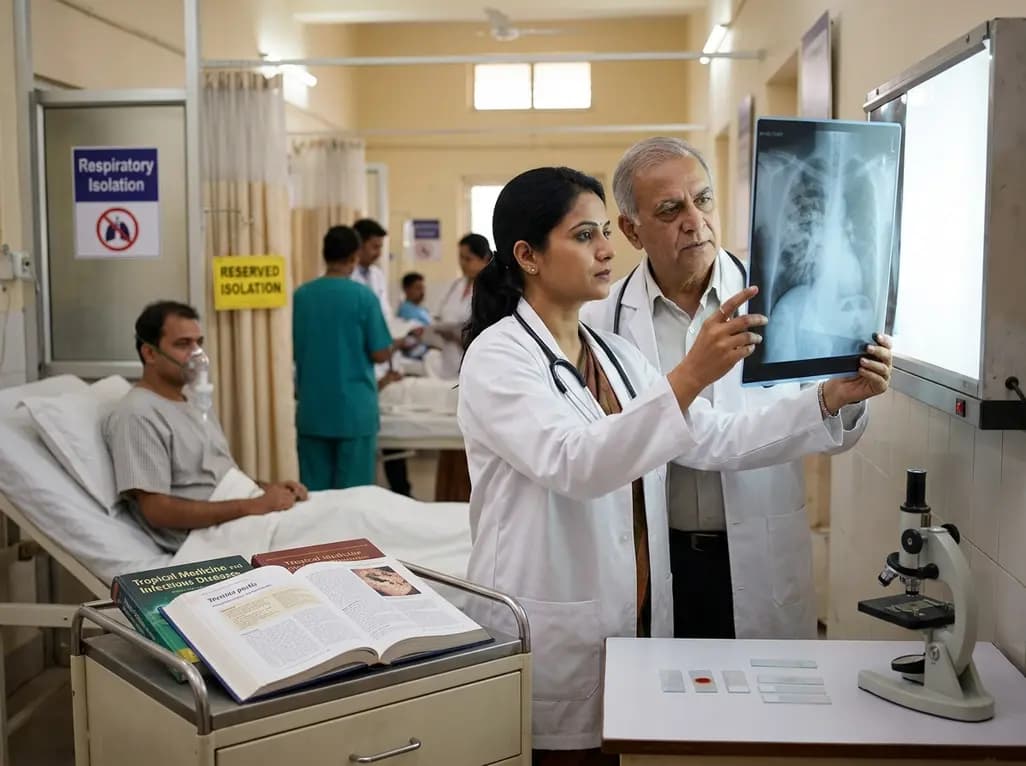
A laboratory technician's death in Siberia from an unverified respiratory pathogen has renewed global vigilance for pneumonic plague. Clinicians must recognize early presentations of Yersinia pestis, enforce immediate respiratory isolation, and start early bactericidal therapy to prevent severe secondary spread.
Today
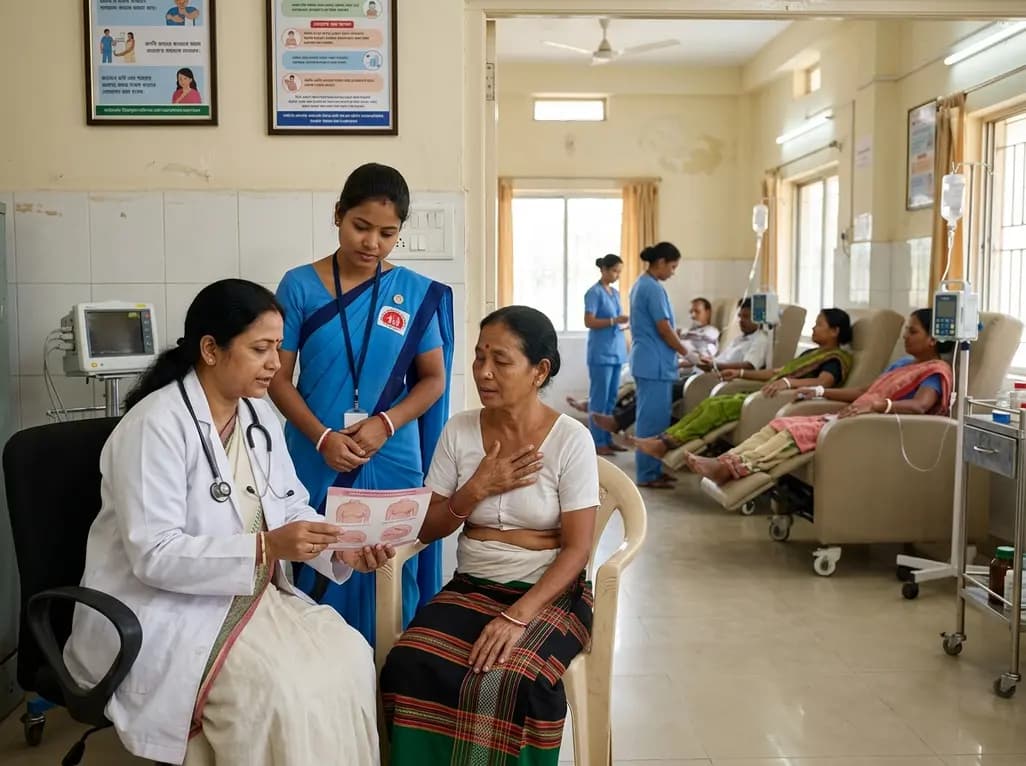
Tripura has launched a comprehensive statewide oncology campaign to address late-stage breast cancer presentations. By strengthening community screening for women aged 30 and older and expanding District Day Care Cancer Centres, the initiative improves early clinical detection and decentralized chemotherapy access.
Today
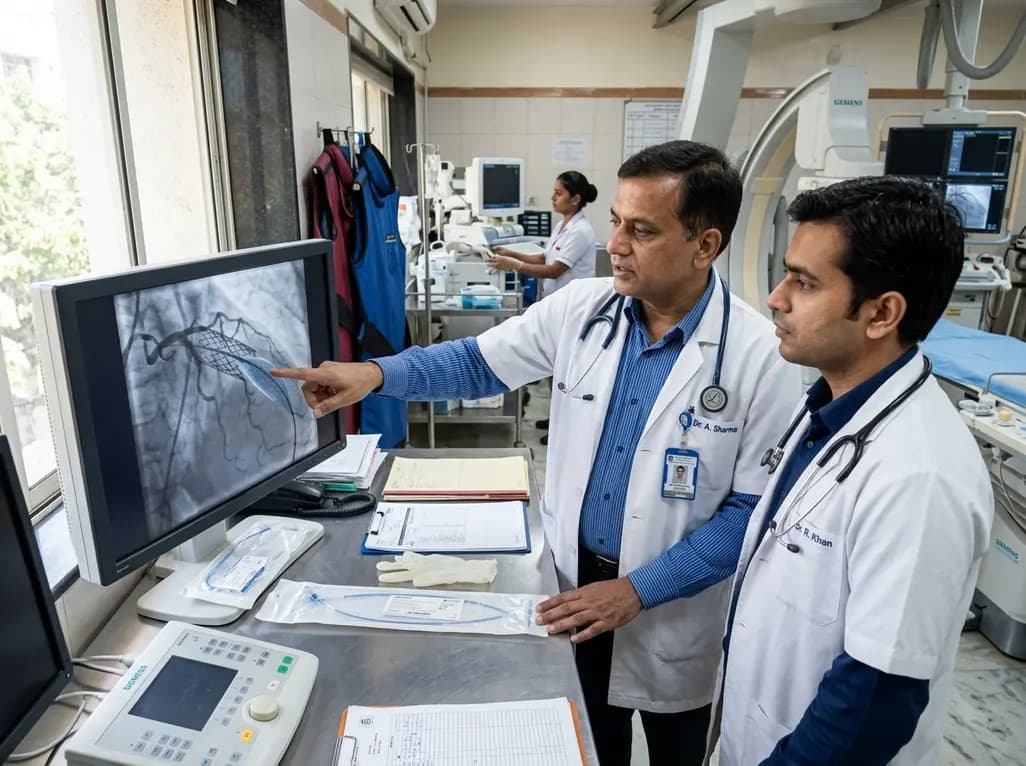
The US FDA has granted approval to the SELUTION SLR drug-eluting balloon for treating coronary in-stent restenosis. This milestone introduces a sustained-release sirolimus platform that eliminates the need for additional permanent metallic stents while maintaining robust vascular healing and luminal patency.
Today
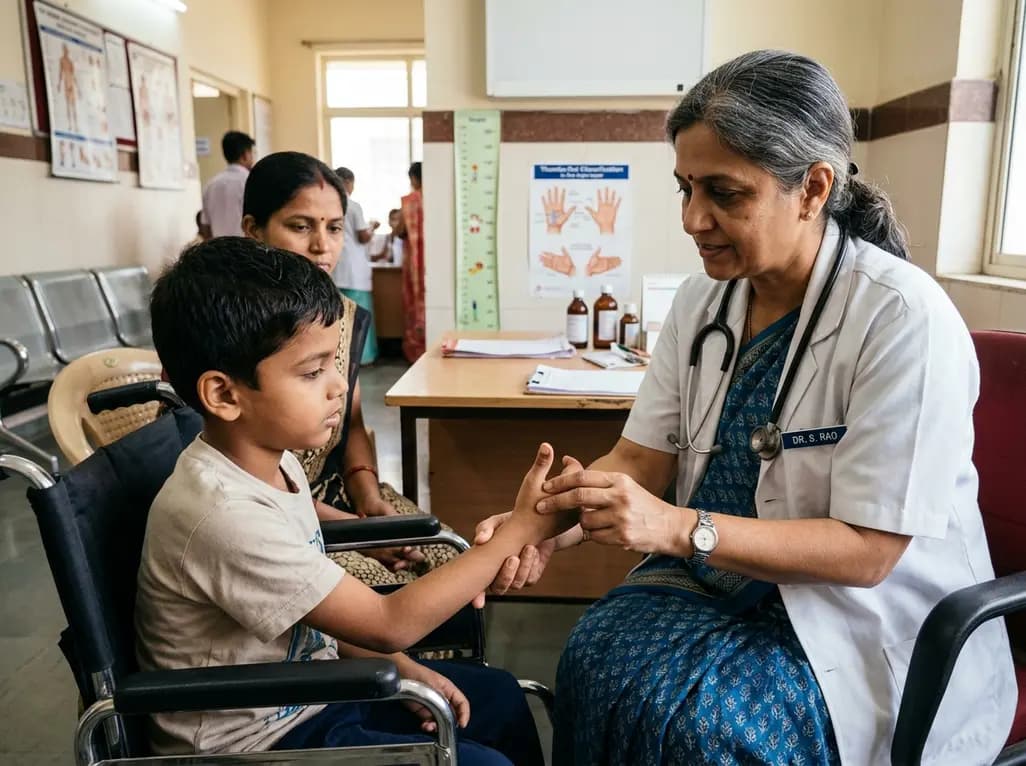
The Thumbs-Out Classification (TOC) is a reliable screening tool for detecting thumb-in-palm deformity in children with cerebral palsy. Utilizing traffic-light tiers for radial abduction, TOC enables clinicians to monitor upper limb function and initiate timely therapeutic or surgical interventions.
Today
A comprehensive review analyzes periconceptional GLP-1 receptor agonist exposure, revealing reassuring data on congenital anomalies and adverse perinatal outcomes while emphasizing the need for cautious patient counseling.
Today
