.webp&w=384&q=75)

Loading, please wait...
Loading, please wait...
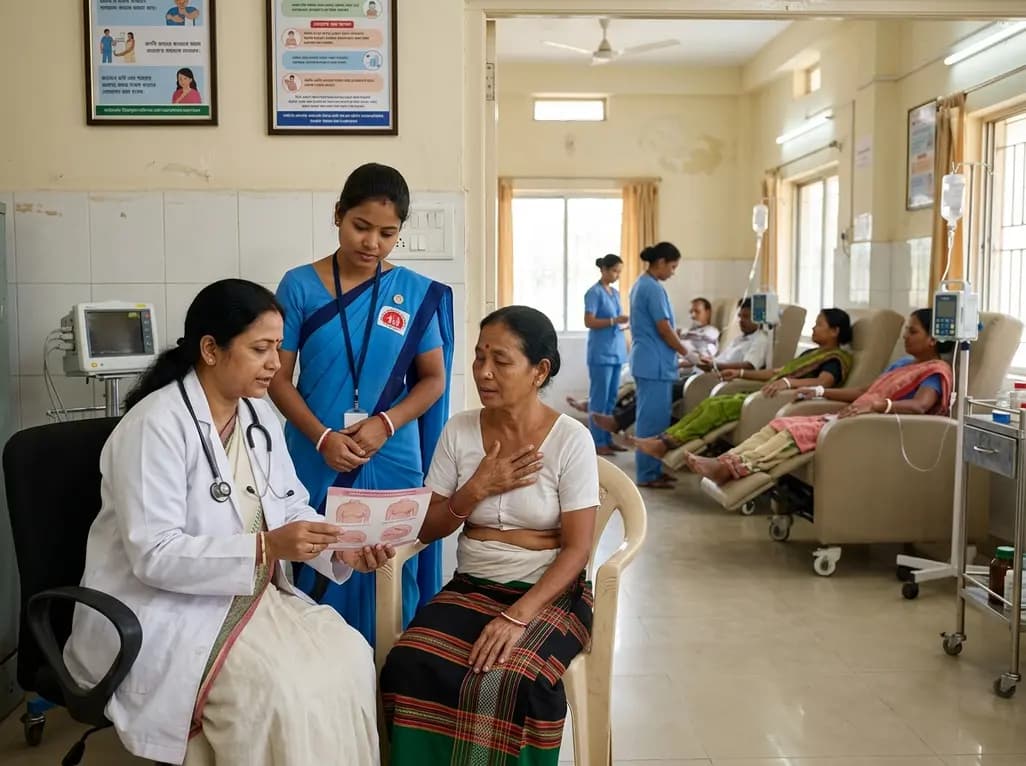
Breast cancer remains the foremost malignancy among women globally and across India, creating substantial clinical challenges. Therefore, the implementation of organized breast cancer screening represents a vital public health intervention. Tripura recently inaugurated a month-long awareness campaign to strengthen prevention and early diagnosis across all healthcare tiers. Health authorities launched this statewide initiative to counter historically delayed clinical presentations. By partnering with technical agencies like Jhpiego, the state strives to reinforce clinical referral networks. Consequently, physicians must remain alert to regional epidemiological patterns and opportunistic detection avenues.
According to the North-East cancer report, breast cancer accounts for 14.4 percent of female malignancies in Tripura. Furthermore, this prevalence affects approximately one in every 123 women within the state. This figure represents the second-highest rate across northeastern states, trailing only Manipur. Nationally, India recorded an estimated 237,231 incident cases and 96,100 deaths during 2024. Despite these staggering numbers, late diagnosis continues to compromise therapeutic success in rural areas. ICMR Population-Based Cancer Registry records from 2012 to 2016 demonstrate persistently advanced staging among presenting patients. Specifically, clinicians identified only 28.4 percent of local cases at a localized stage. In contrast, 58.2 percent of diagnosed patients presented with distant metastasis at baseline evaluation. Consequently, late presentation severely restricts surgical options and curative interventions. Aggressive molecular subtypes, such as triple-negative breast cancer, also appear frequently across the northeastern population. Therefore, delayed diagnosis drastically reduces five-year relative survival rates. Physicians must recognize that high metastatic burden at initial presentation demands immediate, coordinated systemic staging. Thus, addressing diagnostic inertia through systematic screening serves as an imperative clinical priority.
Traditionally, geographic barriers and financial toxicity have prevented rural cancer patients from completing multicycle chemotherapy regimens. To overcome these systemic obstacles, Tripura is expanding access through District Day Care Cancer Centres. These decentralized units currently administer oral chemotherapy protocols closer to patients' residences. Furthermore, state health authorities are strengthening infrastructure to deliver intravenous systemic regimens at district hospitals. This strategic decentralization significantly minimizes disruptive out-of-pocket travel expenses to tertiary hospitals in Agartala or out of state. Consequently, patients achieve superior compliance with adjuvant and neoadjuvant protocols. Medical officers at district facilities collaborate directly with regional tertiary oncologists to oversee toxicity monitoring. In addition, these daycare units maintain dedicated infusion chairs and trained nursing teams. Therefore, patients experience prompt management of chemotherapy-induced nausea, cytopenias, and infusion reactions. Similarly, primary care physicians can rapidly order routine hemograms and biochemical panels locally before scheduled infusions. Health systems ultimately protect therapeutic continuity by establishing decentralized cancer care models. As a result, rural communities witness markedly lower rates of therapy abandonment.
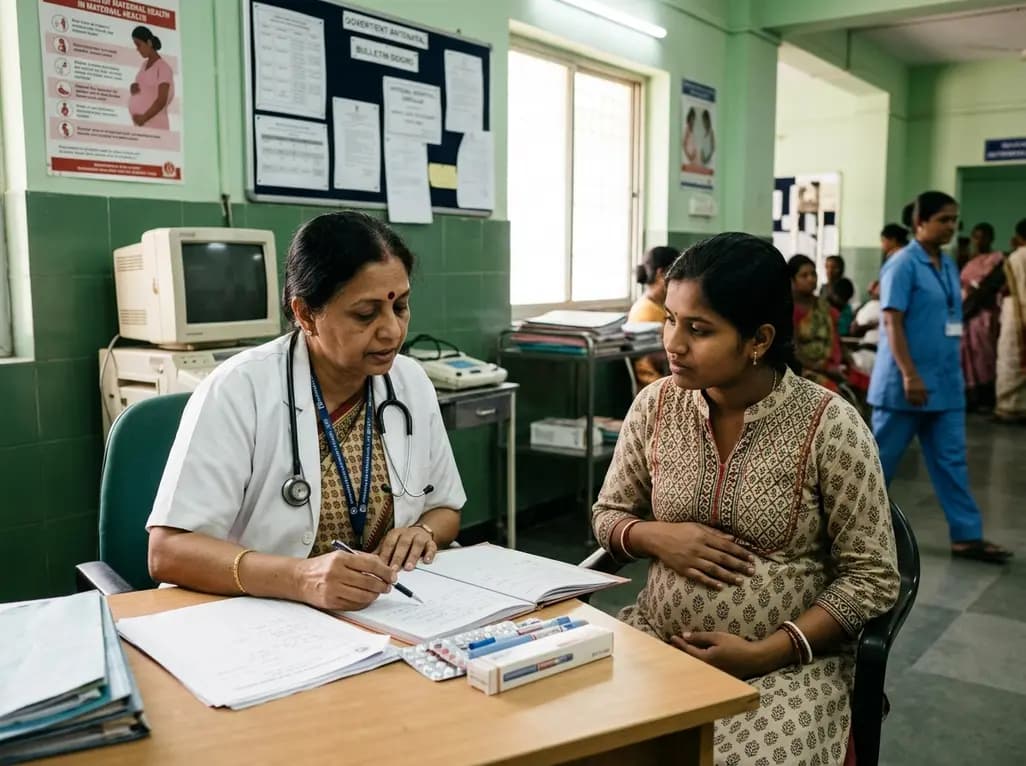
Robust breast cancer screening initiatives rely extensively on community-level engagement to demystify clinical examinations. Auxiliary nurse midwives and community health officers drive village outreach during scheduled Village Health and Nutrition Days. Furthermore, accredited social health activists conduct targeted home visits to discuss breast self-awareness. Jhpiego provides specialized technical support to standardize training modules for these peripheral healthcare providers. These frontline workers educate women on detecting painless masses, cutaneous retraction, and spontaneous bloody discharge. In addition, the health department organizes structured workshops with panchayat leaders to dispel deep-seated social taboos. Consequently, rural women increasingly consent to non-invasive clinical breast examinations at primary health centers. Frontline workers promptly direct women exhibiting suspicious physical abnormalities to community health centers for diagnostic triage. Moreover, digital tracking systems help auxiliary nurses maintain longitudinal contact with symptomatic individuals. Local health teams also engage family members to foster collective support for clinical investigations. Hence, frontline healthcare workers form the primary defensive barrier against delayed oncological presentation across rural Tripura.
National operational guidelines in India stipulate routine breast cancer screening for every woman aged thirty and above. Accordingly, medical officers in peripheral health facilities must execute structured clinical breast examinations biennially. During initial physical assessment, clinicians should methodically palpate all four quadrants, the central subareolar complex, and axillary lymph nodes. Furthermore, primary clinicians must document discrete masses, cutaneous tethering, peau d'orange changes, and nipple-areolar inversion. When a clinician detects a palpable lesion, the patient requires immediate diagnostic breast ultrasonography. In particular, high-resolution sonography serves as the preferred diagnostic investigation for younger women with dense fibroglandular tissue. For women over forty years presenting with suspicious abnormalities, bilateral diagnostic digital mammography remains the standard radiological modality. Moreover, clinicians must expedite tissue diagnosis using core needle biopsies rather than fine-needle aspiration cytology. Core biopsies reliably preserve histological architecture and permit critical immunohistochemical profiling. Consequently, pathologists determine estrogen receptor, progesterone receptor, and human epidermal growth factor receptor statuses accurately. Therefore, standardized clinical workflows prevent catastrophic delays between initial physical detection and therapeutic staging.
Establishing early clinical detection infrastructure proves futile if vulnerable patients encounter insurmountable barriers to tertiary diagnostic completion. Therefore, Tripura is prioritizing dedicated patient navigation programs to guide individuals through complex diagnostic pathways. Patient navigators facilitate rapid referral linkages between primary health centers and tertiary oncology departments. Furthermore, navigators schedule appointments, assist with insurance paperwork, and resolve systemic transport hurdles for rural families. In addition to logistical guidance, cancer care teams provide structured psychosocial counseling to ease existential distress. Family members frequently require intensive educational support to overcome paralyzing fatalism regarding cancer diagnoses. Simultaneously, health authorities are expanding palliative care delivery to address late-stage symptomatic presentations. District hospitals now stock essential palliative analgesics, including oral morphine formulations for refractory skeletal metastasis pain. Moreover, home-based palliative nursing teams assist bedbound patients with comprehensive wound care, lymphedema management, and symptom relief. Consequently, integrated oncology programs uphold patient dignity while optimizing therapeutic compliance across all disease trajectories. Ultimately, combining navigation systems with supportive care creates an empathetic, resilient health environment.
Q1: Why does Tripura emphasize breast cancer screening starting at age thirty?
National health guidelines recommend initiating periodic clinical breast examinations at age thirty due to early disease onset across India. In northeastern regions, women often develop aggressive tumor phenotypes at younger ages. Furthermore, Population-Based Cancer Registry statistics confirm that delayed presentation leads to widespread metastatic involvement. Therefore, screening women from age thirty ensures timely clinical identification, preserves surgical options, and substantially improves long-term curative outcomes before advanced symptoms appear.
Q2: How do District Day Care Cancer Centres improve treatment compliance?
District Day Care Cancer Centres bring systemic antineoplastic therapy closer to rural populations, mitigating financial and logistical hurdles. Consequently, patients receive oral and intravenous chemotherapy without enduring arduous journeys to distant tertiary hospitals. In addition, local medical officers collaborate with tertiary oncologists to manage acute drug toxicities and perform routine hematological monitoring. Thus, this decentralized healthcare delivery model minimizes out-of-pocket expenses and drastically curtails therapy abandonment among socioeconomically disadvantaged cancer patients.
Q3: What clinical diagnostic steps follow the detection of a suspicious breast lump?
When a physician identifies a suspicious breast lump during a physical examination, immediate radiological evaluation is mandatory. Clinicians utilize diagnostic breast ultrasonography for younger females and diagnostic digital mammography for women aged forty and older. Furthermore, practitioners must perform an image-guided core needle biopsy rather than fine-needle aspiration. This tissue biopsy confirms histological malignancy and permits critical immunohistochemical assessment of hormone receptors and HER2 status, enabling tailored neoadjuvant or adjuvant systemic planning.
Disclaimer: This content is for informational and educational purposes only. It does not constitute medical advice or replace professional judgment. Refer to the latest local and national guidelines for clinical practice.
References

Read summarized clinical updates, watch expert medical content, and earn CME certifications right from your smartphone.
Open your smartphone camera to scan and install.





Tripura has launched a comprehensive statewide oncology campaign to address late-stage breast cancer presentations. By strengthening community screening for women aged 30 and older and expanding District Day Care Cancer Centres, the initiative improves early clinical detection and decentralized chemotherapy access.
Today
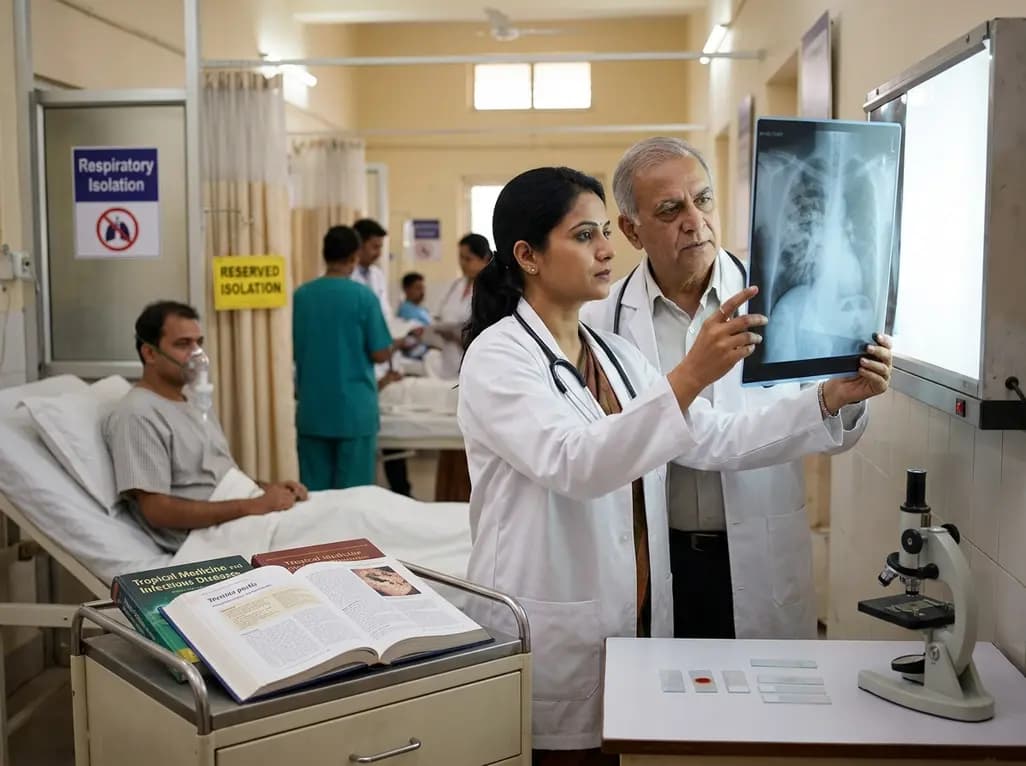
A laboratory technician's death in Siberia from an unverified respiratory pathogen has renewed global vigilance for pneumonic plague. Clinicians must recognize early presentations of Yersinia pestis, enforce immediate respiratory isolation, and start early bactericidal therapy to prevent severe secondary spread.
Today
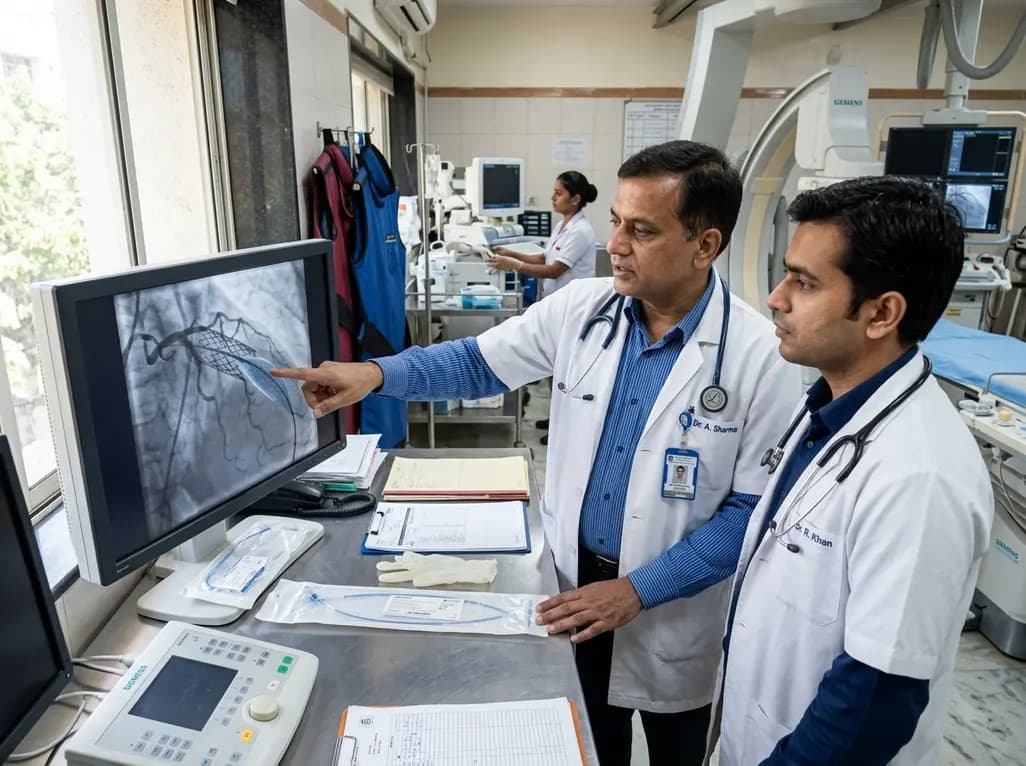
The US FDA has granted approval to the SELUTION SLR drug-eluting balloon for treating coronary in-stent restenosis. This milestone introduces a sustained-release sirolimus platform that eliminates the need for additional permanent metallic stents while maintaining robust vascular healing and luminal patency.
Today
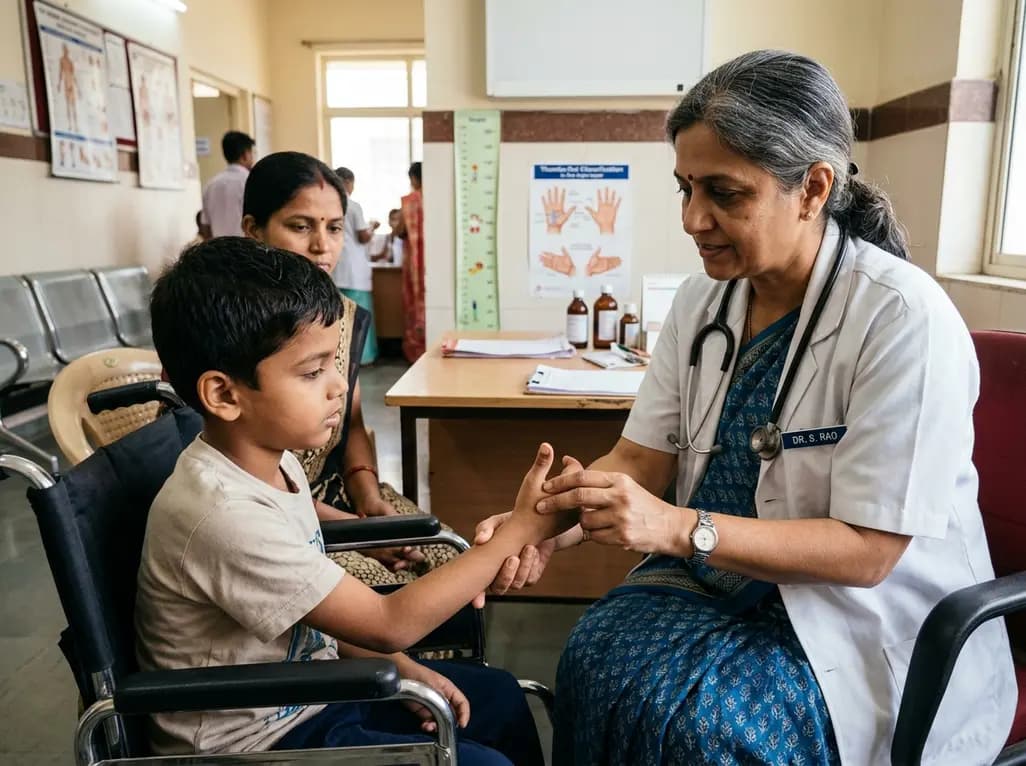
The Thumbs-Out Classification (TOC) is a reliable screening tool for detecting thumb-in-palm deformity in children with cerebral palsy. Utilizing traffic-light tiers for radial abduction, TOC enables clinicians to monitor upper limb function and initiate timely therapeutic or surgical interventions.
Today
A comprehensive review analyzes periconceptional GLP-1 receptor agonist exposure, revealing reassuring data on congenital anomalies and adverse perinatal outcomes while emphasizing the need for cautious patient counseling.
Today
