.webp&w=384&q=75)

Loading, please wait...
Loading, please wait...
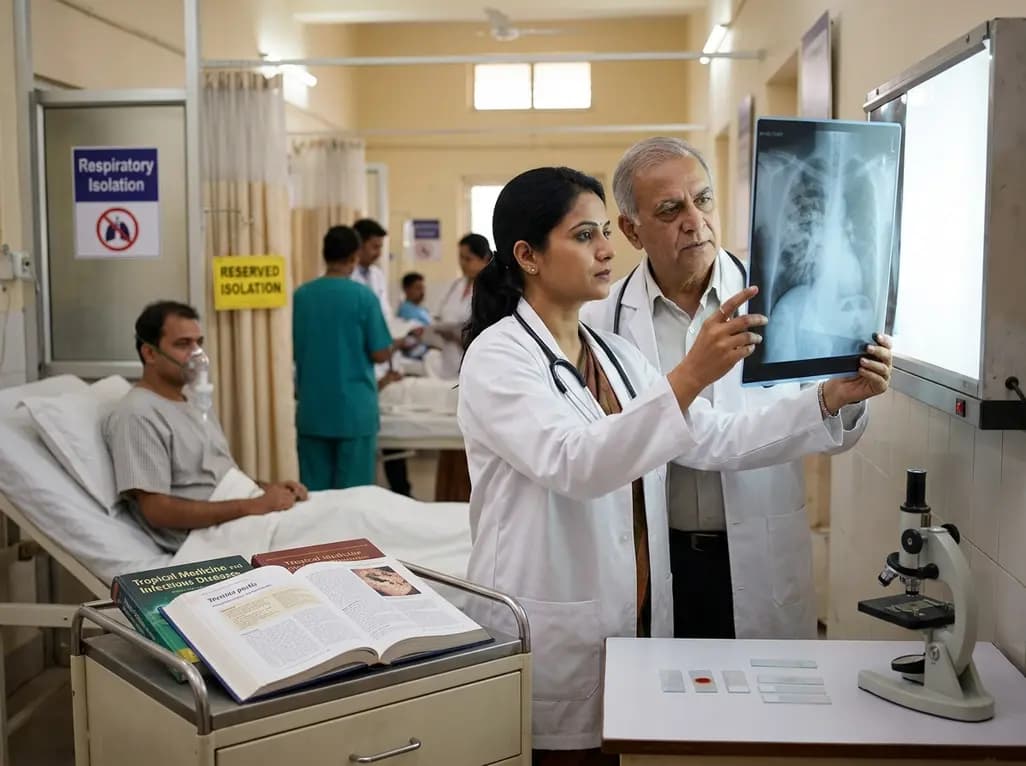
A sudden fatal respiratory event involving a research worker in Siberia has captured global epidemiological attention. The incident occurred at the Anti-Plague Research Institute in Shelekhov. There, a 28-year-old laboratory technician died from fulminant pneumonia. Although regional health authorities describe the situation as stable, the fatality ignited widespread fears of pneumonic plague. Consequently, regional officials initiated aggressive containment protocols across local medical centers. Furthermore, municipal administrators placed close contacts under mandatory quarantine. Meanwhile, specialized reference laboratories analyzed diagnostic specimens. For clinicians worldwide, this development underscores the continuous threat posed by high-consequence respiratory pathogens.
Public health agencies respond with extreme vigilance whenever unexplained fatal pneumonia strikes biosafety laboratory personnel. In this Siberian case, official reports from Rospotrebnadzor designated the condition as pneumonia of unknown etiology. However, regional political leaders acknowledged the theoretical possibility of Yersinia pestis infection due to the facility's specific research focus. Therefore, healthcare administrators placed nearly two hundred hospital contacts and community members under active medical surveillance. In addition, nearby industrial facilities advised workers to wear respiratory masks to prevent potential airborne exposure.
Uncertainty during such incidents often fuels public anxiety and speculative media reports. Despite official statements confirming negative test results among close contacts, panic prompted the isolation of maternity units and specialized clinical wards. Historically, laboratory-acquired infections represent rare but critical biosafety breaches that demand rapid containment. Epidemiologists must differentiate between true workplace biohazards and incidental community infections. Consequently, thorough contact tracing, environmental sampling, and prompt genetic sequencing remain vital steps during any unexplained institutional outbreak. Medical practitioners in all regions must monitor such biosafety events because international travel can rapidly disperse virulent pathogens across borders.
Pneumonic plague develops when Yersinia pestis directly invades the lower respiratory tract or metastasizes hematogenously from primary bubonic lesions. Unlike bubonic plague, which requires arthropod vectors like fleas, primary pneumonic plague transmits directly via infectious droplets between humans. When an individual inhales aerosolized droplets, the bacteria rapidly colonize the alveolar spaces. There, the pathogen utilizes specialized virulence mechanisms, including the type III secretion system and Yersinia outer proteins, to evade alveolar macrophages.
Consequently, the bacteria replicate exponentially without triggering an early inflammatory defense, establishing an initial pre-inflammatory phase. Subsequently, the pathogen induces a massive surge of pro-inflammatory cytokines, initiating a devastating cytokine cascade. This intense inflammatory reaction damages the pulmonary microvasculature, leading to extensive alveolar necrosis, pulmonary edema, and widespread intra-alveolar hemorrhage. As a result, patients experience rapidly progressive consolidation, profound hypoxemia, and secondary bacteremia. Without prompt therapeutic intervention, the disease triggers irreversible septic shock, disseminated intravascular coagulation, and multiple organ failure. Because Yersinia pestis destroys pulmonary parenchyma within hours, clinicians must recognize these pathological mechanisms to appreciate why immediate intervention is lifesaving.
Patients with pneumonic plague typically present after a brief incubation period of one to three days. Initially, individuals exhibit nonspecific systemic manifestations, including sudden high fever, chills, generalized myalgias, and severe headache. However, respiratory symptoms emerge rapidly within twenty-four hours. Patients develop a persistent cough, acute pleuritic chest pain, progressive dyspnea, and profound tachypnea. Notably, sputum production evolves from thin, watery secretions into copious, blood-tinged, or frankly hemoptysic sputum.
Diagnostic identification poses substantial challenges because early clinical features closely mimic severe influenza, severe bacterial pneumonia, or viral pneumonitis. Clinicians must maintain a high index of suspicion whenever a patient with severe pneumonia reports exposure to endemic rodent habitats or specialized research laboratories. Diagnostic protocols require immediate collection of blood cultures, sputum samples, and bronchoalveolar lavage fluid before antimicrobial administration. Laboratory technicians identify Yersinia pestis as bipolar-staining, gram-negative coccobacilli on Wayson or Wright-Giemsa stains. Furthermore, reference laboratories perform rapid antigen detection, polymerase chain reaction assays, and automated culture analysis under strict biosafety level three conditions. Clinicians must never delay antimicrobial therapy while waiting for these microbiological confirmations.
Pneumonic plague carries a case fatality rate approaching one hundred percent if patients do not receive treatment within twenty-four hours of symptom onset. Therefore, clinicians must initiate aggressive parenteral antimicrobial therapy immediately upon suspecting the disease. International health authorities recommend aminoglycosides, specifically gentamicin and streptomycin, as first-line bactericidal agents. Aminoglycosides demonstrate rapid bactericidal activity against Yersinia pestis and reliably decrease mortality when physicians administer them early in the disease course.
Alternatively, intravenous fluoroquinolones, including ciprofloxacin, levofloxacin, and moxifloxacin, serve as highly effective first-line therapeutic alternatives. Fluoroquinolones provide superior tissue penetration into infected lung parenchyma and carry fewer nephrotoxic risks than aminoglycosides. In addition, clinicians frequently administer doxycycline or chloramphenicol when primary agents are contraindicated or unavailable. Supportive intensive care remains equally critical for survival. Medical teams must provide lung-protective mechanical ventilation, aggressive hemodynamic stabilization, and cautious fluid resuscitation to combat septic shock. Furthermore, therapeutic regimens typically extend for ten to fourteen days. When medical teams combine prompt bactericidal antimicrobials with advanced hemodynamic support, patient survival improves substantially.
Effective containment of pneumonic plague hinges on strict infection prevention and rigorous public health interventions. Because respiratory droplets transmit Yersinia pestis over short distances, hospital staff must place suspected patients in negative-pressure airborne isolation rooms immediately. Healthcare workers must wear complete personal protective equipment, including fitted N95 or FFP3 respirators, eye protection, fluid-resistant gowns, and double gloves. In addition, hospitals must implement standard droplet precautions during all bedside procedures.
Public health authorities must initiate comprehensive contact tracing within hours of identifying an index case. Epidemiologists define close contacts as individuals who were within two meters of a symptomatic patient during the infectious window. Consequently, these exposed contacts require seven days of active temperature monitoring alongside post-exposure chemoprophylaxis. Standard prophylaxis regimens include oral doxycycline or oral ciprofloxacin taken twice daily for seven days. Furthermore, national surveillance frameworks must maintain active biosafety audits across research institutes handling dangerous biological agents. By maintaining stringent biosafety compliance, robust isolation protocols, and reliable antimicrobial stockpiles, healthcare systems can neutralize isolated laboratory accidents before they spark dangerous community outbreaks.
Q1: How do clinicians differentiate pneumonic plague from severe community-acquired pneumonia?
Clinicians differentiate primary pneumonic plague by its acute fulminant onset and dramatic absence of peripheral buboes. Patients rapidly develop productive cough, marked tachypnea, hemoptysis, and bilateral alveolar consolidations. Conversely, typical community-acquired bacterial pneumonia manifests with localized infiltrates, more indolent progression, and less pronounced hemodynamic collapse. Therefore, when encountering severe respiratory deterioration with occupational bio-threat exposure or endemic travel history, physicians must strongly suspect plague and initiate prompt diagnostic microbiology without delay.
Q2: What immediate isolation protocols must hospitals establish for a suspected plague patient?
Medical teams must isolate the index patient immediately in a negative-pressure isolation room using airborne and droplet precautions. Furthermore, healthcare personnel must wear fitted N95 respirators, eye shields, gowns, and gloves during all clinical interactions. In addition, infection control officers must trace every close contact exposed within two meters. Close contacts require active surveillance twice daily for fever and prompt post-exposure chemoprophylaxis with oral doxycycline or ciprofloxacin for seven days.
Q3: Which antibiotic regimens are recommended as first-line therapy for pneumonic plague?
Clinicians must administer parenteral aminoglycosides such as gentamicin or streptomycin as first-line therapy for severe pneumonic plague. Alternatively, intravenous fluoroquinolones like ciprofloxacin or levofloxacin provide excellent tissue penetration and bactericidal activity. Because untreated pneumonic plague progresses rapidly to refractory septic shock within twenty-four hours, physicians must not withhold antimicrobials while waiting for blood cultures or molecular confirmation. Consequently, early therapeutic coverage dramatically reduces mortality rates.
Disclaimer: This content is for informational and educational purposes only. It does not constitute medical advice or replace professional judgment. Refer to the latest local and national guidelines for clinical practice.
References

Read summarized clinical updates, watch expert medical content, and earn CME certifications right from your smartphone.
Open your smartphone camera to scan and install.





A laboratory technician's death in Siberia from an unverified respiratory pathogen has renewed global vigilance for pneumonic plague. Clinicians must recognize early presentations of Yersinia pestis, enforce immediate respiratory isolation, and start early bactericidal therapy to prevent severe secondary spread.
Today
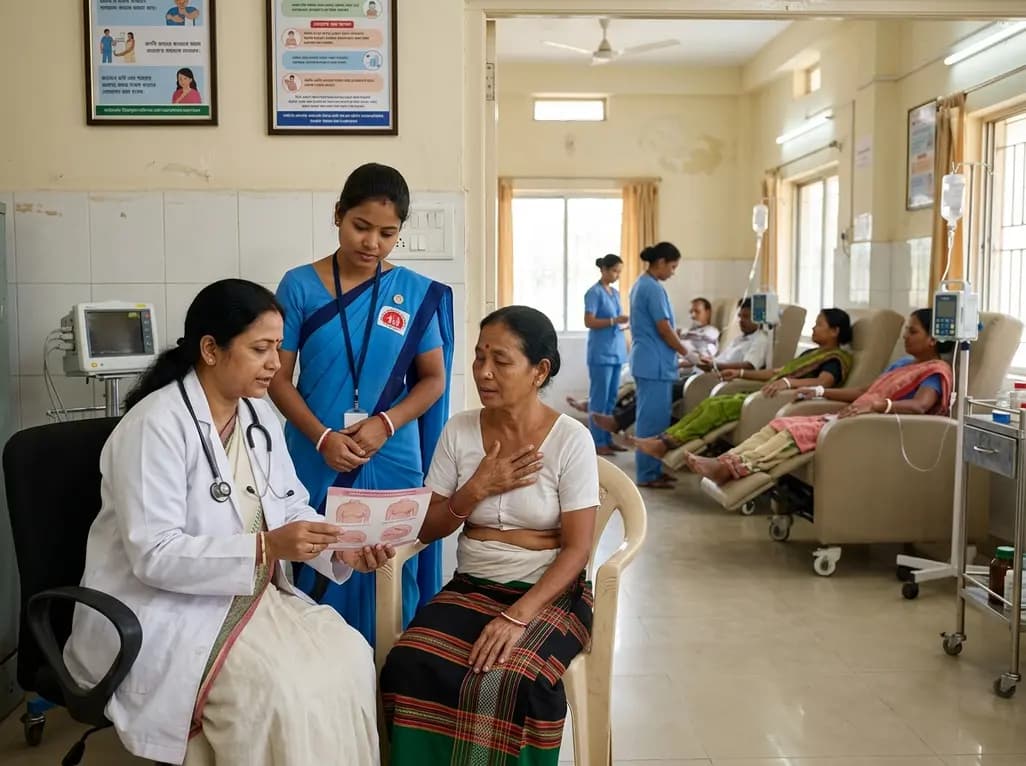
Tripura has launched a comprehensive statewide oncology campaign to address late-stage breast cancer presentations. By strengthening community screening for women aged 30 and older and expanding District Day Care Cancer Centres, the initiative improves early clinical detection and decentralized chemotherapy access.
Today
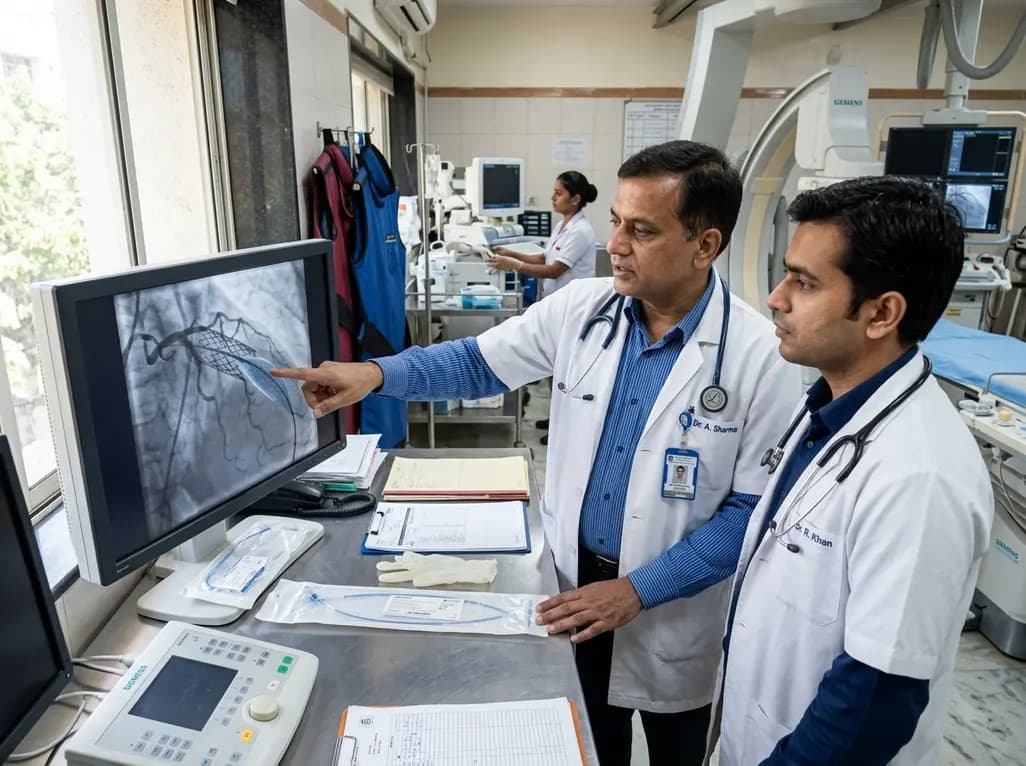
The US FDA has granted approval to the SELUTION SLR drug-eluting balloon for treating coronary in-stent restenosis. This milestone introduces a sustained-release sirolimus platform that eliminates the need for additional permanent metallic stents while maintaining robust vascular healing and luminal patency.
Today
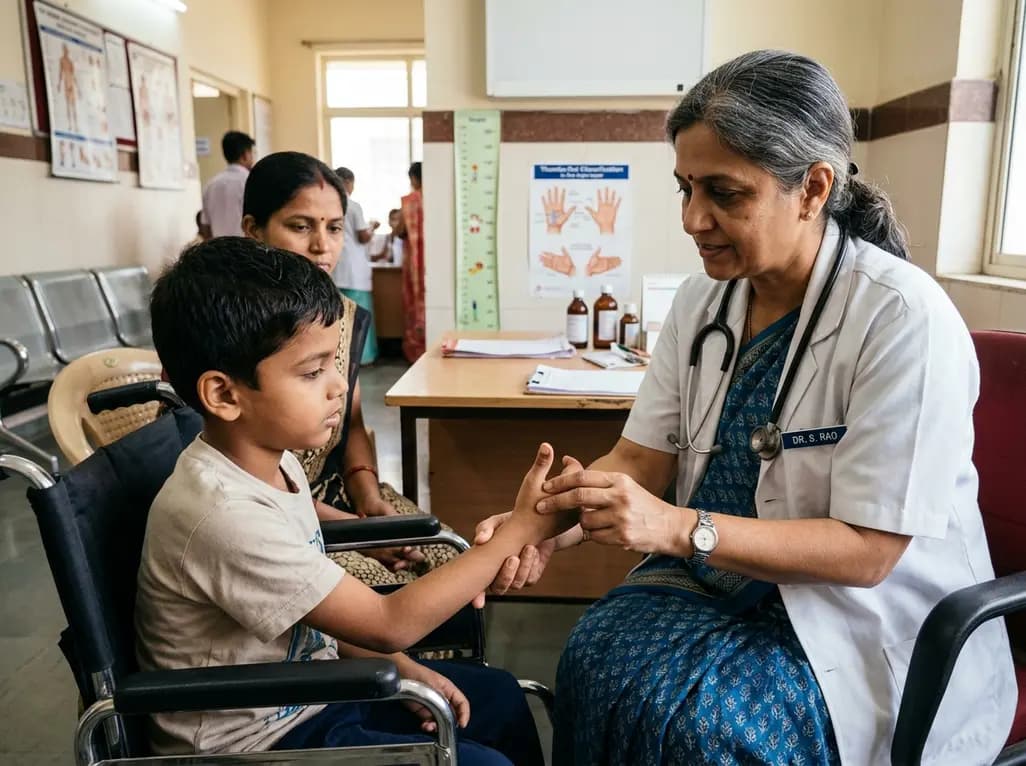
The Thumbs-Out Classification (TOC) is a reliable screening tool for detecting thumb-in-palm deformity in children with cerebral palsy. Utilizing traffic-light tiers for radial abduction, TOC enables clinicians to monitor upper limb function and initiate timely therapeutic or surgical interventions.
Today
A comprehensive review analyzes periconceptional GLP-1 receptor agonist exposure, revealing reassuring data on congenital anomalies and adverse perinatal outcomes while emphasizing the need for cautious patient counseling.
Today
