.webp&w=384&q=75)

Loading, please wait...
Loading, please wait...
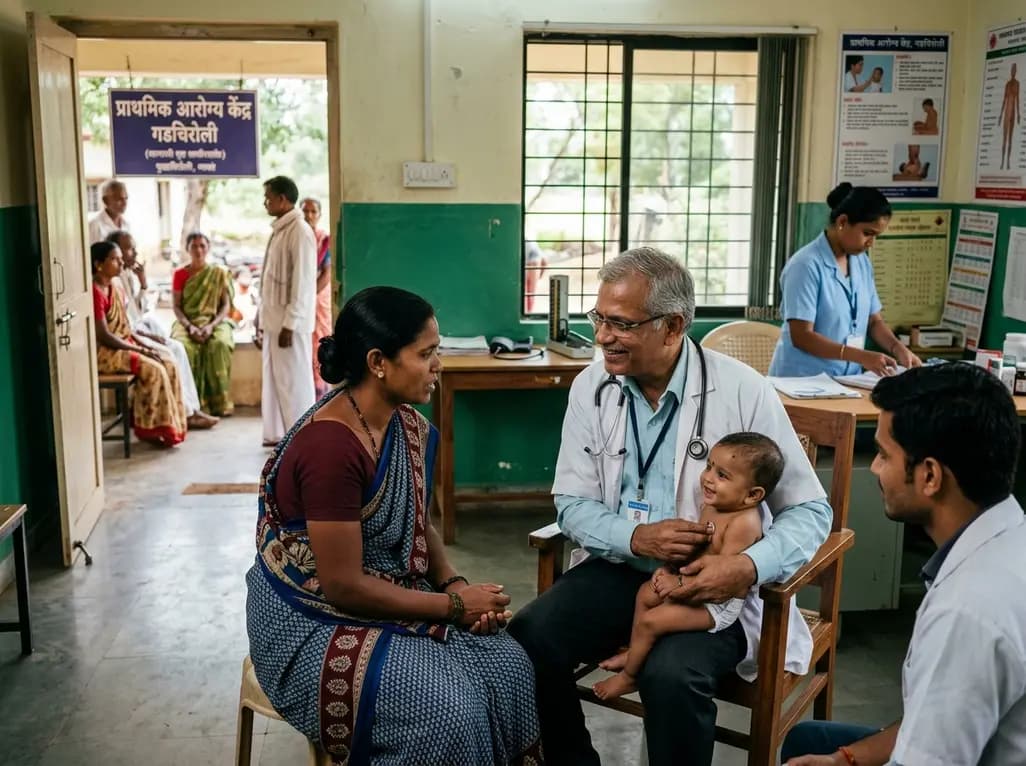
Rural healthcare in India has undergone profound structural transformations over the past four decades. Historically, remote rural and tribal regions faced severe deficits in basic medical access and public health infrastructure. Pioneering clinicians like Dr. Abhay Bang and Dr. Rani Bang established the Society for Education, Action and Research in Community Health (SEARCH) in Gadchiroli in 1986. Consequently, they demonstrated how grassroots engagement can dramatically lower infant mortality and alter public health paradigms. Today, India observes substantial declines in maternal and child mortality alongside an expanding primary healthcare network. However, stark systemic challenges persist across underserved populations. Healthcare delivery requires more than physical infrastructure; it demands cultural safety, empathetic care, and sustainable local trust. Understanding this multi-decade evolution provides vital clinical insights for contemporary healthcare practitioners serving rural communities.
Four decades ago, rural healthcare in India confronted staggering neonatal and child mortality rates. In tribal districts such as Gadchiroli, the infant mortality rate exceeded 120 deaths per 1,000 live births. Furthermore, deep-seated cultural barriers distanced indigenous populations from modern medical institutions. Dr. Abhay Bang noted that tribal villagers initially avoided physicians wearing white coats because white symbolized shroud cloths used for funerals. Therefore, healthcare delivery demanded a complete reimagining of conventional clinical outreach.
SEARCH addressed these profound cultural barriers by developing culturally congruent community interventions. They designed a tribal-friendly hospital that integrated local architectural motifs, open gathering spaces, and family accommodations. Most importantly, Dr. Bang introduced the revolutionary Home-Based Newborn Care (HBNC) model. Under this model, trained village health workers detected neonatal sepsis, managed low birth weight, and delivered vital postpartum interventions directly at home. Consequently, neonatal mortality plummeted by nearly 70 percent within intervention villages. This remarkable success proved that decentralized primary care could overcome acute geographic isolation. Subsequently, the World Health Organization and UNICEF adopted the HBNC framework internationally. This grassroots model illustrates how empathetic, localized approaches can achieve public health outcomes that centralized hospitals often fail to deliver.
In the 1980s, India maintained only one Primary Health Centre (PHC) for roughly every 100,000 citizens. In contrast, current public health investments have established a PHC for approximately every 30,000 people. Additionally, the government has accelerated the rollout of Ayushman Arogya Mandirs, previously known as Health and Wellness Centres. In tribal regions, these wellness centres now serve clusters of roughly 3,000 individuals. This rapid physical expansion represents an undeniable logistical achievement in rural health system strengthening.
However, physical brick-and-mortar access does not automatically translate into consistent clinical utilization. Dr. Bang emphasizes that public healthcare facilities still encounter substantial deficits in community trust. Consequently, impoverished rural families often turn to private practitioners and informal providers, even when incurring devastating out-of-pocket expenses. Government health facilities continue to serve as the baseline source of modern clinical medicine for remote tribal communities. Nevertheless, inconsistent drug supplies, medical absenteeism, and transactional doctor-patient interactions alienate rural patients. Therefore, healthcare systems must prioritize interpersonal communication, dignity, and reliability alongside infrastructure. Primary care clinicians must actively nurture therapeutic relationships to rebuild community faith in public health infrastructure. Without genuine trust, modern diagnostic equipment and physical clinics remain underutilized assets.
For decades, public health programming concentrated on infectious pathogens, malnutrition, and neonatal survival. As a result of sustained immunization campaigns and maternal child health initiatives, national infant mortality declined from 100 to 25 per 1,000 live births. Simultaneously, average life expectancy expanded substantially across all demographic tiers. However, this demographic transition has generated an unprecedented secondary challenge: an aggressive epidemic of non-communicable diseases (NCDs) in rural regions.
Tribal and rural populations now experience rising rates of hypertension, diabetes, ischemic heart disease, and stroke. Dr. Bang underscores that tackling chronic conditions differs fundamentally from managing acute infectious episodes. Infectious illnesses often resolve with short-course antimicrobial therapies or mass vaccination drives. In contrast, NCDs lack singular preventative vaccines or simple curative treatments. Instead, chronic diseases demand lifelong pharmacotherapy, systematic lifestyle modifications, and continuous diagnostic surveillance. Moreover, rural primary care centres frequently lack the diagnostic capacity and steady drug inventory required for chronic disease maintenance. Rural practitioners must therefore integrate screening algorithms for metabolic syndrome into routine outpatient care. Furthermore, clinicians must educate village health workers to track medication compliance and monitor blood pressure within rural households. Addressing this double burden requires transforming rural health systems from acute rescue stations into resilient chronic care ecosystems.
Mandatory rural service bonds represent the standard regulatory strategy to combat rural doctor shortages in India. While compulsory postings may provide temporary staffing relief, Dr. Bang argues that they fail to resolve deep systemic deficits. Specifically, compulsory schemes rarely instill genuine dedication or clinical joy in serving underserved communities. Instead, alienated physicians often perceive mandatory rural tenure as a punitive delay in their career progression.
Consequently, Dr. Bang points directly to foundational flaws in medical education and candidate selection. Contemporary medical entrance exams, such as the National Eligibility cum Entrance Test (NEET), prioritize rote factual memorization over clinical aptitude. These standardized multiple-choice assessments cannot evaluate essential clinical virtues, including empathy, cultural humility, and social conscience. Furthermore, modern artificial intelligence and digital search engines readily outperform humans at factual recall. Therefore, medical selection criteria should evolve to evaluate interpersonal attitudes, social adaptability, and altruistic commitment. Medical colleges must also expose trainees to immersive community medicine rather than confining instruction to tertiary teaching hospitals. By prioritizing humanistic values alongside academic rigor, India can cultivate clinicians who genuinely embrace rural service rather than actively avoiding it.
A major historic shortcoming of national health programs involves top-down decision-making. Policymakers in distant administrative centers often design rigid healthcare interventions without consulting the recipient communities. Dr. Bang warns that treating diverse rural populations as passive recipients compromises public health sustainability. Top-down policies frequently overlook local ecological realities, community beliefs, and social hierarchies.
In contrast, sustainable health systems rely on participatory community research and active local dialogue. Dr. Bang advises young healthcare professionals to go where problems exist rather than congregating where luxury facilities thrive. When clinicians listen respectfully to rural communities, they discover pragmatic solutions that centralized planners overlook. For example, SEARCH achieved sustained success by collaborating with traditional village elders, women's self-help groups, and local healers. This participatory model empowered communities to take ownership of maternal health, child nutrition, and addiction management. Therefore, doctors working in rural settings must adopt the posture of respectful facilitators rather than authoritative directors. Engaging communities in decision-making transforms clinical practice from an external imposition into a shared societal journey. Ultimately, true healthcare equity requires putting healthcare knowledge and tools directly into the hands of the people.
Q1: What is the Home-Based Newborn Care model developed by Dr. Abhay Bang?
The Home-Based Newborn Care model is a community-driven healthcare framework developed in Gadchiroli by SEARCH. It trains female village health workers to detect and manage high-risk neonatal conditions, including neonatal sepsis, low birth weight, and hypothermia, directly inside rural homes. Consequently, this decentralized strategy reduced neonatal mortality by nearly 70 percent. The World Health Organization and national programs subsequently adopted this intervention globally.
Q2: Why are non-communicable diseases becoming a major challenge in rural India?
Rural India is undergoing a rapid demographic and epidemiological transition. While infant mortality has fallen and life expectancy has increased, rural populations now face rising rates of hypertension, diabetes, and stroke. Unlike infectious diseases, chronic conditions require ongoing diagnostic surveillance, lifelong pharmacotherapy, and lifestyle changes. Furthermore, rural healthcare centers frequently lack adequate diagnostic tools and uninterrupted medicine supplies to manage these complex chronic ailments effectively.
Q3: How should medical education adapt to address rural healthcare shortages?
Medical entrance systems must evaluate candidate empathy, social orientation, and ethical dedication rather than relying exclusively on rote factual recall. Because technology readily retrieves medical facts, physician selection should identify compassionate candidates suited for community service. Furthermore, medical curricula should include longitudinal rural clinical rotations. These immersive community exposures allow trainees to develop cultural humility, practical problem-solving skills, and genuine motivation for rural medical practice.
Disclaimer: This content is for informational and educational purposes only. It does not constitute medical advice or replace professional judgment. Refer to the latest local and national guidelines for clinical practice.
References

Read summarized clinical updates, watch expert medical content, and earn CME certifications right from your smartphone.
Open your smartphone camera to scan and install.





Dr. Abhay Bang reflects on four decades of community medicine in Gadchiroli, highlighting sharp reductions in infant mortality, expanding primary health centers, the emerging crisis of non-communicable diseases, and the critical need to reform medical education to prioritize empathy over rote memorization.
Today
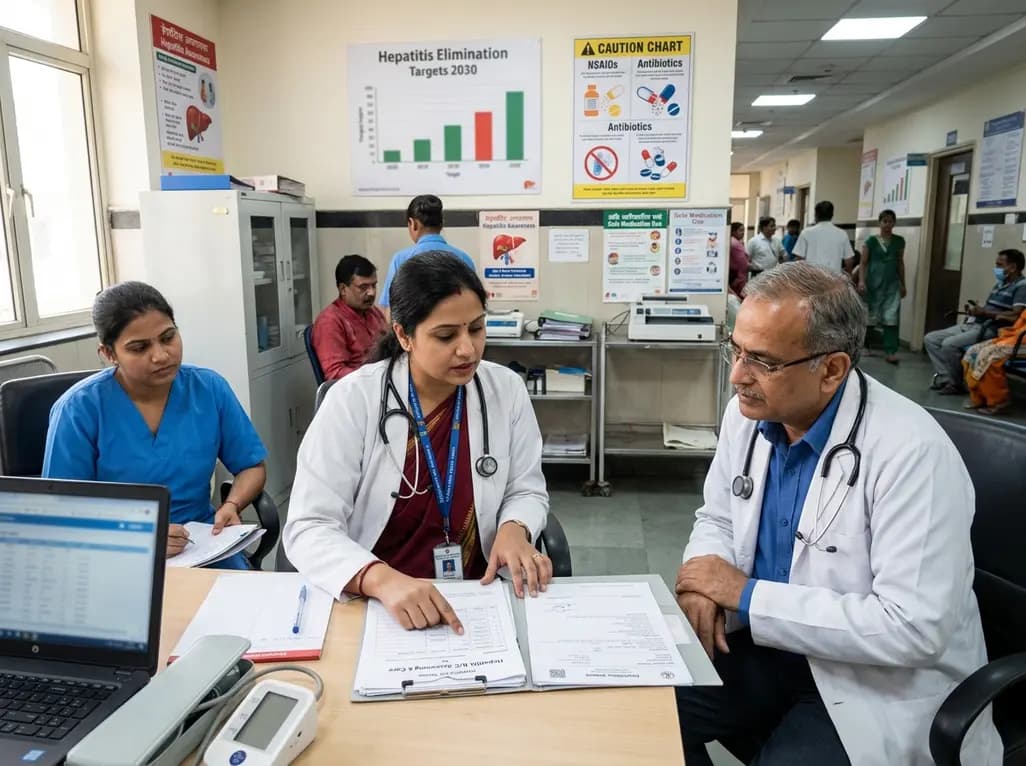
At a UN General Assembly side event, India reaffirmed its commitment to eliminate viral hepatitis B and C by 2030. Simultaneously, national drug authorities have cautioned clinicians and pharmacists against the indiscriminate prescription of NSAIDs and antibiotics to prevent drug-induced chronic kidney disease.
Today

A school-based intervention using the Health Action Process Approach (HAPA) significantly enhanced adolescents' perceived benefits of consulting healthcare providers and promoted proactive menstrual health behaviors, offering key clinical insights for managing adolescent dysmenorrhea and endometriosis.
Today
A landmark dose-response meta-analysis of 8.8 million adults reveals that high ultra-processed food intake significantly elevates risks for cardiovascular disease, cancer, diabetes, depression, and all-cause mortality, highlighting urgent needs for clinical lifestyle interventions.
Today
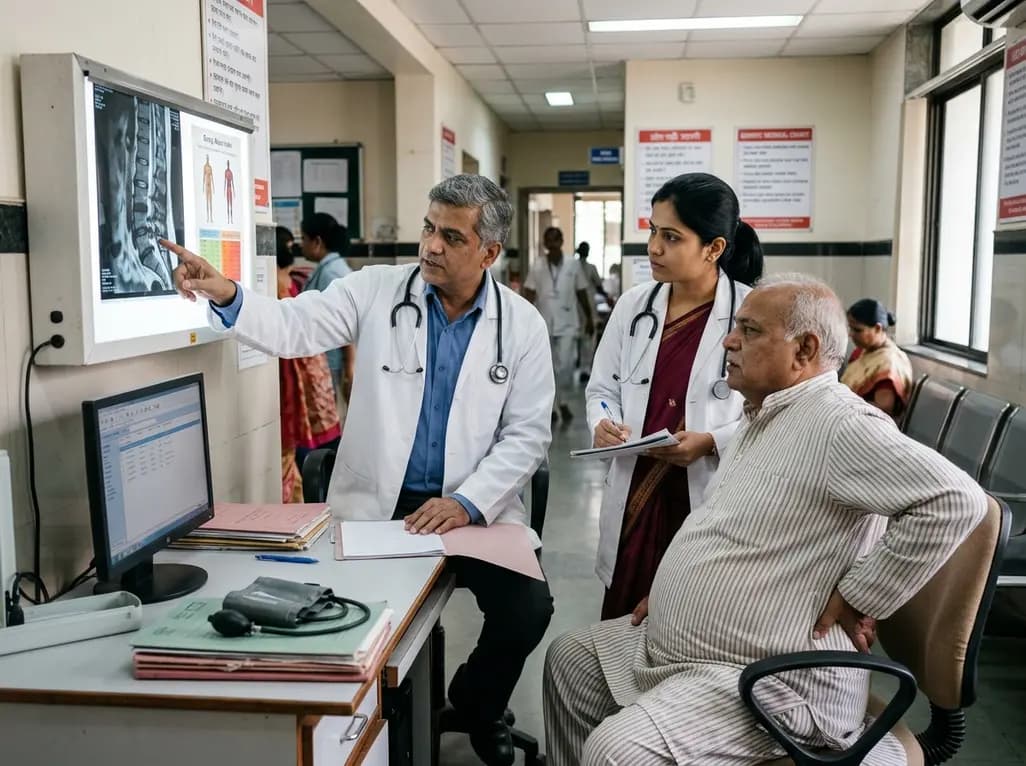
A cross-sectional study reveals that sarcopenic obesity independently increases functional impairment and severe disc degeneration in patients with degenerative lumbar spinal stenosis, highlighting the need for body composition assessment.
Today
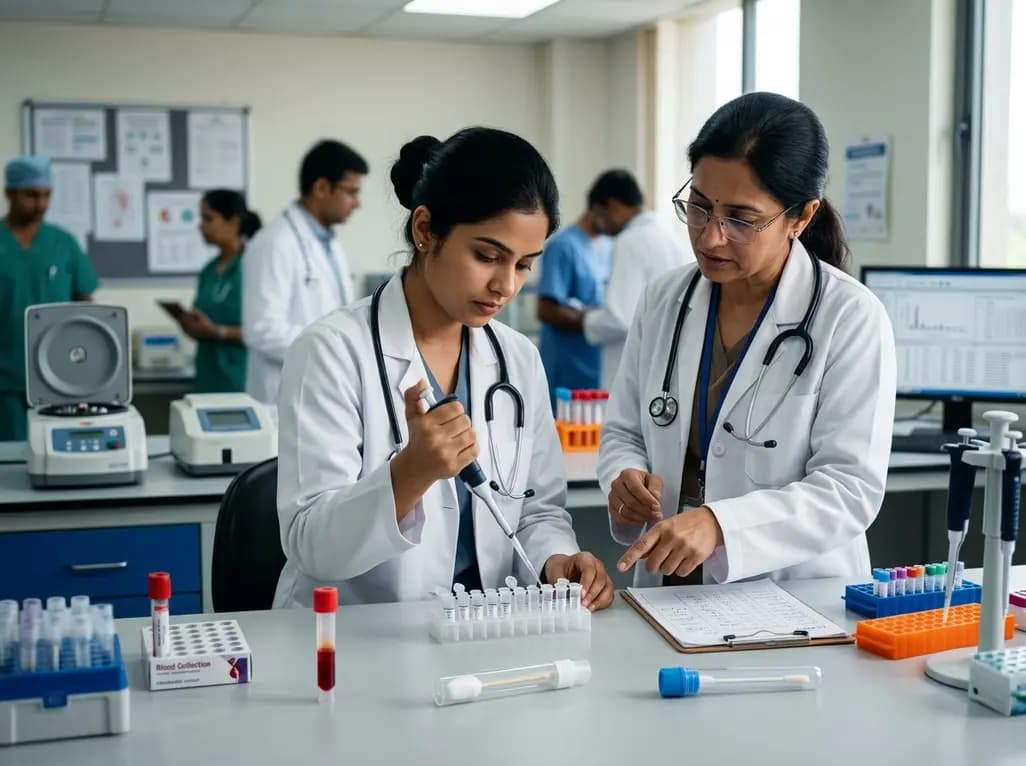
Non-invasive biospecimen sampling offers exciting opportunities for stress medicine. This article examines a pioneering protocol comparing cortisol, inflammatory cytokines, and metabolic markers across blood plasma, whole saliva, and oral mucosal transudate during baseline and acute stress states.
Today
