.webp&w=384&q=75)

Loading, please wait...
Loading, please wait...

Optimizing adolescent menstrual health remains a formidable clinical challenge for healthcare providers globally and in India. Young women frequently normalize debilitating dysmenorrhea, abnormal uterine bleeding, and pelvic pain due to prevailing social stigma and limited health literacy. Consequently, young patients experience profound delays in seeking timely medical consultation for treatable conditions such as endometriosis and polycystic ovary syndrome. A landmark study evaluates the impact of behavioral theory on healthcare-seeking behaviors among adolescent girls. By applying structured behavioral frameworks, clinicians and educators can empower young patients to overcome hesitation and seek medical care promptly.
Behavioral change theories offer systematic roadmaps to understand why knowledge alone rarely translates into timely medical consultations. Specifically, the Health Action Process Approach categorizes health behavior change into two sequential phases: the motivational phase and the volitional phase. During the motivational phase, individuals develop an intention to act through risk perception, outcome expectancies, and self-efficacy. However, intention alone does not guarantee proactive action. The volitional phase bridges this critical gap through concrete action planning, coping strategies, and maintenance self-efficacy. In the recent study by Bollinger and colleagues, researchers delivered two interactive sessions to adolescent girls in high schools. The curriculum integrated comprehensive physiological education regarding normal cycles and endometriosis symptoms with specific behavioral modeling exercises. Consequently, participants demonstrated a significant rise in the perceived benefits of scheduling a formal medical evaluation. In addition, the participants established higher confidence in articulating their pain to doctors. Clinicians must recognize that providing clinical facts without psychological empowerment leaves adolescents vulnerable to symptom neglect. Therefore, adopting behavioral models within school health initiatives creates measurable readiness to engage reproductive healthcare services.
Endometriosis frequently begins during adolescence, yet patients typically endure an average diagnostic delay of seven to nine years. Historically, cultural norms dismiss severe cyclic pelvic pain as an inevitable element of female physiology. Consequently, young women endure debilitating cramps, severe school absenteeism, and diminished quality of life in silence. The intervention evaluated by Bollinger and co-authors specifically targeted endometriosis education to disrupt this dangerous cycle of normalization. By teaching adolescents to differentiate physiological cramping from pathological dysmenorrhea, the curriculum fundamentally altered how young women evaluate their symptoms. Furthermore, clarifying red flag symptoms, such as pain refractory to simple analgesics or gastrointestinal distress, stimulated proactive risk awareness. Healthcare practitioners frequently encounter young adults whose early-stage disease progressed to advanced pelvic adhesions precisely because early symptoms went uninvestigated. Therefore, early detection during adolescence preserves future fertility and prevents persistent central sensitization. When community and educational programs validate menstrual distress, adolescents develop the necessary self-awareness to request specialized gynecological evaluations. Thus, behavioral interventions operate as indispensable screening mechanisms that mitigate long-term gynecological morbidity.
Clinicians frequently observe that possessing an intention to seek medical care does not guarantee clinic attendance. Indeed, health psychology defines this disparity as the intention-behavior gap. Within adolescent gynecological health, multiple formidable barriers prevent young individuals from translating good intentions into scheduled clinical visits. For example, adolescents frequently encounter logistical anxieties, fear of pelvic examinations, parental judgment, and embarrassment. To counter these barriers, the Health Action Process Approach emphasizes actionable planning mechanisms. The study demonstrated that explicit action planning exercises significantly increased follow-through among participants. Specifically, students developed personalized strategies defining when, where, and how they would contact a medical provider. Additionally, the intervention incorporated coping planning, which prepared adolescents to navigate real-world obstacles like dismissive attitudes or scheduling conflicts. In clinical practice, pediatricians and gynecologists can adopt identical methodologies during routine preventive encounters. By prompting adolescents to formulate concrete coping strategies, practitioners ensure that patients maintain proactive control over their reproductive well-being. Consequently, structured planning transforms passive awareness into active healthcare navigation.
Primary care physicians, pediatricians, and gynecologists represent the initial touchpoint for adolescents seeking menstrual guidance. However, young patients often present with generalized complaints, including chronic fatigue, vague pelvic discomfort, or digestive upset, rather than explicitly discussing dysmenorrhea. Therefore, clinicians must maintain high clinical suspicion and proactively elicit comprehensive menstrual histories during every adolescent health assessment. Using validated symptom-tracking tools and structured questionnaires significantly lowers the barrier for reticent teenagers. Moreover, physicians must deliberately validate reported pain to counter historical medical dismissiveness. When an adolescent reveals disabling menstrual symptoms, clinicians must outline practical diagnostic and therapeutic pathways immediately. For example, offering clear expectations regarding non-invasive diagnostics, like transabdominal pelvic ultrasonography and empirical nonsteroidal therapy, alleviates procedural anxiety. Furthermore, explaining combined hormonal management as restorative rather than purely contraceptive builds therapeutic rapport with both adolescents and their families. Consequently, creating an adolescent-friendly, confidential clinical environment fosters sustained trust. Ultimately, physicians who adopt compassionate, structured communication encourage adolescents to engage actively with lifelong reproductive healthcare.
The findings from French high schools carry profound clinical relevance for the Indian healthcare ecosystem. In India, adolescent girls face substantial socio-cultural taboos, restricted access to hygienic sanitary products, and widespread silence surrounding reproductive health. According to national health surveys, a striking proportion of adolescent females remain unaware of the physiological basis of menstruation before menarche. Furthermore, severe cultural stigmas frequently prevent girls from discussing pelvic pain or heavy menstrual bleeding with parents and family physicians. Therefore, implementing school-based behavioral interventions adapted to local socio-demographic realities is paramount. Indian health authorities, such as the Rashtriya Kishor Swasthya Karyakram, can leverage Health Action Process Approach principles within school health curricula. Integrating interactive educational modules that combine menstrual physiology with action-planning exercises can effectively demystify gynecological disorders across rural and urban districts. Additionally, community health workers and accredited social health activists can reinforce these behavioral strategies at the grassroots level. By transforming passive educational programs into structured behavioral interventions, Indian healthcare professionals can successfully dismantle deep-seated stigmas and accelerate timely gynecological consultations.
The Health Action Process Approach systematically divides behavior change into motivational goal-setting and volitional goal-pursuit phases. First, it strengthens perceived outcome expectancies and risk perception regarding menstrual disorders like endometriosis. Subsequently, it bridges the intention-behavior gap by teaching adolescents concrete action planning and coping strategies. Consequently, adolescents learn exactly when, where, and how to schedule medical consultations while developing resilience against social embarrassment, fear, and institutional barriers.
Clinicians should evaluate adolescents presenting with secondary dysmenorrhea, pelvic pain unresponsive to nonsteroidal anti-inflammatory drugs, or severe school absenteeism. Additional red flags include heavy menstrual bleeding resulting in iron-deficiency anemia, irregular cycles persisting two years post-menarche, and cyclic gastrointestinal or urinary disturbances. Recognizing these clinical indicators promptly allows healthcare providers to diagnose conditions such as endometriosis, uterine anomalies, or bleeding disorders before significant physical and emotional morbidity develops.
Clinicians must prioritize clear, compassionate communication and assure adolescents that internal pelvic examinations are rarely required for initial dysmenorrhea evaluations. Instead, physicians should emphasize that non-invasive modalities, such as abdominal ultrasonography, external abdominal examinations, and detailed clinical histories, guide initial treatment. Furthermore, providing chaperone support, ensuring complete confidentiality, and thoroughly explaining all therapeutic options help alleviate procedural anxiety and foster long-term therapeutic trust with adolescent patients.
Disclaimer: This content is for informational and educational purposes only. It is not intended to provide medical advice, diagnosis, or treatment and should not replace clinical judgment or professional medical training. Healthcare professionals should make decisions based on individualized patient assessments, specific hospital protocols, and up-to-date scientific research. Please consult appropriate medical authorities and resources for case-specific considerations. Refer to the latest local and national guidelines for clinical practice.
References

Read summarized clinical updates, watch expert medical content, and earn CME certifications right from your smartphone.
Open your smartphone camera to scan and install.





A school-based intervention using the Health Action Process Approach (HAPA) significantly enhanced adolescents' perceived benefits of consulting healthcare providers and promoted proactive menstrual health behaviors, offering key clinical insights for managing adolescent dysmenorrhea and endometriosis.
Today
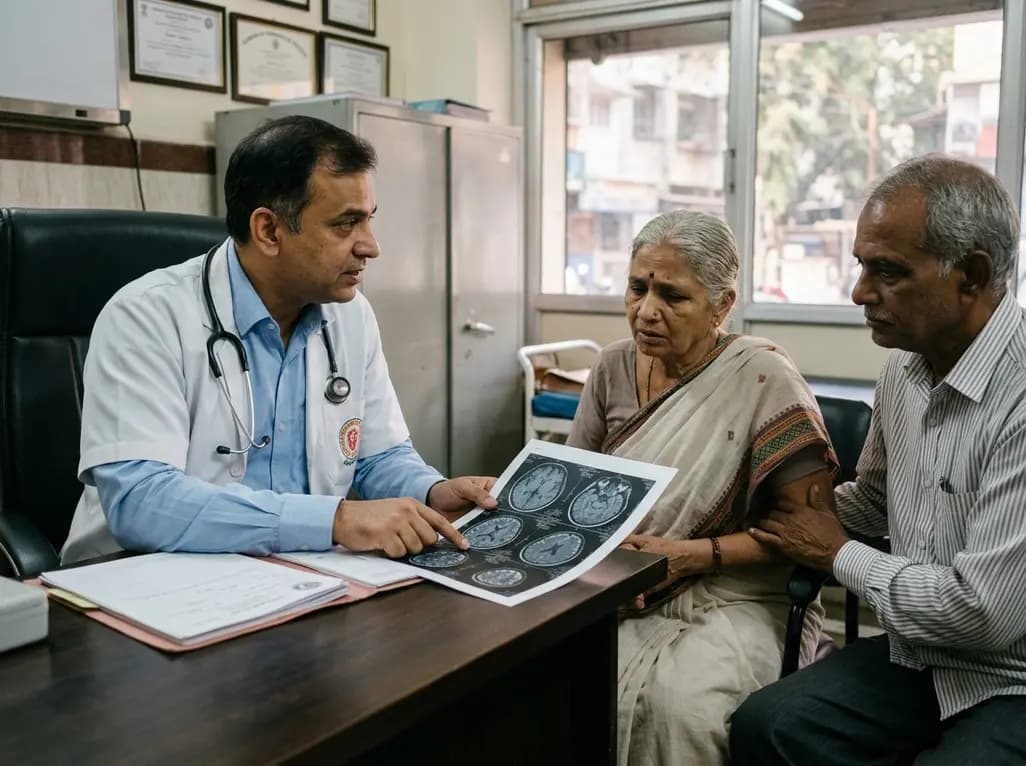
With dementia cases in India projected to double, clinicians must recognize neurodegenerative decline before irreversible neuron loss occurs. This review explores differential diagnostic strategies for memory loss, the growing disease burden, and the targeted application of newly approved anti-amyloid therapies.
Today
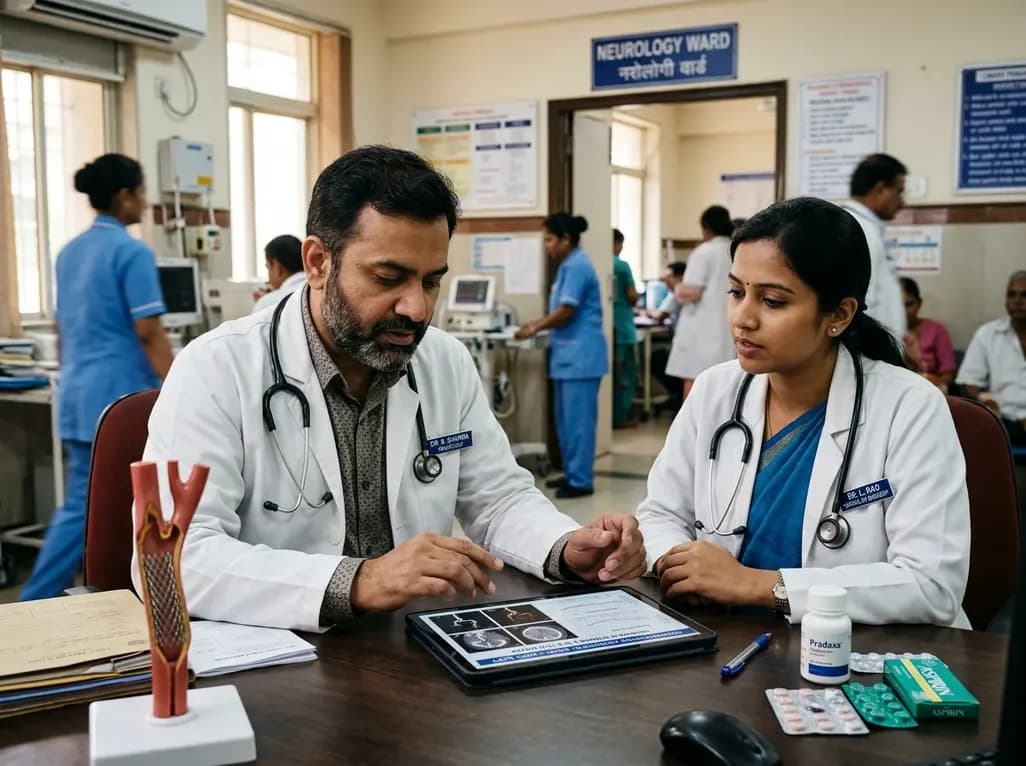
A multicenter propensity-matched study evaluated DOAC plus single versus dual antiplatelet therapy after carotid artery stenting. Findings revealed comparable intracranial hemorrhage and ischemic stroke rates, supporting DOAC plus SAPT as a viable antithrombotic strategy in high-risk patients.
Today
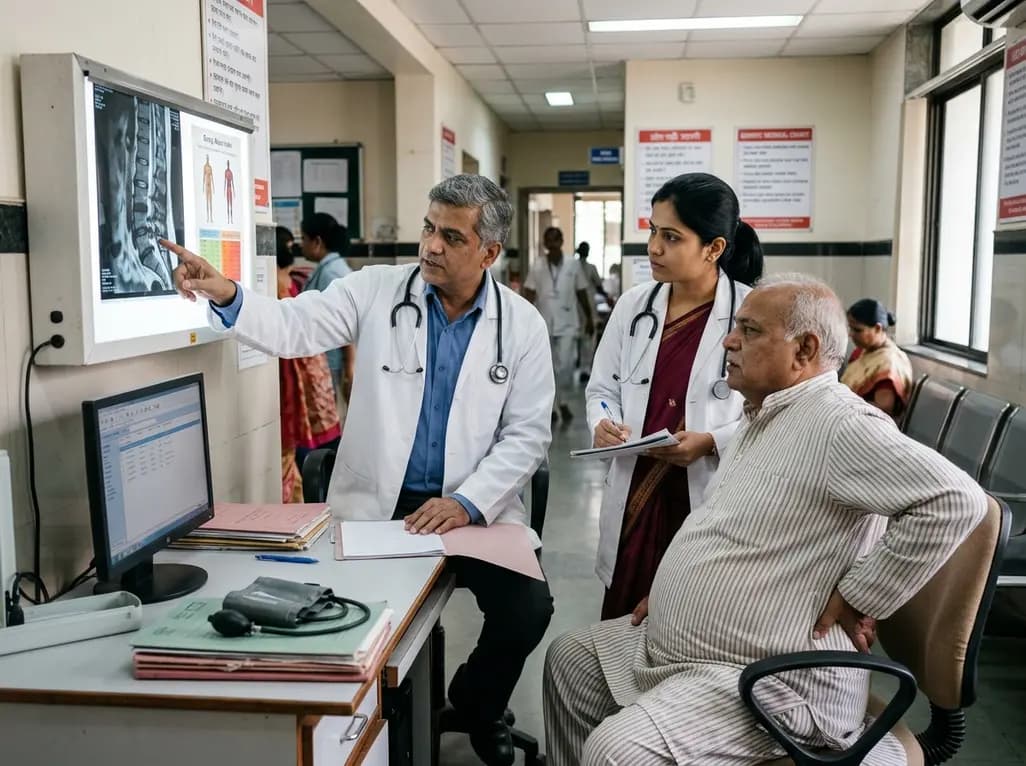
A cross-sectional study reveals that sarcopenic obesity independently increases functional impairment and severe disc degeneration in patients with degenerative lumbar spinal stenosis, highlighting the need for body composition assessment.
Today
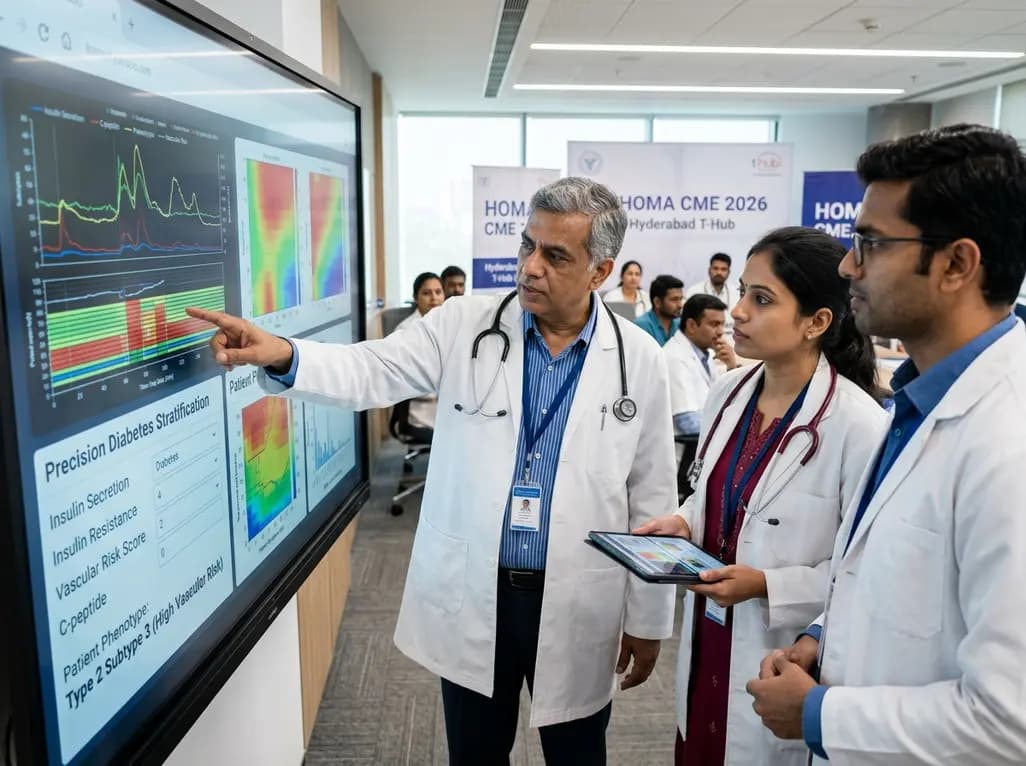
At Homa CME 2026 at Hyderabad's T-Hub, healthcare leaders emphasized moving beyond routine metrics through digital calculators and precision stratification. Discover why characterizing individual insulin secretion, resistance patterns, and vascular risks transforms chronic metabolic care in India.
Yesterday
