.webp&w=384&q=75)

Loading, please wait...
Loading, please wait...
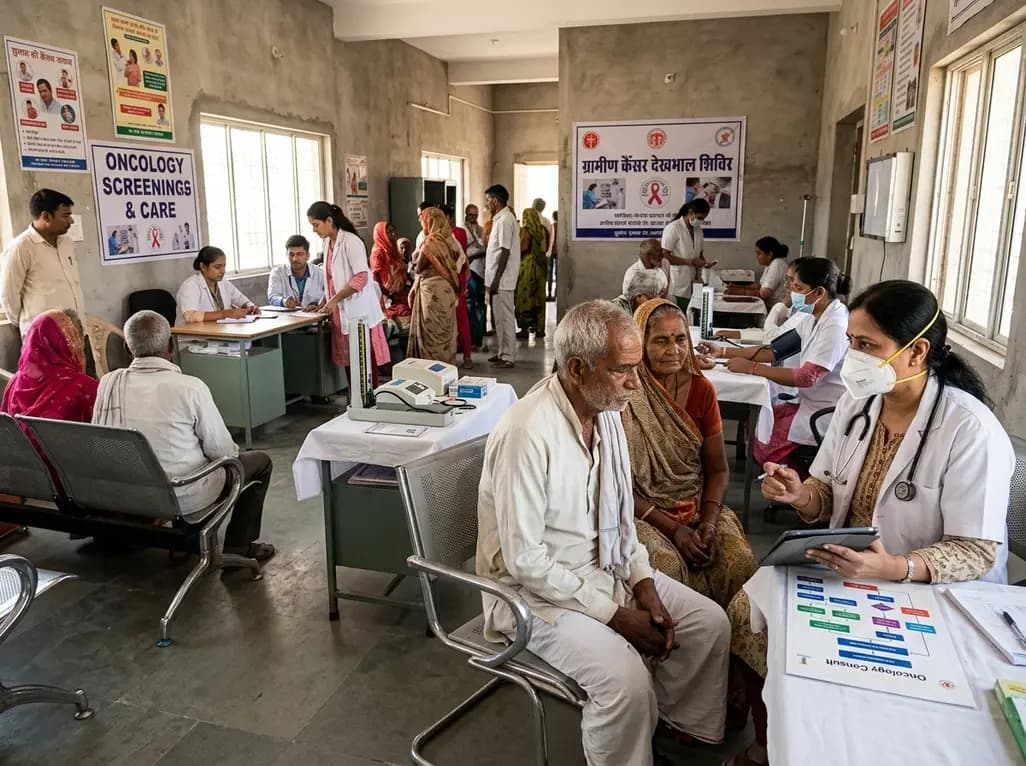
The Indian Cancer Society has recently issued an urgent call to overhaul oncology infrastructure by expanding comprehensive services across smaller towns and villages. Currently, a substantial geographic mismatch exists between oncology resources and community needs. Strengthening rural cancer care represents an indispensable clinical priority for modern Indian healthcare. Consequently, public health leaders, clinicians, and policy planners are collaborating to decentralize specialized screening, prompt diagnostic pathways, and affordable therapeutic options.
Data from the Ministry of Health and Family Welfare reveals a profound imbalance in India's oncology ecosystem. Approximately seventy percent of Indian cancer patients reside in rural districts and semi-urban localities. In contrast, comprehensive cancer treatment facilities operate in only about five percent of district hospitals nationwide. Consequently, rural residents must travel vast distances to reach tertiary cancer hospitals located in major metropolitan areas. This geographic barrier forces families into severe logistical distress and delays vital clinical assessments.
Furthermore, diagnostic delays lead to late-stage disease presentation at initial clinical encounters. More than eighty percent of oncology cases in rural India receive diagnoses at advanced stages. At these late stages, curative interventions become difficult or unfeasible. In addition, the catastrophic health expenditure associated with travel, lodging, and prolonged treatments drives millions of families into medical debt. Therefore, establishing decentralized oncology services in district healthcare centers remains essential. Local clinical facilities can provide rapid evaluations and triage cases promptly. Primary physicians can screen patients early, identifying malignancies before tumors metastasize. Hence, upgrading secondary hospitals constitutes a critical step toward achieving health equity and better therapeutic outcomes.
Public health oncologists strongly advocate for a structured hub-and-spoke delivery framework across India's healthcare system. Under this integrated model, apex institutions such as State Cancer Institutes and medical universities act as centralized regional hubs. Meanwhile, district hospitals and community health centers function as peripheral spokes. These local spokes manage community-level screening, routine investigations, baseline biopsies, and initial supportive treatments.
Whenever a patient requires complex surgical resections, advanced radiotherapy, or multi-agent chemotherapy regimens, clinicians arrange seamless referrals to the central hub. Afterwards, the primary hospital can oversee maintenance therapies, oral anticancer regimens, and palliative symptom control closer to home. This bilateral referral mechanism prevents tertiary hospitals from becoming overcrowded with routine medical cases. Furthermore, it significantly reduces the overall travel burden for vulnerable families. Additionally, tele-oncology links and digital consultation networks connect district physicians directly with specialized oncologists. This connection facilitates multidisciplinary tumor board reviews without unnecessary transit. Local doctors acquire vital clinical knowledge through structured training programs. Ultimately, this cooperative structure ensures standardized cancer care across every administrative level. Consequently, rural communities receive timely, consistent interventions without facing unbearable economic strain.
Bridging oncology gaps in rural areas requires resolving significant workforce shortages and diagnostic deficits. Most surgical, medical, and radiation oncologists currently practice in tier 1 urban clusters. Because of this distribution, rural district hospitals frequently lack skilled specialists to interpret complex histology or deliver cytotoxics safely.
To overcome these barriers, state health missions are actively upskilling medical officers and nursing officers in secondary healthcare units. General practitioners receive training to recognize red-flag signs such as persistent non-healing ulcers, postmenopausal bleeding, or abnormal lymphadenopathy. Moreover, establishing standardized day-care chemotherapy units within district hospitals allows trained medical staff to administer low-risk infusion regimens safely under tertiary supervision. In addition, diagnostic facilities require urgent modernization. District facilities need digital mammography, colposcopy, ultrasound, and reliable histopathology laboratories with telepathology capabilities. When secondary facilities can perform fine-needle aspirations and core biopsies accurately, the time from symptom onset to definitive diagnosis drops substantially. Therefore, strengthening frontline clinical competence transforms rural district centers into active bastions of oncology detection and early intervention. Furthermore, continuous medical education empowers local staff to manage adverse drug effects confidently and without hesitation.
Early screening serves as the single most effective intervention to curb cancer-related mortality and financial distress. In India, oral cavity, breast, and cervical cancers constitute more than one-third of the total national disease burden. Fortunately, clinicians can readily detect these three common malignancies through cost-effective, non-invasive screening methods during routine outpatient assessments.
For instance, oral visual examinations identify precancerous lesions like leukoplakia and erythroplakia before malignant transformation occurs. Similarly, clinical breast examinations and visual inspection with acetic acid for cervical cancer detect lesions at early stages. Accredited Social Health Activists and community health officers play a crucial role by mobilizing communities and encouraging screening attendance. However, community screening initiatives succeed only when seamless referral loops exist for confirmatory testing. If an auxiliary nurse identifies an abnormal cervical change, the patient must immediately undergo colposcopy and biopsy at the district hospital. Furthermore, robust tracking systems prevent patient attrition across diagnostic handoffs. Timely detection substantially lowers therapeutic toxicity, preserves functional anatomy, and drastically improves overall survival rates. Consequently, systematic screening at the primary care level acts as a vital foundation for comprehensive cancer control programs.
Achieving universal access to oncology care requires strong alignment between clinical infrastructure and financial protection policies. The central government currently provides financial risk protection through Ayushman Bharat Pradhan Mantri Jan Arogya Yojana. This flagship scheme covers cashless inpatient management for complex oncological interventions, including advanced chemotherapy, oncologic surgery, and radiotherapy.
Nevertheless, non-medical costs like transport, family lodging, and lost daily wages still impose severe hardships on rural families. Expanding oncology services into tier 2 and tier 3 centers directly alleviates these auxiliary financial strains. Furthermore, the National Programme for Prevention and Control of Non-Communicable Diseases funds dedicated Day Care Cancer Centres across districts. These units make cancer therapy accessible and affordable for underprivileged populations. In addition, generic drug procurement through Jan Aushadhi outlets significantly lowers the cost of supportive therapies and adjuvant medications. State health authorities must also collaborate closely with non-governmental organizations like the Indian Cancer Society. These partnerships support patient navigation, emotional counseling, and financial aid navigation. Ultimately, sustainable policy frameworks ensure that socio-economic status does not dictate cancer survival outcomes. Therefore, public schemes and community initiatives must unite to safeguard vulnerable patients against catastrophic expenses.
Q1: Why is expanding cancer care to tier 2, tier 3, and rural areas crucial in India?
Approximately seventy percent of cancer patients in India reside in rural and semi-urban communities. However, specialized cancer treatment is currently available in only about five percent of district hospitals nationwide. This stark distribution gap forces rural families to undertake extensive, costly travel to urban centers. Expanding local services enables earlier clinical diagnosis, mitigates disease progression, minimizes catastrophic out-of-pocket healthcare expenditures, and ultimately improves long-term survival rates across underserved populations.
Q2: How does the hub-and-spoke model improve oncological management in district hospitals?
The hub-and-spoke model links primary and secondary healthcare centers with advanced tertiary cancer institutes. District hospitals act as spokes, managing population screening, basic diagnostics, biopsy collection, and routine maintenance therapies locally. Meanwhile, apex regional hubs handle intricate surgical resections, advanced radiotherapy, and complex chemotherapy protocols. This organized bidirectional referral structure relieves severe metropolitan hospital congestion, optimizes local healthcare resources, ensures adherence to standard guidelines, and expedites urgent clinical interventions for patients.
Q3: What role do primary healthcare providers play in early cancer diagnosis?
Primary healthcare providers serve as the essential first line of clinical defense against cancer. By performing standard clinical breast exams, oral visual inspections, and cervical visual assessments, general practitioners can identify suspicious lesions promptly. Additionally, family physicians recognize red-flag constitutional symptoms like unexplained cachexia or non-healing ulcers. Prompt evaluation and rapid initiation of the formal referral pathway prevent disease progression, allowing patients to access curative therapeutic interventions before advanced stages develop.
Disclaimer: This content is for informational and educational purposes only. It does not constitute medical advice or replace professional judgment. Refer to the latest local and national guidelines for clinical practice.
References

Read summarized clinical updates, watch expert medical content, and earn CME certifications right from your smartphone.
Open your smartphone camera to scan and install.





The Indian Cancer Society urges expanding cancer diagnostics and early care to tier 2, 3, and rural areas. With only 5% of district hospitals offering oncology care, decentralizing services through hub-and-spoke networks is critical to reducing mortality, late-stage presentation, and out-of-pocket medical expenses.
Today

A Mumbai tertiary care hospital study reveals Gram-negative bacteria dominate clinical isolates with high multidrug resistance, emphasizing the critical need for regular institutional antibiograms, robust antimicrobial stewardship programs, and evidence-based empirical antimicrobial therapy.
Today
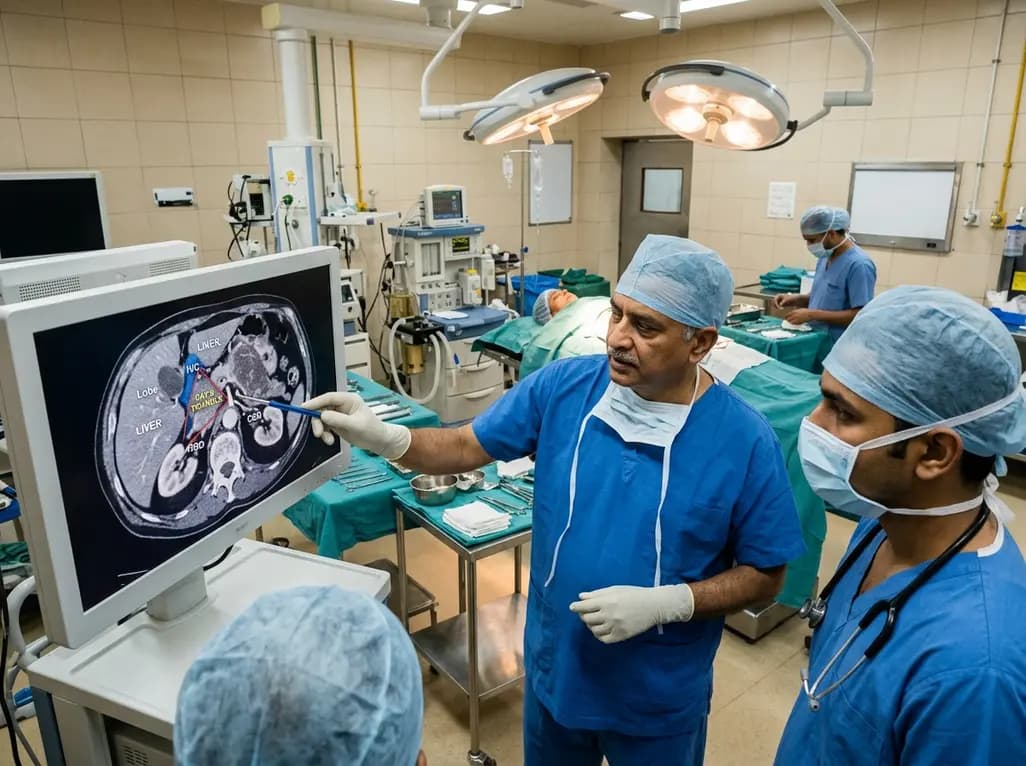
Researchers at AIIMS New Delhi have identified Ray's triangle, a high-risk surgical zone between the liver and inferior vena cava. Recognising this danger area allows surgical oncologists to achieve complete cytoreduction in advanced abdominal cancers while substantially lowering the risk of life-threatening hemorrhage.
Today
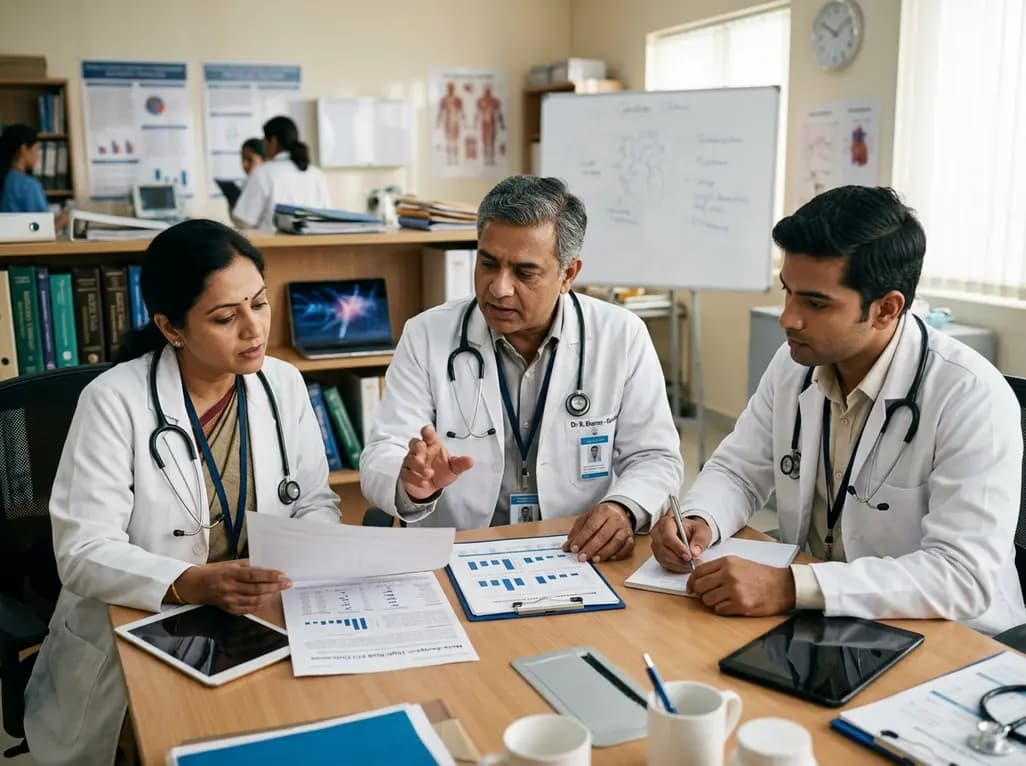
An updated systematic review and meta-analysis of 7,875 patients reveals that routine microaxial left ventricular support during nonemergent high-risk PCI does not reduce mortality or ischemic complications, while significantly increasing major bleeding events.
Yesterday
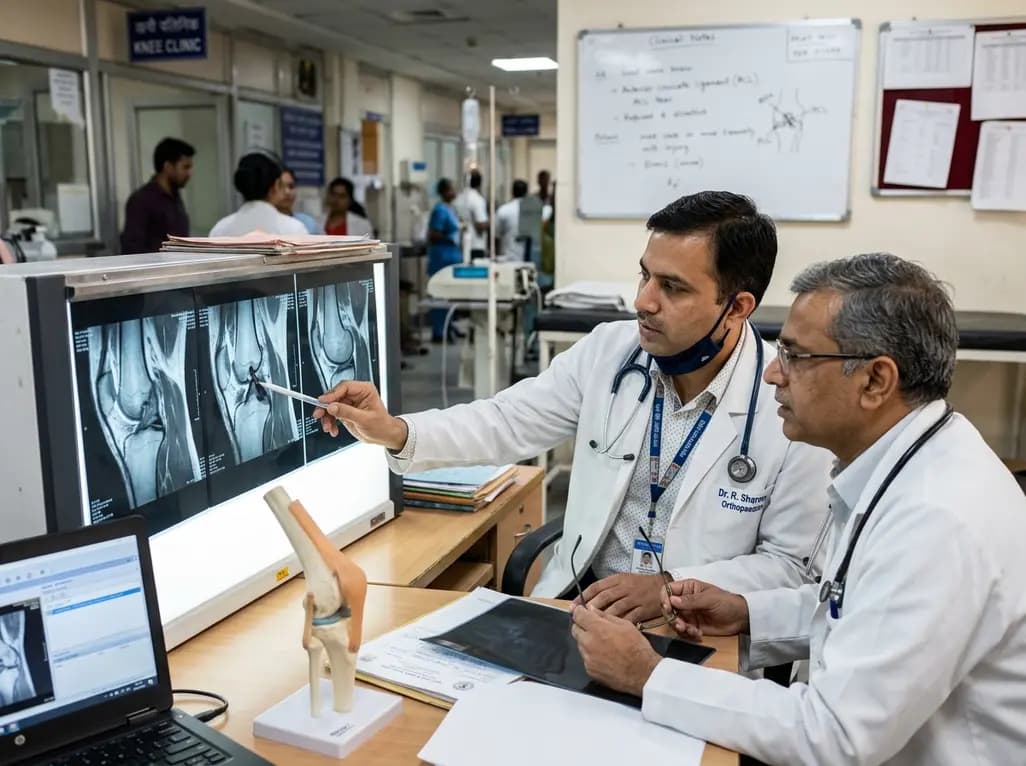
The FIRM-P framework redefines anterior cruciate ligament instability management by separating objective knee phenotypes from patient context and integrating arthrogenic muscle inhibition as a dynamic modifier to optimize individual surgical timing and outcomes.
Today
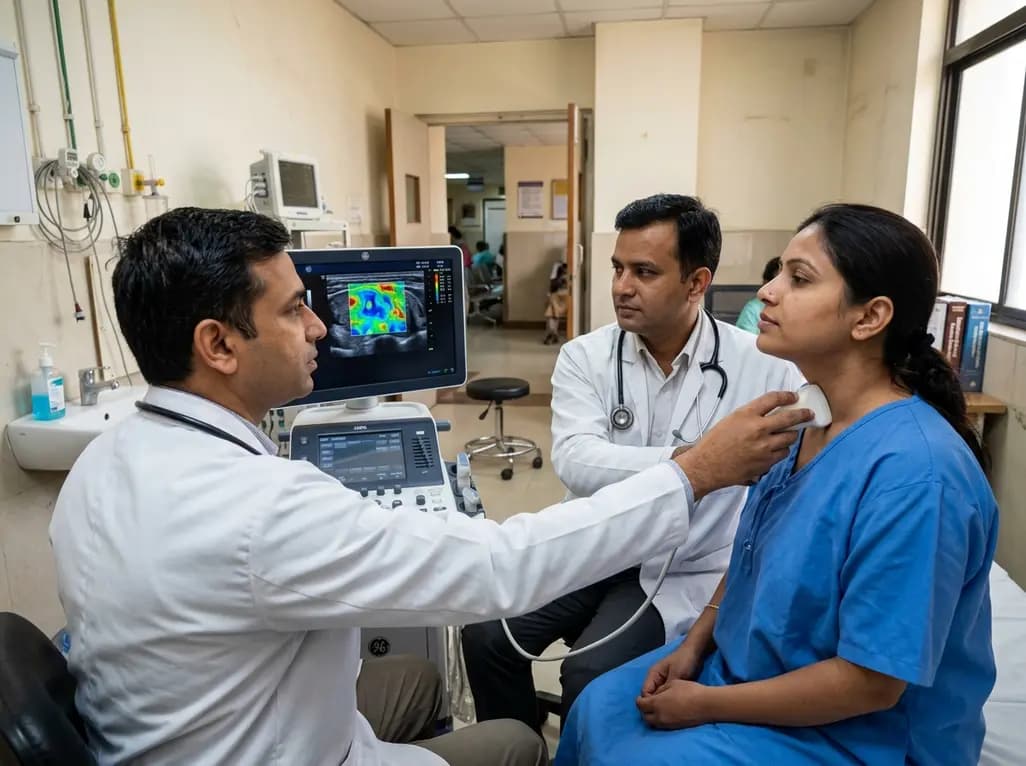
Subacute thyroiditis presents diagnostic dilemmas when differentiating it from malignancy or chronic thyroiditis. Discover how 2D shear wave elastography provides quantitative tissue stiffness metrics that enhance diagnostic accuracy and assist in tracking disease resolution during therapy.
Today
