.webp&w=384&q=75)

Loading, please wait...
Loading, please wait...

Antimicrobial resistance represents a major threat to contemporary medical practice across India. Consequently, tracking institutional antimicrobial resistance patterns provides essential guidance for empirical clinical decision-making. A retrospective observational study at Bhatia Hospital in Mumbai evaluated laboratory data collected throughout 2025. The investigators analyzed 2,075 non-duplicate, clinically significant isolates from various clinical specimens. They identified bacterial and fungal species using standard microbiological protocols alongside the VITEK 2 Compact system. In addition, the team interpreted antimicrobial susceptibility test results according to updated CLSI M100 35th edition guidelines.
Furthermore, regular institutional surveillance helps hospitals design targeted infection prevention strategies. Tertiary care facilities frequently admit complex patients with prior antibiotic exposures. As a result, selective antimicrobial pressures drive the emergence of challenging resistant phenotypes. Therefore, continuous microbiological monitoring bridges the gap between laboratory findings and bedside prescribing. This comprehensive surveillance from Mumbai highlights the urgent necessity of adapting empirical regimens to regional epidemiology. Ultimately, institutional antibiograms remain pivotal tools for mitigating treatment failures.
The microbiological analysis revealed a striking predominance of Gram-negative bacterial pathogens across clinical specimens. Specifically, Gram-negative organisms accounted for 1,627 isolates, representing 78.4% of the entire cohort. In contrast, Gram-positive bacteria comprised only 299 isolates, or 14.4%, while fungal isolates contributed 149 samples, or 7.2%. Among the isolated species, Escherichia coli emerged as the single most frequent pathogen, responsible for 543 isolates or 26.2%. Similarly, Klebsiella pneumoniae followed closely with 519 isolates, representing 25.0% of all cultures.
Additionally, Pseudomonas aeruginosa constituted the third most common organism, accounting for 328 isolates or 15.8%. Gram-positive pathogens appeared less frequently, with Staphylococcus aureus causing 132 infections or 6.4%. Enterococcus species produced 86 isolates, while Acinetobacter baumannii complex generated 74 isolates. Furthermore, specimen analysis demonstrated that midstream urine, sputum, wound swabs, and blood were primary sources. Consequently, clinicians must recognize that Gram-negative bacilli dominate the contemporary hospital flora in Indian referral centers.
The study demonstrated an alarming burden of multidrug-resistant organisms across hospital departments. Overall, multidrug-resistant organisms accounted for 597 isolates, reflecting a prevalence of 28.8%. Moreover, extended-spectrum β-lactamase production occurred in 369 isolates, representing 17.8% of all recovered pathogens. Among Gram-positive organisms, methicillin-resistant Staphylococcus aureus represented 102 cases. Notably, MRSA comprised 77.3% of all Staphylococcus aureus strains, indicating severe therapeutic limitations. Similarly, vancomycin-resistant enterococci accounted for 17 isolates, representing 22.1% of enterococcal infections.
Importantly, drug resistance varied significantly depending on the clinical care area. Isolates recovered from critical care units showed markedly higher rates of resistance than ward specimens. Intensive care environments subject patients to invasive devices and broad-spectrum antimicrobial therapy. Consequently, selective pressure accelerates the clonal transmission of resilient pathogens within intensive care units. In addition, device-associated infections frequently harbored difficult-to-treat strains. Therefore, intensive care teams must institute strict barrier precautions to curtail nosocomial dissemination.
Antimicrobial susceptibility testing demonstrated widespread resistance to commonly prescribed antibacterial agents. Specifically, isolates exhibited pronounced non-susceptibility to aminopenicillins, cephalosporins, and fluoroquinolones. Fluoroquinolones displayed substantial loss of efficacy against Enterobacterales. Furthermore, third-generation cephalosporins failed against many Gram-negative isolates due to pervasive ESBL production. Carbapenem resistance also presented a notable clinical obstacle among Klebsiella pneumoniae and Acinetobacter baumannii complex isolates. Thus, routine empirical choices no longer provide reliable bactericidal coverage in severe infections.
Fortunately, several reserve antimicrobial agents retained comparatively high in vitro activity against resistant strains. Polymyxins, including colistin, demonstrated robust susceptibility against multidrug-resistant Gram-negative pathogens. Similarly, tigecycline maintained consistent activity against complicated intra-abdominal pathogens. For resistant Gram-positive pathogens, glycopeptides and linezolid preserved excellent in vitro efficacy. Additionally, oral fosfomycin displayed potent activity against drug-resistant urinary isolates. Newer β-lactam and β-lactamase inhibitor combinations also provided effective options. Consequently, clinicians must protect these reserve agents through stringent therapeutic oversight.
These microbiological findings underscore the pressing need for aggressive antimicrobial stewardship programs across Indian tertiary hospitals. Hospital leadership must establish multidisciplinary stewardship teams comprising infectious disease specialists, microbiologists, and clinical pharmacists. Together, these specialists should review institutional antibiograms regularly. Moreover, hospitals must implement prospective audit and feedback mechanisms to curb inappropriate antibiotic utilization. Routine de-escalation protocols must guide clinicians once culture results return. Hence, institutions can limit the selective pressure that fosters multidrug-resistant organisms.
Furthermore, empirical treatment algorithms must mirror local resistance frequencies rather than generalized international guidelines. Prescribers should avoid defaulting to carbapenems when narrower options remain microbiologically plausible. Conversely, clinicians treating septic patients in intensive care units must account for high ESBL and MRSA prevalence. In addition, diagnostic stewardship plays an equally vital role. Laboratorians must accelerate rapid molecular testing to decrease turnaround times. Ultimately, integrating updated antibiograms into clinical workflows empowers clinicians to optimize empirical antimicrobial therapy and improve patient survival.
Gram-negative bacteria accounted for over three-quarters of all isolates in the study. Specifically, Escherichia coli represented 26.2% of pathogens, followed by Klebsiella pneumoniae at 25.0% and Pseudomonas aeruginosa at 15.8%. In contrast, Gram-positive bacteria comprised 14.4% of isolates, with Staphylococcus aureus leading at 6.4%. Enterococcus species and Acinetobacter baumannii complex followed with lower frequencies. Fungal isolates represented the remaining 7.2% of clinical specimens.
Critical care units treat severely ill patients who undergo invasive interventions. For example, mechanical ventilation, central venous catheters, and urinary lines breach normal anatomical defenses. Furthermore, these patients receive prolonged courses of broad-spectrum antimicrobials, which exerts powerful selective pressure on resistant bacteria. Consequently, resistant pathogens such as MRSA, VRE, and carbapenem-resistant Enterobacterales spread rapidly in intensive care units, demanding strict infection prevention measures and stringent contact precautions.
The study demonstrated that several reserve therapeutic agents retained reliable in vitro efficacy against multidrug-resistant isolates. Specifically, polymyxins like colistin and tigecycline maintained consistent activity against multidrug-resistant Gram-negative bacteria. For resistant Gram-positive pathogens, glycopeptides such as vancomycin and linezolid provided potent action against MRSA strains. In addition, oral fosfomycin showed strong activity against drug-resistant urinary isolates, while newer β-lactam/β-lactamase inhibitor combinations demonstrated activity against selected resistant strains.
Disclaimer: This content is for informational and educational purposes only and is not intended to serve as medical advice, diagnosis, or treatment. It does not replace clinical judgment or institutional protocols. Healthcare professionals should make decisions based on individual patient assessments and established medical standards. Refer to the latest local and national guidelines for clinical practice.
References

Read summarized clinical updates, watch expert medical content, and earn CME certifications right from your smartphone.
Open your smartphone camera to scan and install.





A Mumbai tertiary care hospital study reveals Gram-negative bacteria dominate clinical isolates with high multidrug resistance, emphasizing the critical need for regular institutional antibiograms, robust antimicrobial stewardship programs, and evidence-based empirical antimicrobial therapy.
Today
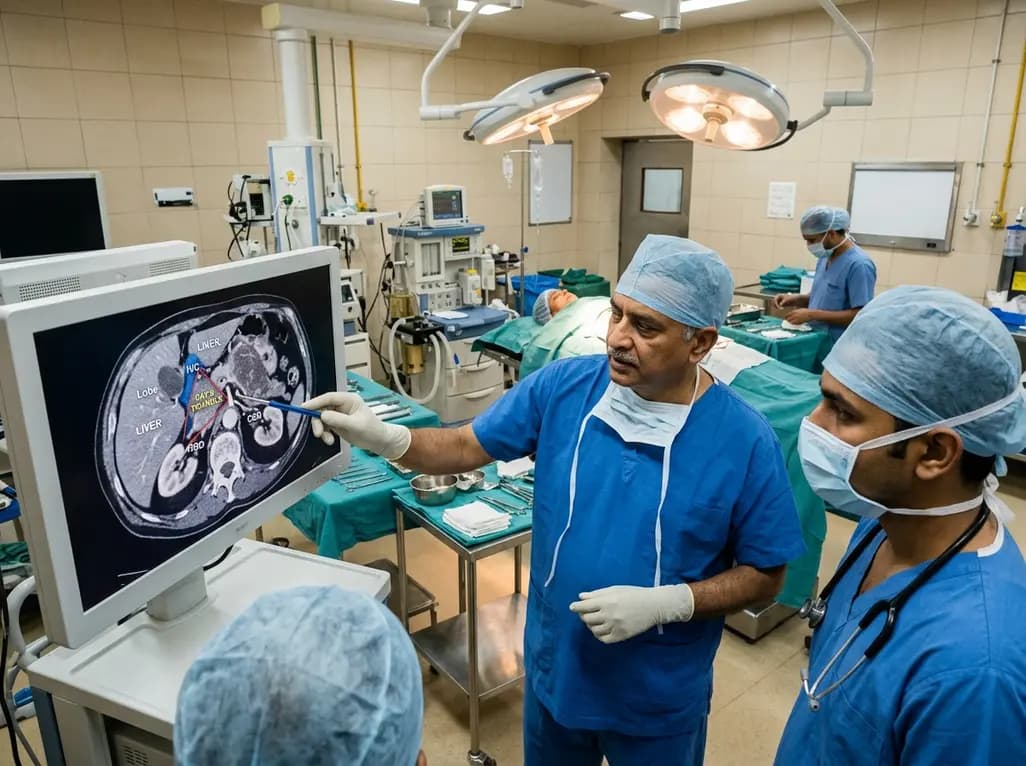
Researchers at AIIMS New Delhi have identified Ray's triangle, a high-risk surgical zone between the liver and inferior vena cava. Recognising this danger area allows surgical oncologists to achieve complete cytoreduction in advanced abdominal cancers while substantially lowering the risk of life-threatening hemorrhage.
Today

An updated systematic review and meta-analysis of 7,875 patients reveals that routine microaxial left ventricular support during nonemergent high-risk PCI does not reduce mortality or ischemic complications, while significantly increasing major bleeding events.
Yesterday
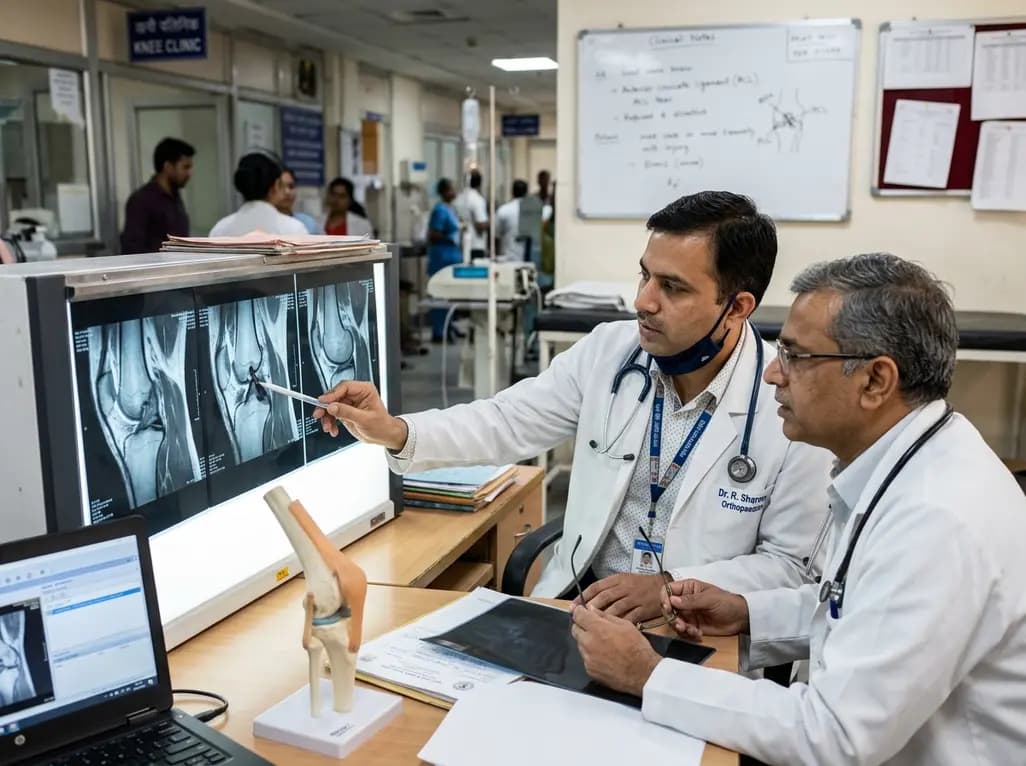
The FIRM-P framework redefines anterior cruciate ligament instability management by separating objective knee phenotypes from patient context and integrating arthrogenic muscle inhibition as a dynamic modifier to optimize individual surgical timing and outcomes.
Today
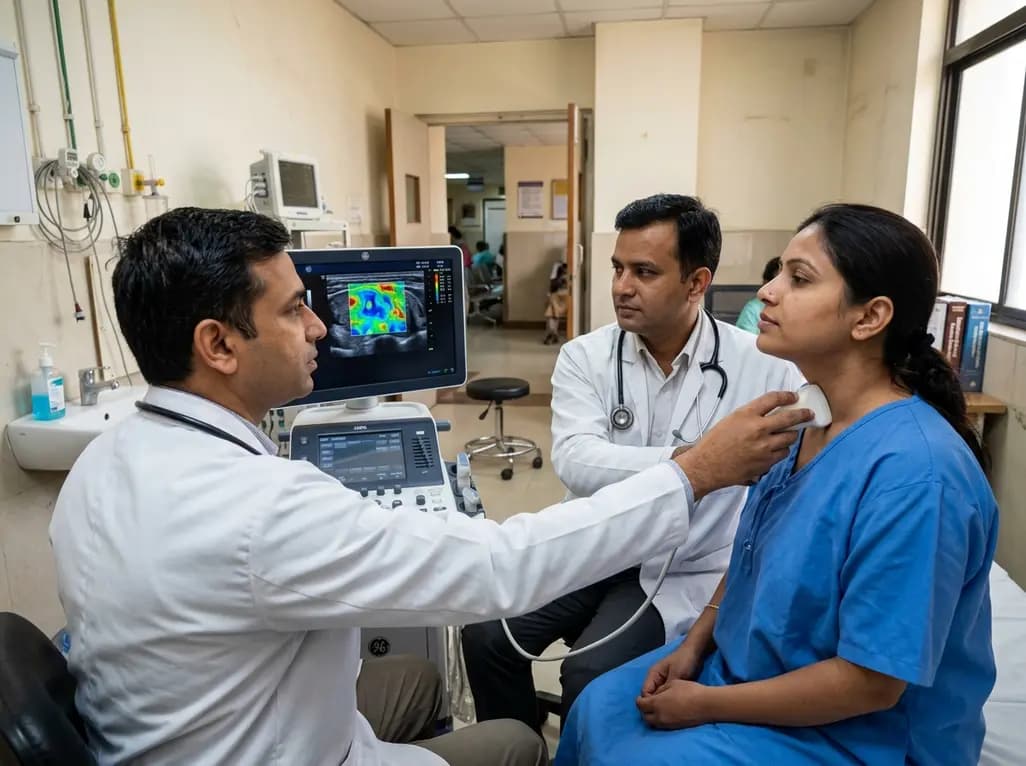
Subacute thyroiditis presents diagnostic dilemmas when differentiating it from malignancy or chronic thyroiditis. Discover how 2D shear wave elastography provides quantitative tissue stiffness metrics that enhance diagnostic accuracy and assist in tracking disease resolution during therapy.
Today
