.webp&w=384&q=75)

Loading, please wait...
Loading, please wait...
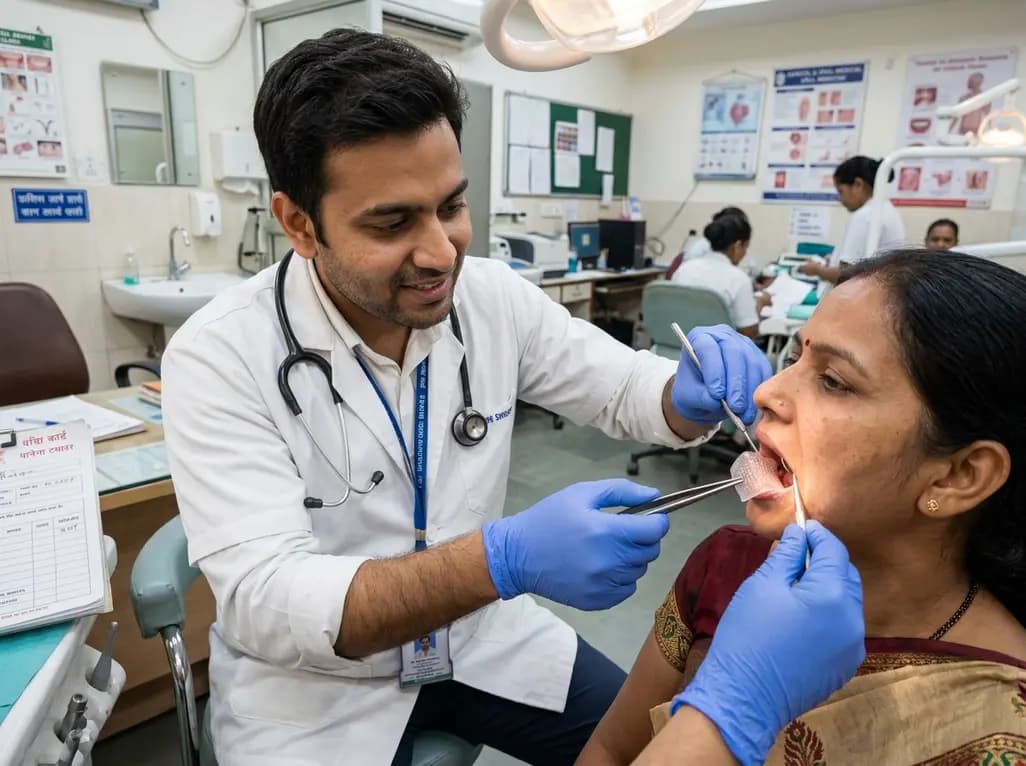
Transdermal and transmucosal drug delivery systems have advanced significantly over the past decade. Clinicians continually seek pain-free and minimally invasive methods to administer therapeutics with high dosing precision. In this clinical landscape, the development of the root-inspired microneedle patch represents a major breakthrough in addressing the mechanical mismatch found in conventional devices. Traditional microneedles struggle to maintain adhesion on moist, dynamic, and curved anatomical surfaces such as the oral mucosa or moving joint skin. Therefore, biomedical researchers engineered an innovative architecture that seamlessly combines rigid penetrating microstructures with soft, flexible backings. This bioinspired design significantly enhances tissue compliance, improves drug permeation, and offers promising therapeutic opportunities across multiple medical disciplines.
The fundamental engineering bottleneck in microneedle design stems from competing mechanical requirements. Specifically, microprojections require sufficient structural rigidity to penetrate tough biological barriers without bending or buckling. Conversely, the supporting substrate must remain supple and pliable to conform smoothly against contoured, elastic tissues. Standard manufacturing techniques often produce fragile interfaces where rigid needles detach easily from flexible backings during physiological movement.
To resolve this persistent challenge, investigators drew inspiration from biological root systems that anchor firmly within complex, shifting terrain. Consequently, the engineering team fabricated a lattice-based mechanical interlocking architecture that anchors rigid microelements directly into a soft polymeric substrate. Standard peel-off testing demonstrated a remarkable three-fold increase in interfacial bonding strength compared to non-interlocked control models. Furthermore, this structural integration effectively prevents delamination when the device experiences shear stress, bending, or dynamic torsion. Therefore, the device maintains structural integrity across diverse clinical conditions, ensuring that therapeutic arrays stay functional throughout the entire application window without premature failure.
Administering therapeutics onto mucosal surfaces presents notable clinical hurdles for practitioners. Salivary flow, continuous mucus turnover, and intense muscular motility frequently dislodge conventional transdermal patches or wash away topical gels. Moreover, rapid enzymatic degradation in wet biological environments significantly reduces drug bioavailability before therapeutic absorption can occur.
To address these dynamic physiological challenges, researchers integrated an advanced hydrogel adhesion layer into the patch base. This bioadhesive interface absorbs local moisture rapidly while forming robust interfacial bonds with underlying epithelial glycoproteins. During rigorous ex vivo testing, the construct demonstrated exceptional stability across actively moving biological substrates. Subsequently, in vivo evaluations on porcine oral mucosa confirmed continuous attachment for more than five hours without displacement, despite aggressive mechanical friction and rubbing. As a result, this technology provides steady mechanical retention on wet, motile surfaces. Clinicians can therefore achieve consistent drug release profiles without worrying about premature patch displacement during natural patient activities like speaking, chewing, or swallowing.
The versatile architecture of this bioinspired system unlocks compelling therapeutic avenues for dermatologists, dental specialists, and general practitioners. In oral medicine, clinicians can utilize this delivery vehicle for recalcitrant aphthous stomatitis, oral lichen planus, and localized periodontal infections. Instead of painful submucosal needle injections, patients can receive sustained mucosal drug delivery with minimal discomfort.
Similarly, dermatology practices can apply these adaptable patches over contoured, dynamic anatomical areas such as knuckles, elbows, knees, and facial contours. These regions traditionally challenge adhesive dressings due to constant skin stretching and friction. Furthermore, the stable penetration depth ensures that biological compounds, peptide therapeutics, or small molecules reach the vascularized dermal layer reliably. Because the patch avoids deeper nerve stimulation, patient compliance will likely improve substantially across all demographics. Consequently, this platform bridges the gap between patient comfort and precise clinical dosing, offering a reliable alternative to frequent parenteral injections in chronic outpatient disease management.
Beyond localized mucosal and cutaneous therapies, this platform offers tremendous potential for systemic drug administration. Traditional oral drug delivery often faces low bioavailability due to severe gastric acidity and first-pass hepatic metabolism. In contrast, transmucosal absorption provides direct access to rich capillary beds, allowing rapid therapeutic entry into the systemic circulation without enzymatic degradation.
Because the interlocked patch maintains uninterrupted tissue contact for hours, it facilitates controlled, steady-state drug diffusion. For instance, peptide hormones, biologics, and emergency cardiovascular medications could benefit tremendously from this stable absorption profile. Additionally, the predictable penetration depth prevents erratic dosing spikes that often cause adverse effects. Moreover, self-administration becomes far more feasible for patients managing chronic conditions such as diabetes, osteoporosis, or migraine. Healthcare providers can consequently prescribe self-applied regimens with greater confidence, knowing that mechanical interlocking prevents accidental dislodgement and ensures uniform dosing throughout therapy.
Although initial preclinical findings are remarkably promising, several translational milestones remain before widespread clinical implementation. First, scalable manufacturing processes must achieve high-throughput precision without inflating production costs. Industrial techniques such as micro-molding and digital light processing 3D printing show strong promise for mass fabrication while maintaining strict quality control.
Second, long-term biocompatibility and biodegradation kinetics require thorough evaluation in extensive human clinical trials. Researchers must confirm that repeated application causes minimal tissue irritation or barrier disruption. Furthermore, investigators are exploring the integration of smart biosensors within the microneedle matrix. Such closed-loop systems could monitor interstitial biomarkers in real time and trigger therapeutic release on demand. Therefore, as regulatory pathways for combination products mature, this adaptable platform will likely revolutionize personalized drug delivery across hospital and ambulatory settings.
Patient compliance remains a cornerstone of successful pharmacotherapy, especially in long-term treatment protocols. Needle phobia affects a significant proportion of patients, often leading to missed doses and suboptimal clinical outcomes. By replacing conventional hypodermic needles with painless microscale projections, this technology eliminates injection-related anxiety.
Furthermore, traditional transdermal patches frequently cause contact dermatitis or fall off due to sweat accumulation and movement. The soft backing and hydrogel adhesion layer minimize skin irritation while adapting effortlessly to natural body contours. Consequently, patients can maintain their daily routines without feeling restricted by bulky or fragile drug delivery devices. Moreover, pediatric and geriatric populations, who often face difficulties with swallowing large tablets or tolerating frequent injections, stand to benefit immensely from this non-invasive approach. Clinicians can therefore expect higher adherence rates and superior overall therapeutic efficacy in routine practice.
The patch utilizes a specialized lattice-based mechanical interlocking design paired with an advanced bioadhesive hydrogel layer. This hydrogel rapidly absorbs mucosal moisture while forming robust interfacial bonds with epithelial tissue. Consequently, it resists salivary washout and muscular shear stress, maintaining secure mucosal attachment for over five hours without dislodging during dynamic tissue movement or intense rubbing conditions.
Interlocked patches deliver therapeutics directly through the outer biological barrier without stimulating deep dermal nerve endings, making drug administration virtually painless. Moreover, they avoid first-pass hepatic metabolism and eliminate needle-related anxiety. Because the patch adheres reliably to moving surfaces, it provides consistent therapeutic release and significantly improves patient compliance during long-term outpatient clinical management.
Dentistry and dermatology benefit immediately through localized treatments for oral mucosal lesions, periodontal disease, and contoured skin conditions. Additionally, fields such as endocrinology, cardiology, and general practice can utilize this platform for systemic delivery of biologics, peptides, and small molecules. Consequently, it provides an effective, patient-friendly alternative to repeated parenteral injections across diverse healthcare settings.
Disclaimer: This content is for informational and educational purposes only and does not constitute medical advice, diagnosis, or treatment. Healthcare professionals should rely on their clinical judgment when evaluating new therapeutic platforms. Refer to the latest local and national guidelines for clinical practice.
References

Read summarized clinical updates, watch expert medical content, and earn CME certifications right from your smartphone.
Open your smartphone camera to scan and install.





Researchers have engineered a root-inspired microneedle patch with an interlocked rigid-soft architecture and hydrogel adhesive layer. This breakthrough solves mechanical mismatch on wet, dynamic tissues, enabling stable adherence to oral mucosa for over 5 hours and advancing targeted transdermal drug delivery.
last month

A recent clinical report details an atypical presentation of bilateral proptosis as the primary manifestation of aggressive multiple myeloma. Explore the diagnostic pathway, imaging findings, and critical multidisciplinary management strategies essential for handling extramedullary plasma cell dyscrasias.
Today

Prenatal evaluation of fetal growth restriction requires an integrated diagnostic approach. While chromosomal microarray remains fundamental, exome sequencing offers significant diagnostic yield in isolated and syndromic cases, especially when ultrasound shows skeletal anomalies or normal placental function.
Today
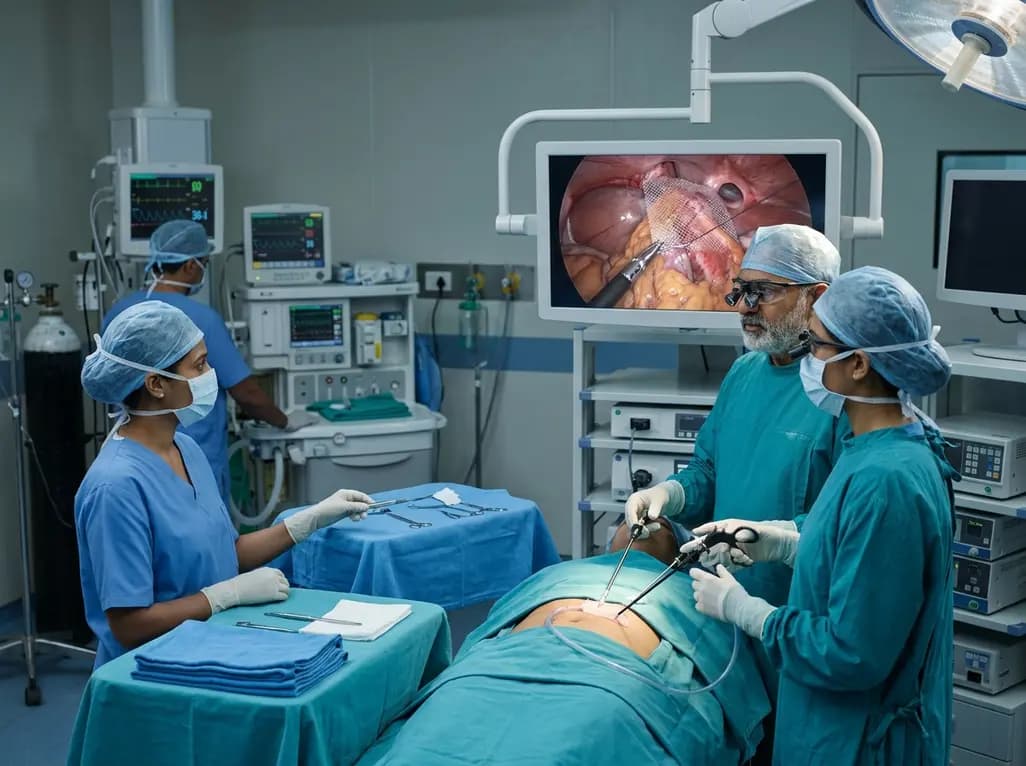
Discover a novel laparoscopic approach for iatrogenic diaphragmatic hernia repair following pedicled omentoplasty. This modified Sugarbaker technique integrates dorsal pedicle lateralization and round ligament reinforcement to secure the diaphragmatic defect while preserving vital omental vascularity.
Today

High-grade trochlear dysplasia disrupts patellofemoral stability. Although the patellotrochlear index measures cartilage overlap on MRI, cartilage contact does not ensure osseous containment. Relying solely on two-dimensional metrics may lead surgeons to overlook necessary tibial tubercle osteotomy procedures.
Today
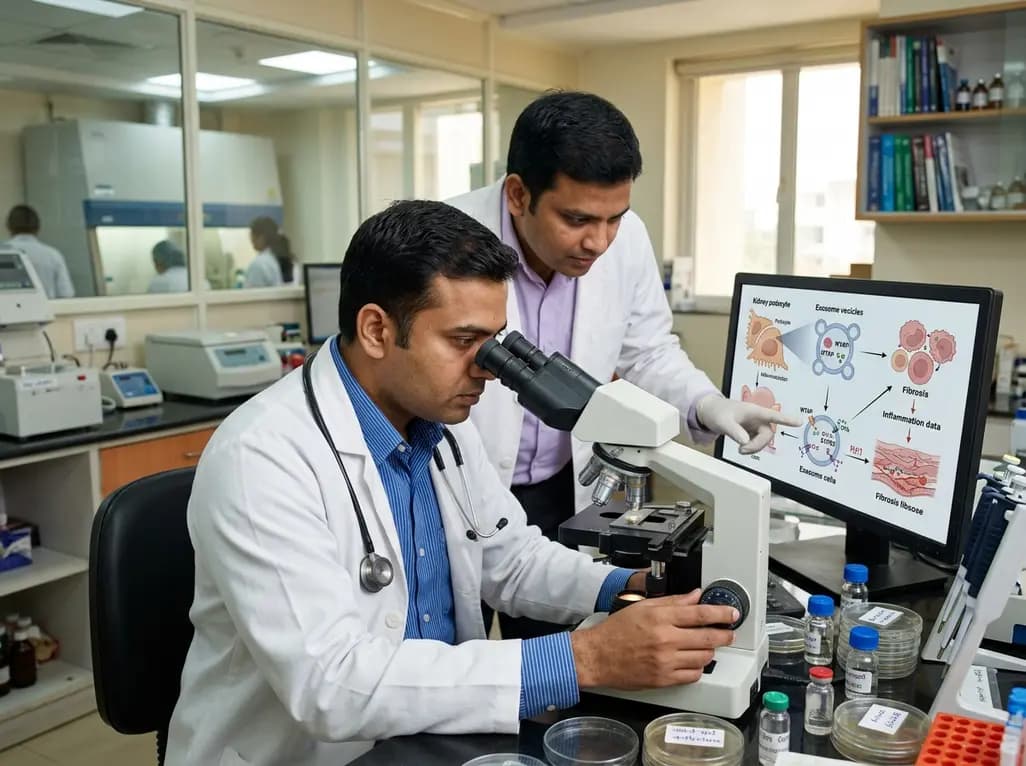
New research reveals that M1 macrophage-derived exosomes aggravate diabetic nephropathy by transferring WTAP to stabilize S1PR2 mRNA. Silencing WTAP in these vesicles attenuates endothelial injury and renal fibrosis, pointing toward innovative nanomedicine therapies.
Today
