.webp&w=384&q=75)

Loading, please wait...
Loading, please wait...

The RML superspecialty block in New Delhi is finally moving toward its operational phase. After a year-long wait for a functional power connection, the hospital recently secured the necessary electricity supply. Consequently, this development marks a significant milestone for healthcare infrastructure in the national capital. Clinicians expect the facility to reduce the immense burden on existing departments significantly.
This new facility features a ground-plus-11-storey building designed to ease the immense patient load on the main hospital. Furthermore, it houses approximately 600 to 660 beds, 17 operation theatres, and multiple intensive care units. Specifically, the block will provide advanced services in oncology, cardiology, and neurology. Because of these upgrades, patients will access private-hospital-grade amenities within a public facility. The inclusion of a helipad also suggests a future focus on trauma and emergency air-lifting services.
The delay occurred primarily due to administrative hurdles in installing an electricity meter. Although the structure was ready by early 2024, the lack of power kept the facility idle. However, NDMC officials released the 33KV supply on April 1, 2026. Hospital authorities now expect a six-to-eight-week testing period before full operations begin. Therefore, patients can anticipate services starting by mid-2026. This timeline ensures that all medical equipment and advanced laboratory systems function correctly before the official launch.
Q1: What specialties will the new block offer?
The facility will house 96 super-specialty OPDs, covering fields such as oncology, cardiology, gastroenterology, neurology, and plastic surgery.
Q2: When will the RML superspecialty block be fully operational?
Following the recent power connection, the hospital requires six to eight weeks for equipment testing before opening to the public.
Disclaimer: This content is for informational and educational purposes only. It does not constitute medical advice or replace professional judgment. Refer to the latest local and national guidelines for clinical practice.
References

Read summarized clinical updates, watch expert medical content, and earn CME certifications right from your smartphone.
Open your smartphone camera to scan and install.





The Rs 400 crore RML superspecialty block overcomes a power supply delay. It will soon provide 600+ beds and advanced care for cancer and cardiac patients....
6 months ago
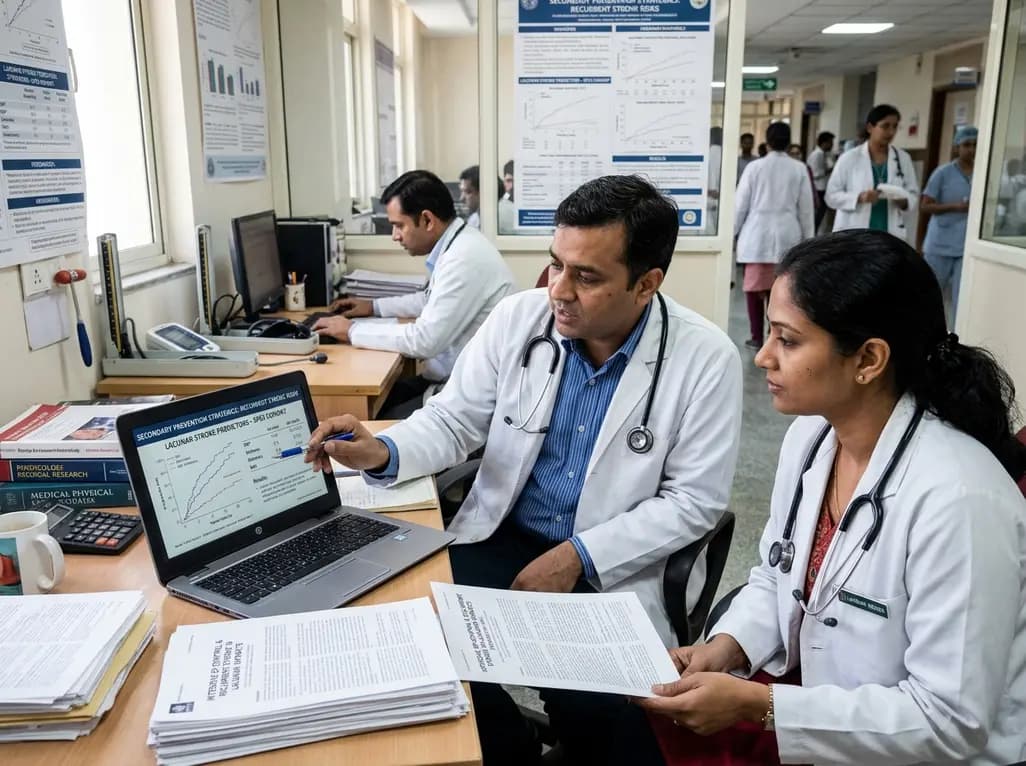
Explore vital recurrent stroke predictors in lacunar stroke patients managed with intensive blood pressure lowering. This analysis examines trial findings from SPS3 to uncover residual vascular risks, metabolic factors, and targeted secondary prevention strategies for high-risk neurological patients.
Today
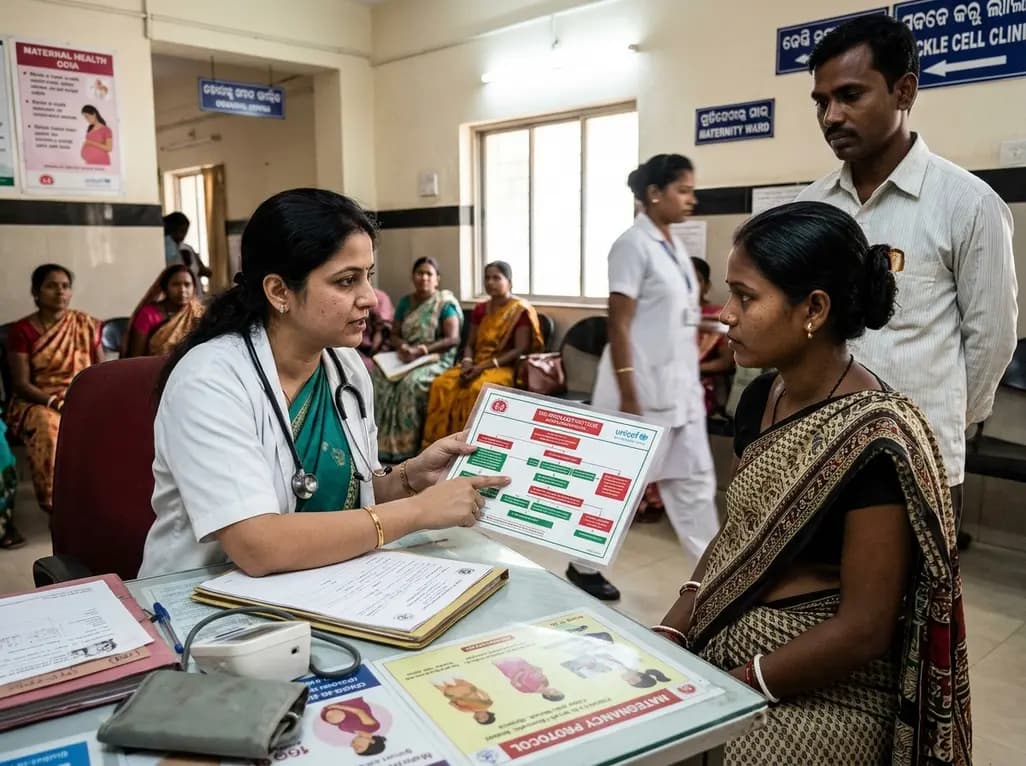
Odisha has established India's first state-level clinical protocol specifically tailored for pregnant women with sickle cell disease. Developed with NHM and UNICEF, the framework provides structured antenatal screening, crisis mitigation, standardized referral pathways, and specialized interdisciplinary care.
Today

The Directorate General of Health Services directs Indian states to halt the hazardous reuse and reprocessing of single-use medical devices. Discover regulatory implications under the Drugs and Cosmetics Act, critical infection risks, legal liabilities, and operational changes required across clinical specialties.
Today

Mitochondria-targeted nanoparticles self-assembled from EGCG and L-glutamic acid effectively restore mitochondrial homeostasis, suppress synovial inflammation, and attenuate chondrocyte senescence in osteoarthritis, offering a promising disease-modifying nanotherapy.
Today

India is advancing preventive healthcare by integrating genomics, artificial intelligence, and quantum technologies. With the SANGAM programme sequencing one million Indian genomes, clinicians can unlock personalized therapies, detect cardiometabolic risks early, and curb the burden of diabetes and heart disease.
Today
