.webp&w=384&q=75)

Loading, please wait...
Loading, please wait...

Paediatric plaque psoriasis poses unique therapeutic dilemmas for dermatologists and paediatricians worldwide. Although topical therapies remain first-line options for localized lesions, children with moderate-to-severe disease require robust systemic control. Historically, clinicians possessed limited biologic options with proven safety records in younger age brackets. Consequently, many young patients suffered substantial physical distress, social stigma, and long-term impairment of school attendance. To address these unmet clinical needs, researchers evaluated the role of risankizumab in paediatric psoriasis through dedicated international trials. Risankizumab functions as a high-affinity humanized monoclonal antibody that selectively targets the p19 subunit of interleukin-23. Because interleukin-23 drives pathogenic Th17 cell activation, targeted cytokine inhibition can interrupt chronic cutaneous inflammation without causing widespread systemic immunosuppression. Furthermore, adult clinical trials have established outstanding clearance rates and remarkable dosing convenience with quarterly maintenance schedules. Translating these robust outcomes to children demanded rigorous clinical validation. Therefore, the multicentre OptIMMize-1 phase III study assessed whether targeted interleukin-23 inhibition could deliver equivalent efficacy and tolerability in younger cohorts. As clinicians in diverse practice settings seek evidence-based biologic options, these trial data offer vital insights into modern paediatric disease management.
The OptIMMize-1 trial utilized an innovative four-part framework designed to evaluate diverse paediatric cohorts thoroughly. Overall, investigators enrolled 137 paediatric patients with moderate-to-severe plaque psoriasis who qualified for systemic therapy. Parts 1, 3, and 4 operated as 52-week open-label investigations to gather pharmacokinetic and longitudinal response data across different developmental stages. Meanwhile, Part 2 established a rigorous randomized comparator cohort in adolescent participants. Specifically, Period A of Part 2 randomized adolescents in a 2:1 ratio to receive either subcutaneous risankizumab or ustekinumab. Following this initial 16-week period, responders entered Period B, which evaluated randomized maintenance treatment or deliberate withdrawal. When patients in the withdrawal group developed disease flare, Period C offered a structured 16-week retreatment protocol. In addition, adolescent nonresponders and participants originally assigned to ustekinumab transitioned to active risankizumab during Period B. Investigators evaluated outcomes through rigorous validated instruments, including the static Physician's Global Assessment and the Psoriasis Area and Severity Index. Moreover, the trial incorporated comprehensive assessments of pruritus severity and patient-reported quality of life. This structured design enabled investigators to scrutinize induction success, durability of response, and the reliability of retreatment after unexpected interruptions.
Clinical evaluations at week 16 demonstrated impressive cutaneous clearance across the study cohorts. In Part 2, adolescent patients receiving risankizumab achieved a static Physician's Global Assessment score of clear or almost clear at a rate of 79.6 percent. In comparison, adolescents receiving the active comparator ustekinumab reached a 75.0 percent response rate. Furthermore, 68.5 percent of risankizumab recipients achieved a clear or almost clear score with at least a two-grade improvement. This result closely matched the 67.9 percent rate seen with ustekinumab. When examining Psoriasis Area and Severity Index responses, 85.2 percent of risankizumab patients achieved a 75 percent reduction. Similarly, 85.7 percent of ustekinumab-treated patients achieved that milestone. In addition, 64.8 percent attained a 90 percent reduction compared to 60.7 percent in the comparator arm. Most notably, risankizumab demonstrated superior complete clearance rates during the induction period. Specifically, 40.7 percent of risankizumab-treated adolescents achieved complete skin clearance at week 16, whereas only 17.9 percent of ustekinumab-treated adolescents reached complete clearance. Meanwhile, in Part 4, open-label participants demonstrated even higher induction responses. In that cohort, 90.0 percent achieved clear or almost clear status and 43.3 percent reached complete clearance. These findings confirmed that interleukin-23 inhibition drives profound early plaque resolution.
Beyond rapid induction clearance, long-term disease stability represents a paramount priority in paediatric management. In the OptIMMize-1 trial, clinical responses observed at week 16 remained robust through week 52. Open-label cohorts demonstrated that continuous risankizumab administration sustained high-level cutaneous control across all developmental ages. In addition, patients who transitioned from ustekinumab to risankizumab in Part 2 successfully escalated their clearance rates. Their outcomes converged toward the high efficacy seen with continuous therapy. When investigators evaluated participants who underwent temporary treatment withdrawal, most individuals who experienced a flare rapidly regained clearance upon retreatment. Alongside visible lesion clearance, the trial systematically monitored patient-reported symptom burden. Chronic pruritus causes severe sleep disruption and emotional strain among children. Fortunately, adolescent participants reported dramatic and rapid reductions in itch severity as early as week 16. Moreover, these significant symptomatic benefits endured throughout the entire 52-week period. Standardized quality-of-life questionnaires also revealed profound improvements in emotional well-being, academic engagement, and social participation. Consequently, sustained symptom resolution translated into meaningful functional recovery for both patients and their caregivers. Durable disease suppression thereby protected vital childhood experiences from chronic disruption.
Safety remains the ultimate benchmark when selecting systemic therapies for younger demographics. Throughout the 52-week study, risankizumab exhibited a highly favourable safety profile that aligned closely with adult clinical trials. Investigators identified no unexpected adverse reactions, organ toxicities, or opportunistic infections among the 137 enrolled children and adolescents. Most reported treatment-emergent adverse events were mild or moderate in severity. These events typically comprised common childhood viral infections and localized injection-site reactions. Because risankizumab selectively targets the p19 subunit of interleukin-23 without neutralizing interleukin-12, it preserves fundamental immune surveillance pathways. Consequently, patients avoided elevated risks of intracellular infections or serious systemic disturbances. Moreover, the availability of weight-based dosing formulations supports accurate, individualized administration in children weighing under 40 kilograms. Infrequent quarterly maintenance injections also minimize injection-related anxiety and facilitate high treatment adherence. For clinicians treating severe paediatric dermatoses, these robust safety findings provide substantial confidence. As international regulatory bodies expand indications for interleukin-23 inhibitors, risankizumab emerges as a transformative systemic weapon. Ultimately, the OptIMMize-1 results affirm that selective cytokine blockade offers durable skin clearance and exceptional tolerability for young individuals navigating chronic psoriasis.
Risankizumab selectively targets the p19 subunit of interleukin-23, whereas ustekinumab binds to the shared p40 subunit of both interleukin-12 and interleukin-23. In the OptIMMize-1 trial, both biologics produced comparable 75 percent skin clearance rates at week 16. However, risankizumab achieved a substantially higher complete clearance rate of 40.7 percent compared to 17.9 percent with ustekinumab, providing superior complete plaque resolution with targeted pathway inhibition.
The safety profile of risankizumab in children and adolescents closely mirrored findings previously established in adult populations. Throughout the 52-week evaluation period, investigators observed no novel safety signals, unexpected organ toxicities, or life-threatening systemic infections. Most reported adverse events were mild and predictable, predominantly involving common upper respiratory tract infections, mild headaches, and minor injection-site erythema, confirming that selective interleukin-23 inhibition remains exceptionally well tolerated in paediatric cohorts.
Beyond improving objective cutaneous lesion scores, risankizumab treatment produced rapid, statistically significant, and clinically meaningful reductions in itch severity. Adolescent participants experienced marked relief from distressing pruritus by week 16, maintaining these substantial gains through week 52. Concurrently, validated pediatric quality-of-life assessments documented major enhancements in emotional well-being, social confidence, school attendance, and sleep quality, alleviating the substantial psychological burden typically imposed by severe paediatric plaque psoriasis.
Disclaimer: This content is for informational and educational purposes only... Refer to the latest local and national guidelines for clinical practice.
References
Magnolo N et al. Efficacy and Safety of Risankizumab in Paediatric Patients With Psoriasis in the OptIMMize-1 Phase III Study. Br J Dermatol. 2026 Sep 26. doi: undefined. PMID: 42791206.
Bronckers IM, Paller AS, van Geel MJ, van de Kerkhof PC, Seyger MM. Psoriasis in Children and Adolescents: Diagnosis, Management and Comorbidities. Paediatr Drugs. 2015;17(5):373-384.
Yang A, Cheng B, Seyger MMB, Murphy R, Stoll ML, Cordoro KM, et al. The burden of pediatric psoriasis: a systematic review. Am J Clin Dermatol. 2025;26(2):155-168.

Read summarized clinical updates, watch expert medical content, and earn CME certifications right from your smartphone.
Open your smartphone camera to scan and install.





The Phase III OptIMMize-1 study evaluated risankizumab in paediatric patients with moderate-to-severe psoriasis, demonstrating high skin clearance rates, superior complete clearance over ustekinumab, sustained 52-week disease control, significant pruritus reduction, and a favourable safety profile.
Today
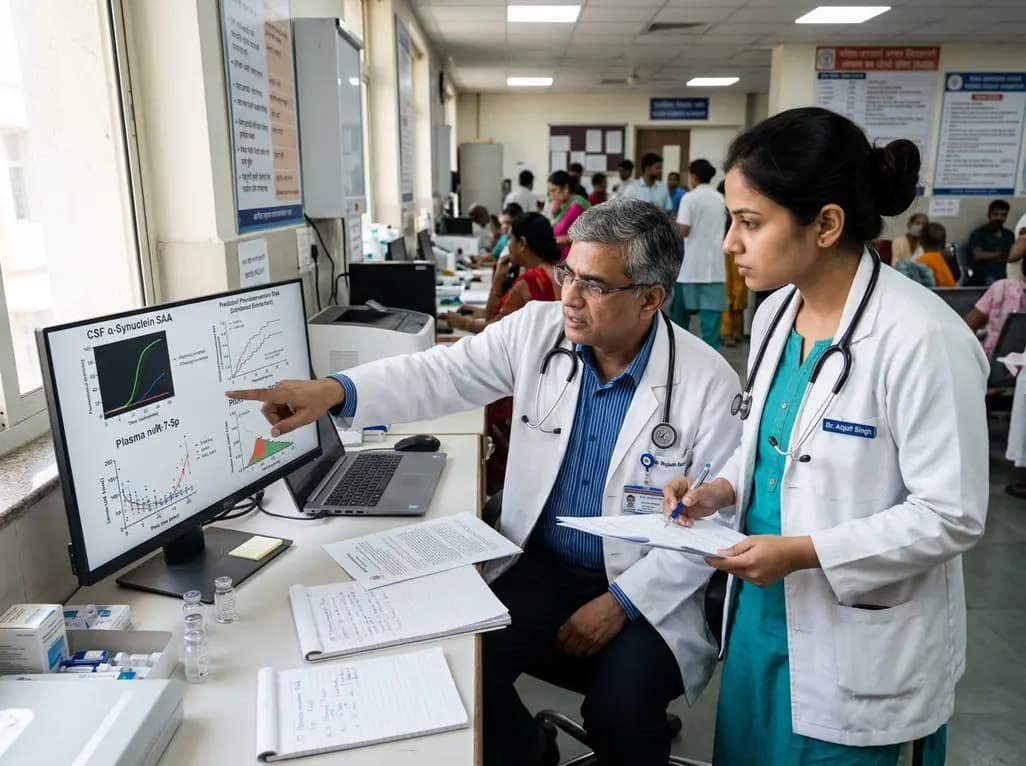
A new PPMI cohort study demonstrates that combining blood microRNA-7-5p with CSF alpha-synuclein seed amplification assay significantly improves the prediction of Parkinson's disease phenoconversion, offering clinicians and researchers a powerful tool for patient risk stratification and clinical trial enrichment.
Today

A large retrospective study evaluates the screening accuracy, positive predictive value, and test failure rates of noninvasive prenatal testing (NIPT) in assisted reproductive technology (ART) pregnancies compared to spontaneous conceptions, highlighting key considerations for pretest counseling.
Today
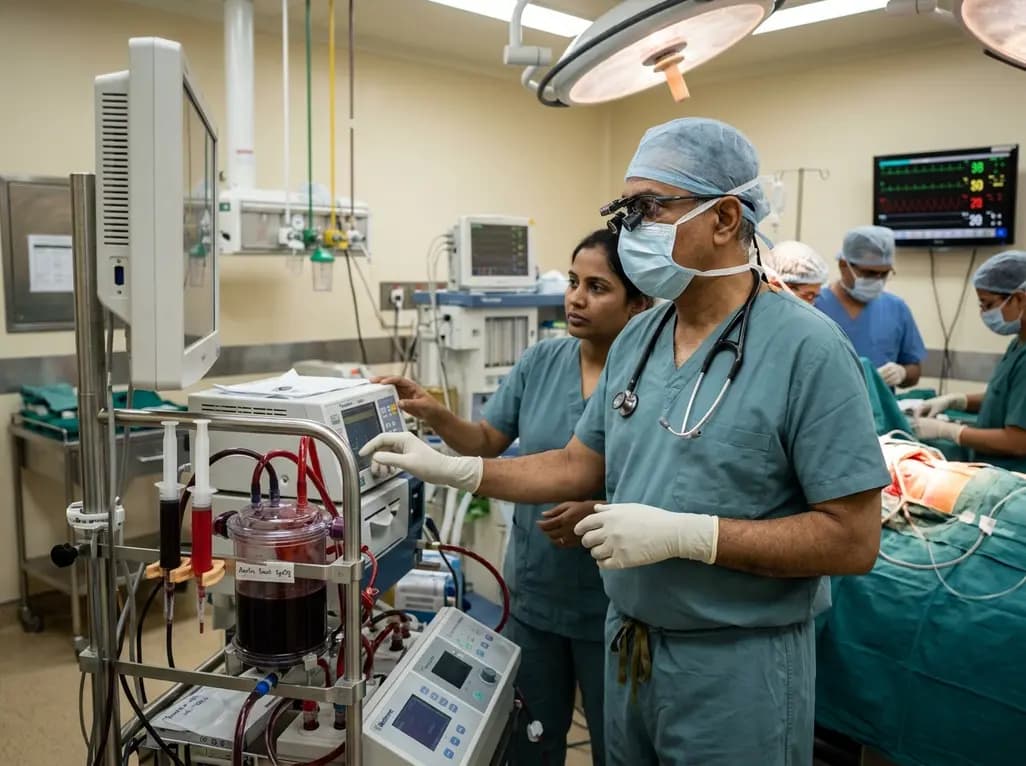
Differential oxygenation during peripheral TA-NRP can cause undetected coronary hypoxemia due to arch vessel clamping. A novel circuit with continuous aortic root monitoring detects desaturation early, facilitating left ventricular unloading and preventing allograft dysfunction and unnecessary heart discard.
Today
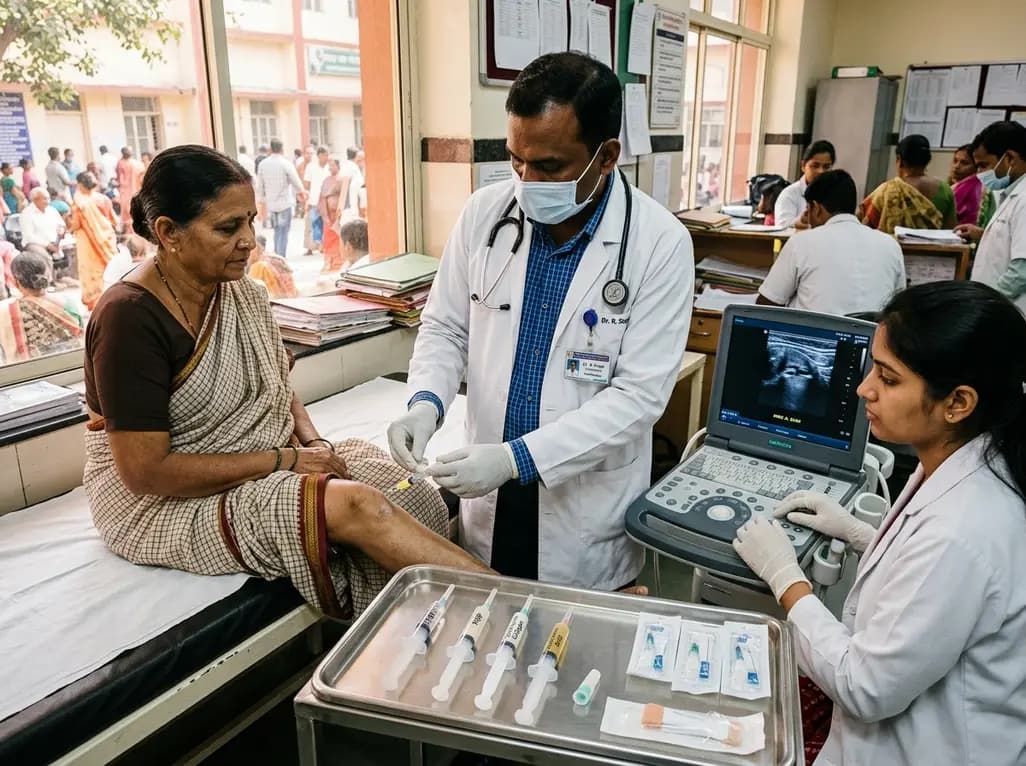
A randomized controlled trial compared ultrasound-guided intra-articular injections of PRP, hydrolyzed type I collagen, and hyaluronic acid in knee osteoarthritis. All therapies demonstrated significant improvements in WOMAC and pain scores at six months, supporting hydrolyzed collagen as a viable biological option.
Today

A scoping review evaluates 116 studies on AI in women's reproductive health, finding that 83.6% carry high risk of bias. While ensemble models show promise, disparities and lack of validation hinder LMIC deployment.
Today
