.webp&w=384&q=75)

Loading, please wait...
Loading, please wait...

The sustainability of the rice-wheat (RW) cropping system in north-west India, particularly in states like Punjab and Haryana, is currently facing a dual crisis: a rapid decline in groundwater levels and severe air pollution caused by the seasonal burning of crop residues. Medical professionals in India are increasingly seeing the respiratory and environmental consequences of these agricultural practices. Addressing these challenges requires a shift toward conservation agriculture, which prioritizes resource efficiency. Recent research into rice straw mulching benefits has highlighted its potential to mitigate non-beneficial water losses, such as soil evaporation, while simultaneously providing an alternative to the harmful practice of stubble burning. By understanding the water balance components in these systems, researchers can identify strategies that not only save water but also protect the public health of millions of citizens who suffer during the smog seasons in northern India.
For decades, the Indo-Gangetic Plains have served as India's breadbasket, but the intensive cultivation of rice and wheat has come at a high environmental cost. Groundwater depletion in this region is occurring at an alarming rate, primarily due to the heavy irrigation requirements of puddled transplanted rice. Consequently, the water table has been falling by several centimeters annually, threatening the future of food security and local drinking water access. Furthermore, the short window between rice harvest and wheat sowing often forces farmers to burn rice straw, leading to hazardous air quality index (AQI) levels. This air pollution significantly increases the burden of obstructive airway diseases, asthma, and cardiovascular events among the local population. Therefore, shifting to dry-seeded rice and implementing mulch-based systems is no longer just an agricultural necessity but a critical public health intervention. By retaining crop residues on the soil surface, farmers can improve soil health while reducing the particulate matter emissions that plague the region every winter.
One of the most significant findings in recent hydrological studies is the quantification of evapotranspiration (ET) partitioning. Evapotranspiration consists of beneficial transpiration (T), which drives crop growth, and non-beneficial soil evaporation (Es), which is essentially a waste of water. In dry-seeded rice-wheat systems, soil evaporation can account for a substantial portion of the total water loss, often ranging from 400 to 500 mm annually. This is where rice straw mulching benefits become technically evident. Mulch acts as a physical barrier that reduces the energy reaching the soil surface and slows down the movement of water vapor into the atmosphere. Specifically, studies have shown that mulch consistently suppresses soil evaporation from the wheat crop. Although the effects on the total system-scale evapotranspiration can be inconsistent due to complex crop growth interactions, the reduction in evaporation during the fallow and early growth phases remains a key strategy for improving water productivity in arid and semi-arid regions.
The debate between conventional tillage (CT) and zero tillage (ZT) is central to the discussion of sustainable farming in India. Conventional tillage involves multiple rounds of ploughing, which breaks down soil structure and increases the exposure of moist soil to the air, thereby accelerating evaporation. In contrast, zero tillage involves sowing seeds directly into the untilled soil, which preserves the soil architecture. Research indicates that while responses to zero tillage can vary depending on irrigation management and specific crop growth patterns, ZT generally offers higher water productivity with respect to transpiration. This means that for every millimeter of water used by the plant for growth, ZT systems often produce more grain compared to CT systems. However, it is essential to note that these advantages are often system-dependent. The interaction between tillage and mulching requires careful management to ensure that irrigation is optimized. When managed correctly, zero tillage can significantly reduce the fuel energy used on farms while simultaneously contributing to the long-term stabilization of the groundwater table.
From a medical perspective, the shift toward mulching and zero tillage represents a primary prevention strategy for respiratory illness. When farmers adopt the "Happy Seeder" technology or similar zero-tillage machines, they can sow wheat directly into the standing rice stubble. This eliminates the need to burn the straw. The health benefits of this transition are immense; it is estimated that stubble burning contributes up to 30% of the particulate matter pollution in Delhi during the peak of the winter. Reducing this pollution load can lower the incidence of acute respiratory distress, reduce hospital admissions for COPD exacerbations, and improve the overall quality of life for vulnerable populations, including children and the elderly. Moreover, by preserving groundwater, these practices ensure that the rural population continues to have access to safe and sufficient water for hygiene and sanitation. Integrating agricultural sustainability with public health goals is vital for the holistic development of the region's socio-economic fabric.
Indian policymakers face a challenging trade-off between conserving water and maintaining air quality. For instance, the Punjab Preservation of Subsoil Water Act of 2009 successfully delayed rice transplanting to coincide with the monsoon, which saved significant amounts of groundwater. However, this delay also pushed the rice harvest later into the year, coinciding with the stagnant weather conditions of November, which worsened the impact of stubble burning smoke. This study highlights the need for multi-dimensional strategies that address both issues simultaneously. Promoting dry-seeded rice (DSR) instead of puddled rice, combined with rice straw mulching, offers a viable pathway. DSR reduces the heavy initial water demand of the rice phase, while mulching handles the residue management problem. By focusing on the rice-phase soil evaporation reduction, policy frameworks can help farmers transition to systems that are both water-smart and air-friendly. Continuous support through subsidies for zero-tillage machinery and educational outreach is essential to scale these findings across the north-west region.
The road ahead for India's rice-wheat systems involves moving beyond simple tillage changes and toward a complete re-evaluation of water balance components. Future research must continue to refine APSIM modeling and field measurements to provide farmers with site-specific advice on irrigation and mulch application. As climate change increases the frequency of extreme heat events, the cooling effect of mulch on soil temperature will also become increasingly valuable. Furthermore, the medical community should advocate for these sustainable practices as part of environmental health initiatives. When we protect our soil and water through innovative agricultural techniques, we are ultimately protecting the health of the citizens who rely on these ecosystems. Collaborative efforts between agronomists, hydrologists, and health professionals will be the cornerstone of a resilient and sustainable agricultural future in India.
Rice straw mulching helps stabilize groundwater levels by significantly reducing soil evaporation, which is a non-productive water loss. By covering the soil surface, the mulch retains moisture for longer periods, allowing for a reduction in the frequency and total volume of irrigation required for the wheat crop. Furthermore, it improves soil infiltration rates, which can enhance the deep drainage that eventually recharges the local aquifers in the long term.
Conventional tillage involves intensive soil disturbance, which increases the surface area exposed to air and leads to higher evaporation losses. Zero tillage, on the other hand, maintains the soil structure and often leaves crop residues on the surface. While total evapotranspiration might not always decrease under zero tillage, the water productivity is typically higher, meaning the crop uses the available water more efficiently for grain production rather than losing it to the atmosphere.
The rice phase in the rice-wheat system is responsible for the majority of the annual water loss through both deep drainage and soil evaporation. In traditional flood-irrigated systems, the high amount of standing water leads to massive evapotranspiration rates. The study highlights that reducing soil evaporation during the establishment of the rice crop is a key strategy. Implementing dry-seeded rice combined with mulching can target these losses more effectively than changes in the wheat phase alone.
Disclaimer: This content is for informational and educational purposes only. It does not constitute professional medical or agricultural advice. Always consult with qualified experts regarding environmental health or farming practices. Refer to the latest local and national guidelines for clinical practice.
References
Naveen-Gupta undefined et al. Water balance components in a dry-seeded rice-wheat system: Untangling the effects of tillage and mulching practices. Sci Rep. 2026 Jul 05. doi: 10.1038/s41598-026-60655-y. PMID: 42402664.
Balwinder-Singh, et al. Tradeoffs between groundwater conservation and air pollution from agricultural fires in northwest India. Nature Sustainability. 2019;2(7):583-592.
Sidhu HS, et al. Rice straw management with the Happy Seeder: A sustainable solution for the rice-wheat system. Agricultural Water Management. 2019;216:273-283.

Read summarized clinical updates, watch expert medical content, and earn CME certifications right from your smartphone.
Open your smartphone camera to scan and install.





Groundwater depletion and air pollution from stubble burning are critical issues in Punjab. This study explores how rice straw mulching and zero tillage can optimize water balance and improve sustainability in dry-seeded rice-wheat systems.
3 months ago
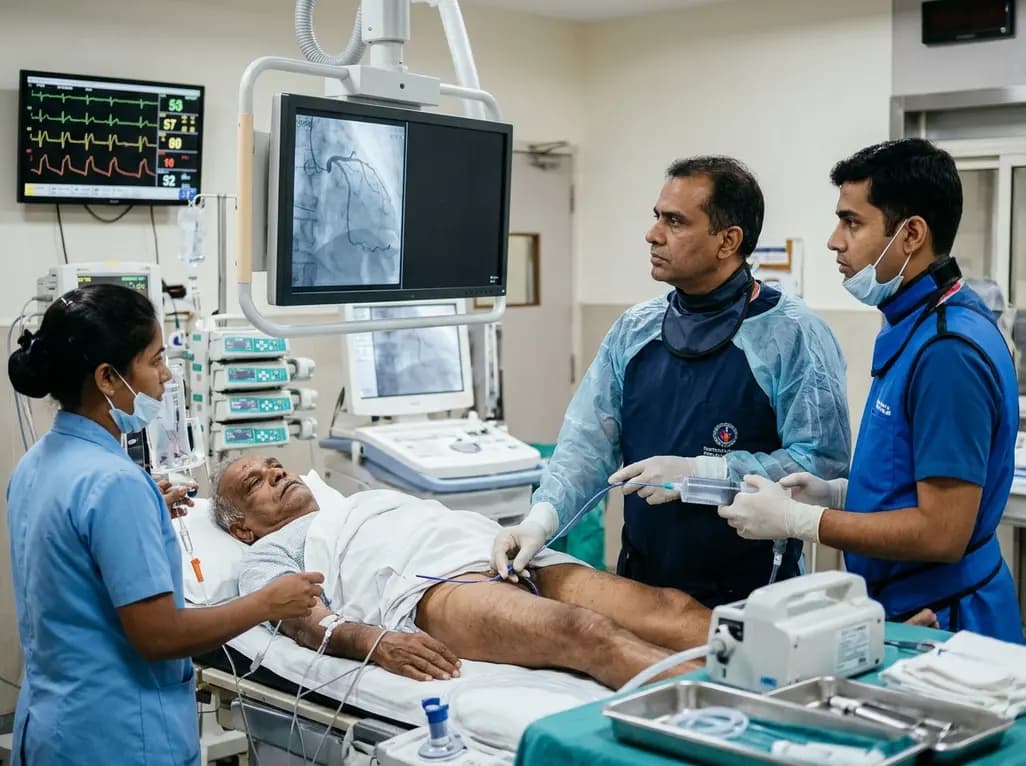
An elderly man with partially repaired Tetralogy of Fallot presented with STEMI caused by coronary embolism rather than atherosclerosis. Successful treatment with sustained mechanical aspiration thrombectomy underscores the vital need for high clinical vigilance in adult congenital heart disease.
Today

Demanding exhaustive hormonal profiling can inadvertently discourage clinical studies involving females. Methodological standards must align with the specific scientific question to expand, not restrict, equitable evidence for women.
Today
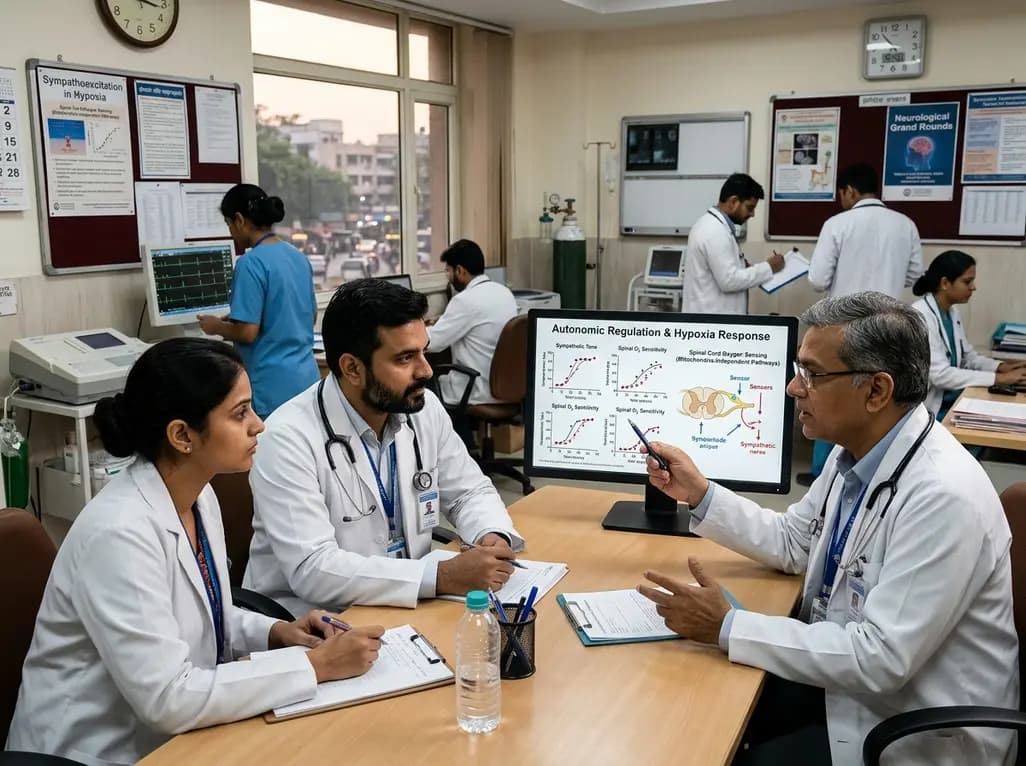
A recent study demonstrates that spinal oxygen sensors do not require mitochondrial electron transport to trigger sympathetic excitation during acute hypoxia, revealing new insights into how mitochondrial oxidative stress modulates autonomic tone in cardiovascular and neurological diseases.
Today

A novel calcium polyphosphate coacervate enables injectable bone implants with in situ hierarchical porosity via phase separation and gas foaming, significantly enhancing cell proliferation, energy metabolism, and osteogenic differentiation for minimally invasive bone defect repair.
Today

Following regulatory scrutiny from FSSAI regarding promotional representations and lean muscle preservation claims, Dr. Reddy's Laboratories and Nestlé Health Science are currently reviewing the branding and marketing strategy for their joint nutritional supplement Celevida GLP+.
Today
