

Loading, please wait...
Loading, please wait...

The human gastrointestinal tract harbors trillions of symbiotic microorganisms that preserve metabolic stability, immune defense, and intestinal barrier integrity. However, poor dietary habits, environmental toxins, and systemic illnesses frequently trigger gut microbiota dysbiosis. Consequently, this profound microbial disruption provokes chronic mucosal inflammation and increases host susceptibility to invasive pathogenic species. Clinicians increasingly recognize that sustaining intestinal microbial balance is essential for long-term health. Therefore, innovative therapeutic strategies focus on repairing the disrupted intestinal microbiome.
Although antibiotics remain indispensable for treating severe bacterial infections, their widespread administration inflicts considerable collateral damage on the intestinal ecosystem. Specifically, broad-spectrum agents eradicate protective commensal taxa alongside targeted pathogens, thereby collapsing microbial diversity and community resilience. Consequently, opportunistic invaders such as Clostridioides difficile exploit vacant mucosal niches, releasing potent toxins that induce severe pseudomembranous colitis. Furthermore, repeated exposure to antimicrobial drugs exerts selective pressure that accelerates the accumulation of antibiotic resistance genes within the resistome. Patients consequently suffer prolonged vulnerability to recurrent infections and metabolic disturbances following intensive pharmacotherapy. Natural recovery of the native microbiome remains highly variable, often taking months or leaving permanent ecological deficits. Because conventional antibiotic regimens cannot distinguish between beneficial and harmful bacteria, healthcare systems face escalating treatment failures. Therefore, medical professionals urgently require restorative interventions that re-establish colonization resistance without promoting antimicrobial resistance. Microbiota-targeted therapies offer a sustainable pathway to repair this collateral harm while supporting antimicrobial stewardship principles.
Probiotics represent live microorganisms that confer well-documented health benefits when administered in adequate and standardized quantities. Mechanistically, these beneficial bacteria employ several synergistic pathways to suppress invasive pathogens and reinforce mucosal defenses. First, probiotic strains physically occupy epithelial attachment sites and competitively deplete luminal nutrients, preventing pathogenic adhesion. In addition, genera such as Lactobacillus and Bifidobacterium actively synthesize antimicrobial peptides, hydrogen peroxide, and organic acids. These secreted metabolites lower local luminal pH, creating a hostile environment for acid-intolerant bacteria. Furthermore, probiotics significantly upregulate the synthesis of tight junction proteins, including claudin, occludin, and zonula occludens. Consequently, this enhanced cellular barrier prevents luminal endotoxins from leaking into the systemic circulation. Probiotics also interact directly with mucosal dendritic cells and macrophages, modulating local immune responses. Specifically, they stimulate secretory immunoglobulin A production while downregulating pro-inflammatory cytokine expression. As a result, therapeutic probiotics re-establish intestinal equilibrium and attenuate tissue inflammation without exerting selective pressure that drives antimicrobial resistance.
Prebiotics are selectively fermented non-digestible dietary ingredients that specifically stimulate the proliferation and metabolic activity of beneficial intestinal bacteria. Common examples include inulin, fructooligosaccharides, and galactooligosaccharides found naturally in various plants. When these complex carbohydrates reach the colon intact, anaerobic commensal microorganisms ferment them into bioactive short-chain fatty acids. In particular, this process yields acetate, propionate, and butyrate in substantial concentrations. Butyrate functions as the primary cellular fuel for colonocytes, preserving mucosal thickness and epithelial barrier competence. Furthermore, short-chain fatty acids bind specific G-protein-coupled receptors on immune cells, promoting the differentiation of anti-inflammatory regulatory T cells. Propionate and acetate also enter the systemic circulation, where they regulate peripheral glucose homeostasis and lipid metabolism. In addition, prebiotics selectively expand populations of endogenous bifidobacteria without feeding pathogenic species. Therefore, regular prebiotic intake fosters a resilient intestinal microenvironment that resists dysbiotic shifts. Clinicians increasingly combine prebiotics with complementary probiotics, creating powerful synbiotic formulations that optimize therapeutic outcomes.
Robust clinical trials confirm that targeted microbiome therapies provide significant therapeutic benefits across multiple disease categories. For example, co-prescribing specific probiotic formulations alongside antibiotics reduces the risk of antibiotic-associated diarrhea by over fifty percent. Similarly, clinical evidence demonstrates that adjuvant probiotics lower the recurrence rate of debilitating Clostridioides difficile infections. In outpatient gastroenterology practice, physicians successfully use probiotics and prebiotics to treat irritable bowel syndrome and inflammatory bowel disease. These agents alleviate persistent abdominal pain, bloating, and irregular bowel frequency. Moreover, adding probiotics to standard triple or quadruple therapy for Helicobacter pylori eradication improves bacterial clearance rates. Probiotics simultaneously diminish treatment-related adverse effects, markedly improving patient adherence to difficult antibiotic regimens. Beyond gastrointestinal disorders, emerging research underscores the value of microbiome modulation in metabolic conditions. Notably, specific strains improve glycemic control and attenuate systemic low-grade inflammation in patients with type 2 diabetes and nonalcoholic fatty liver disease. Consequently, microbiome therapies serve as versatile clinical tools.
Although microbiota-directed therapies exhibit immense therapeutic potential, several translational challenges hinder their universal clinical adoption. First, significant product heterogeneity exists among commercial formulations regarding strain viability, stability, and actual colony-forming units. Furthermore, therapeutic responses vary considerably among patients due to unique individual baseline microbial ecosystems and dietary patterns. Regulatory ambiguity also poses a hurdle, as many jurisdictions classify probiotics as dietary supplements rather than regulated pharmaceutical biologics. Consequently, rigorous batch standardization, quality assurance, and pharmacodynamic studies remain inconsistent across available commercial products. To address these limitations, researchers are utilizing advanced high-resolution metagenomics and metabolomic profiling. These innovative technologies enable clinicians to characterize patient-specific dysbiosis and design targeted personalized interventions. In addition, scientists are developing next-generation live biotherapeutic products, including Akkermansia muciniphila and Faecalibacterium prausnitzii. Ultimately, combining machine learning algorithms with well-designed clinical trials will transform microbiome medicine into an exact, reproducible discipline.
No, probiotics cannot directly replace conventional antibiotics when patients suffer from acute, invasive bacterial infections. Antibiotics remain essential for eradicating life-threatening bacterial pathogens rapidly. However, clinicians successfully prescribe probiotics as valuable adjunctive agents alongside antibiotic therapy. When administered a few hours apart from antibiotic doses, probiotics effectively prevent antibiotic-associated diarrhea, protect mucosal barrier integrity, and accelerate post-treatment microbial diversity recovery without diminishing the therapeutic efficacy of the prescribed antibacterial drug.
Probiotics are live beneficial microorganisms that confer health benefits to the human host when consumed in adequate numbers. In contrast, prebiotics are non-digestible dietary fibers that selectively feed and stimulate the growth of these beneficial microbes within the colon. Synbiotics represent thoughtfully formulated combinations containing both live probiotics and complementary prebiotics. Working synergistically, synbiotics maximize bacterial survival during gastrointestinal transit and optimize the production of therapeutic short-chain fatty acids for enhanced mucosal healing.
Standard antibiotic regimens for Helicobacter pylori eradication frequently provoke severe gastrointestinal adverse effects, causing patients to discontinue therapy prematurely. Supplementing treatment with specific probiotics inhibits Helicobacter pylori adhesion through competitive exclusion and bacteriocin secretion. Furthermore, probiotics and prebiotic fibers significantly alleviate antibiotic-induced nausea, abdominal cramping, and diarrhea. Consequently, this adjunctive support substantially enhances patient compliance, minimizes treatment discontinuations, and directly contributes to higher overall bacterial eradication success rates in clinical practice.
Disclaimer: This content is for informational and educational purposes only. It is not intended to be a substitute for professional medical advice, diagnosis, or treatment. Refer to the latest local and national guidelines for clinical practice.
References

Read summarized clinical updates, watch expert medical content, and earn CME certifications right from your smartphone.
Open your smartphone camera to scan and install.





Gut dysbiosis links to major gastrointestinal and metabolic disorders. This review explores how probiotics and prebiotics restore gut homeostasis, overcome antibiotic limitations, and mitigate antimicrobial resistance through targeted mechanisms.
Today
Acute uncompensable heat stress impairs the gut barrier, increasing small intestinal permeability. A landmark physiological trial reveals that elevated baseline oestradiol correlates with augmented intestinal barrier disruption in females, offering vital insights into heat illness and systemic endotoxemia.
Today
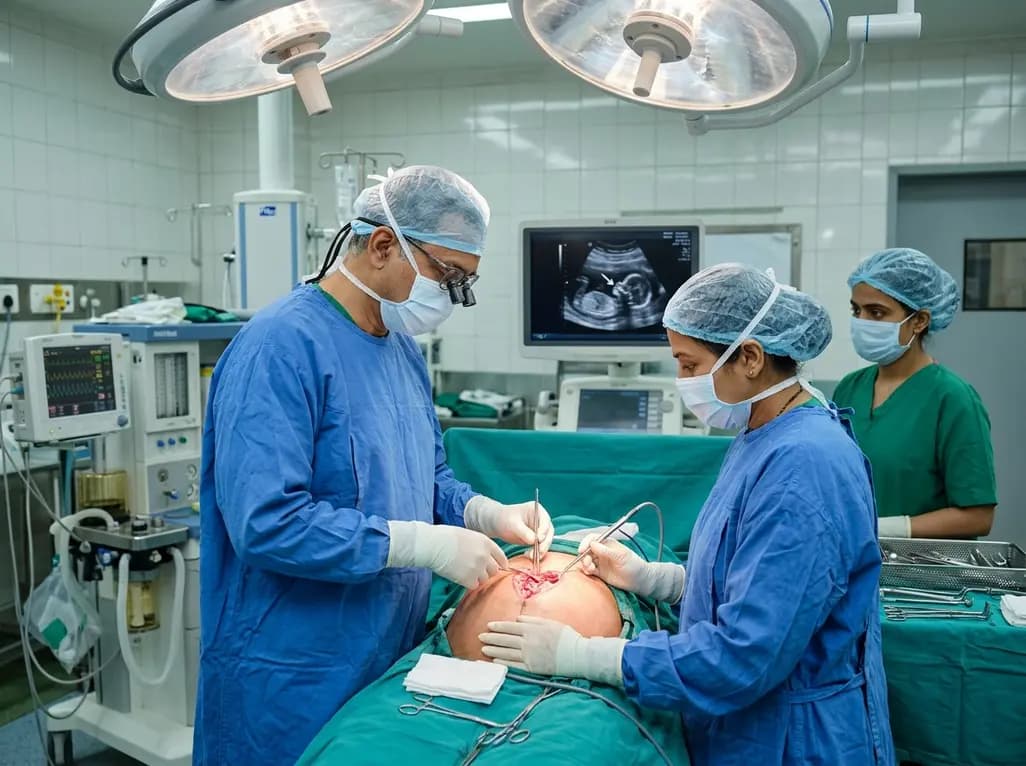
In a historic medical milestone, surgeons at AIIMS New Delhi successfully performed India's first open prenatal repair of a severe neural tube defect at 25 weeks of gestation. This pioneering in-utero procedure shields delicate neural structures, mitigating hydrocephalus and lifelong motor deficits before birth.
Today
A randomized crossover trial reveals that daily fresh watermelon consumption significantly reduces baseline TMAO levels and favorably modulates lipid profiles, lowering triglycerides and LDL cholesterol in adults with overweight and obesity.
Today
This technique guide details a targeted anchor placement method for arthroscopic Broström repair using a 1.9-mm needlescope. By avoiding an accessory anterolateral portal, surgeons preserve the superficial peroneal nerve while maintaining anatomical restoration and reducing surgical morbidity.
Today
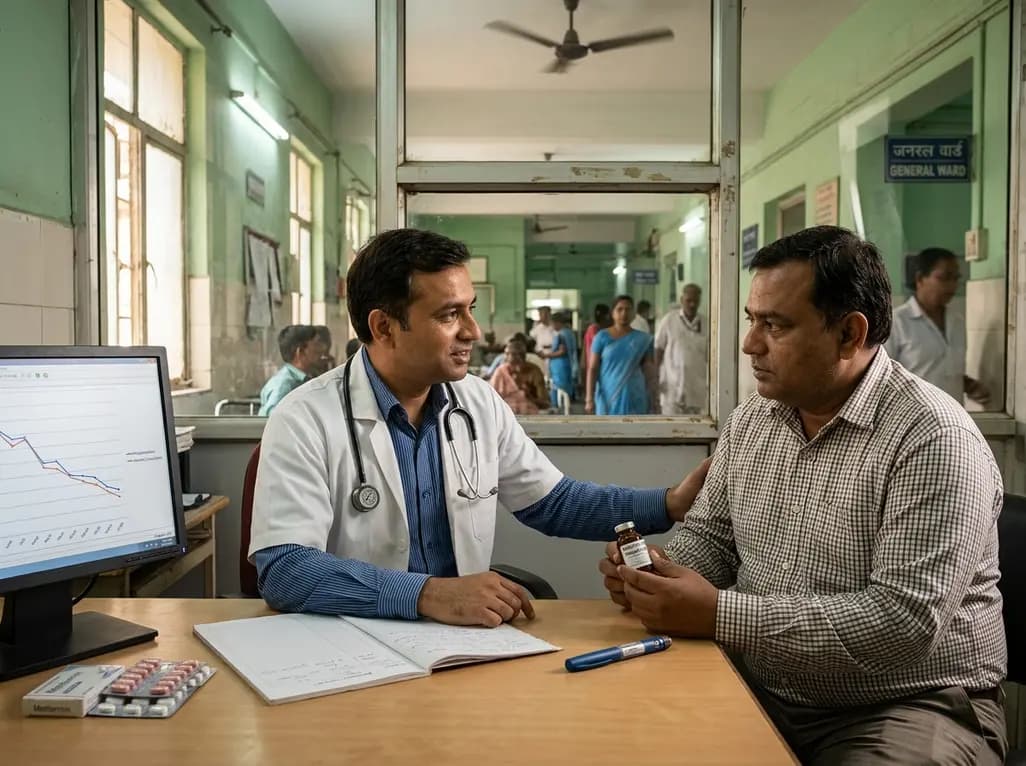
A large-scale retrospective cohort study demonstrates that GLP-1 receptor agonists significantly reduce all-cause hospitalizations, alcohol-related admissions, major cardiovascular events, and mortality in patients with overweight or obesity and alcohol use disorder, providing profound clinical insights.
Today
