

Loading, please wait...
Loading, please wait...

Exposure to extreme environmental conditions compromises human physiological resilience, especially when thermoregulatory cooling mechanisms fail. Under acute thermal load, hyperthermia triggers profound hemodynamic shifts that can compromise gastrointestinal permeability. When core body temperature rises rapidly, the intestinal epithelial lining suffers acute distress, allowing luminal microbes and endotoxins to enter the circulation. Consequently, clinicians must recognize how environmental heat stress interacts with systemic physiology to protect vulnerable patients.
During uncompensable heat stress, the human body prioritizes thermoregulation by redistributing cardiac output away from the splanchnic circulation toward cutaneous vessels. As a result, the gastrointestinal tract experiences acute hypoperfusion and mucosal ischemia. Furthermore, sustained hyperthermia exerts direct cytotoxic effects on enterocytes, damaging the delicate paracellular tight junctions that seal the mucosal barrier. Consequently, luminal contents such as lipopolysaccharide leak into the portal and systemic bloodstreams. When these endotoxins enter the systemic circulation, they activate immune cascades that trigger systemic inflammatory response syndrome. Therefore, gut integrity plays a central role in the pathophysiology of exertional heatstroke and multiorgan failure. Moreover, intensive care physicians frequently observe that thermal injuries precipitate bacteremia and sepsis even without overt mechanical gut trauma. Because India regularly faces severe heatwaves, recognizing these microvascular dynamics becomes vital for emergency teams and sports medicine specialists. In addition, understanding how individual biological factors alter barrier susceptibility helps clinicians design targeted fluid and cooling protocols. Thus, preserving gut mucosal integrity remains an essential clinical objective during extreme heat exposure.
A rigorous human trial investigated how biological sex and ovarian hormones influence gut barrier breakdown during uncompensable thermal stress. Specifically, researchers enrolled twenty-four healthy young adults, comprising twelve men and twelve women, including five oral contraceptive users. Initially, all participants completed a thermoneutral control trial without heat or exercise to establish baseline gastrointestinal permeability. Subsequently, participants underwent a hyperthermia trial using a water-perfused suit combined with light semi-recumbent cycling at forty watts. This standardized protocol successfully elevated deep body core temperature by 1.5 degrees Celsius above baseline. Furthermore, investigators measured baseline serum oestradiol concentrations during the hyperthermia visit to assess circulating hormonal status accurately. To evaluate regional mucosal integrity, the investigators administered an oral dual-sugar probe solution containing ten grams of sucrose alongside one gram of lactulose and one gram of rhamnose. Participants collected urine to quantify differential probe excretion under resting and hyperthermic states. Consequently, this precise methodology enabled the research team to separate gastric barrier changes from small intestinal perturbations while controlling for physical workload.
The study yielded distinct physiological insights regarding regional susceptibility along the human alimentary canal. Pooled analysis across all twenty-four participants demonstrated that acute hyperthermia significantly increased small intestinal permeability. Specifically, the urinary lactulose-to-rhamnose excretion ratio rose significantly from baseline control values, confirming paracellular leakage across the enterocyte layer. In contrast, gastroduodenal permeability remained entirely unaffected by the thermal challenge, as urinary sucrose excretion showed no significant elevation. Furthermore, the researchers detected no baseline differences in upper gastrointestinal permeability between male and female cohorts. These observations indicate that the small intestine exhibits far greater vulnerability to thermal strain than the stomach or proximal duodenum. Physiologically, the small intestinal villi possess high metabolic demands, making them particularly sensitive to splanchnic ischemia. When perfusion declines during thermal stress, villous tips suffer rapid ATP depletion and oxidative cellular damage. Therefore, the small bowel acts as the primary anatomical conduit for microbial translocation during acute hyperthermic states. Clinicians managing heat-injured patients must appreciate that small bowel disruption occurs rapidly even before generalized circulatory collapse develops.
At the broad cohort level, researchers observed no significant differences in heat-induced permeability changes between men and women. However, granular intra-sex analysis revealed a remarkable and clinically meaningful hormonal interaction among female participants. Specifically, investigators identified a strong positive correlation between baseline oestradiol concentrations and the increase in small intestinal permeability. Women with higher circulating oestradiol exhibited substantially greater increases in the lactulose-to-rhamnose ratio during hyperthermia. This outcome appears paradoxical because basic physiological literature often portrays oestrogen as an anti-inflammatory and mucosal-protective steroid. Nevertheless, acute thermal stress introduces complex vascular dynamics that may alter classic hormonal responses. For instance, elevated oestradiol levels enhance peripheral vasodilation, which could inadvertently worsen splanchnic hypoperfusion under severe thermal strain. Alternatively, fluctuating ovarian hormones might modulate tight junction claudins and occludins differentially when cellular temperatures exceed normal physiological thresholds. Consequently, female athletes and workers may experience variable gut vulnerability across their menstrual cycle phases. Further research must determine whether peak oestrogen phases elevate the risk of systemic endotoxemia during strenuous physical labor.
These physiological discoveries hold profound relevance for preventive medicine, sports cardiology, and acute resuscitation in warm climates. In countries like India, outdoor laborers, military personnel, and competitive athletes frequently endure intense uncompensable heat stress. When internal body temperature climbs rapidly, gastrointestinal permeability permits bacterial endotoxin translocation, which accelerates the progression toward exertional heatstroke. Therefore, healthcare providers must monitor core temperature diligently and implement immediate whole-body cooling to arrest mucosal damage. Furthermore, clinicians should account for menstrual phase variations when evaluating female athletes experiencing recurrent gastrointestinal distress or unexplained heat intolerance. Adequate pre-exposure hydration and electrolyte management preserve splanchnic perfusion, thereby mitigating tight junction disruption during heavy exertion. In addition, emerging evidence supports using targeted nutritional countermeasures, such as glutamine or bovine colostrum, to support mucosal barrier integrity under thermal strain. Intensive care units managing severe hyperthermia must maintain vigilance for occult endotoxemia and secondary sepsis resulting from small intestinal breakdown. Ultimately, recognizing the interplay between hormonal status and gut barrier dynamics will enhance personalized medical care in thermally challenging environments.
During severe heat stress, the cardiovascular system shunts blood toward cutaneous vascular beds to facilitate evaporative cooling. Consequently, splanchnic perfusion decreases significantly, inducing acute mesenteric ischemia and cellular hypoxia within the intestinal mucosa. This ischemia depletes adenosine triphosphate, promotes oxidative stress, and disrupts epithelial tight junctions. As a result, luminal endotoxins and enteric pathogens pass through the compromised mucosal barrier into the hepatic portal circulation, triggering dangerous systemic inflammatory cascades.
Although oestrogen frequently exhibits mucosal protective actions in chronic inflammatory bowel disease models, acute hyperthermia presents a unique challenge. In this human trial, researchers identified a strong positive correlation between baseline oestradiol and small intestinal barrier disruption. Therefore, higher oestradiol concentrations during specific menstrual phases may modulate local tight junction dynamics or mesenteric vasodilation under thermal strain. Consequently, fluctuating sex hormones may heighten susceptibility to endotoxemia during uncompensable heat exposure.
Dual-sugar absorption tests provide a reliable, non-invasive method to evaluate differential regional mucosal barrier integrity. Specifically, orally ingested sucrose assesses gastroduodenal permeability because gastric enzymes rapidly degrade it before reaching the bowel. In contrast, the lactulose-to-rhamnose ratio reflects small intestinal mucosal permeability through paracellular and transcellular pathways. Therefore, quantifying these urinary probes allows clinicians and researchers to pinpoint precisely where thermal strain compromises gut integrity without invasive endoscopic interventions.
Disclaimer: This content is for informational and educational purposes only... Refer to the latest local and national guidelines for clinical practice.
References

Read summarized clinical updates, watch expert medical content, and earn CME certifications right from your smartphone.
Open your smartphone camera to scan and install.





Acute uncompensable heat stress impairs the gut barrier, increasing small intestinal permeability. A landmark physiological trial reveals that elevated baseline oestradiol correlates with augmented intestinal barrier disruption in females, offering vital insights into heat illness and systemic endotoxemia.
Today
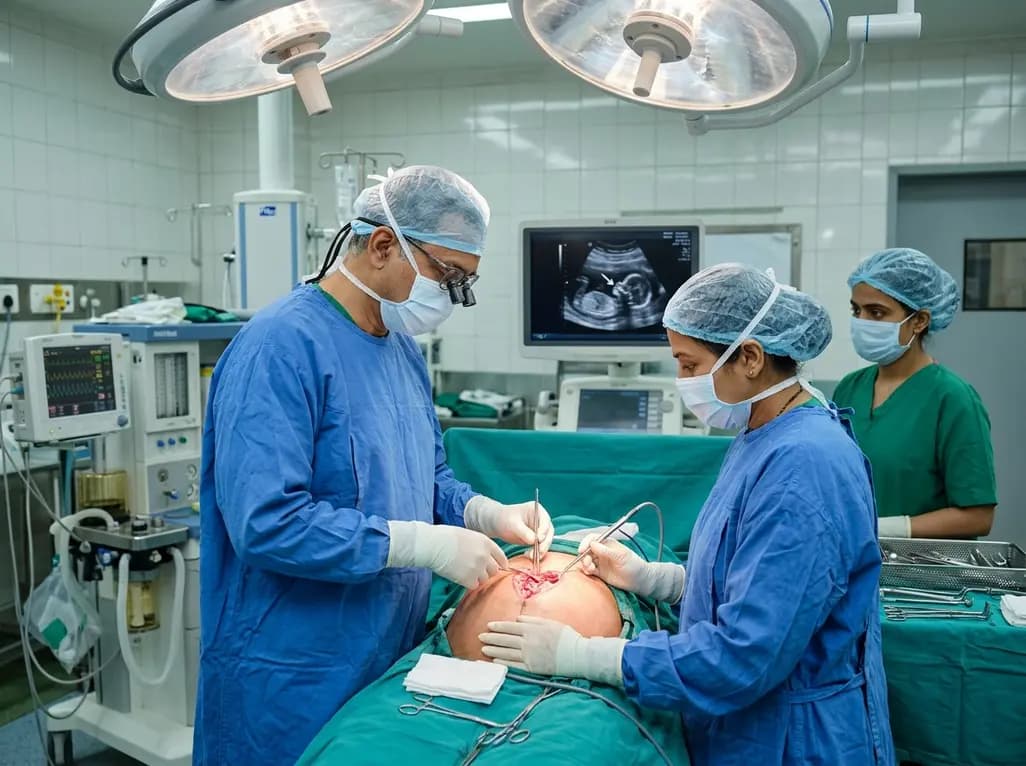
In a historic medical milestone, surgeons at AIIMS New Delhi successfully performed India's first open prenatal repair of a severe neural tube defect at 25 weeks of gestation. This pioneering in-utero procedure shields delicate neural structures, mitigating hydrocephalus and lifelong motor deficits before birth.
Today
A randomized crossover trial reveals that daily fresh watermelon consumption significantly reduces baseline TMAO levels and favorably modulates lipid profiles, lowering triglycerides and LDL cholesterol in adults with overweight and obesity.
Today
This technique guide details a targeted anchor placement method for arthroscopic Broström repair using a 1.9-mm needlescope. By avoiding an accessory anterolateral portal, surgeons preserve the superficial peroneal nerve while maintaining anatomical restoration and reducing surgical morbidity.
Today
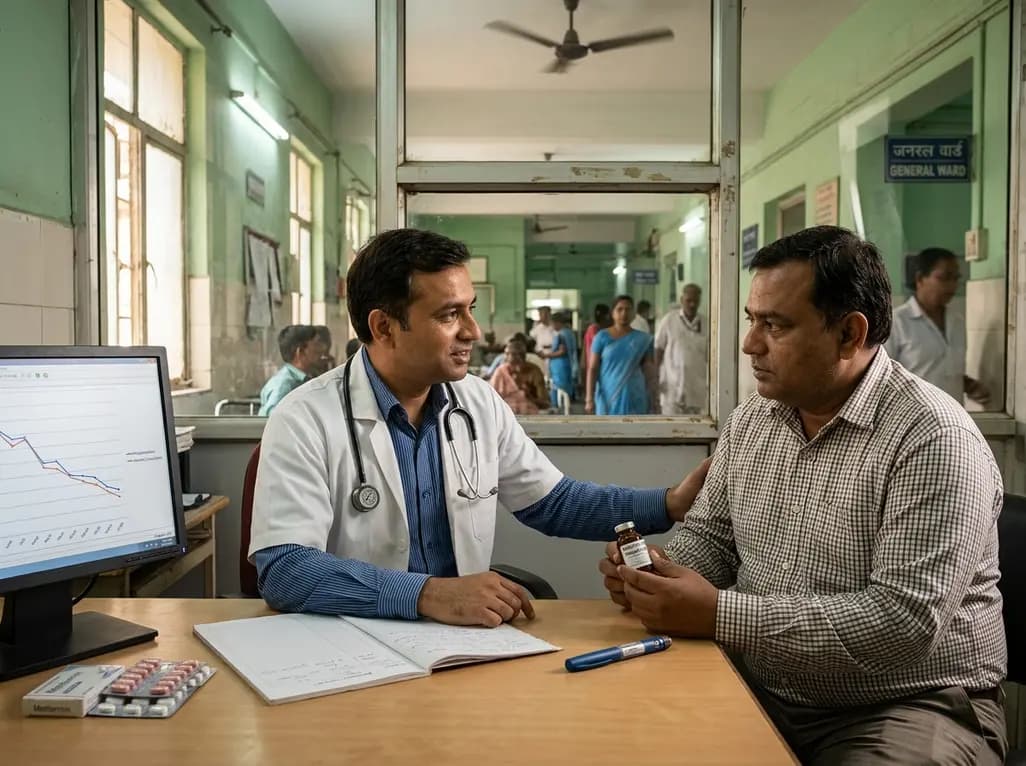
A large-scale retrospective cohort study demonstrates that GLP-1 receptor agonists significantly reduce all-cause hospitalizations, alcohol-related admissions, major cardiovascular events, and mortality in patients with overweight or obesity and alcohol use disorder, providing profound clinical insights.
Today
