

Loading, please wait...
Loading, please wait...

The management of recurrent high-grade gliomas remains one of the most formidable challenges in modern neuro-oncology. Despite maximal initial resection, concurrent chemoradiotherapy, and adjuvant temozolomide, glioblastoma universally recurs. Consequently, clinicians routinely face difficult decisions regarding salvage therapy options. Evaluating reoperation for recurrent glioblastoma has generated substantial debate among surgical teams and neuro-oncologists worldwide. Historically, repeat craniotomies served primarily to relieve acute intracranial pressure or obtain updated tissue samples for genomic profiling. However, therapeutic cytoreduction has increasingly gained acceptance as advanced neurosurgical technologies enhance operative safety. Modern neurosurgeons now integrate intraoperative navigation, fluorescence-guided surgery with 5-aminolevulinic acid, and real-time neurophysiological monitoring into salvage procedures. Therefore, surgeons can achieve extensive cytoreduction while preserving critical neurological pathways in eloquent cortex. Nevertheless, the clinical community has historically lacked high-level consensus regarding post-recurrence survival benefits. Many past investigations reported mixed outcomes due to retrospective designs and confounding selection bias. Furthermore, clinicians must weigh surgical morbidity against limited life expectancy. A systematic appraisal of pooled clinical data provides much-needed clarity for modern multidisciplinary practice. In addition, standardizing salvage recommendations requires robust statistical synthesis across diverse patient cohorts.
To address persistent clinical uncertainties, researchers conducted an exhaustive systematic review and meta-analysis encompassing studies published between 2007 and 2023. The final synthesis incorporated 36 distinct studies comprising a total of 10,738 patients diagnosed with recurrent glioblastoma. Within this massive pooled cohort, 2,806 individuals underwent repeat surgical resection for disease recurrence. Notably, the investigators identified nine rigorous propensity-score-matched studies alongside one prospective clinical trial. This methodological rigor helped control for significant confounding variables such as age, baseline functional score, and tumor location. In addition, the meta-analysis directly evaluated reoperation against alternative salvage strategies, including chemotherapy with or without radiotherapy, radiation-based modalities, and best supportive care. Because selection bias often clouds surgical oncology literature, propensity matching provides superior comparative reliability. Moreover, the study captured longitudinal shifts in surgical standards over a sixteen-year window. During this timeline, neuro-oncologists witnessed improved molecular classification and enhanced perioperative supportive care. Consequently, this expansive dataset represents the most thorough modern evaluation of surgical intervention at recurrence. These pooled findings establish a reliable empirical foundation to guide neurosurgical patient selection.
The pooled statistical analyses demonstrated significant survival advantages for patients who underwent repeat surgical resection. Specifically, the mean overall survival reached 19.66 months in the reoperation cohort. In contrast, patients receiving chemotherapy with or without radiotherapy achieved a mean overall survival of 12.56 months. Furthermore, individuals relegated to best supportive care survived a mean of only 4.04 months, confirming severe disease lethality. Multivariate survival models confirmed that reoperation significantly decreased mortality risk compared to chemotherapy regimens with or without radiation. In addition, reoperation extended progression-free survival after recurrence to 8.36 months, compared to 4.97 months in medically treated cohorts. However, the survival advantage did not achieve statistical significance when researchers compared reoperation against stereotactic radiosurgery or standalone chemotherapy regimens. Similarly, post-recurrence survival favored surgical cytoreduction over combined salvage medical therapies, yielding a mean post-recurrence survival of 12.18 months versus 9.19 months. Therefore, while reoperation confers clear survival benefits over conventional chemo-radiotherapy combinations, it performs comparably to focused radiation-based therapies. These comparative metrics highlight that reoperation provides potent local tumor control in properly stratified patients.
Achieving maximal safe cytoreduction represents the central objective of repeat surgical intervention in neuro-oncology. Importantly, the meta-analysis highlighted the profound prognostic impact of resection margins at recurrence. Surgeons who achieved complete resection of enhancing tumor, defined as leaving less than 1 cubic centimeter of residual contrast-enhancing tissue, observed markedly superior post-recurrence survival. In fact, multivariate analysis revealed a 46 percent reduction in mortality risk for complete resection compared to subtotal or partial resection. Conversely, incomplete debulking failed to provide comparable clinical benefits over non-surgical salvage options. Therefore, neurosurgeons should not approach redo surgery merely as debulking unless significant mass effect mandates urgent decompression. Modern neurosurgical adjuncts play an indispensable role in reaching these aggressive surgical margins safely. For example, intraoperative MRI and fluorescence guidance with 5-aminolevulinic acid help surgeons identify infiltrative tumor margins. Furthermore, continuous cortical mapping ensures functional preservation while maximizing tumor clearance in eloquent brain regions. Consequently, the surgical team must thoroughly review preoperative imaging to determine whether complete resection is technically feasible before recommending repeat craniotomy. Aggressive surgery without functional compromise clearly drives improved clinical durability.
While pooled data validate the survival benefits of repeat surgery, clinicians cannot offer reoperation indiscriminately to all patients. Glioblastoma recurrence presents a complex clinical challenge that requires meticulous multidisciplinary evaluation. Specifically, neuro-oncology tumor boards must evaluate baseline performance status, age, time from initial radiation, and molecular pathology. Patients with a high Karnofsky Performance Status typically tolerate reoperation and subsequent adjuvant therapies far better than debilitated individuals. Moreover, tumors located in non-eloquent cortical areas present substantially lower risks of disabling postoperative neurological deficits. In contrast, reoperating on deeply seated or multifocal lesions rarely yields complete cytoreduction and exposes patients to surgical harm. Therefore, multidisciplinary teams must integrate neurosurgeons, radiation oncologists, and medical oncologists to personalize salvage treatment plans. In addition, clinicians must consider patient quality of life and preferences during shared decision-making discussions. When complete resection appears improbable, clinicians should prioritize stereotactic radiosurgery, clinical trial enrollment, or targeted systemic regimens. Ultimately, careful patient selection remains the definitive factor determining whether reoperation translates into meaningful survival gains. Surgical discipline and precision patient stratification ensure optimal outcomes in recurrent glioblastoma management.
Patients who benefit most from repeat surgery generally present with a high Karnofsky Performance Status, younger age, and focal non-eloquent recurrence. Furthermore, patients derive the greatest survival advantage when neurosurgeons can achieve complete resection of enhancing tumor without causing new postoperative neurological deficits or delaying subsequent systemic salvage therapy.
Pooled meta-analysis data demonstrate that reoperation provides significantly superior overall survival compared to chemotherapy with or without radiotherapy and best supportive care. However, reoperation yields survival outcomes comparable to stereotactic radiosurgery or standalone chemotherapy. Therefore, multidisciplinary tumor boards frequently combine surgical resection with systemic therapies for maximal therapeutic effect.
Surgeons should aim for complete resection of enhancing tumor, which requires leaving less than one cubic centimeter of residual enhancing disease. Multivariate analyses demonstrate that achieving this surgical threshold significantly improves post-recurrence survival, whereas partial debulking offers minimal survival benefit over medical therapy while still exposing patients to surgical risks.
Disclaimer: This content is for informational and educational purposes only... Refer to the latest local and national guidelines for clinical practice.
References

Read summarized clinical updates, watch expert medical content, and earn CME certifications right from your smartphone.
Open your smartphone camera to scan and install.





A meta-analysis of over 10,000 patients evaluates the survival impact of reoperation for recurrent glioblastoma. The findings highlight significant overall and progression-free survival benefits when achieving complete resection of enhancing tumor compared to salvage chemotherapy or supportive care alone.
Today

Novel glucose-responsive mPEG-PSA nanocarriers deliver insulin aspart on demand, achieving dual postprandial and basal glycemic control without hypoglycemia in diabetic models. This biomaterial breakthrough offers promising clinical implications for physiologic diabetes management.
Today
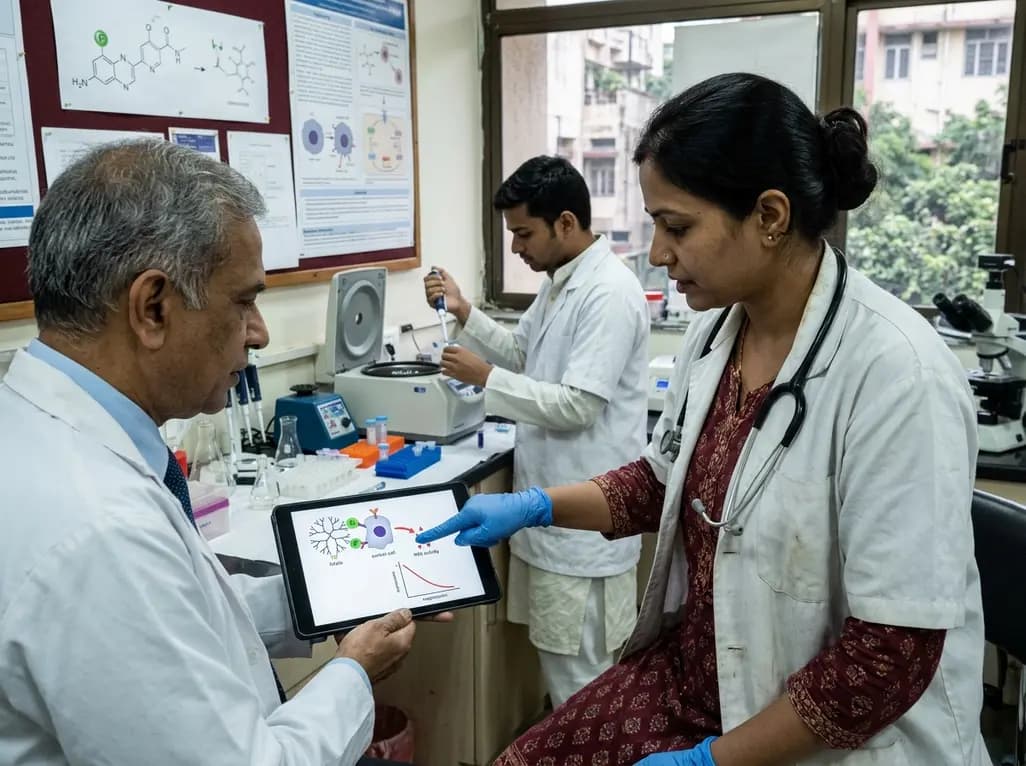
A novel folate-conjugated tecto-dendrimer nanoplatform successfully delivers siRNA to achieve targeted HK2 silencing, disrupting ovarian cancer glycolysis and suppressing lactate output.
Today
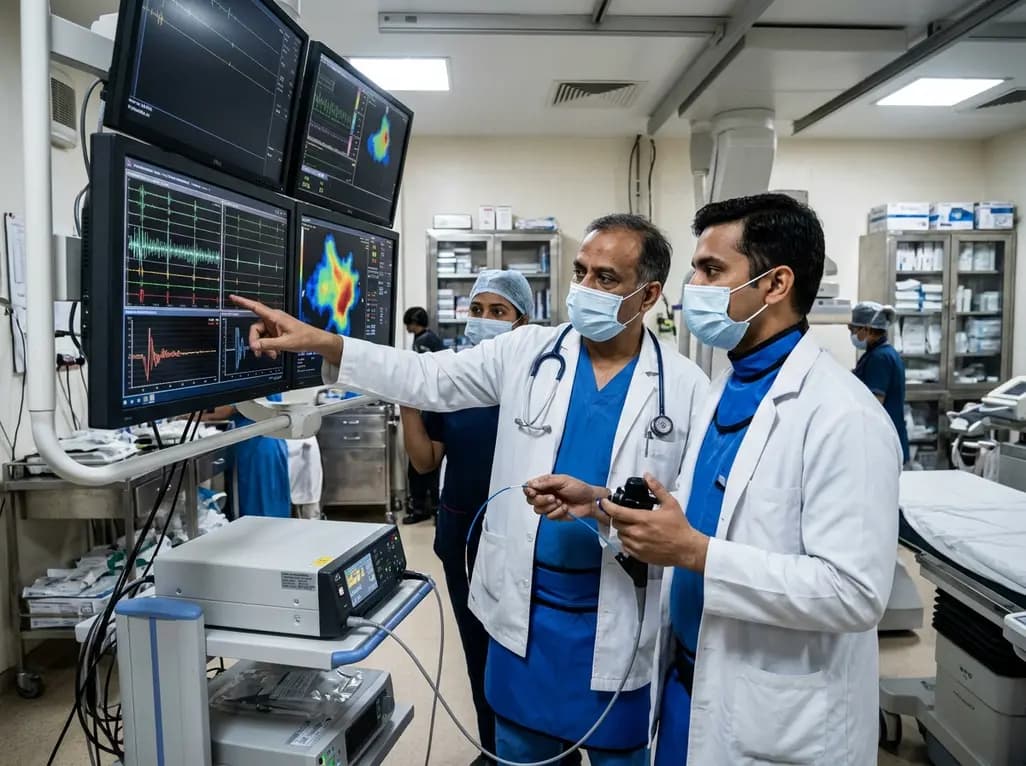
A comparative non-contact study reveals that high-power radiofrequency delivery with the QDOT MICRO catheter induces an artifactual contact force rise. Electrophysiologists must understand this power-dependent thermal and electrical phenomenon to avoid inadvertent catheter withdrawal and ineffective ablation.
Today
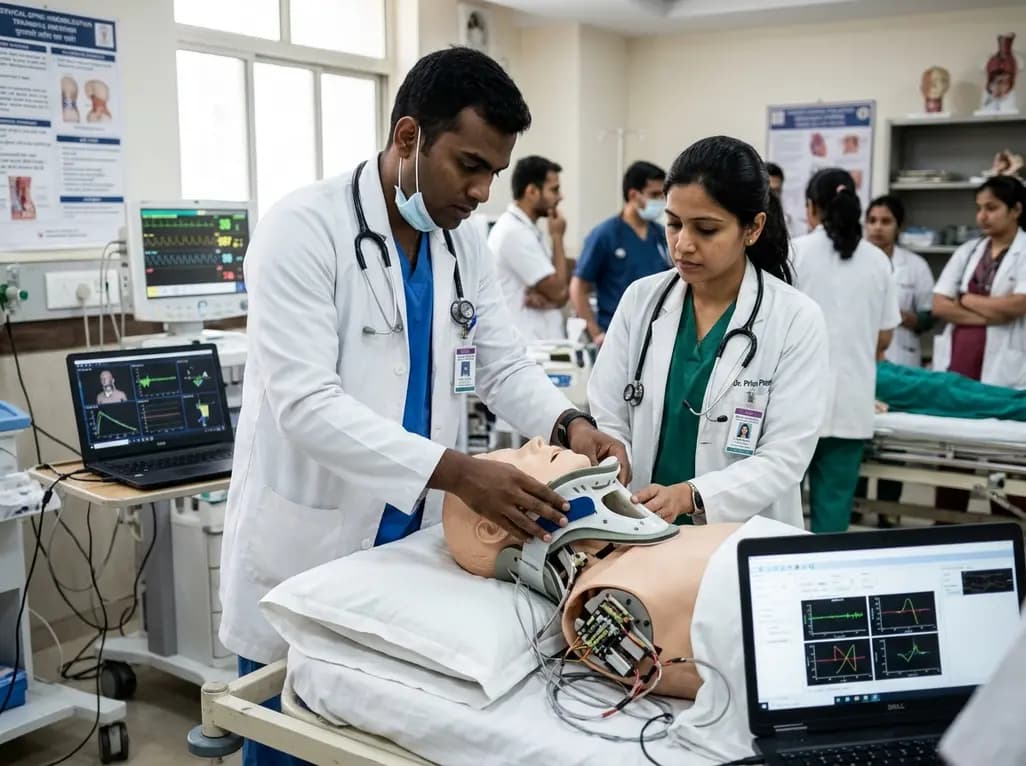
A novel proof-of-concept study presents a six-degree-of-freedom articulated manikin neck equipped with linear potentiometers. The system provides real-time kinematic motion feedback during cervical immobilisation, delivering sub-degree tracking accuracy to improve pre-hospital trauma training and patient safety.
Today

A retrospective comparative cohort study evaluated genitourinary safety in HFpEF between dapagliflozin and empagliflozin over six months. Rates of symptomatic UTI and asymptomatic bacteriuria showed no statistically significant differences, supporting comparable safety profiles across both SGLT2 inhibitors.
Today
