India is quickly transforming into a global powerhouse for healthcare delivery. Consequently, the government is initiating an ambitious scheme to establish India as a primary medical tourism destination. According to the Union Budget 2026-27, the administration will support states to establish five **Regional Medical Hubs**. This visionary framework aims to consolidate advanced clinical care, medical research, and educational facilities under one umbrella. Furthermore, this initiative will provide crucial financial assistance to upgrade hospitals and medical colleges across the nation. This article explores how this strategic move will redefine the medical ecosystem for healthcare professionals and international patients. Ultimately, this comprehensive policy will elevate care quality nationwide.
Strategic Funding for Hospital Expansion
To implement this ambitious scheme, the government plans to offer direct financial support to healthcare institutions. Consequently, eligible hospitals and medical colleges can secure funding to expand their facilities and upgrade clinical systems. This financial injection will target both greenfield projects and the expansion of existing clinics across various states. Moreover, the scheme emphasizes the development of standardized planning norms and technical benchmarks for teaching hospitals. Healthcare leaders believe that this support will resolve the critical challenges of bed density and intensive care capacity. Therefore, hospitals can easily scale their operations to meet rising international demands. Additionally, the funding will cover trauma care, emergency medicine, and advanced diagnostic infrastructure. As a result, domestic patients will also benefit from these upgraded medical facilities. Ultimately, these investments will elevate the baseline of Indian clinical facilities and prepare them for global competition. To qualify for this support, hospital administrators must submit detailed proposals outlining their infrastructure goals. Thus, the funding acts as a catalyst for nationwide healthcare modernization.
DPIIT Standards and Smart Healthcare Technology
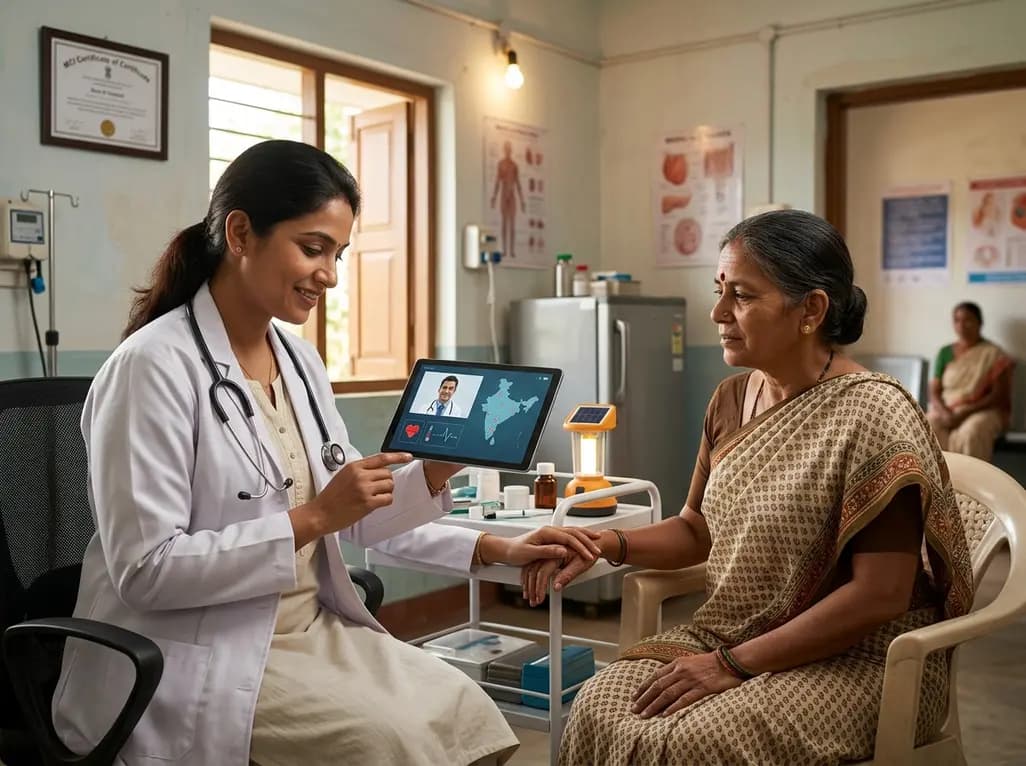
To complement the funding, the Department of Industrial Policy and Promotion (DPIIT) is introducing advanced planning standards. Specifically, these guidelines will push future-ready hospitals to adopt smart healthcare surgery enablement. Hospitals must integrate advanced technology such as AI-assisted diagnostics, digital pathology, and telemedicine systems. Furthermore, the standards will mandate the implementation of interoperable electronic medical records (EMR) across all hubs. Consequently, this digital integration will enable seamless patient data sharing and improve clinical accuracy. Doctors can easily collaborate with global experts to provide precise treatments. Additionally, the transition to AI-supported diagnostic tools will optimize workflow efficiency and reduce errors. Thus, healthcare providers can manage larger patient volumes without compromising care quality. Meanwhile, the use of modular operation theatres will ensure high surgical safety standards and lower infection rates. These guidelines will definitely reshape hospital operations nationwide. Hospital developers must incorporate these technical benchmarks during the design phase. Ultimately, this transformation will position India as a technologically superior healthcare destination.
Clinical Quality and International Accreditation
The scheme does not merely focus on physical infrastructure. Indeed, it establishes strict clinical quality standards and international accreditation requirements as mandatory eligibility criteria. Hospitals seeking government funding must strictly adhere to these benchmarks. Consequently, this regulatory oversight will reassure international patients about the safety of medical treatments in India. Furthermore, alignment with global accreditation bodies will elevate India's position on the global Medical Tourism Index. Healthcare providers must implement rigorous protocols for patient safety, infection control, and clinical audits. Therefore, only top-tier institutions that demonstrate high clinical outcomes will qualify for financial support. Additionally, this requirement will motivate smaller clinical centers to upgrade their quality protocols. As a result, the overall standard of care across the country will witness a significant positive shift. Ultimately, clinical excellence will become the primary driver of India's medical value travel growth. To maintain these standards, the government will conduct periodic audits of funded institutions. Thus, quality assurance remains at the heart of this national initiative.
Developing Regional Medical Hubs with Private Sector Partnership
The core of the new budget announcement lies in the creation of five **Regional Medical Hubs**. To execute this, the government is collaborating closely with private sector partners. These hubs will function as integrated healthcare complexes that house medical, educational, and research facilities. Moreover, they will feature specialized AYUSH centers to offer traditional Indian medicine alongside modern clinical treatments. This integration of Ayurveda, Yoga, and Naturopathy will attract patients seeking holistic healing. Furthermore, each hub will establish dedicated medical value tourism facilitation centers to streamline the journey for international visitors. Consequently, this comprehensive care model will make India a unique global healing destination. The plan also aims to build model frameworks for integrated medical districts. Specifically, these districts will comprise hospitals, research centers, biotech parks, and wellness facilities. Therefore, patients can access diagnostics, specialized surgeries, and post-treatment rehabilitation in a single, coordinated environment. Private developers will play a crucial role in managing these complexes efficiently. Ultimately, this partnership will deliver world-class patient care at an affordable cost.
Economic Impacts and Healthcare Employment Opportunities
India's medical tourism market is on a rapid growth trajectory. Industry estimates project the market to grow from USD 8.7 billion in 2025 to a staggering USD 16.2 billion by 2030. Consequently, this rapid expansion will generate diverse employment opportunities for healthcare professionals. Medical colleges and hospitals will require a highly skilled workforce to manage the influx of international patients. Furthermore, this demand will extend beyond doctors to include nurses, allied health professionals, and administrative staff. The government also plans to train thousands of multi-skilled caregivers to support geriatric and rehabilitative care. Additionally, the official marketing framework will promote India as a premier destination in high-yield foreign geographies. Thus, digital promotion strategies and international partnership models will further accelerate patient inflows. As a result, private healthcare providers will expand their clinical capacities aggressively over the next few years. Ultimately, this growth will strengthen both the national economy and public healthcare capabilities. Healthcare professionals should prepare for these emerging opportunities by upgrading their clinical skills.
Frequently Asked Questions
Q1: What are Regional Medical Hubs and how will they function?
Regional Medical Hubs are integrated healthcare complexes designed to promote medical tourism. They will combine advanced medical services, educational facilities, and research centers in one location. Furthermore, these hubs will feature specialized AYUSH centers and dedicated tourism facilitation units. Consequently, international patients can access comprehensive diagnostic, surgical, and post-treatment care within a single, streamlined ecosystem.
Q2: Who is eligible for funding under this new government scheme?
Hospitals, medical colleges, and healthcare infrastructure projects are eligible to seek funding under this scheme. However, they must meet mandatory Clinical Quality Standards and secure international accreditation to qualify. This strict quality control ensures that only high-standard facilities receive government support. Consequently, this strategic approach maintains India’s competitive edge while boosting patient safety and international confidence across all funded institutions.
Q3: What specific technologies will these future-ready hospitals adopt?
These future-ready hospitals will implement advanced digital planning standards. Specifically, they will adopt smart healthcare surgery enablement, AI-assisted diagnostics, and digital pathology. Additionally, they will use telemedicine systems and interoperable electronic medical records to ensure seamless data flow. As a result, these technologies will optimize diagnostic accuracy, enhance surgical precision, and improve overall clinical outcomes for patients.
Disclaimer: This content is for informational and educational purposes only. It does not constitute medical advice or replace professional judgment. Refer to the latest local and national guidelines for clinical practice.
References
- Centre eyes medical tourism boost with funding support for hospitals - ETHealthworld
- Government to establish Regional Medical Hubs to boost Medical Value Tourism - PIB
- Medical Tourism and India's Union Budget 2026-27: A New Growth Horizon - SimplifyMVT
.webp&w=384&q=75)