.webp&w=384&q=75)

Loading, please wait...
Loading, please wait...

Yes, auricular keloids generally demonstrate a higher success rate and lower recurrence compared to nonauricular sites like the chest or back, largely due to differences in skin tension.
Adjuvant radiation therapy significantly reduces the risk of recurrence. For instance, the study showed recurrence dropped to 5% in auricular cases and 15.7% in nonauricular cases when radiation was used.
The most frequent side effect is hyperpigmentation at the treatment site. However, these changes are often temporary and can be managed with standard dermatological care.
Disclaimer: This content is for informational and educational purposes only and does not constitute medical advice. Always seek the advice of a qualified healthcare provider with any questions regarding a medical condition. Refer to the latest local and national guidelines for clinical practice.
References
1. Kumar SIS et al. Regional Differences in Postexcision Outcomes of Keloids: A Focus on Auricular Versus Nonauricular Sites. Ann Plast Surg. 2026 May 25. doi: 10.1097/SAP.0000000000004775. PMID: 42184131.
2. Gupta S, Sharma VK. Standard guidelines of care: Keloids and hypertrophic scars. Indian J Dermatol Venereol Leprol 2011;77:94-100.
3. Ogawa R. The most current algorithms for the treatment and prevention of hypertrophic scars and keloids. Plast Reconstr Surg. 2010;125(2):557-68.
"
Read summarized clinical updates, watch expert medical content, and earn CME certifications right from your smartphone.
Open your smartphone camera to scan and install.





New study shows auricular keloids have lower recurrence (5.0%) than nonauricular sites (15.7%) after surgery and radiation. Learn more about site-specific c...
3 months ago

A multicenter propensity-matched study evaluated DOAC plus single versus dual antiplatelet therapy after carotid artery stenting. Findings revealed comparable intracranial hemorrhage and ischemic stroke rates, supporting DOAC plus SAPT as a viable antithrombotic strategy in high-risk patients.
Today
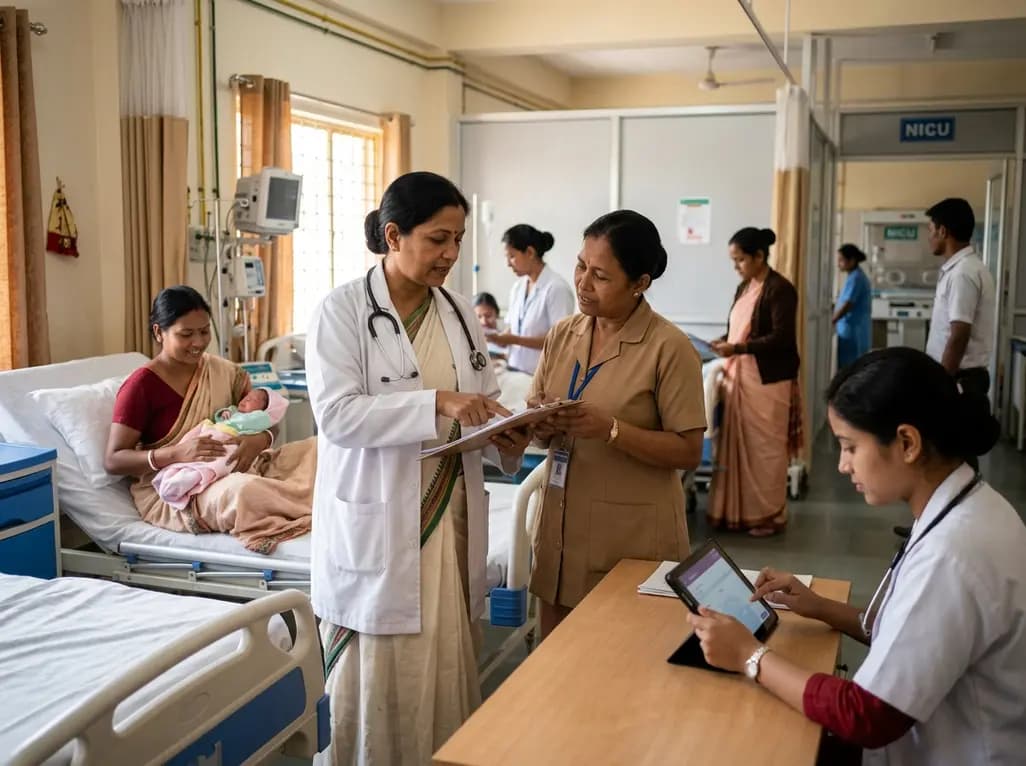
Meghalaya recorded a historic 55% reduction in maternal deaths, dropping from 244 to 107 over five years. Through the MOTHER app, dedicated transit homes, and expanded infrastructure like the 150-bed Tura Maternity Hospital with its first public NICU, the state demonstrates an effective public health model.
Today

Explore modern perioperative management protocols for clinical xenotransplantation. Learn how costimulation blockade, anti-inflammatory perfusion, and coagulopathy rescue overcome interspecies hurdles.
Yesterday
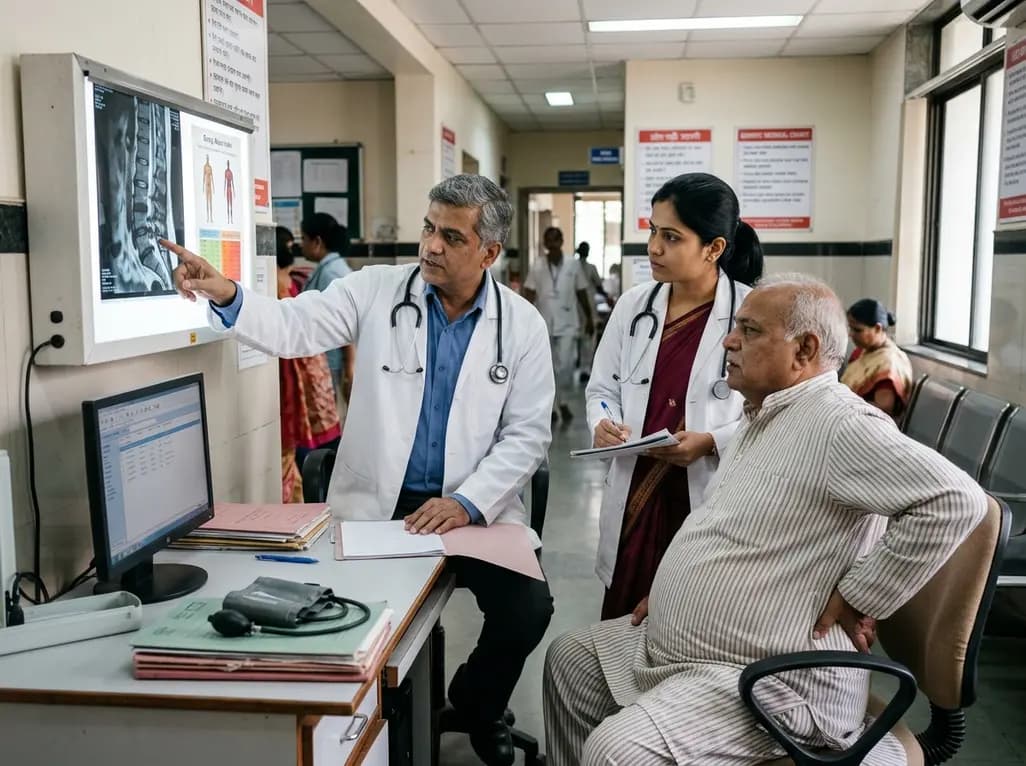
A cross-sectional study reveals that sarcopenic obesity independently increases functional impairment and severe disc degeneration in patients with degenerative lumbar spinal stenosis, highlighting the need for body composition assessment.
Today
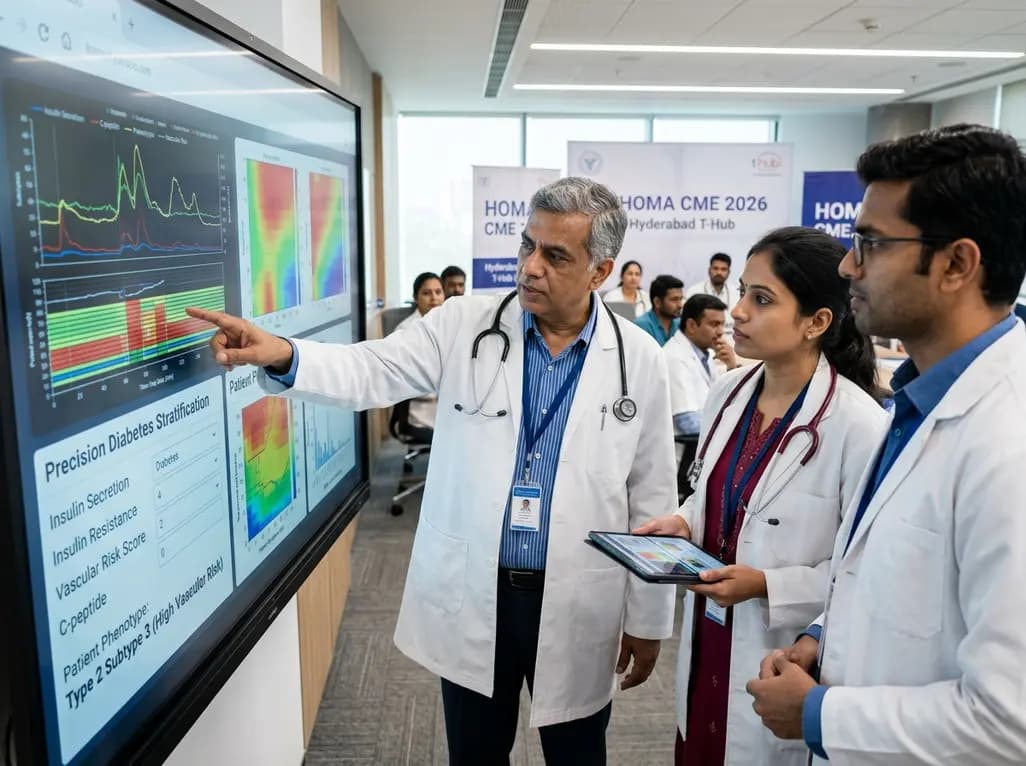
At Homa CME 2026 at Hyderabad's T-Hub, healthcare leaders emphasized moving beyond routine metrics through digital calculators and precision stratification. Discover why characterizing individual insulin secretion, resistance patterns, and vascular risks transforms chronic metabolic care in India.
Today
