.webp&w=384&q=75)

Loading, please wait...
Loading, please wait...
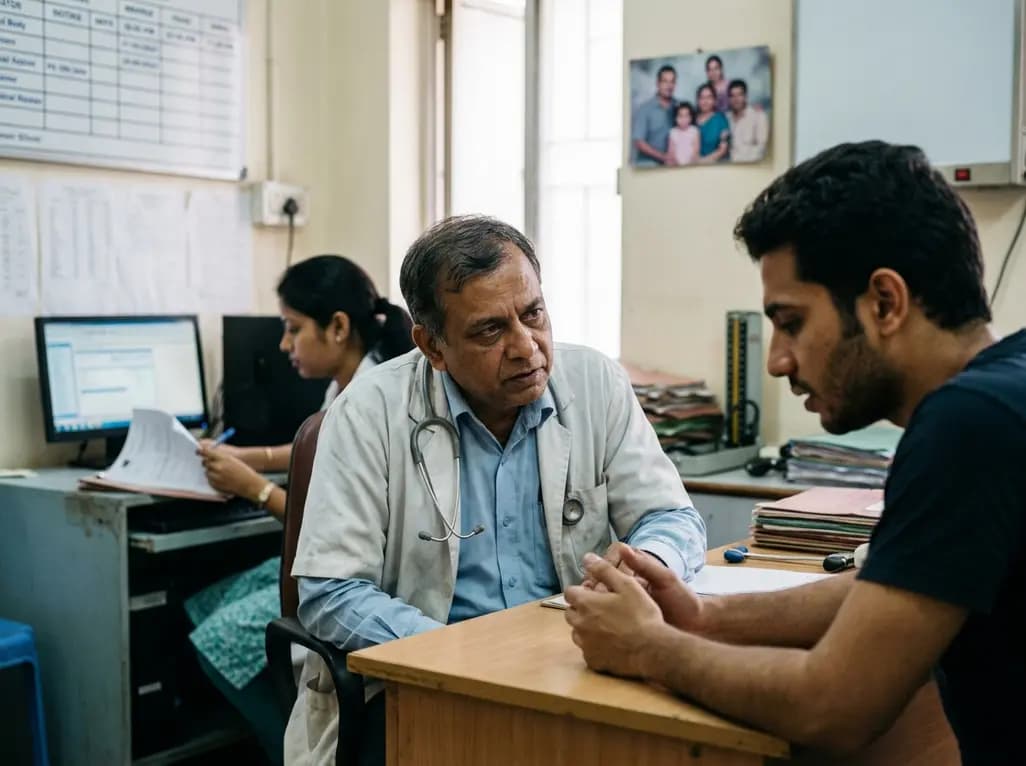
Forcibly displaced populations navigate profound adversity before, during, and after migration. Consequently, evaluating refugee mental health remains a critical priority for healthcare practitioners globally. Exposure to armed conflict, violence, and bereavement places displaced individuals at elevated risk for psychiatric morbidity. Specifically, post-traumatic stress disorder, generalized anxiety, and depression frequently emerge across host countries. However, physical wellness does not guarantee emotional stability. Many refugees reporting excellent physical health continue to endure severe, hidden psychological distress. Therefore, clinicians must recognize that somatic resilience often masks substantial psychological burdens.
Moreover, post-migration stressors compound the initial trauma experienced during conflict. Newcomers frequently encounter language barriers, unfamiliar social frameworks, isolation, and acute financial instability. In addition, difficult cultural adjustments and complex bureaucratic procedures hinder effective resettlement. These persistent environmental stressors generate chronic psychological strain that erodes baseline wellbeing over time. Thus, primary care physicians and psychiatrists require nuanced screening strategies to ensure timely, culturally responsive psychiatric care.
A recent cross-sectional study conducted in Ontario, Canada, evaluated the relationship between family dynamics and mental health among Syrian refugees. The investigators analyzed 398 resettled parents who reported good to excellent physical health. This inclusion criterion isolated psychiatric outcomes from confounding physical illnesses, allowing precise evaluation of psychological distress.
To assess psychological parameters, researchers utilized validated clinical psychometric instruments. They measured depression, anxiety, and stress using the 21-item Depression Anxiety Stress Scales and assessed post-traumatic stress disorder using the Primary Care Post-Traumatic Stress Disorder screen. Furthermore, investigators measured family dynamics using the General Functioning subscale of the McMaster Family Assessment Device. This scale evaluates structural interactions, problem-solving, and communication clarity within households, establishing reliable quantitative associations between family environment and emotional distress.
The statistical analyses revealed notable associations between household dynamics and mental health outcomes. Specifically, poor family functioning demonstrated significant positive correlations with elevated anxiety, stress, and post-traumatic stress disorder. When households experience persistent discord or impaired communication, emotional vulnerability escalates rapidly among parents, which exacerbates underlying traumatic memories and chronic hyperarousal.
Interestingly, the study identified no statistically significant association between poor family functioning and depression. This finding suggests that depressive symptoms in refugee parents may stem primarily from past catastrophic trauma and grief rather than immediate domestic dynamics. Conversely, situational stress and anxiety remain highly reactive to current family friction. Therefore, clinicians must distinguish between intra-familial tension and pervasive depressive pathology during routine consultations.
Beyond interpersonal dynamics, socioeconomic conditions exert a profound influence on refugee mental health. The study demonstrated that lower socioeconomic status was robustly linked to higher levels of depression, anxiety, and stress. Financial scarcity imposes intense pressure on newcomer parents striving to establish stability in unfamiliar communities, depleting emotional reserves and increasing domestic tension.
Furthermore, underemployment and credential invalidation frequently trap skilled refugees in low-income brackets, undermining personal self-worth and social identity. Additionally, housing insecurity and financial strain intensify chronic stress among caregivers. When economic hardship coincides with parental responsibilities, psychological decompensation becomes more probable. Thus, healthcare providers must address economic deprivation as a fundamental determinant of health by integrating social support with clinical care.
Gender-specific patterns emerged as another important dimension within the study findings. Although adjusted models did not reveal statistically significant differences between genders, an observable clinical trend appeared among participants. Specifically, refugee fathers reported poorer anxiety outcomes compared to mothers, underscoring unique psychosocial pressures during resettlement.
In many traditional societies, fathers bear the primary expectation of financial provision and family protection. However, systemic employment barriers and loss of social status frequently disrupt these traditional roles, causing acute inadequacy and distress. Meanwhile, mothers may establish community connections more readily through schools and neighborhood networks. Therefore, primary care practitioners should maintain vigilance regarding paternal anxiety and proactively screen fathers who might otherwise avoid mental healthcare.
These findings offer valuable practical guidance for primary care physicians, psychiatrists, and community practitioners. First, clinicians cannot assume that physically healthy refugees are free from psychiatric morbidity. Routine screening for anxiety, stress, and trauma remains essential regardless of somatic health, enabling early identification and targeted intervention.
Second, medical providers should implement family-centered therapeutic models rather than focusing exclusively on individual symptoms. Interventions that enhance family communication and resolve domestic conflict can directly alleviate parental anxiety and stress. Furthermore, interdisciplinary primary care teams must connect displaced families with vocational training, language classes, and social welfare resources to foster comprehensive psychological resilience.
Family functioning directly shapes emotional stability and coping capacity during resettlement. Discord, communication breakdown, and impaired problem-solving within households significantly heighten anxiety, daily stress, and post-traumatic stress disorder symptoms. Conversely, cohesive family environments provide vital emotional support, mitigating resettlement stressors and fostering psychological resilience among traumatized parents and children.
Socioeconomic status directly dictates living conditions, financial security, and access to basic necessities during post-migration integration. Severe economic distress, underemployment, and poverty intensify chronic anxiety, depressive symptoms, and parental stress. When financial hardship persists, it depletes emotional reserves, exacerbates domestic friction, and significantly delays successful community adaptation.
Clinicians frequently utilize validated psychometric instruments to identify psychiatric morbidity in displaced populations. The Depression Anxiety Stress Scales assess dimensions of affective distress, while the Primary Care Post-Traumatic Stress Disorder tool detects trauma reactions. Additionally, the McMaster Family Assessment Device effectively evaluates household functioning and structural family dynamics.
Disclaimer: This content is for informational and educational purposes only. It is not intended to provide medical advice or to be a substitute for professional medical assessment, diagnosis, or treatment. Always seek the advice of a qualified healthcare professional with any questions you may have regarding a medical condition. Refer to the latest local and national guidelines for clinical practice.
References

Read summarized clinical updates, watch expert medical content, and earn CME certifications right from your smartphone.
Open your smartphone camera to scan and install.





A cross-sectional study in Ontario examines the impact of family functioning and socioeconomic factors on refugee mental health, identifying key links with anxiety, stress, and PTSD among physically healthy parents.
last month

A new systematic review protocol evaluates how virtual reality immersion levels and game formats—serious versus commercial—influence upper limb functional recovery after stroke, examining motor outcomes and adherence across acute and chronic stages.
Today
A cross-sectional study of over 33 million US live births from 2016 through 2024 reveals a 74% increase in hypertensive disorders of pregnancy. This clinical overview explores demographic drivers, maternal-fetal outcomes, and essential preventive strategies for obstetric practice.
Today
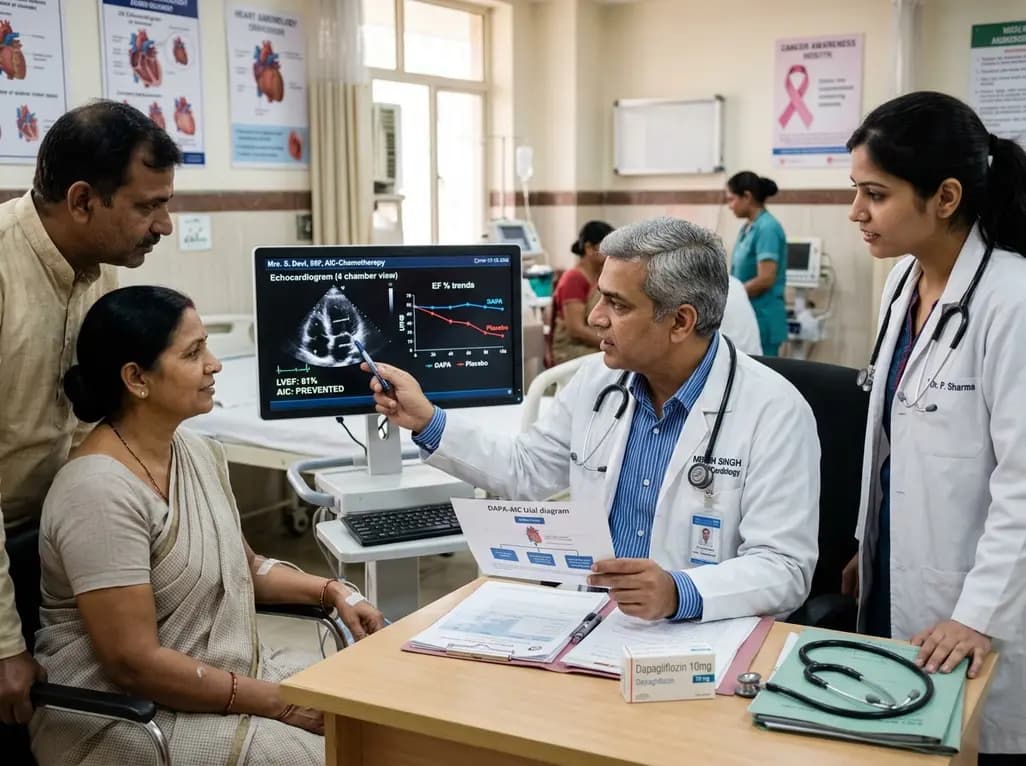
The phase II DAPA-AIC trial demonstrates that dapagliflozin 10 mg daily significantly preserves left ventricular ejection fraction compared to placebo over four months in adults undergoing anthracycline chemotherapy, highlighting a potential preventive strategy in cardio-oncology.
Today
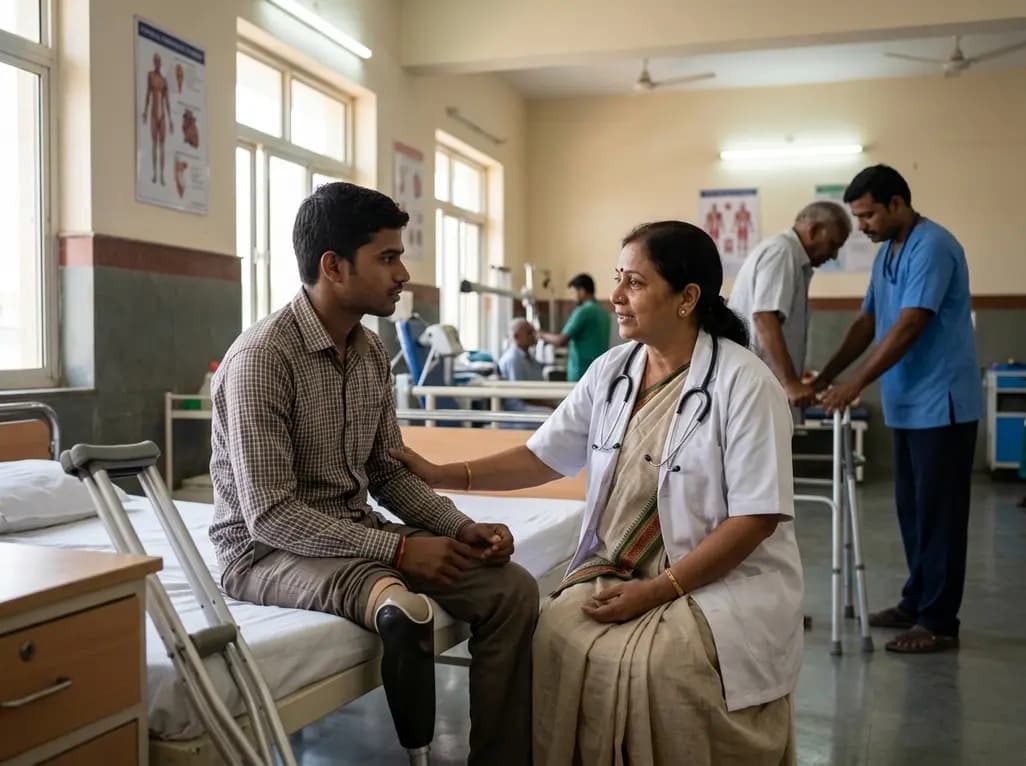
A scoping review reveals severe gaps in long-term assistive technology provision following humanitarian emergencies. Addressing post-disaster rehabilitation requires systematic follow-up, workforce training, and integration into national health systems to sustain mobility and recovery.
Today
A randomized controlled trial investigated whether virtual reality thyroid biopsy reduces procedural pain, anxiety, and fear. While adjusted analyses showed modest pain reduction, unadjusted differences remained statistically insignificant, highlighting the need for larger confirmatory trials.
Today
