.webp&w=384&q=75)

Loading, please wait...
Loading, please wait...

Recent clinical evidence shows that refrigerated platelets stored for up to three weeks control surgical bleeding as effectively as standard room-temperature units. Platelet transfusions represent an essential cornerstone of emergency resuscitation, trauma care, and complex surgical interventions. For more than fifty years, blood banks have stored platelet units at room temperature under constant agitation. However, this traditional practice severely restricts platelet shelf life to merely five to seven days. This brief window leads to significant product expiration, logistics hurdles, and critical inventory shortages. Consequently, clinical researchers designed the landmark Chilled Platelet Study to assess whether cold storage could safely extend platelet viability and availability.
Conventional blood banking protocols mandate storing platelets between 20°C and 24°C with continuous agitation to maintain in vivo circulation time. Unfortunately, warm storage creates an ideal environment for bacterial proliferation, which represents the leading infectious hazard in transfusion medicine. To minimize sepsis risks, regulatory agencies enforce a strict shelf life limit of five to seven days. Blood centers must also discard unused units once they reach expiration, resulting in substantial resource wastage. In the United States alone, hospitals discard approximately ten to twenty percent of collected platelet units each year. Furthermore, the prohibitive cost and high discard rates prevent community and rural hospitals from maintaining consistent on-site inventories. As a result, clinicians in resource-limited settings frequently experience acute shortages when treating severely hemorrhaging patients.
To address this clinical dilemma, investigators conducted the Chilled Platelet Study across twenty-seven hospital centers in the United States and Australia. This multicenter randomized clinical trial enrolled one thousand pediatric and adult patients undergoing complex cardiac surgery requiring cardiopulmonary bypass. Participants received either standard room-temperature platelets stored for seven days or refrigerated platelets preserved at 1°C to 6°C for up to twenty-one days. The primary outcome focused on hemostatic efficacy in managing active intraoperative bleeding. Notably, the study established that cold-stored platelets achieved statistical noninferiority compared to room-temperature units. Additionally, twenty-four-hour chest tube blood loss showed no significant divergence between the treatment groups. The researchers also observed similar rates of overall mortality, organ failure, and thrombotic events.
Understanding platelet physiology helps explain why chilled storage delivers robust hemostatic efficacy during active hemorrhage. Exposure to cold temperatures alters the platelet membrane architecture and triggers partial glycoprotein Ib receptor clustering. Although hepatic macrophages clear these altered platelets more rapidly from circulation, the refrigerated cells exhibit superior immediate clotting responsiveness. Specifically, cold preservation primes platelet activation pathways, enhances surface P-selectin expression, and accelerates thrombin generation at bleeding sites. Consequently, when clinicians transfuse these units into an actively bleeding surgical patient, the platelets aggregate immediately to form stable hemostatic plugs. While room-temperature platelets remain ideal for prophylactic transfusions requiring long circulatory survival, cold-stored products excel at acute, localized hemostasis.
Extending platelet shelf life from seven to twenty-one days offers profound operational advantages for transfusion services worldwide. First, blood banks can build stable reserve inventories without facing rapid product expiration. This extended timeline substantially smooths out donation supply fluctuations and reduces inventory management stress. Second, rural facilities and smaller community hospitals can finally stock platelets economically. Presently, smaller centers cannot justify stocking room-temperature units because severe bleeding cases occur unpredictably. Therefore, having a three-week inventory shelf life empowers remote trauma centers and district hospitals to provide prompt hemostatic resuscitation. Moreover, chilling platelets naturally impedes bacterial growth, thereby enhancing the microbiological safety profile of each transfusion unit.
Safety evaluations from the trial demonstrated that cold storage did not increase the incidence of adverse systemic events. Rates of acute lung injury, renal impairment, arterial thrombosis, and deep vein thrombosis remained comparable across both cohorts. However, surgical teams noted a slight increase in surgical re-exploration rates among cold-stored recipients, highlighting the need for tailored clinical protocols. As health authorities review regulatory submissions, blood centers should prepare standard operating procedures for dual-inventory storage. Clinicians should utilize cold-stored platelets primarily for acute surgical hemorrhage, massive trauma resuscitation, and critical bleeding. Conversely, hematologists should continue reserving room-temperature platelets for hypoproliferative thrombocytopenia in oncology patients who require sustained circulating platelet counts.
Q1: Why were platelets historically stored at room temperature instead of refrigerated?
Transfusion protocols historically adopted room-temperature storage because early studies showed chilled platelets clearance occurs rapidly via hepatic macrophages. Room-temperature platelets circulate longer in the bloodstream, which makes them effective for prophylactic treatment in chemotherapy-induced thrombocytopenia. However, for acute bleeding, immediate clotting efficacy matters far more than prolonged circulating lifespan.
Q2: How does cold storage affect the risk of bacterial contamination in platelet units?
Refrigerating platelet units between 1°C and 6°C significantly inhibits bacterial growth compared to room-temperature environments. Bacterial proliferation represents the primary infectious risk of standard room-temperature platelets. Cold storage naturally suppresses bacterial pathogens, potentially reducing transfusion-transmitted infections and allowing longer shelf life without compromising microbial safety.
Q3: Which patient populations will benefit most from cold-stored platelet transfusions?
Patients with acute, life-threatening bleeding derive the greatest benefit from cold-stored platelets. This includes individuals undergoing complex cardiovascular surgery, severe trauma casualties, and patients with massive obstetric or gastrointestinal hemorrhage. Remote and community hospitals will also benefit by keeping long-lasting platelet units ready for emergencies.
Disclaimer: This content is for informational and educational purposes only. It does not constitute medical advice or replace professional judgment. Refer to the latest local and national guidelines for clinical practice.
References

Read summarized clinical updates, watch expert medical content, and earn CME certifications right from your smartphone.
Open your smartphone camera to scan and install.





A landmark clinical trial published in JAMA demonstrates that refrigerated platelets stored up to 21 days match standard room-temperature units in controlling acute surgical bleeding. This breakthrough promises to reduce blood bank wastage, triple supplies, and expand emergency transfusion access for hospitals.
last month

Pancreatic cancer cachexia affects over 80% of patients, driving severe muscle wasting, systemic inflammation, and treatment intolerance. This review highlights key pathophysiological drivers, exocrine insufficiency, objective CT imaging, and emerging therapies like GDF-15 inhibitors to improve clinical outcomes.
Today

A scoping review reveals how pregnancy affects phonation through laryngeal edema and reduced phonation time rather than major acoustic pitch alterations. Learn how to identify, evaluate, and manage vocal symptoms in expectant mothers.
Today

According to WHO data, average lifespan reached 73.3 years in 2023, recovering from pandemic lows. However, healthy life expectancy lags at 62.8 years due to surging noncommunicable conditions like cardiovascular disease and dementia, demanding proactive primary screening and sustained chronic care.
Today
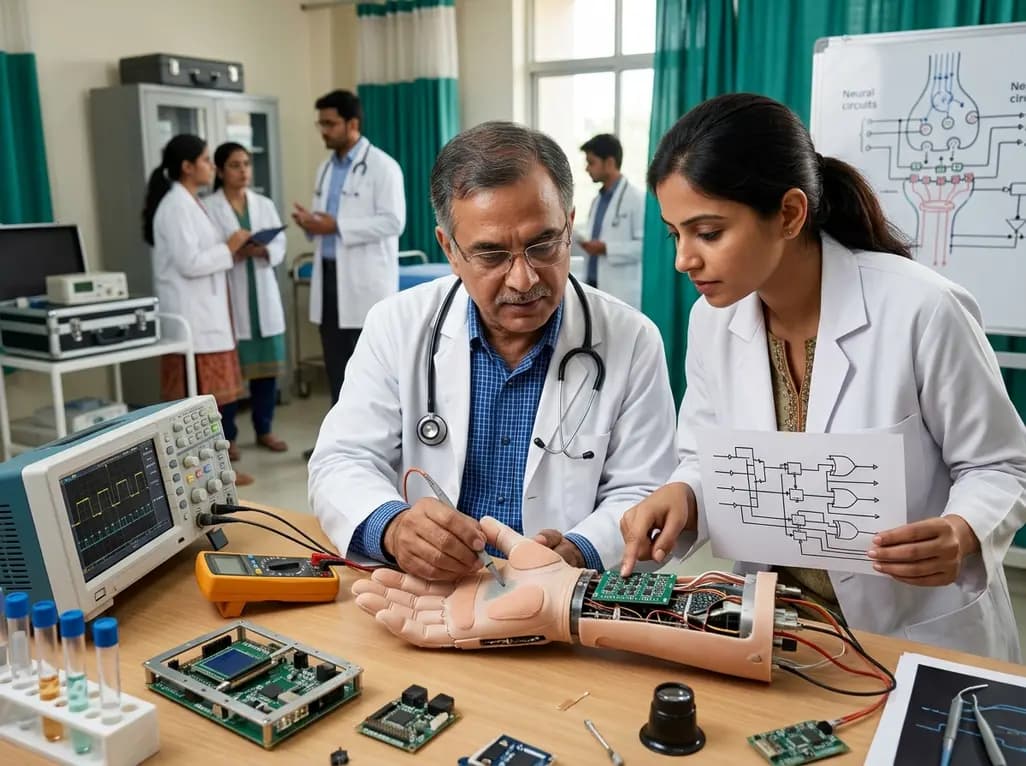
Researchers have engineered an artificial sensory-pain integrated receptor using a multi-threshold organic synaptic transistor. The system distinguishes benign touch from noxious stimuli, enabling safer, more responsive prosthetic limbs with built-in memory and simplified hardware architecture.
Today
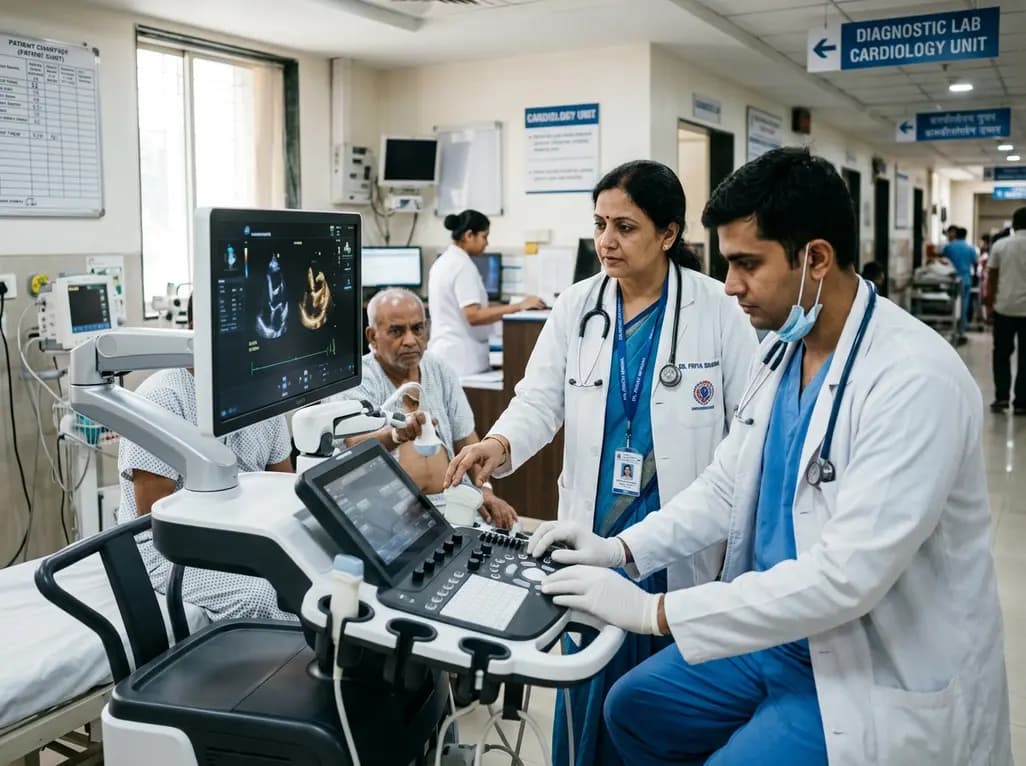
Medical robotics is transitioning beyond operative suites into diagnostics, cardiology, and endocrinology. Explore how innovations in tele-robotics, AI integration, and nanomedicine are overcoming geographical barriers and transforming precision healthcare delivery across India's evolving disease landscape.
Today
