.webp&w=384&q=75)

Loading, please wait...
Loading, please wait...

Adolescent mental health remains an urgent public health priority across low- and middle-income countries. While psychosis pathways typically follow recognized medical or institutional triggers, establishing timely referral pathways for depression continues to challenge modern healthcare systems. Young individuals between fifteen and twenty-four years of age experience climbing rates of depressive disorders, yet most navigate fragmented clinical journeys. A multi-country qualitative study from Ghana and Zimbabwe sheds crucial light on the navigational realities of these adolescents. Understanding these trajectories provides valuable clinical insights for physicians in resource-constrained environments who must detect, support, and direct vulnerable adolescents toward evidence-based mental healthcare.
Unlike acute psychiatric presentations, adolescent depressive illness rarely prompts immediate hospital presentation. Instead, initial symptoms manifest subtly as fatigue, emotional withdrawal, academic decline, or somatic complaints. Consequently, families frequently misinterpret these warning signs as deliberate disobedience, personal weakness, or transient teenage angst. The research revealed that caregivers often turn to informal community resources before seeking professional clinical help. Specifically, parents consult faith-based institutions, traditional healers, and community elders during early stages of psychological distress. Because these informal providers lack standardized psychiatric diagnostic tools, adolescents often endure protracted delays before medical evaluation. Furthermore, young people circulate through multiple redundant clinical tiers without receiving a conclusive diagnosis. Primary healthcare centers frequently fail to recognize depressive illness during outpatient visits for nonspecific physical symptoms. Therefore, the trajectory from initial distress to specialized psychiatric assessment often extends over several months or years, exacerbating functional impairment and clinical severity.
When adolescents finally enter medical networks, structural deficits frequently obstruct referral pathways for depression. A severe shortage of certified psychiatrists and child psychologists remains the primary structural bottleneck. Consequently, tertiary psychiatric facilities face overwhelming patient volumes, precipitating extensive outpatient waiting times. Primary care clinics also lack dedicated adolescent mental health protocols and integrated multidisciplinary support teams. Therefore, general practitioners must shoulder complex psychiatric diagnoses without reliable specialist consultation backstops. Moreover, communication channels between primary clinics and regional hospitals remain critically fragmented. Clinicians rarely receive feedback regarding patient attendance after generating paper referrals, resulting in massive loss to clinical follow-up. In addition, rural communities face disproportionate geographic disadvantages compared to urban centers. Traveling long distances to tertiary academic centers requires significant logistical coordination that vulnerable families cannot sustain. As a result, structural deficiencies convert intended referral channels into impassable mazes for distressed adolescents.
Beyond infrastructural shortfalls, socio-economic factors severely hinder clinical care continuity for young patients. Accessing specialized psychiatric consultations frequently triggers catastrophic out-of-pocket healthcare expenses. Families must finance distant transport, private consultation fees, and long-term pharmacotherapy regimens. Because public mental health insurance protections remain inadequate, financial exhaustion frequently forces treatment discontinuation. Concurrently, adolescents lack personal financial independence and legal healthcare autonomy. Youth rely entirely on parental permission and family resources to schedule appointments, commute to tertiary centers, and purchase antidepressant medications. Consequently, if parents harbor denial or prioritize other household expenses, youth cannot access necessary care. Furthermore, pervasive social stigma amplifies family reluctance to seek psychiatric diagnoses. Caregivers fear community ostracism, neighborhood gossip, and compromised marriage prospects for their children. Thus, intersecting economic hardships and compromised personal agency leave adolescents essentially powerless to pursue psychiatric recovery independently.
Despite numerous systemic barriers, innovative procedural solutions can markedly enhance mental health accessibility. The study highlighted standardized referral cards as remarkably effective tools for streamlining patient navigation. These structured communication cards contain concise clinical notes, preliminary screening scores, and clear provider contact instructions. Consequently, receiving specialists can rapidly triage high-risk adolescents, drastically shortening hospital waiting times and preventing redundant administrative re-assessments. In addition, designated youth corners in hospital outpatient departments have proven exceptionally beneficial. These private spaces offer confidential consultations shielded from general adult clinic queues. Adolescents feel secure discussing personal emotional distress, romantic conflicts, and internal struggles without fear of observation. Furthermore, trained youth counselors within these designated spaces build immediate therapeutic rapport. Such patient-centered accommodations preserve adolescent dignity, overcome clinical mistrust, and significantly improve long-term adherence to therapeutic regimens.
The findings from Ghana and Zimbabwe offer profound insights for the Indian healthcare ecosystem. India faces comparable mental healthcare challenges, characterized by a massive treatment gap and severe specialist shortages outside major metropolitan centers. Primary care clinicians must actively deploy task-shifting methodologies to decentralize depression management. For instance, collaborative models like the Indian MANAS initiative demonstrate that community health workers can deliver validated psychosocial interventions under medical supervision. Furthermore, physicians in family medicine and pediatric settings must adopt validated adolescent screening tools during routine consultations. General practitioners should integrate structured referral workflows with district mental health programs rather than relying on informal recommendations. Establishing confidential, adolescent-friendly clinic hours in primary health centers will further protect youth autonomy and diminish social stigma. Ultimately, multi-tiered systemic coordination remains indispensable for establishing equitable, timely, and responsive adolescent mental healthcare nationwide.
Faith-based and traditional healers often serve as the earliest point of contact for families dealing with adolescent depression. Consequently, uncoordinated informal consultations can substantially delay medical psychiatric intervention. Healthcare networks must therefore engage these community healers collaboratively, equipping them with basic screening training and streamlined tools to facilitate rapid clinical referrals.
Dedicated youth corners in clinics provide essential confidential spaces where adolescents can seek psychological care without fear of community disclosure. Furthermore, these private environments protect youth autonomy and reduce the profound social stigma associated with mental illness. As a result, adolescents exhibit greater willingness to discuss depressive symptoms and attend regular follow-up consultations.
Primary care physicians can adopt collaborative care models like the Indian MANAS trial, training community health workers and nurses to deliver validated psychosocial interventions. In addition, doctors should supervise lay counsellors, reserve specialist referrals for severe or refractory cases, and utilize structured referral cards to track vulnerable young patients across health tiers.
Disclaimer: This content is for informational and educational purposes only and does not constitute formal medical advice, diagnosis, or treatment recommendations. Refer to the latest local and national guidelines for clinical practice.
References
Makiyi P et al. The referral trajectories for young people with depression in low-resource settings: A qualitative study from Ghana and Zimbabwe. PLoS One. 2026. doi: 10.1371/journal.pone.0358255. PMID: 42832414.
Patel V, Weiss HA, Chowdhary N, et al. Effectiveness of an intervention led by lay health counsellors for depressive and anxiety disorders in primary care in Goa, India (MANAS): a cluster randomised controlled trial. Lancet. 2010;376(9758):2086-2095.
Chibanda D, Weiss HA, Verhey R, et al. Evaluating the Friendship Bench: a psychological intervention delivered by lay health workers in Zimbabwe. Lancet. 2016;388(10063):3014-3023.
Gururaj G, Varghese M, Benegal V, et al. National Mental Health Survey of India, 2015-16: Prevalence, pattern and outcomes. Bengaluru: NIMHANS Publication; 2016.

Read summarized clinical updates, watch expert medical content, and earn CME certifications right from your smartphone.
Open your smartphone camera to scan and install.





A qualitative study reveals the complex referral pathways for depression among youth in low-resource settings. Primary care clinicians can implement task-shifting, youth-friendly spaces, and structured referral tools to overcome systemic bottlenecks, financial hardship, and pervasive mental health stigma.
Today

A new systematic review protocol evaluates how virtual reality immersion levels and game formats—serious versus commercial—influence upper limb functional recovery after stroke, examining motor outcomes and adherence across acute and chronic stages.
Today

A cross-sectional study of over 33 million US live births from 2016 through 2024 reveals a 74% increase in hypertensive disorders of pregnancy. This clinical overview explores demographic drivers, maternal-fetal outcomes, and essential preventive strategies for obstetric practice.
Today
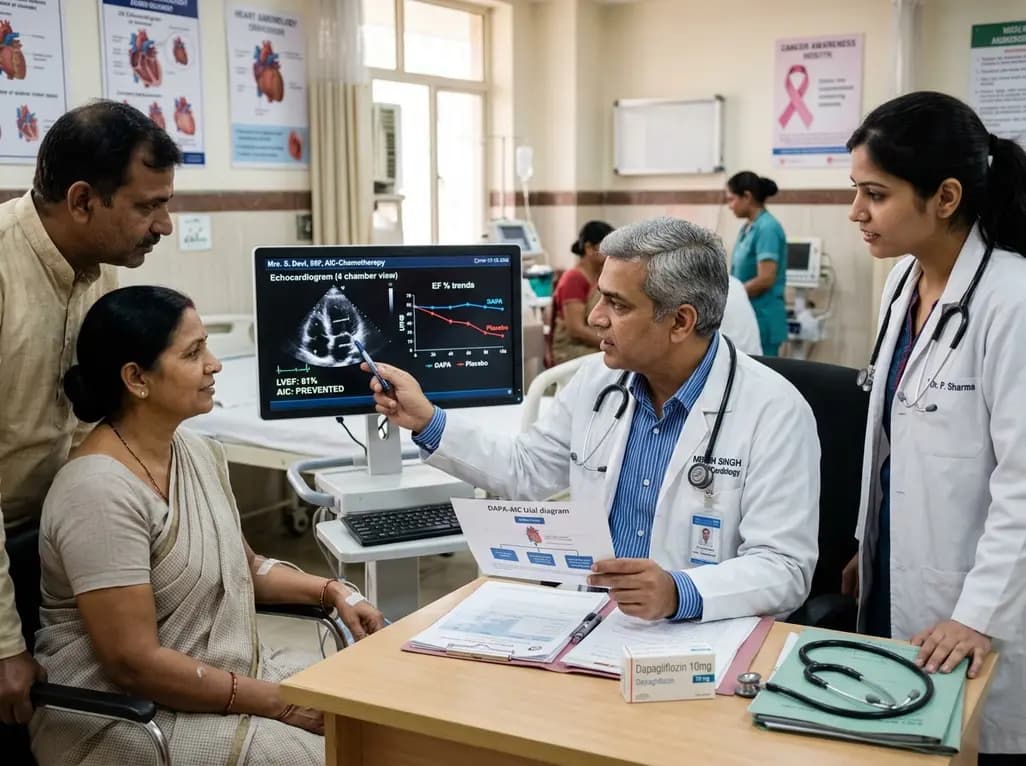
The phase II DAPA-AIC trial demonstrates that dapagliflozin 10 mg daily significantly preserves left ventricular ejection fraction compared to placebo over four months in adults undergoing anthracycline chemotherapy, highlighting a potential preventive strategy in cardio-oncology.
Today
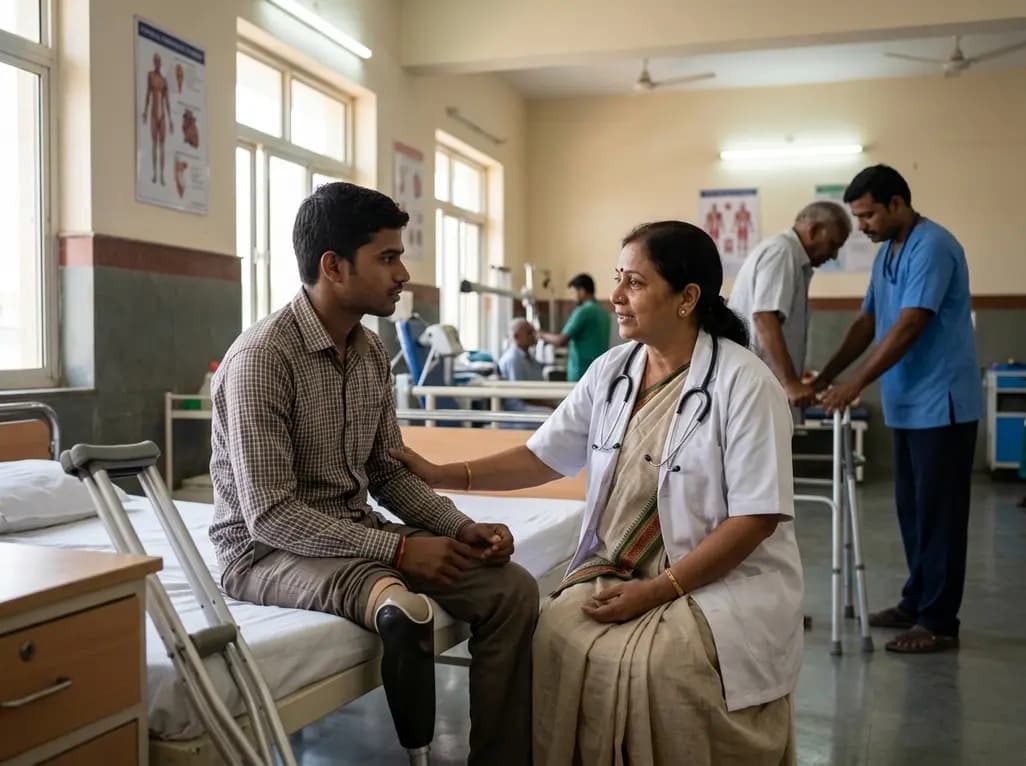
A scoping review reveals severe gaps in long-term assistive technology provision following humanitarian emergencies. Addressing post-disaster rehabilitation requires systematic follow-up, workforce training, and integration into national health systems to sustain mobility and recovery.
Today
A randomized controlled trial investigated whether virtual reality thyroid biopsy reduces procedural pain, anxiety, and fear. While adjusted analyses showed modest pain reduction, unadjusted differences remained statistically insignificant, highlighting the need for larger confirmatory trials.
Today
