

Loading, please wait...
Loading, please wait...

Adolescent and young adult oncology represents a unique medical discipline that requires specialized clinical approaches. However, psycho-oncology investigators frequently encounter substantial obstacles when enrolling AYA cancer survivors into behavioral health trials. Consequently, inadequate participant engagement prevents researchers from collecting representative data regarding long-term emotional adjustment and survivorship. Therefore, a recent comprehensive scoping review examined modern recruitment channels, incentive structures, and retention rates across diverse psychosocial research cohorts. Ultimately, understanding these operational mechanisms allows clinicians to build more supportive survivorship programs.
Adolescents and young adults navigate pivotal life milestones following active cancer therapy. Specifically, these individuals pursue higher education, enter the workforce, establish financial autonomy, and build personal relationships while managing persistent health anxieties. Therefore, conventional clinical trial outreach strategies frequently fail to capture their attention. When research teams rely solely on generic institutional mailings, invitations often go unanswered. In addition, young survivors regularly relocate, change phone numbers, and transition away from pediatric facilities. This constant mobility introduces logistical friction that disrupts longitudinal study tracking. Furthermore, emotional avoidance leads many survivors to decline participation because research reminders trigger painful memories of treatment. As a result, research coordinators struggle to achieve adequate sample sizes. Investigators must therefore abandon outdated adult recruitment protocols. Instead, study teams should develop empathetic, age-tailored communication pathways that respect patient privacy. Providing clear explanations of study benefits fosters authentic trust and encourages willing collaboration.
Behavioral oncology studies employ three primary outreach models: high-touch, low-touch, and mixed approaches. High-touch methods involve direct in-person clinic invitations or personal telephone calls from trusted physicians. In contrast, low-touch approaches depend on impersonal mechanisms, including physical letters, automated emails, and social media campaigns. Evidence demonstrates that high-touch outreach yields significantly higher recruitment rates, often exceeding ninety percent in clinical centers. Because direct conversations establish personal connection, young survivors readily accept trial enrollment. Conversely, low-touch digital outreach recruits broad populations but suffers from substantially lower response rates. Moreover, online advertising prevents researchers from calculating true participation denominators, which obscures response validity. Mixed recruitment strategies resolve this limitation by pairing initial digital advertisements with personalized clinician follow-up. Thus, hybrid frameworks maximize geographic diversity while preserving strong enrollment numbers. Clinical centers should adopt these integrated models to optimize participant engagement.
Sustaining participant adherence across multi-year psychosocial protocols presents substantial logistical difficulties. Published studies reveal wide variation, with retention rates ranging from thirty-four percent to one hundred percent at initial follow-up. Successful investigations utilize active participant involvement, regular communication, and monetary compensation to sustain engagement. For instance, offering fair financial stipends honors the participant's valuable time and competing obligations. Similarly, circulating periodic newsletters and research progress summaries keeps survivors invested in study goals. When research teams employ dedicated patient navigators, young adults report stronger connection to the study. Furthermore, flexible data collection protocols significantly reduce study burden. Researchers should offer mobile-friendly electronic questionnaires and flexible virtual interview slots. If trial designs impose burdensome clinic visits, busy young adults inevitably withdraw from long-term monitoring. Therefore, investigators must prioritize low-burden assessment schedules to maintain exceptional study completion rates.
Current psychosocial oncology literature displays notable reporting discrepancies that impair systematic evaluation. While researchers report diverse enrollment figures, many publications omit precise denominator definitions. Specifically, social media recruitment campaigns rarely identify the exact number of eligible individuals who viewed promotional materials. Consequently, reviewers cannot calculate accurate response proportions or detect potential selection biases. In addition, the lack of standardized metrics prevents comparative assessments across different behavioral interventions. Future psychosocial trials must adhere strictly to established guidelines, such as PRISMA-ScR recommendations. Authors should consistently document contact attempts, consent rates, non-respondent demographics, and attrition timelines. Furthermore, journal editors must enforce transparent data reporting standards for all survivorship studies. Moreover, establishing unified reporting criteria enables cross-study meta-analyses that drive evidence-based policy changes. Robust data reporting also ensures that institutional review boards evaluate participant burden accurately. By standardizing these essential evaluation criteria, investigators can identify optimal recruitment practices and improve research quality.
The findings from survivorship recruitment studies provide vital guidance for practicing oncologists and multidisciplinary teams. Because patients maintain strong personal trust with their primary oncology providers, direct physician recommendations significantly increase trial participation. Therefore, oncology clinics should integrate research invitations directly into routine survivorship checkups. When doctors present psychosocial studies during routine follow-ups, patients view participation as a standard part of their comprehensive recovery. Additionally, comprehensive cancer programs should establish dedicated survivorship clinics that integrate physical monitoring with psychological care. Multidisciplinary teams of medical oncologists, psycho-oncologists, and oncology social workers can effectively address emotional distress, employment reintegration, and fertility concerns. Furthermore, providing culturally tailored outreach materials ensures equitable access for historically marginalized populations. Ultimately, embedding proactive behavioral assessments into standard clinical workflows advances holistic care and improves long-term outcomes for cancer survivors.
Young cancer survivors face unique developmental transitions, such as completing educational milestones, entering professional employment, and establishing independent households. These intense life events create significant logistical disruption and administrative friction. Furthermore, many young adults seek emotional closure and consciously avoid painful cancer reminders. Consequently, impersonal clinical outreach often fails to engage them, necessitating flexible, high-touch recruitment approaches that establish authentic relational trust.
Monetary compensation demonstrates tangible respect for a young survivor's personal time and professional commitments. When investigators provide appropriate financial stipends alongside flexible data collection methods, study adherence increases substantially. Furthermore, combining fair remuneration with personalized engagement, such as milestone reminders and study progress updates, creates reciprocal value. Therefore, structured incentives serve as an indispensable tool for sustaining longitudinal participant retention across long-term research protocols.
Mixed-methods recruitment bridges the operational gap between expansive community reach and intimate clinical rapport. By combining digital platforms with personalized direct outreach from oncology providers, research teams maximize both participant volume and enrollment fidelity. Moreover, this hybrid strategy allows investigators to engage geographically isolated survivors while maintaining the reassuring credibility of trusted clinical professionals, ultimately enhancing the diverse representativeness of the final study cohort.
Disclaimer: This content is for informational and educational purposes only... Refer to the latest local and national guidelines for clinical practice.
References

Read summarized clinical updates, watch expert medical content, and earn CME certifications right from your smartphone.
Open your smartphone camera to scan and install.





A scoping review highlights recruitment and retention strategies in psychosocial research for adolescent and young adult cancer survivors, emphasizing high-touch engagement, monetary incentives, and reporting standards to improve survivorship data.
Today

A multicenter study reveals that systemic adenovirus disease affects one-third of infected ICU patients, mostly those with hematologic malignancies. Associated with a striking ten-fold increase in mortality, early molecular surveillance and targeted antiviral therapies are vital.
Today
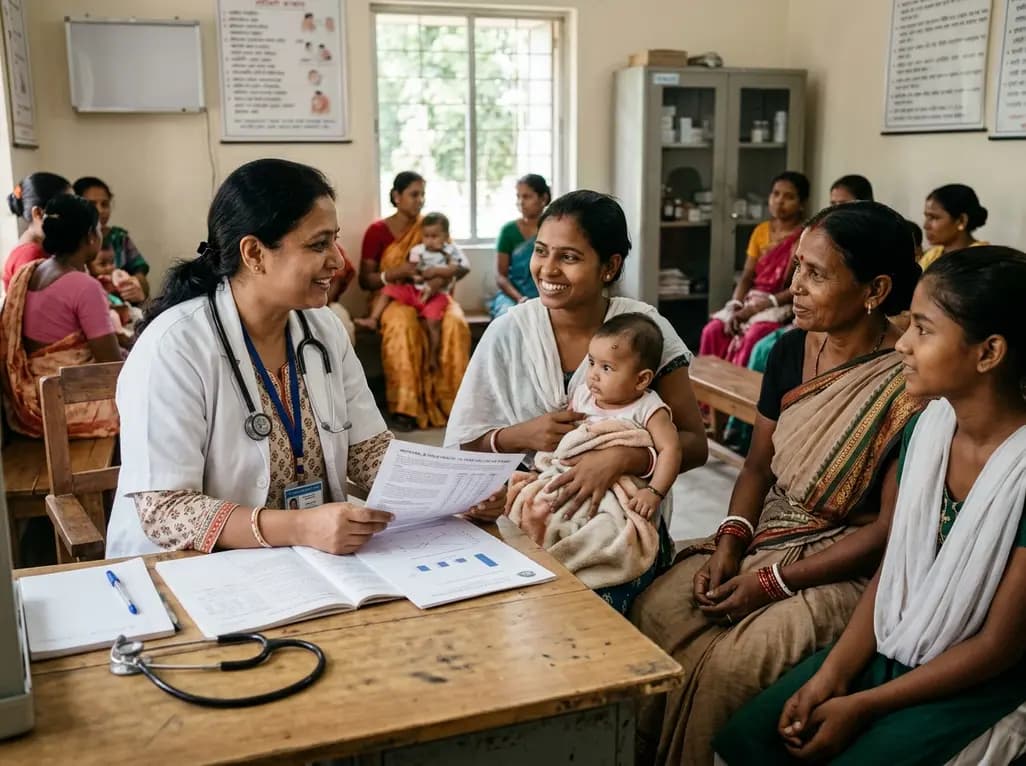
A landmark 15-year follow-up study in rural Bangladesh evaluates the long-term impact of community-based participatory women's groups on maternal survival, offspring mortality, and adolescent physical growth, offering vital insights for maternal-child health policy in South Asia.
Today

Discover how structured coaching, mentoring, and sponsorship frameworks sustain congenital cardiologists across their careers, enhancing technical competence, well-being, and equity.
Today
A systematic review of 15 studies and 574 competitive weightlifters establishes normative benchmarks for snatch drop-under kinematics, highlighting turnover speed, horizontal displacement, and trunk alignment to optimize performance and prevent overhead injuries.
Today
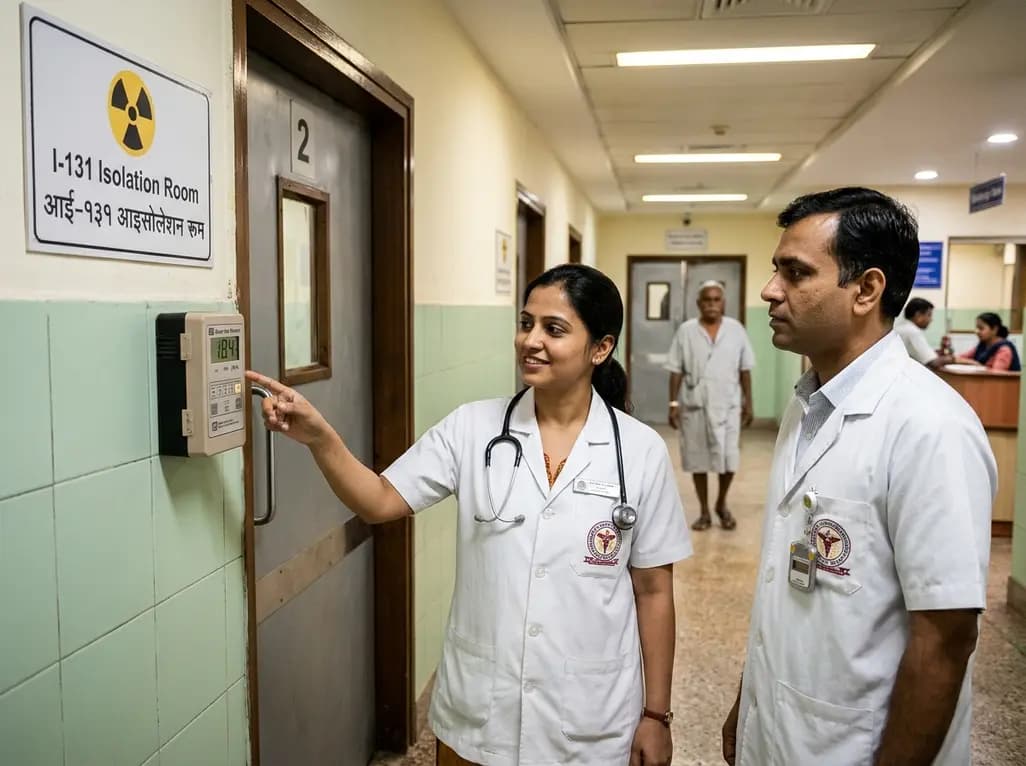
A landmark study establishes cut-offs for administered I-131 activity and day-1 external dose rates to accurately predict isolation duration in differentiated thyroid cancer, improving discharge planning and radiation safety.
Today
