

Loading, please wait...
Loading, please wait...

Human adenovirus is a pathogen that clinicians frequently encounter in pediatric clinics, yet clinicians often underestimate its destructive potential in adult critical care. Recent clinical evidence demonstrates that human adenovirus in ICU patients can trigger catastrophic organ failure and high mortality, especially in immunocompromised hosts. Although asymptomatic viral shedding occurs commonly, invasive systemic involvement dramatically worsens patient prognosis. Consequently, clinicians need a clear understanding of the transition between localized viral presence and invasive disease. A landmark multicenter study from France sheds crucial light on this high-risk entity, providing essential data to guide diagnostic suspicion and intensive management.
Differentiating localized carriage from invasive viral disease represents a major diagnostic challenge in critical care. In the multicenter French investigation conducted across eight intensive care units, researchers analyzed 169 adult patients with confirmed viral positivity over a thirteen-year period. The investigators categorized 115 individuals (68%) as experiencing localized infection, whereas 54 patients (32%) manifested true systemic disease. Notably, localized detection often represented respiratory or urinary tract colonization without widespread tissue necrosis. In contrast, systemic disease produced severe multi-organ dysfunction and profound physiological instability.
Clinicians must appreciate that viral kinetics determine clinical progression. When the virus invades vascular endothelium and parenchymal organs, it initiates widespread cytopathic destruction. Consequently, patients with systemic disease display rapid clinical deterioration that mimics fulminant bacterial septic shock. Furthermore, standard diagnostic assays often fail to separate harmless mucosal colonization from lethal tissue invasion without quantitative assessment. Therefore, clinicians must routinely combine clinical examination, sequential organ assessment, and quantitative viral load tracking to distinguish indolent carriage from life-threatening invasive infection.
The French study highlighted that host immunological competence serves as the primary barrier preventing invasive adenoviral disease. Specifically, underlying hematologic malignancies occurred in 74% of patients with invasive disease, compared to only 37% of patients with localized infection. This striking disparity demonstrates that profound cellular immune dysfunction creates an open pathway for viral dissemination. Moreover, allogeneic hematopoietic stem cell transplantation emerged as a particularly hazardous predisposing factor, present in 43% of patients with invasive disease.
Multivariate regression analysis revealed that allogeneic stem cell transplantation tripled the odds of developing systemic disease, with an odds ratio of 3.04. Additionally, systemic corticosteroid therapy independently elevated the risk of progression, yielding an odds ratio of 2.89. Because corticosteroids suppress cytotoxic T lymphocytes and natural killer cells, they drastically impair the body's natural viral clearance mechanisms. Consequently, intensive care specialists caring for post-transplant recipients or heavily immunosuppressed patients must maintain heightened vigilance. Whenever unexplained clinical worsening occurs in these vulnerable cohorts, physicians should promptly order molecular testing for viral pathogens.
Invasive adenoviral infection rarely remains confined to a single biological compartment. In this multicenter cohort, severe pneumonia represented the predominant end-organ manifestation, occurring in 67% of individuals with systemic disease. Patients frequently developed rapidly progressive acute respiratory distress syndrome that required invasive mechanical ventilation. Furthermore, the radiographic presentation often revealed diffuse bilateral infiltrates, mimicking severe bacterial pneumonia, fungal infections, or pneumocystis pneumonia.
Besides pulmonary failure, the infection frequently triggers hepatic necrosis, fulminant hepatitis, and acute kidney injury. Hematologic complications such as severe cytopenias and secondary hemophagocytic lymphohistiocytosis also develop in advanced cases. As a result, critical care clinicians frequently encounter refractory vasoplegic shock and profound metabolic acidosis. Because these clinical features closely overlap with typical bacterial sepsis, clinicians often delay viral-specific investigations. However, early identification of non-bacterial sepsis signatures enables teams to adjust antimicrobial regimens and avoid futile interventions. Thus, comprehensive diagnostic workups must evaluate viral causes alongside bacterial and fungal culprits.
The crude mortality among critically ill patients with adenoviral infection is alarmingly elevated. In the French study, overall intensive care unit mortality reached 45%, accounting for 76 patient deaths. However, multivariable analysis showed that systemic viral disease independently tripled mortality risk, carrying an adjusted odds ratio of 3.15. Additionally, poor baseline functional status with a performance score of two or higher tripled mortality risk. Each incremental point on the Sequential Organ Failure Assessment score at admission further compounded the hazard of death.
To eliminate confounding biases from underlying malignancies, the investigators performed a rigorous propensity score case-matched analysis. This sophisticated comparison matched infected patients against intensive care unit controls who shared identical baseline risk profiles but lacked adenoviral infection. Remarkably, mortality remained dramatically higher in the systemic adenoviral disease cohort, demonstrating a staggering odds ratio of 10.50. Consequently, this finding proves that systemic adenoviral disease acts as an independent, lethal driver of mortality rather than an innocent bystander in dying patients. Therefore, intensive care clinicians cannot view adenoviral detection as a benign incidental finding.
Effective management of adenoviral disease requires rapid molecular diagnosis and precise therapeutic intervention. Clinicians should utilize quantitative real-time polymerase chain reaction testing on whole blood, bronchoalveolar lavage fluid, and affected tissue samples. Because quantitative viral load correlates strongly with tissue damage and survival, serial plasma testing provides valuable prognostic feedback. Furthermore, routine viral surveillance in allogeneic transplant recipients helps clinicians identify rising viremia before irreversible end-organ damage manifests.
From a therapeutic perspective, treatment remains supportive alongside careful antiviral administration. Clinicians frequently use cidofovir to treat severe disease, although nephrotoxicity limits its clinical utility. To mitigate kidney injury, medical teams must administer aggressive pre-hydration and co-administer probenecid. In addition, reducing immunosuppressive medications constitutes an essential intervention whenever clinically feasible, because immune reconstitution drives ultimate viral clearance. Emerging therapies, including investigational brincidofovir and pathogen-specific donor T-cell infusions, offer promising avenues for treatment refractory cases. Therefore, a multidisciplinary approach combining intensivists, infectious disease specialists, and hematologists provides the best opportunity to improve patient survival.
Critical care units must implement structured protocols to detect and isolate viral respiratory pathogens rapidly. Because adenoviruses transmit readily through droplets and direct contact, robust infection control measures prevent dangerous nosocomial outbreaks. Staff must adhere strictly to droplet precautions, rigorous hand hygiene, and surface disinfection with virucidal agents. Moreover, critical care teams should establish clear screening algorithms for immunocompromised patients who develop acute respiratory distress or unexplained hepatitis.
Finally, managing high-risk patients requires proactive antimicrobial stewardship. When patients deteriorate despite broad-spectrum antibacterial coverage, clinicians must actively reconsider the differential diagnosis. Delaying molecular viral testing frequently leads to unchecked organ necrosis and catastrophic outcomes. Instead, timely diagnostic testing allows prompt initiation of supportive organ perfusion and targeted antiviral protocols. In summary, recognizing the devastating impact of adenoviral infection enables intensive care physicians to intervene earlier, prevent fatal complications, and optimize resource allocation in the intensive care unit.
Localized adenovirus infection involves viral detection in a single mucosal compartment, such as the upper airway or urine, without tissue destruction. In contrast, systemic adenovirus disease involves invasive viral replication that causes severe end-organ damage, such as necrotizing pneumonia, fulminant hepatitis, or disseminated multi-organ failure. In critically ill patients, systemic disease leads to profound hemodynamic instability, elevated inflammatory markers, and significantly higher intensive care unit mortality compared with simple localized mucosal colonization.
Patients with severe cellular immunodeficiency face the highest risk of progression to systemic disease. Specifically, individuals with hematologic malignancies and recipients of allogeneic hematopoietic stem cell transplants exhibit the greatest vulnerability. Furthermore, patients receiving intensive systemic corticosteroid therapy or immunosuppressive medications experience impaired cytotoxic T-cell function, which prevents effective viral clearance. Critical care teams must monitor these specific patient populations closely because they can deteriorate rapidly when exposed to the virus.
Clinicians typically utilize intravenous cidofovir as the primary antiviral agent for severe systemic infections. Because cidofovir causes significant nephrotoxicity, clinicians must administer intravenous saline hydration and oral probenecid alongside the medication. Whenever safe and feasible, physicians should cautiously taper or reduce concurrent immunosuppressive medications to restore host cellular immunity. Additionally, novel antiviral agents, investigational brincidofovir, and virus-specific donor T-cell infusions may provide salvage therapeutic alternatives in severe, treatment-refractory clinical cases.
Disclaimer: This content is for informational and educational purposes only. It is not intended to be a substitute for professional medical advice, diagnosis, or treatment. Always seek the advice of your physician or other qualified health provider with any questions you may have regarding a medical condition. Refer to the latest local and national guidelines for clinical practice.
References
Manchon R et al. Clinical Features and Outcomes of Adenovirus Infections in Critically Ill Patients: A Retrospective Multicenter Case-Matched Analysis. Crit Care Med. 2026 Nov 25. doi: 10.1097/CCM.0000000000007453. PMID: 43083658.
Ergonul O et al. Characteristics of Critically Ill Adult Patients Infected With Adenovirus: An International ID-IRI Study. J Med Virol. 2026;98(2):e71095.
Ison MG. Adenovirus Infections in Transplant Recipients. Clin Infect Dis. 2020;71(10):2775-2782.

Read summarized clinical updates, watch expert medical content, and earn CME certifications right from your smartphone.
Open your smartphone camera to scan and install.





A multicenter study reveals that systemic adenovirus disease affects one-third of infected ICU patients, mostly those with hematologic malignancies. Associated with a striking ten-fold increase in mortality, early molecular surveillance and targeted antiviral therapies are vital.
Today

A landmark 15-year follow-up study in rural Bangladesh evaluates the long-term impact of community-based participatory women's groups on maternal survival, offspring mortality, and adolescent physical growth, offering vital insights for maternal-child health policy in South Asia.
Today

Discover how structured coaching, mentoring, and sponsorship frameworks sustain congenital cardiologists across their careers, enhancing technical competence, well-being, and equity.
Today

A systematic review of 15 studies and 574 competitive weightlifters establishes normative benchmarks for snatch drop-under kinematics, highlighting turnover speed, horizontal displacement, and trunk alignment to optimize performance and prevent overhead injuries.
Today
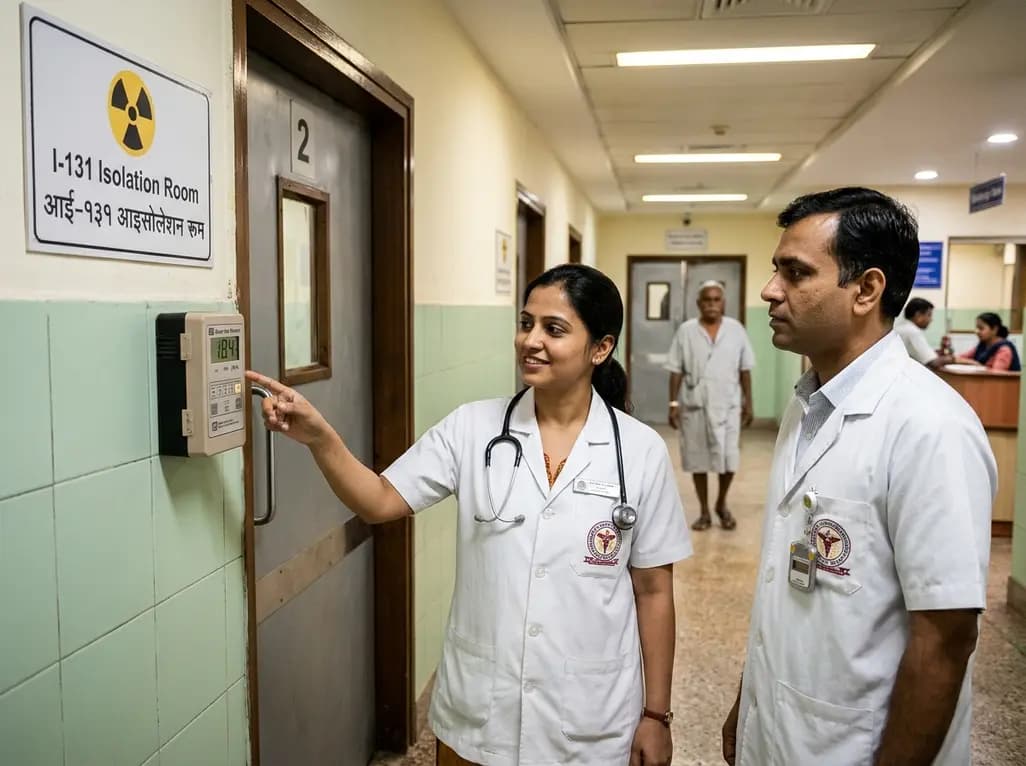
A landmark study establishes cut-offs for administered I-131 activity and day-1 external dose rates to accurately predict isolation duration in differentiated thyroid cancer, improving discharge planning and radiation safety.
Today
