

Loading, please wait...
Loading, please wait...
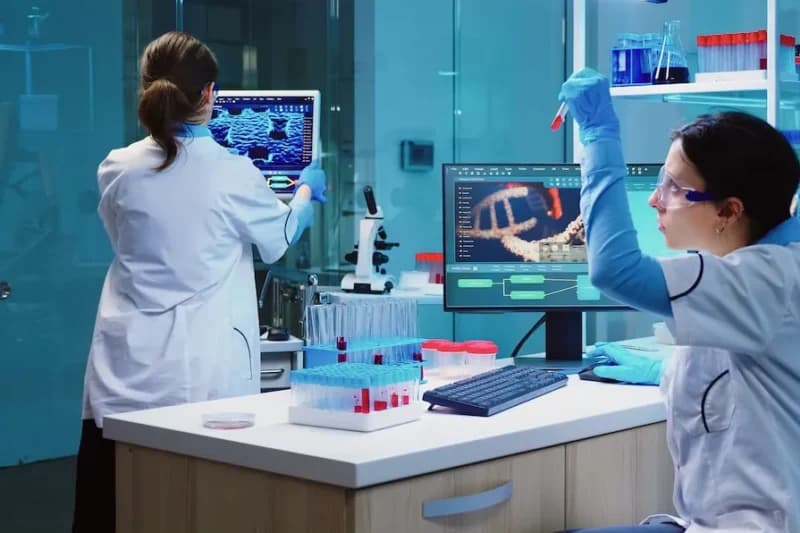
Real-time medicine tracking has become a top priority for the Haryana state government to improve patient care. Consequently, Chief Minister Nayab Singh Saini directed all government hospitals to maintain medicine records on a centralized portal. This system allows doctors to verify stock levels before issuing prescriptions. Furthermore, this transparency ensures that patients receive necessary medications within the facility. Therefore, the state aims to eliminate the practice of referring patients to external private pharmacies. Doctors must now justify any outside prescription by marking unavailability on OPD slips.
Additionally, the Chief Minister emphasized the role of Chief Medical Officers in this inventory transition. Specifically, CMOs must now ensure that medicine requirements reach suppliers at least four days in advance. However, the government will not tolerate frequent shortages at any administrative level. Moreover, Saini directed the expansion of advanced diagnostic facilities, such as CT scans and MRI machines, to all districts. Currently, ten districts have already completed these upgrades. Consequently, the remaining twelve districts will receive these facilities soon to reduce patient travel. Proper staff deployment and duty rosters will also strengthen hospital functioning.
Q1: How will the real-time medicine tracking system benefit patients?
The system ensures that medicines remain available on-site, which reduces the financial burden on patients who might otherwise purchase them externally.
Q2: What happens if a medicine is genuinely out of stock in the hospital?
In such cases, the doctor must state the unavailability clearly on the OPD slip while CMOs coordinate urgent replenishment through empanelled agencies.
Disclaimer: This content is for informational and educational purposes only. It does not constitute medical advice or replace professional judgment. Refer to the latest local and national guidelines for clinical practice.
References

Read summarized clinical updates, watch expert medical content, and earn CME certifications right from your smartphone.
Open your smartphone camera to scan and install.





Haryana CM Nayab Singh Saini directs real-time medicine tracking in government hospitals to ensure stock availability and curb outside prescriptions for pat...
6 months ago
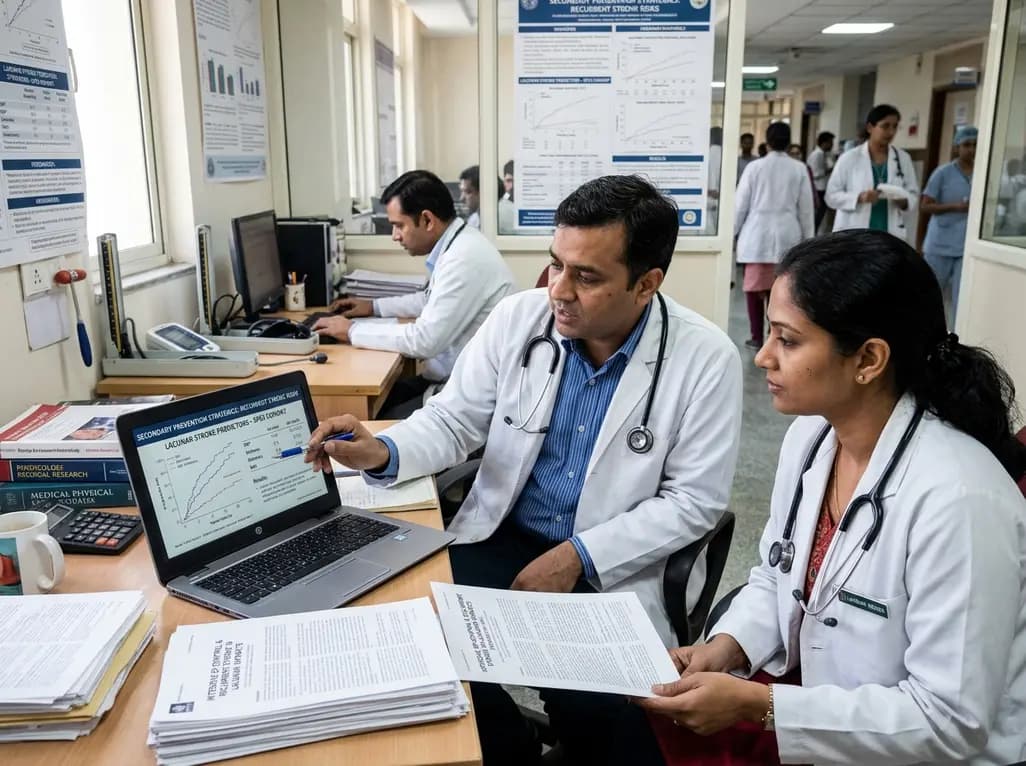
Explore vital recurrent stroke predictors in lacunar stroke patients managed with intensive blood pressure lowering. This analysis examines trial findings from SPS3 to uncover residual vascular risks, metabolic factors, and targeted secondary prevention strategies for high-risk neurological patients.
Today
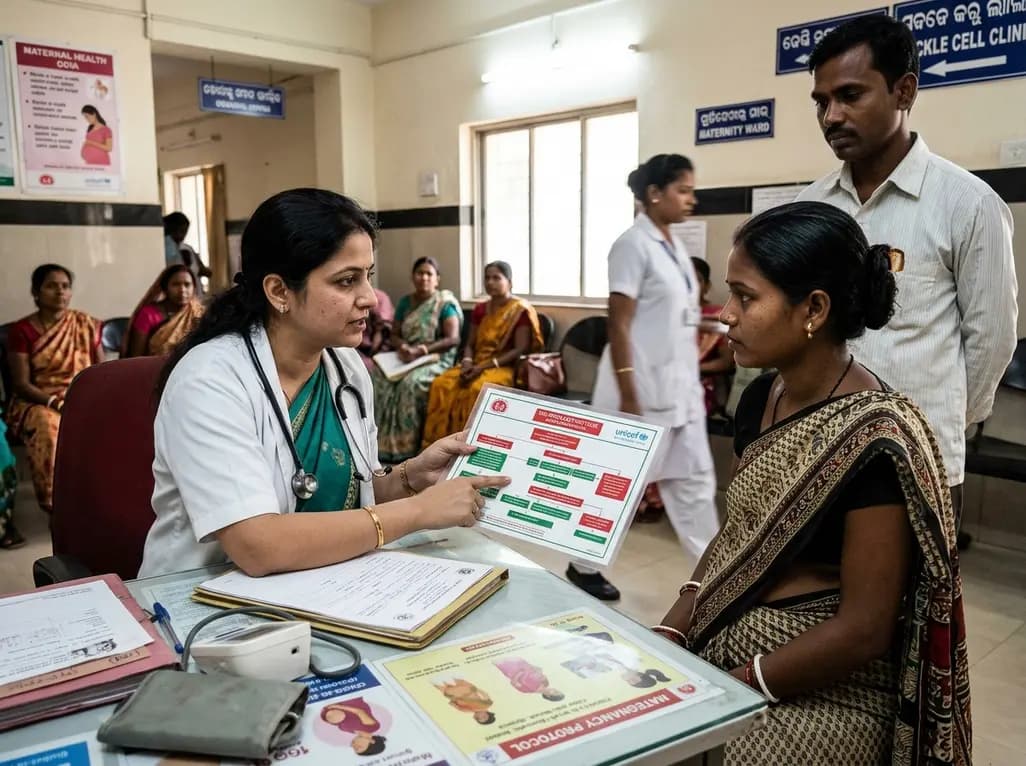
Odisha has established India's first state-level clinical protocol specifically tailored for pregnant women with sickle cell disease. Developed with NHM and UNICEF, the framework provides structured antenatal screening, crisis mitigation, standardized referral pathways, and specialized interdisciplinary care.
Today
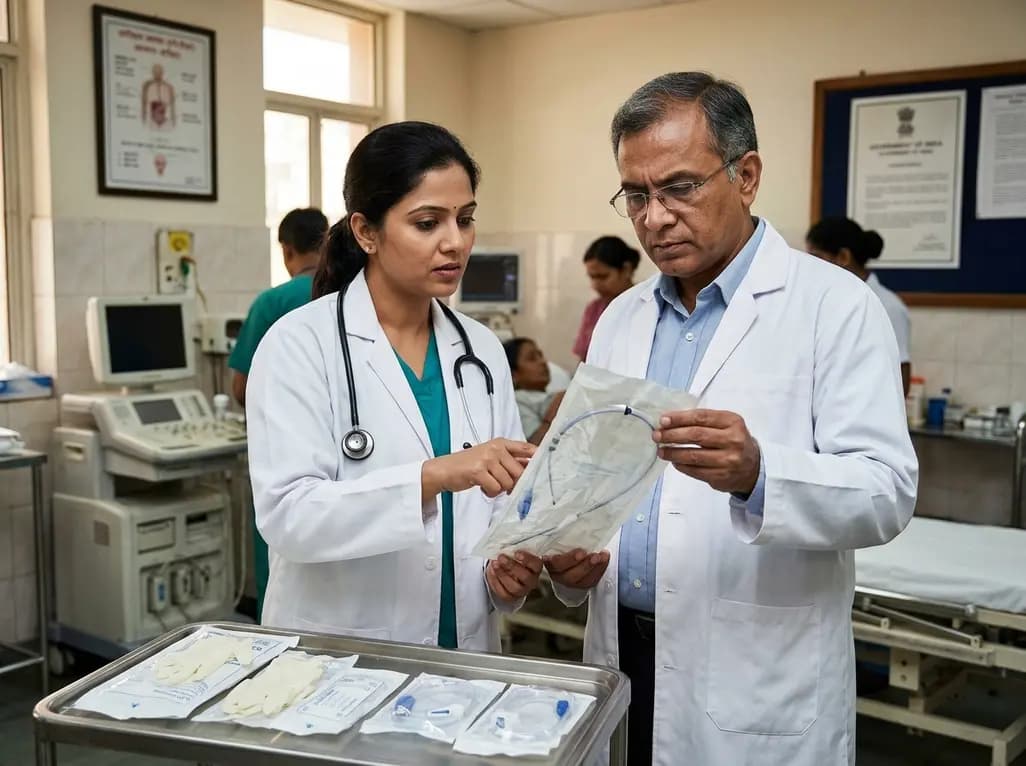
The Directorate General of Health Services directs Indian states to halt the hazardous reuse and reprocessing of single-use medical devices. Discover regulatory implications under the Drugs and Cosmetics Act, critical infection risks, legal liabilities, and operational changes required across clinical specialties.
Today

Mitochondria-targeted nanoparticles self-assembled from EGCG and L-glutamic acid effectively restore mitochondrial homeostasis, suppress synovial inflammation, and attenuate chondrocyte senescence in osteoarthritis, offering a promising disease-modifying nanotherapy.
Today
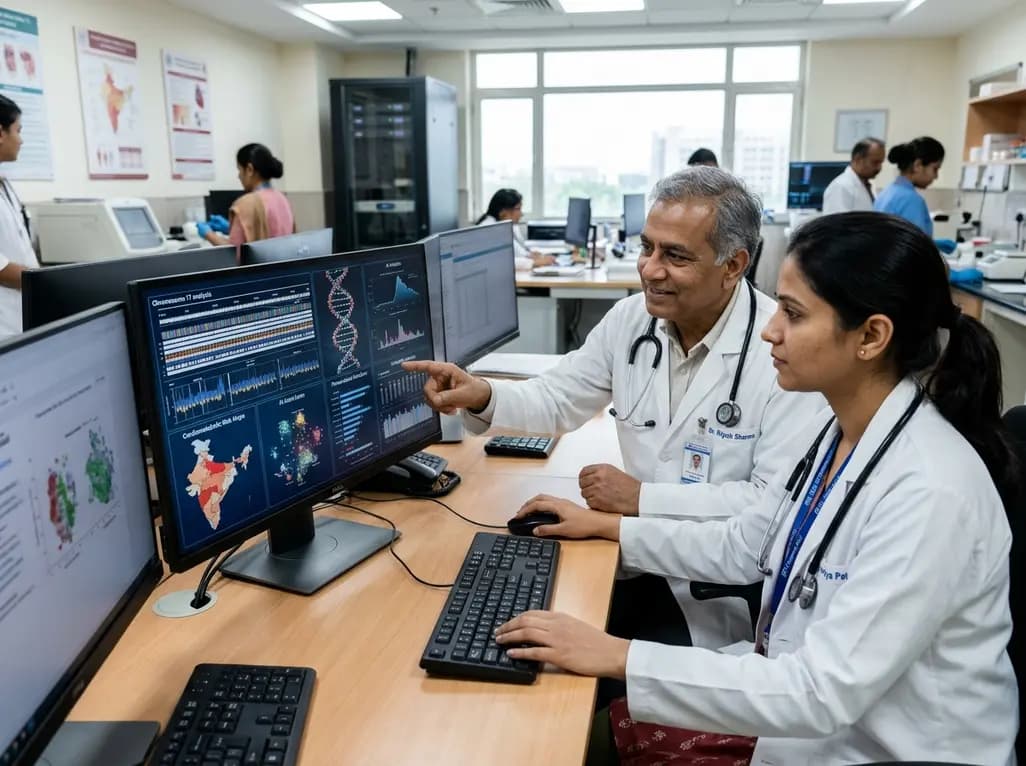
India is advancing preventive healthcare by integrating genomics, artificial intelligence, and quantum technologies. With the SANGAM programme sequencing one million Indian genomes, clinicians can unlock personalized therapies, detect cardiometabolic risks early, and curb the burden of diabetes and heart disease.
Today
