.webp&w=384&q=75)

Loading, please wait...
Loading, please wait...

Since 2003, the rasH2 transgenic mice model has served as a cornerstone for evaluating the carcinogenic potential of novel pharmaceuticals. These 26-week assays offer a rapid alternative to traditional two-year studies. However, accurate interpretation of these studies depends on a comprehensive understanding of spontaneous background lesions. A recent analysis of nearly 4,000 control animals has provided significant updates on the incidence of thymic epithelial hyperplasia and neoplastic findings in this strain.
The study reviewed pathology data from sixty-three carcinogenicity studies conducted between 2012 and 2024. Researchers identified a notable increase in the incidence of epithelial hyperplasia compared to previously published literature. Specifically, female rasH2 transgenic mice showed a 7.4% incidence rate, while males exhibited a 3.4% rate. Notably, the study used pan-cytokeratin immunohistochemistry to confirm the epithelial origin of these proliferative changes. These benchmarks are vital for toxicologic pathologists to distinguish between spontaneous findings and treatment-related effects.
Furthermore, the data documented the first known occurrences of malignant thymoma in this mouse strain. While benign thymomas appeared at higher-than-expected rates (1.8% in females and 0.7% in males), the identification of malignant variants marks a significant diagnostic update. These malignant lesions occurred more frequently in females at a rate of 1%. Consequently, this new historical control data improves the reliability of safety assessments during drug development. Pathologists must remain aware of these rare but spontaneous neoplastic occurrences when reviewing thymus sections.
This model allows for a 6-month study duration rather than 2 years because it is highly sensitive to both genotoxic and non-genotoxic carcinogens due to the human c-Ha-ras transgene.
Pharmaceutical researchers and regulatory bodies rely on these global standards to interpret preclinical data. Accurate background incidence rates prevent the false attribution of spontaneous lesions to a drug candidate.
Disclaimer: This content is for informational and educational purposes only. It does not constitute medical advice or a professional opinion. Refer to the latest local and national guidelines for clinical practice.
References
Mishra S et al. Thymic Epithelial Hyperplasia and Thymoma in Control rasH2 Transgenic Mice From 26-Week Carcinogenicity Assays. Toxicol Pathol. 2026 Apr 05. doi: 10.1177/01926233261429439. PMID: 41936107.
Paranjpe MG et al. Incidence of Spontaneous Non-Neoplastic Lesions in Transgenic CBYB6F1-Tg(HRAS)2Jic Mice. Toxicol Pathol. 2013;41(4):624-633.
Nambiar PR et al. Spontaneous Findings in the Tg.rasH2 Mouse: A 10-Year Retrospective Review. Toxicol Pathol. 2014;42(1):198-208.

Read summarized clinical updates, watch expert medical content, and earn CME certifications right from your smartphone.
Open your smartphone camera to scan and install.





A study of 3,948 control rasH2 transgenic mice reveals higher incidences of thymic hyperplasia and the first documented cases of malignant thymoma....
6 months ago
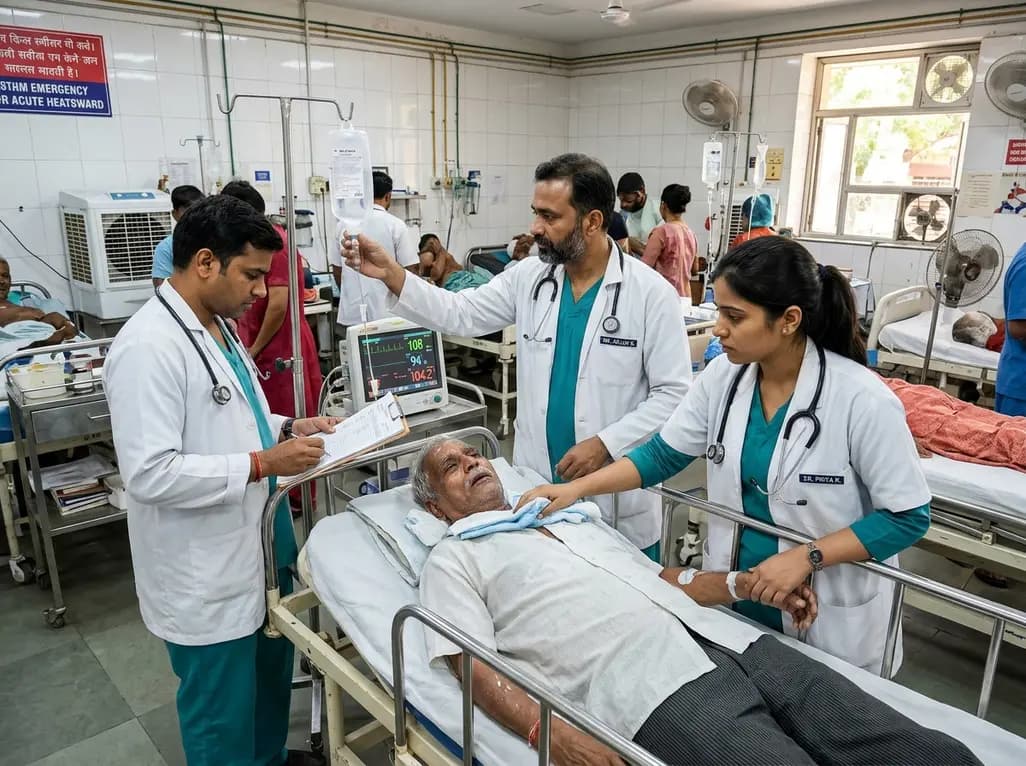
Recent epidemiological data reveals a dramatic surge in summer heat mortality driven by human-induced climate warming. This analysis explores the pathophysiological impacts on cardiac and renal systems, diagnostic dilemmas in death certification, and essential emergency cooling protocols for acute clinical care.
Today
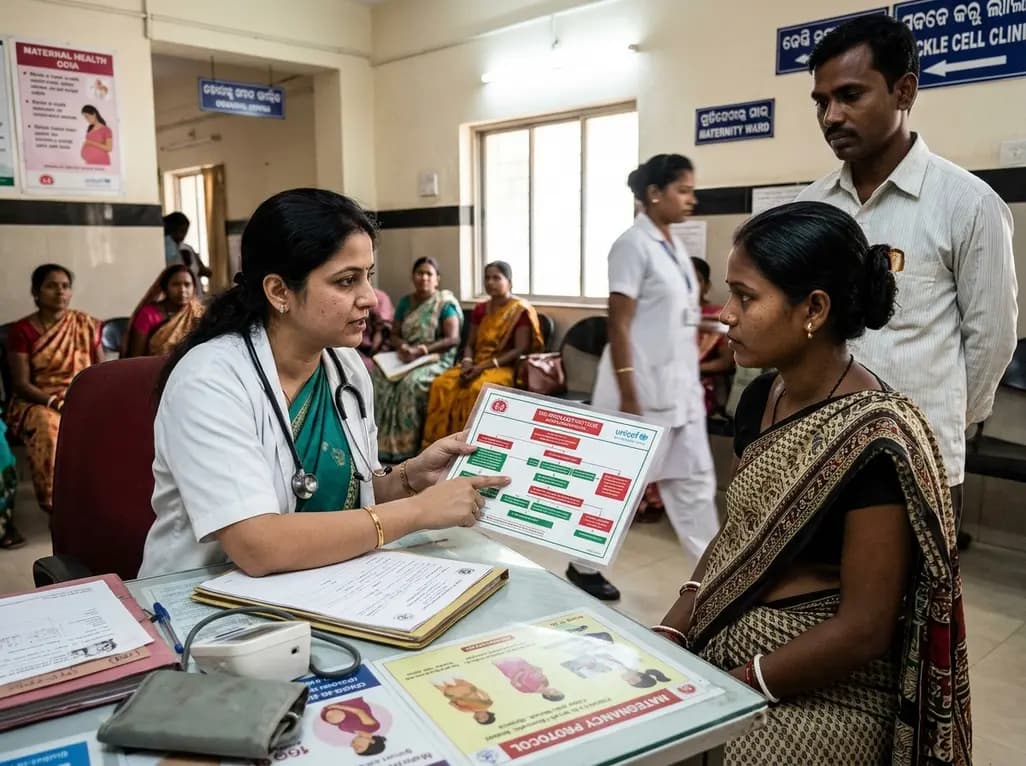
Odisha has established India's first state-level clinical protocol specifically tailored for pregnant women with sickle cell disease. Developed with NHM and UNICEF, the framework provides structured antenatal screening, crisis mitigation, standardized referral pathways, and specialized interdisciplinary care.
Today

India is advancing preventive healthcare by integrating genomics, artificial intelligence, and quantum technologies. With the SANGAM programme sequencing one million Indian genomes, clinicians can unlock personalized therapies, detect cardiometabolic risks early, and curb the burden of diabetes and heart disease.
Today

A randomized controlled trial demonstrates that an eight-week dual-task training intervention significantly improves static and dynamic postural control over standard balance exercises in individuals with chronic ankle instability, addressing critical neurocognitive deficits during athletic and daily activities.
Today

A retrospective cohort study of 7,716 ICU patients from the MIMIC-IV database demonstrates that Gradient Boosting Decision Trees significantly outperform traditional SOFA scores in predicting in-hospital mortality among patients with sepsis and diabetes, with SHAP analysis providing clinical interpretability.
Today
