.webp&w=384&q=75)

Loading, please wait...
Loading, please wait...
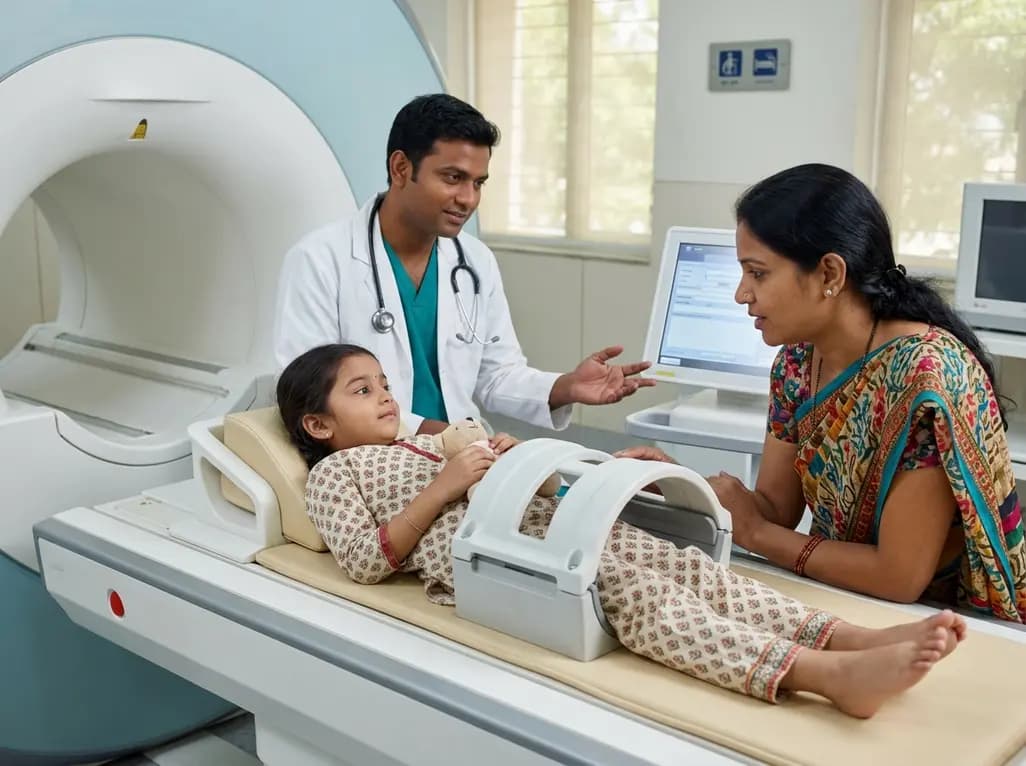
Rapid spine MRI offers a vital, sedation-free alternative for pediatric imaging. It minimizes the significant risks associated with general anesthesia during diagnostic procedures for suspected spinal anomalies. Consequently, this modality has gained traction as clinicians seek to enhance patient safety while maintaining diagnostic accuracy. This recent study evaluated its clinical utility and analyzed patient selection to inform future integration into standard pediatric protocols.
Researchers conducted a retrospective analysis of 788 pediatric patients diagnosed with congenital malformations of the spine or spinal cord. The study included patients under 18 years of age who underwent either rapid or regular MRI evaluations between 2014 and 2024. Specifically, the team reviewed demographic characteristics, the rate of conversion from rapid to regular MRI, and overall clinical outcomes. They utilized logistic regression and chi-square tests to identify significant predictors of imaging success.
The results revealed that 151 patients underwent initial rapid spine MRI, while 637 received a regular MRI. Notably, the rapid MRI group was significantly younger, with a mean age of 43.7 months compared to 56.5 months in the regular group. Furthermore, patients in the rapid MRI cohort experienced longer hospital stays following surgery. Despite these differences, the modality proved effective for screening and monitoring anomalies without the immediate burden of sedation.
Multivariate regression analysis identified specific patient factors that necessitated a follow-up regular MRI. Specifically, lower body mass index (BMI) and the presence of developmental delays emerged as significant positive predictors for further imaging. Additionally, younger age often correlated with a higher need for conversion. However, when successful, the rapid protocol provided sufficient diagnostic detail to guide surgical or conservative management. Clinicians must therefore weigh these variables when selecting the initial imaging approach for pediatric spinal disorders.
Overall, the integration of rapid protocols into pediatric radiology workflows can significantly reduce the cumulative anesthesia exposure for young children. While some patients eventually require more detailed imaging, the initial use of a faster sequence serves as an excellent screening tool. Future studies should continue to refine patient selection criteria to maximize the first-pass success rate of these abbreviated protocols.
The main advantage is providing a sedation-free alternative for children, which eliminates the risks and preparation time associated with general anesthesia.
Studies indicate that children with a lower BMI and those with developmental delays are more likely to require a conversion to a regular MRI for more detailed visualization.
While it is excellent for screening and identifying gross anomalies like syrinx or dysraphism, it may lack the fine detail required for complex surgical planning in specific cases.
Disclaimer: This content is for informational and educational purposes only. It does not constitute medical advice or establish a doctor-patient relationship. Always seek the advice of a qualified healthcare provider regarding any medical condition or treatment. Refer to the latest local and national guidelines for clinical practice.
References
Malueg MD et al. Evaluating rapid spine MRI in pediatric imaging: utility, outcomes, and patient selection. J Neurosurg Pediatr. 2026 Jun 05. doi: 10.3171/2026.1.PEDS25429. PMID: 42247708.
Gewirtz JI, et al. Use of fast-sequence spine MRI in pediatric patients. J Neurosurg Pediatr. 2020 Sep 18;26(6):676-681. doi: 10.3171/2020.5.PEDS20137. PMID: 32947256.
Heyer JH, et al. Sedation-Free Pediatric MRIs: The Impact of Child Life Specialists. Presented at POSNA Annual Meeting. 2025.
"
Read summarized clinical updates, watch expert medical content, and earn CME certifications right from your smartphone.
Open your smartphone camera to scan and install.





Rapid spine MRI is a sedation-free alternative for pediatric imaging of spinal anomalies, showing utility in younger patients despite some conversion risks....
4 months ago
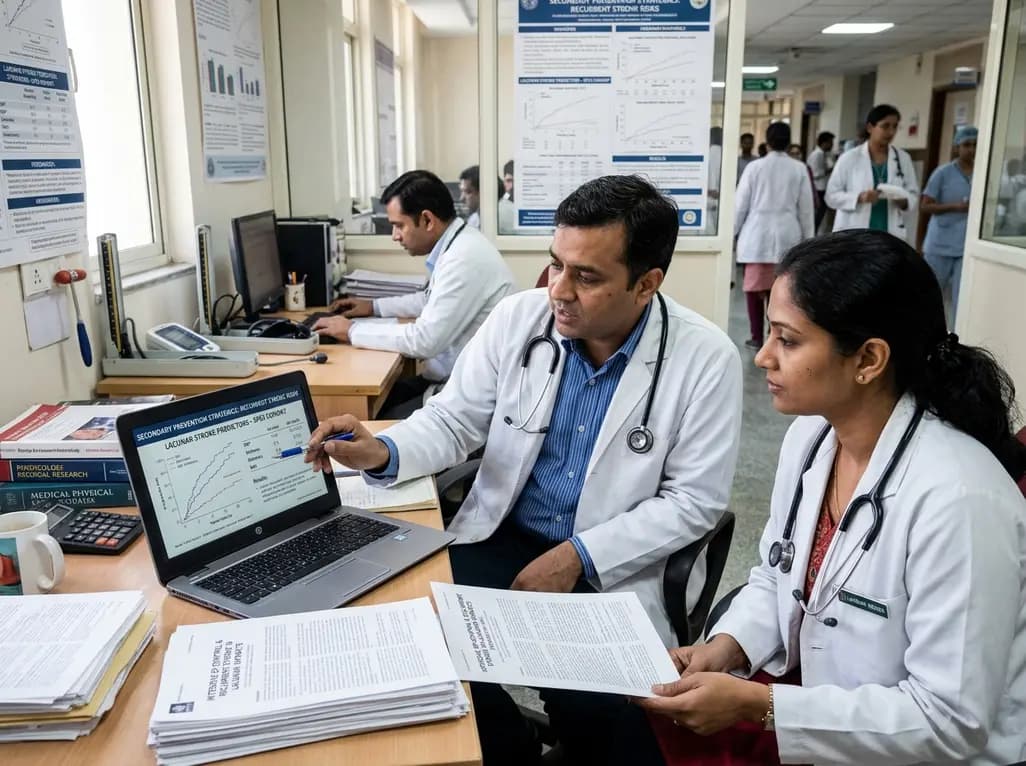
Explore vital recurrent stroke predictors in lacunar stroke patients managed with intensive blood pressure lowering. This analysis examines trial findings from SPS3 to uncover residual vascular risks, metabolic factors, and targeted secondary prevention strategies for high-risk neurological patients.
Today

Odisha has established India's first state-level clinical protocol specifically tailored for pregnant women with sickle cell disease. Developed with NHM and UNICEF, the framework provides structured antenatal screening, crisis mitigation, standardized referral pathways, and specialized interdisciplinary care.
Today

The Directorate General of Health Services directs Indian states to halt the hazardous reuse and reprocessing of single-use medical devices. Discover regulatory implications under the Drugs and Cosmetics Act, critical infection risks, legal liabilities, and operational changes required across clinical specialties.
Today

Mitochondria-targeted nanoparticles self-assembled from EGCG and L-glutamic acid effectively restore mitochondrial homeostasis, suppress synovial inflammation, and attenuate chondrocyte senescence in osteoarthritis, offering a promising disease-modifying nanotherapy.
Today

India is advancing preventive healthcare by integrating genomics, artificial intelligence, and quantum technologies. With the SANGAM programme sequencing one million Indian genomes, clinicians can unlock personalized therapies, detect cardiometabolic risks early, and curb the burden of diabetes and heart disease.
Today
