.webp&w=384&q=75)

Loading, please wait...
Loading, please wait...

Traditional ELISA and lateral-flow assays often struggle with complexity or low sensitivity. However, a new optofluidic chip based on hollow-core fiber (HCF) now offers a breakthrough for rapid immunofluorescence detection. This innovative platform integrates the entire diagnostic workflow onto a single microfluidic device. Therefore, it eliminates the need for external pumps and complex tubing. Notably, this integration simplifies the diagnostic process for on-site testing.
The device uses the inner wall of a hollow-core fiber to increase the surface-to-volume ratio significantly. Because the microchannel is long and confined, it effectively shortens analyte diffusion distances. Consequently, this design improves antibody-capture efficiency and reduces enrichment time. Furthermore, by enabling coaxial propagation of light and sample, the chip maximizes light-matter interaction. This results in far better fluorescence collection compared to traditional methods. In addition, the coaxial design ensures that the signal remains strong even with small sample volumes.
Moreover, testing shows that the system can quantify Influenza A antigens in less than 10 minutes. It achieves a remarkable limit of detection (LoD) of 2.41 pg/mL without any pre-incubation steps. This performance exceeds most conventional lateral flow immunoassay cases currently available. Specifically, it breaks the conventional trade-off between sensitivity and speed. Given the high reproducibility and specificity, this HCF chip represents a viable tool for point-of-care clinical diagnostics. Thus, it offers a promising solution for decentralized testing environments.
The hollow-core fiber provides an extremely high surface-to-volume ratio. This design shortens diffusion distances and maximizes light-matter interaction inside the microchannel.
Yes, the chip integrates the entire assay without needing external pumps. This makes it a portable and reliable solution for rapid on-site clinical diagnostics.
Disclaimer: This content is for informational and educational purposes only. It does not constitute medical advice, diagnosis, or treatment. Always seek the advice of your physician or other qualified health provider with any questions you may have regarding a medical condition. Refer to the latest local and national guidelines for clinical practice.
References
Ren X et al. A hollow-core fiber based optofluidic chip for rapid immunofluorescence detection with simultaneous enhancement of sensitivity and enrichment efficiency. Analyst. 2026 Mar 23. doi: 10.1039/d5an01308a. PMID: 41867161.
Parihara M et al. Point-of-care biosensors for infectious disease diagnosis: recent updates and prospects. RSC. 2025. doi: 10.1039/D5SD00041H.
IDTechEx. Biosensors for Point-of-Care Diagnostics 2022-2032: Technology, Opportunities, Players and Forecasts. 2022.

Read summarized clinical updates, watch expert medical content, and earn CME certifications right from your smartphone.
Open your smartphone camera to scan and install.





This HCF-based optofluidic chip provides rapid immunofluorescence detection of Influenza A in under 10 minutes with exceptional pg/mL sensitivity....
7 months ago
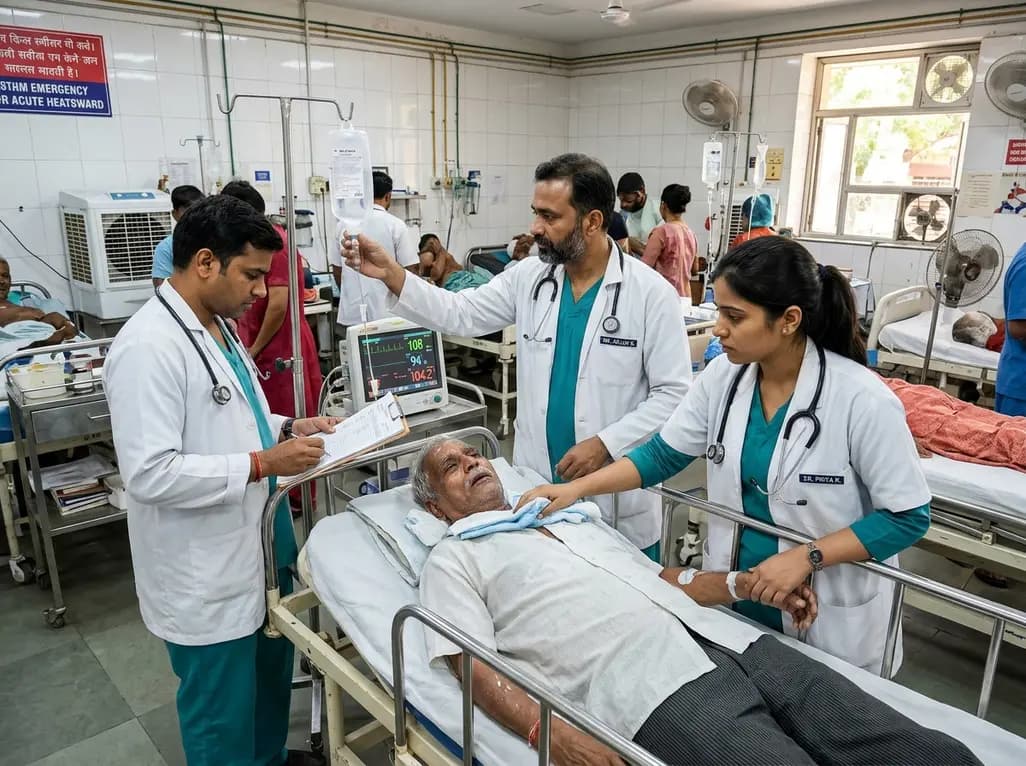
Recent epidemiological data reveals a dramatic surge in summer heat mortality driven by human-induced climate warming. This analysis explores the pathophysiological impacts on cardiac and renal systems, diagnostic dilemmas in death certification, and essential emergency cooling protocols for acute clinical care.
Today
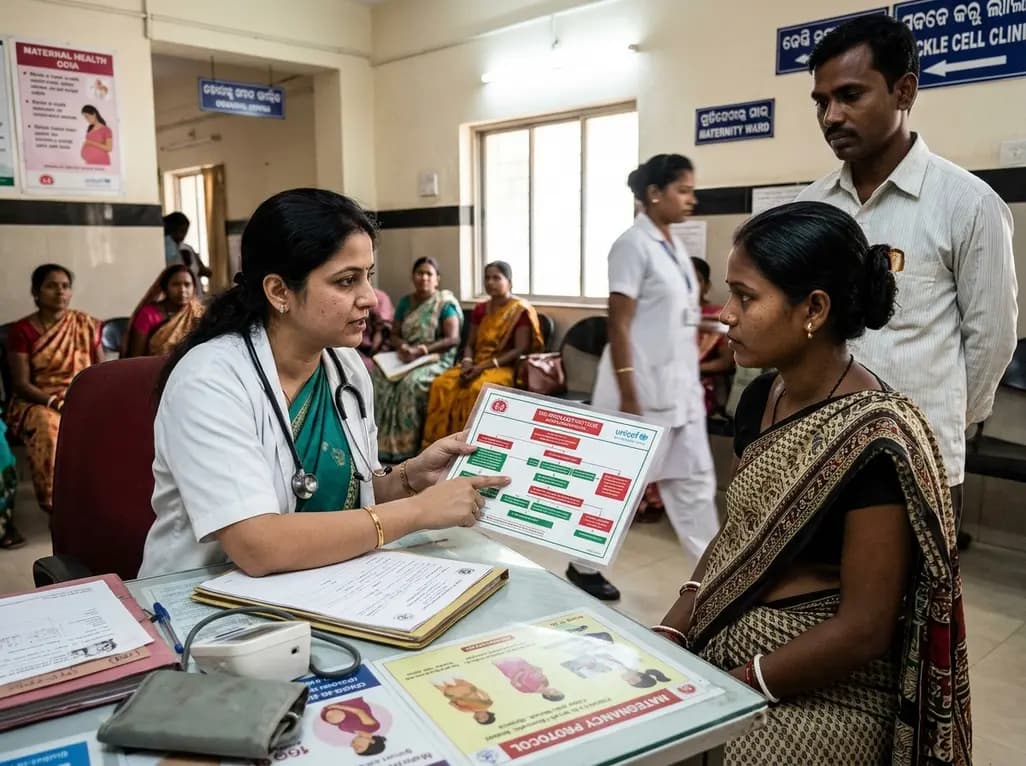
Odisha has established India's first state-level clinical protocol specifically tailored for pregnant women with sickle cell disease. Developed with NHM and UNICEF, the framework provides structured antenatal screening, crisis mitigation, standardized referral pathways, and specialized interdisciplinary care.
Today

India is advancing preventive healthcare by integrating genomics, artificial intelligence, and quantum technologies. With the SANGAM programme sequencing one million Indian genomes, clinicians can unlock personalized therapies, detect cardiometabolic risks early, and curb the burden of diabetes and heart disease.
Today
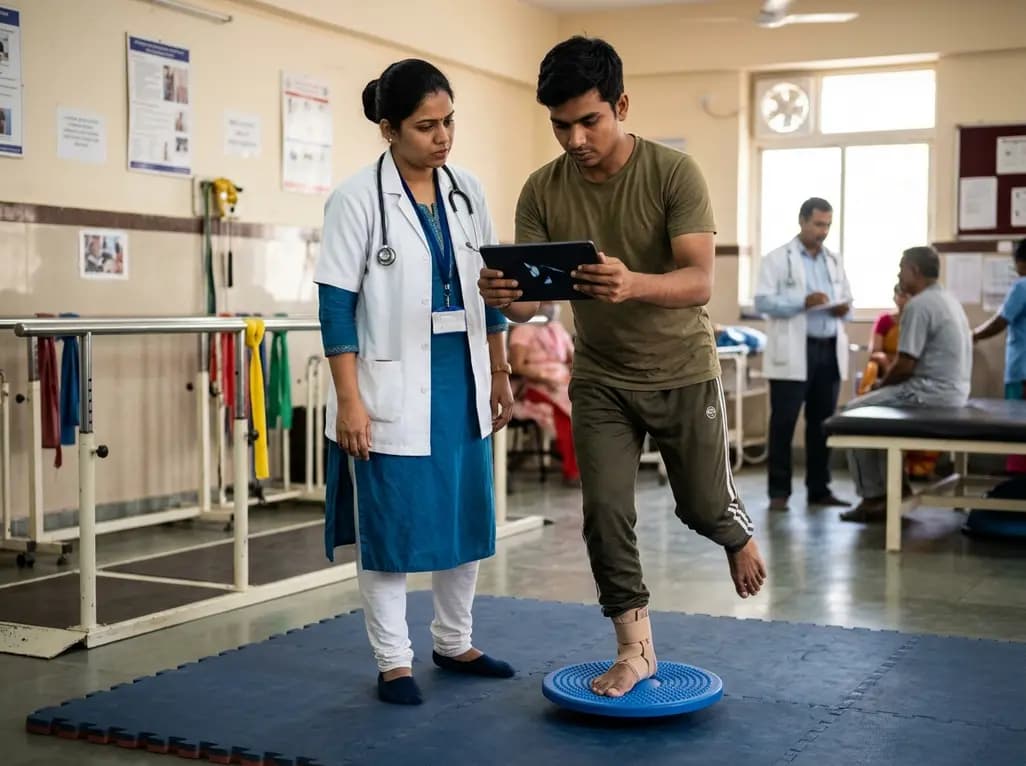
A randomized controlled trial demonstrates that an eight-week dual-task training intervention significantly improves static and dynamic postural control over standard balance exercises in individuals with chronic ankle instability, addressing critical neurocognitive deficits during athletic and daily activities.
Today

A retrospective cohort study of 7,716 ICU patients from the MIMIC-IV database demonstrates that Gradient Boosting Decision Trees significantly outperform traditional SOFA scores in predicting in-hospital mortality among patients with sepsis and diabetes, with SHAP analysis providing clinical interpretability.
Today
