

Loading, please wait...
Loading, please wait...
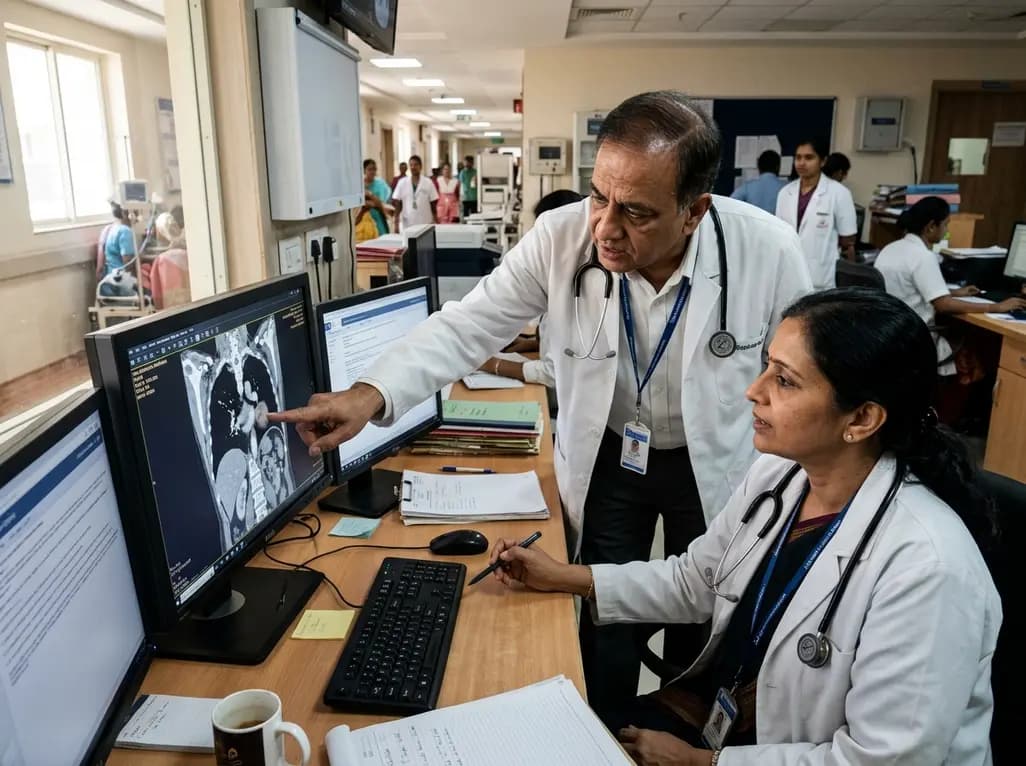
Rapid technological innovations have introduced sophisticated diagnostic algorithms into modern medical facilities. Healthcare networks frequently utilize machine learning to accelerate image triage and report generation. However, medical professionals must recognise the essential priority of radiology AI accountability. While automated systems process imaging features quickly, they cannot shoulder diagnostic responsibility. Therefore, clinicians must remain the primary arbiters of clinical care. Ultimately, patient safety depends on combining algorithmic efficiency with diligent physician oversight.
Artificial intelligence tools that once appeared extraordinary have rapidly become everyday clinical utilities. For instance, frontier vision systems and reasoning models now operate through accessible commercial interfaces. Consequently, standalone algorithmic software no longer provides a sustainable diagnostic advantage for modern healthcare institutions. Any imaging centre can license matching applications, utilise identical cloud servers, and implement equivalent predictive algorithms immediately. Therefore, depending entirely on leased computational technology leaves diagnostic centres vulnerable to rapid commoditisation.
Furthermore, healthcare leadership must differentiate between rented technological features and true institutional capability. When an enterprise simply places an interface over generic external algorithms, it constructs an easily copied product. In contrast, meaningful diagnostic differentiation grows out of active clinical departments where clinicians solve complex problems daily. Software code alone cannot duplicate decades of practical experience, atypical pathological presentations, and collaborative clinical consultations. Thus, raw computational power behaves essentially like standard municipal electricity. Consequently, healthcare executives must recognise that lasting competitive strength requires developing unique clinical workflows rather than purchasing generic models. Ultimately, hospitals build true resilience by combining digital speed with deep human clinical expertise.
Many healthcare managers mistakenly assume that compiling millions of unlabelled radiographic images guarantees superior diagnostic automation. However, static image archives stored without ongoing clinical interpretation offer very little practical benefit. Data delivers clinical value only when it circulates inside an active, responsive learning environment. Specifically, authentic medical insight accumulates when clinicians capture subtle nuances during routine diagnostic evaluations. A disconnected database cannot understand why an experienced radiologist dismissed a misleading imaging sign. Similarly, an automated model cannot incorporate vital clinical history unless attending physicians document those specific nuances.
Moreover, medical diagnostic decisions depend heavily on contextual variables that imaging pixels alone do not display. An ambiguous chest radiograph may demonstrate faint pulmonary infiltrates. Nevertheless, establishing an accurate diagnosis requires assessing environmental exposures, previous treatments, and concurrent physical examinations. Machine learning tools evaluate only isolated visual elements present within the digital file. They cannot appreciate the nuanced bedside discussions that establish the final clinical pathway. Therefore, accumulated clinical context represents an irreplaceable healthcare asset. In addition, institutions that capture daily expert corrections build safer diagnostic systems. Ultimately, contextual clinical judgment consistently outperforms uncontextualised data storage.
Integrating computer vision software into busy clinical practices requires unwavering dedication to radiology AI accountability. Although automated systems can identify urgent findings quickly, they cannot accept moral or legal ownership of medical care. When an algorithm overlooks a critical finding, the supervising physician and the medical centre remain accountable to the patient. For this reason, clinical governance mandates that qualified doctors review and verify every algorithmic interpretation. Patient safety rapidly deteriorates whenever healthcare facilities accept automated readings as conclusive determinations without thorough manual validation.
Furthermore, explaining diagnostic evaluations to patients and family members demands genuine empathy and human communication. An algorithm can produce structured impressions in seconds. However, it cannot comfort an anxious family, answer unexpected questions, or navigate challenging prognoses. In modern clinical practice, compassionate dialogue represents an essential therapeutic obligation. Qualified practitioners must articulate their diagnostic conclusions with clarity, scientific rationale, and professional integrity. Consequently, healthcare organizations must implement diagnostic pathways that enforce personal responsibility during every consultation. In addition, robust clinician oversight safeguards institutional credibility against algorithmic failures. Therefore, genuine diagnostic excellence requires human accountability at every workflow stage.
A static algorithmic model deployed without ongoing clinical oversight gradually loses diagnostic utility as medical standards advance. In contrast, an algorithm embedded within an active clinical learning loop becomes progressively sharper and more dependable. Across high-volume diagnostic networks, radiologists interpret thousands of complex scans daily. Whenever an expert overrides an automated segmentation or rectifies a false positive, the platform acquires crucial insight. Over extended operational periods, these continuous adjustments generate an extraordinary database of intricate edge cases. Competitors cannot easily duplicate this hard-won operational history using standard open-access datasets.
Moreover, deploying software across diverse hospital environments exposes algorithms to varying patient groups and equipment settings. For instance, radiographic protocols in remote primary clinics differ considerably from advanced scans in urban tertiary centres. Software that learns dynamically from ongoing physician feedback adapts smoothly to these distinct clinical realities. Consequently, the feedback architecture surrounding the software creates the genuine institutional advantage. Disconnected software packages quickly become outdated as diagnostic paradigms shift. Therefore, clinical networks must invest in dynamic feedback systems that continuously harness physician insights. Ultimately, routine clinical corrections transform basic automated programs into highly capable diagnostic partners.
Healthcare regulations across India impose strict legal accountability on medical practitioners who authenticate diagnostic reports. Under National Medical Commission regulations, a qualified doctor must personally examine and digitally validate all clinical documentation. Prevailing regulatory guidelines classify diagnostic software as clinical decision support tools rather than autonomous medical practitioners. Consequently, when an algorithm produces an incorrect finding that harms a patient, legal liability falls entirely upon the doctor. The law does not permit clinicians to transfer malpractice liability to automated algorithms or commercial technology providers.
Furthermore, medical ethics mandate that practitioners actively guard against automation bias during daily diagnostic work. Automation bias occurs when clinicians passively accept software suggestions without conducting independent visual verification. Over prolonged periods, uncritical deference degrades diagnostic vigilance and exposes patients to misdiagnoses. Therefore, practitioners must review original imaging sequences before examining automated annotations. In addition, consumer protection laws require clear proof of reasonable clinical diligence during medical disputes. Clinicians who independently assess diagnostic scans maintain ethical integrity while safeguarding themselves against malpractice claims. Thus, clinical responsibility cannot be delegated to digital algorithms under any circumstances. Ultimately, preserving independent human discernment remains the defining foundation of safe modern medicine.
Q1: What does it mean for a radiologist to become unclaudable?
To become unclaudable means cultivating a defensible clinical advantage that does not vanish when frontier artificial intelligence models improve. While basic algorithms quickly become commoditised infrastructure, an unclaudable doctor or institution relies on irreplaceable clinical context and accountability. By embedding software inside active learning loops and retaining ownership of diagnostic decisions, clinicians ensure their expertise compounds rather than being replaced by automated tools.
Q2: Who bears legal liability when diagnostic artificial intelligence errs?
In Indian healthcare, legal liability rests entirely on the interpreting doctor and the medical facility, never on the software developer. Regulatory frameworks classify artificial intelligence applications as clinical decision support devices intended to assist licensed practitioners. Because algorithms cannot hold medical licenses, physicians must personally examine imaging studies and authenticate reports. If an automated misdiagnosis harms a patient, the attending clinician remains answerable during malpractice litigation.
Q3: How does a clinical learning loop create a technological moat?
A clinical learning loop continuously refines algorithms through real-time physician feedback, corrections, and escalations gathered across thousands of routine patient scans. When specialists correct automated segmentations or identify difficult edge cases, the system assimilates vital operational context. Over years, these cumulative adjustments generate a defensible performance advantage. New market entrants cannot replicate this operating history, ensuring the diagnostic platform remains uniquely robust and clinically valuable.
Disclaimer: This content is for informational and educational purposes only. It does not constitute medical advice or replace professional judgment. Refer to the latest local and national guidelines for clinical practice.
References

Read summarized clinical updates, watch expert medical content, and earn CME certifications right from your smartphone.
Open your smartphone camera to scan and install.





As frontier models become commoditised infrastructure across Indian healthcare, diagnostic algorithms cannot replace human accountability. Real clinical advantages emerge from iterative learning loops, real-world deployment, and experienced physicians who validate findings and accept responsibility for patient care.
Today
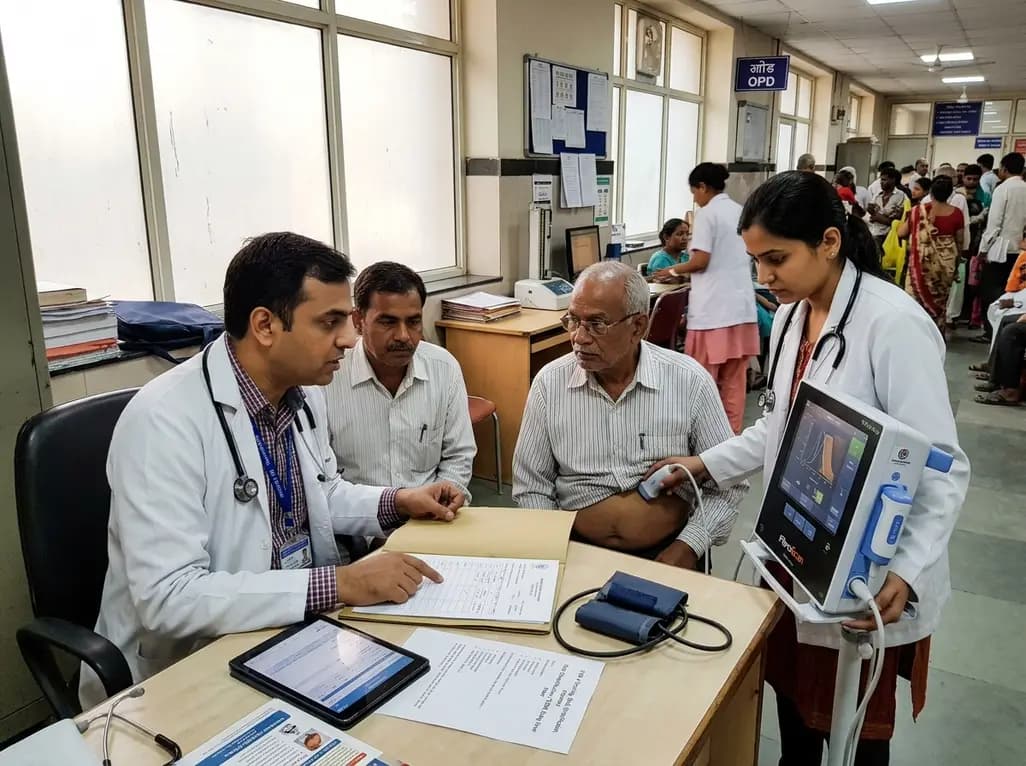
Metabolic dysfunction-associated steatotic liver disease affects nearly 70% of Indian adults with type 2 diabetes. Implementing systematic risk stratification with FIB-4 scoring, transient elastography, and patient-centric digital engagement transforms early detection into sustainable, long-term clinical care.
Today
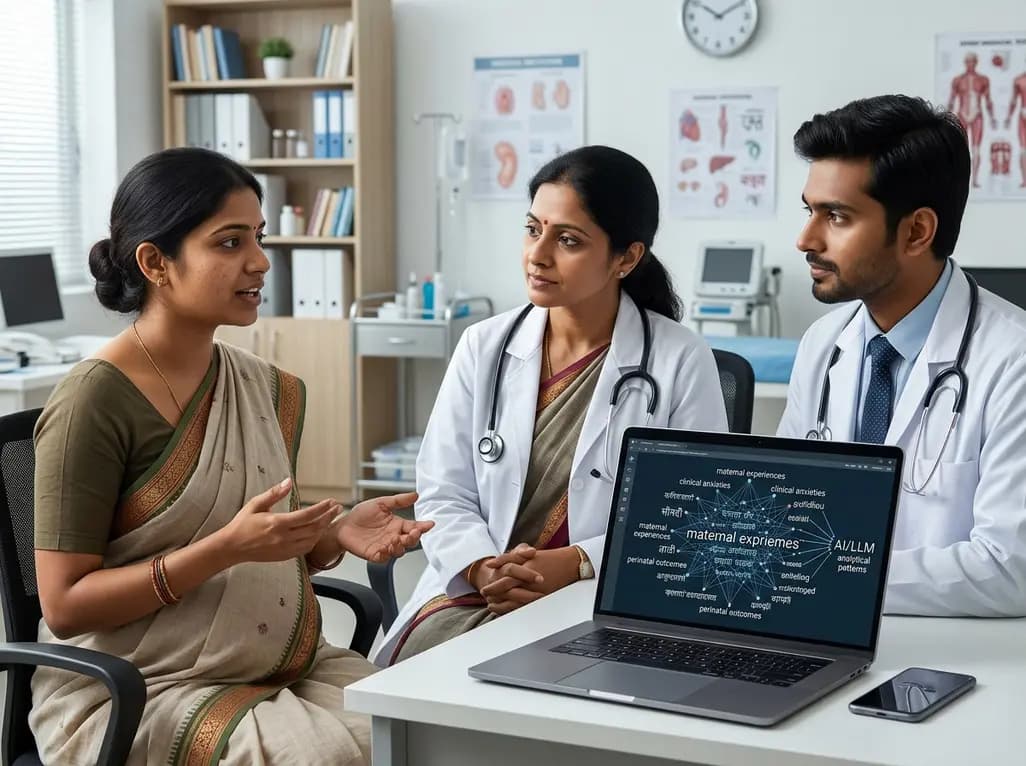
A landmark study evaluates artificial intelligence models and prompting strategies in qualitative lupus pregnancy research, revealing that few-shot prompting in advanced LLMs reliably captures maternal experiences, clinical anxieties, and perinatal outcomes across diverse languages.
Today
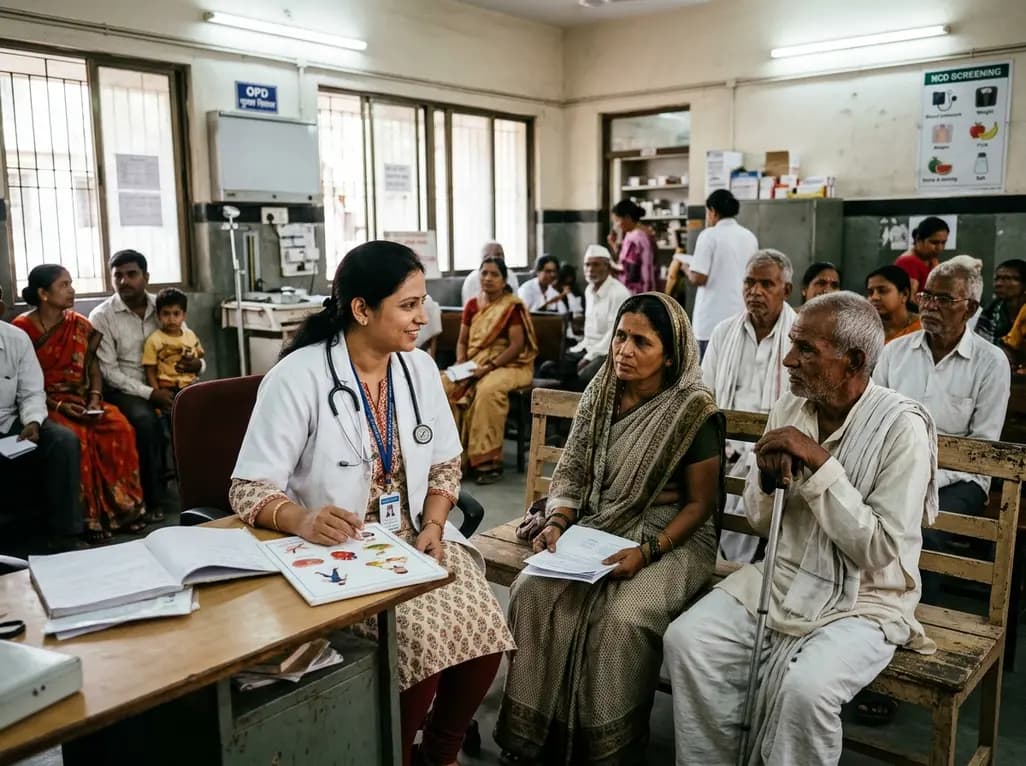
A landmark ten-year WHO report reveals how socioeconomic status, geography, and gender disparities profoundly aggravate chronic disease risks, diagnosis delays, and therapeutic outcomes globally. Discover actionable primary care strategies to bridge screening divides and optimize vulnerable patient management.
Today
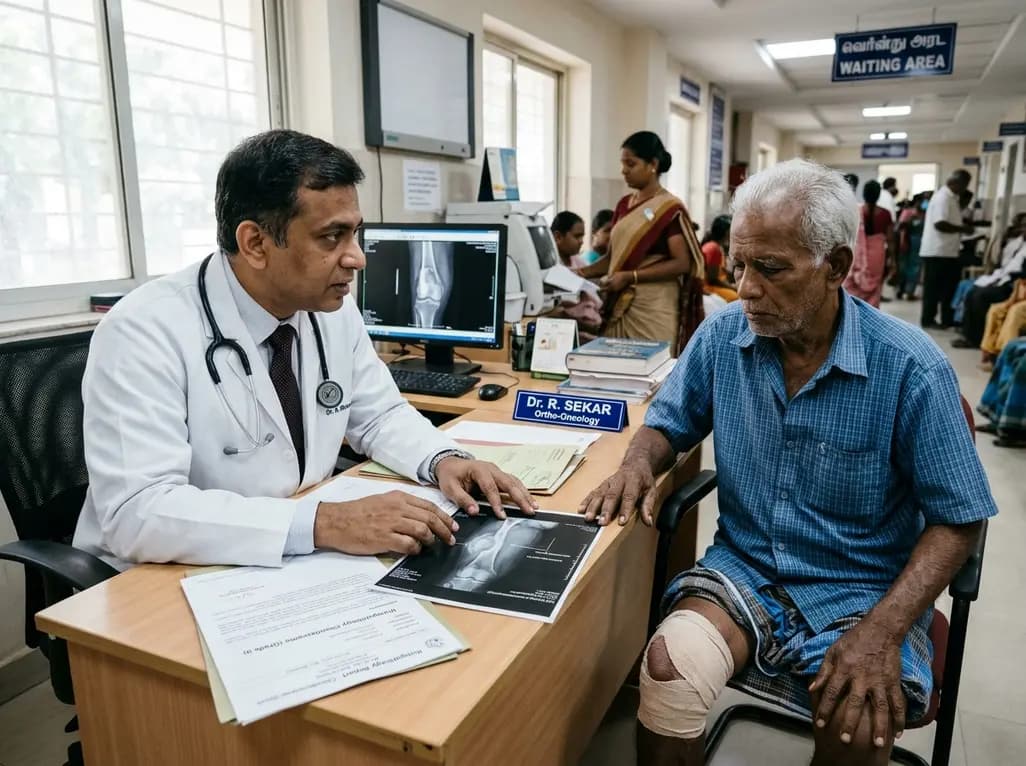
A recent single-institution analysis identifies advanced patient age and progressive systemic disease as primary negative prognostic factors for five-year survival in chondrosarcoma, underscoring the urgent necessity of precise risk stratification, clear surgical margins, and dedicated oncologic follow-up.
Today
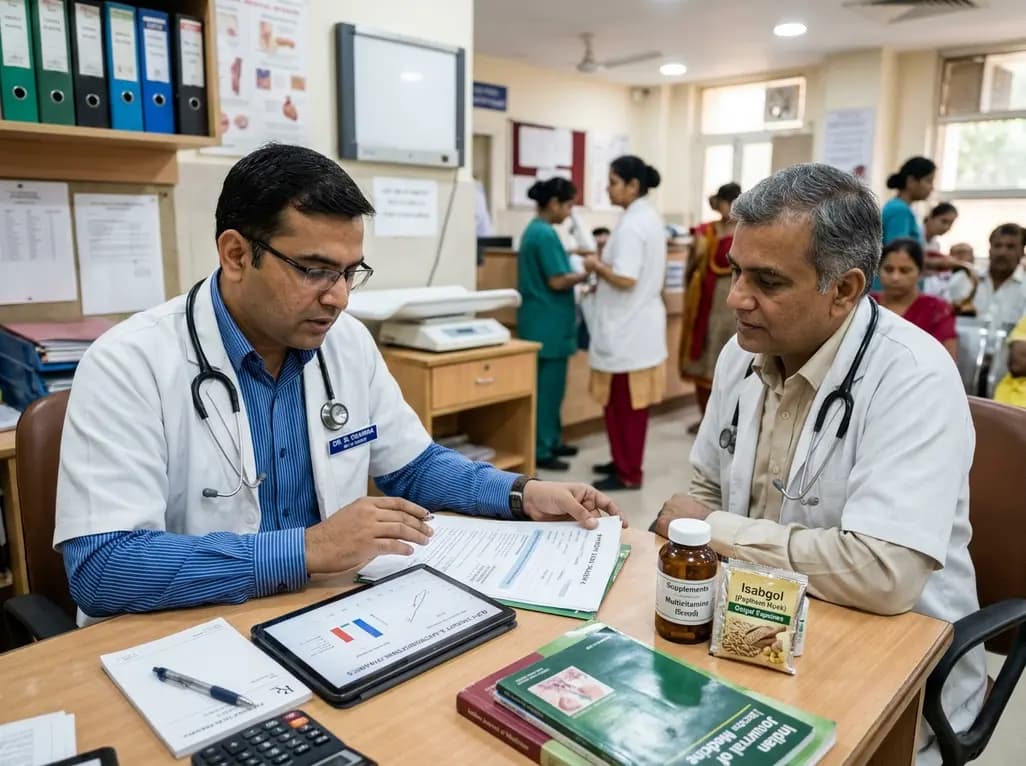
As millions adopt GLP-1 receptor agonists, patients frequently combine unverified dietary supplements to mitigate gastrointestinal side effects. Clinicians must understand delayed gastric absorption, supplement quality risks, and evidence-based nutrition strategies to protect patient outcomes during medical weight loss.
Today
