.webp&w=384&q=75)

Loading, please wait...
Loading, please wait...
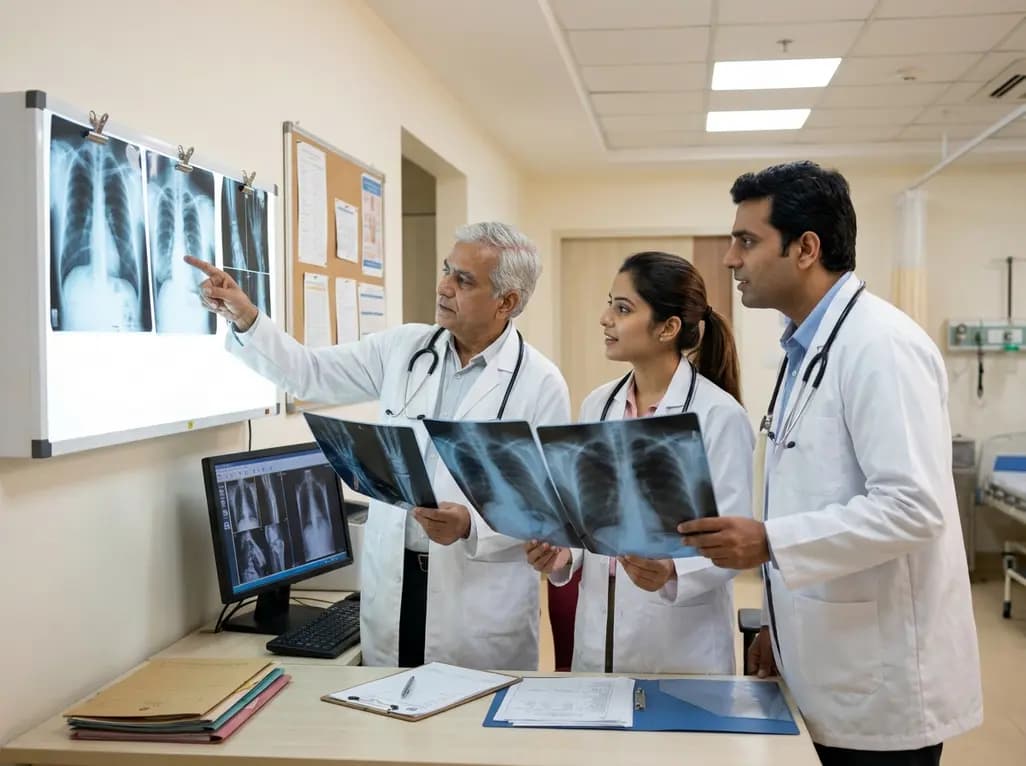
Monitoring the radiographic repeat rate is a vital component of quality assurance in medical imaging. A recent cross-sectional study examined this metric across four public hospitals to evaluate performance and identify areas for improvement. Consequently, the findings offer a roadmap for enhancing technical consistency in radiology departments and ensuring patient safety through reduced radiation exposure.
The study analyzed 15,493 images and discovered an overall repeat rate of 6.86%. While this falls within the limits suggested by the American Association of Physicists in Medicine (AAPM), individual hospital rates fluctuated significantly. For instance, one facility recorded a rate as high as 11.94%, whereas another achieved 3.92%. The most frequent repetitions occurred in chest, pelvis, abdomen, and lumbar spine examinations.
Analysis of the data revealed that preventable human errors caused most repetitions. Specifically, positioning errors, metallic artifacts, and collimation issues were the primary culprits. Moreover, researchers observed daily variability, indicating that workload and staff shifts might impact image quality. Therefore, hospitals must address these organizational factors to maintain high standards and operational efficiency.
To reduce unnecessary radiation exposure, departments should implement standardized imaging protocols. Additionally, regular monitoring and feedback sessions for radiographers can help mitigate common positioning errors. By harmonizing image acceptance criteria, healthcare providers can ensure better diagnostic outcomes and technical consistency across all shifts. Furthermore, establishing clear reference thresholds allows departments to benchmark their performance against international standards.
Tracking this rate helps identify technical deficiencies, reduces patient radiation exposure (adhering to the ALARA principle), and minimizes the waste of hospital resources and staff time.
The most common reasons include poor patient positioning, the presence of metallic artifacts (such as jewelry), and incorrect exposure or collimation settings by the technician.
Disclaimer: This content is for informational and educational purposes only and does not constitute medical advice. Always consult with a qualified healthcare professional for diagnosis and treatment. Refer to the latest local and national guidelines for clinical practice.
References

Read summarized clinical updates, watch expert medical content, and earn CME certifications right from your smartphone.
Open your smartphone camera to scan and install.





A cross-sectional study on radiographic repeat rates shows an average of 6.86%. While within acceptable limits, significant variations and preventable errors like poor positioning highlight the need for standardized protocols and regular monitoring to enhance diagnostic quality and reduce radiation exposure.
4 months ago
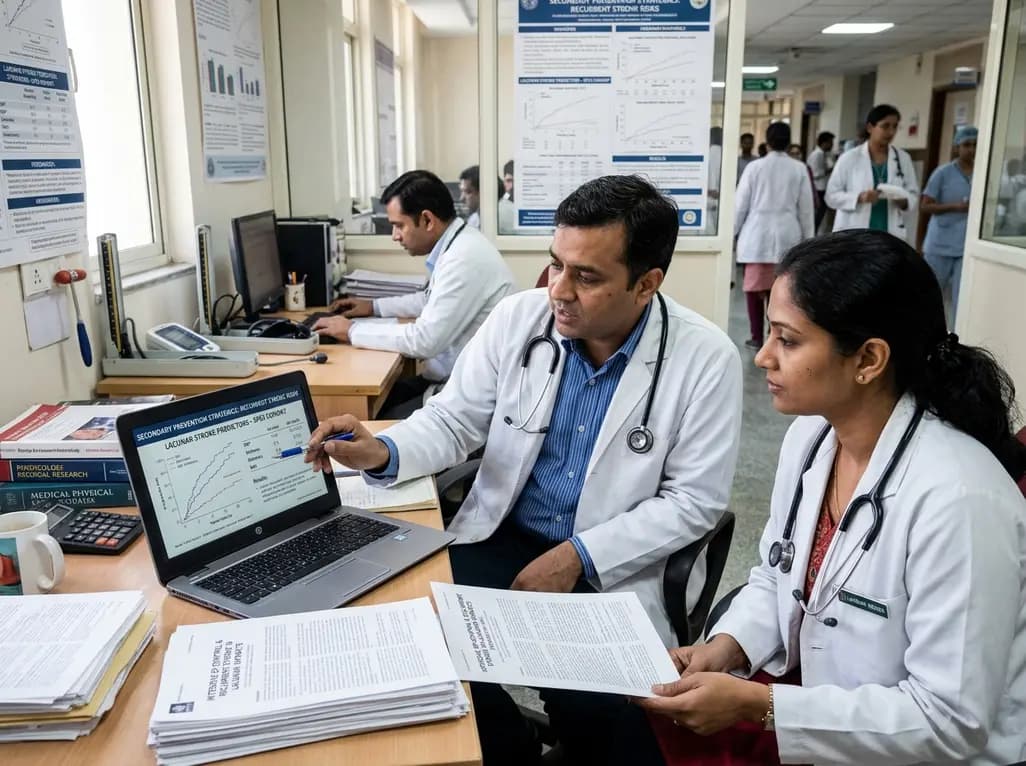
Explore vital recurrent stroke predictors in lacunar stroke patients managed with intensive blood pressure lowering. This analysis examines trial findings from SPS3 to uncover residual vascular risks, metabolic factors, and targeted secondary prevention strategies for high-risk neurological patients.
Today

Odisha has established India's first state-level clinical protocol specifically tailored for pregnant women with sickle cell disease. Developed with NHM and UNICEF, the framework provides structured antenatal screening, crisis mitigation, standardized referral pathways, and specialized interdisciplinary care.
Today

The Directorate General of Health Services directs Indian states to halt the hazardous reuse and reprocessing of single-use medical devices. Discover regulatory implications under the Drugs and Cosmetics Act, critical infection risks, legal liabilities, and operational changes required across clinical specialties.
Today

Mitochondria-targeted nanoparticles self-assembled from EGCG and L-glutamic acid effectively restore mitochondrial homeostasis, suppress synovial inflammation, and attenuate chondrocyte senescence in osteoarthritis, offering a promising disease-modifying nanotherapy.
Today

India is advancing preventive healthcare by integrating genomics, artificial intelligence, and quantum technologies. With the SANGAM programme sequencing one million Indian genomes, clinicians can unlock personalized therapies, detect cardiometabolic risks early, and curb the burden of diabetes and heart disease.
Today
