.webp&w=384&q=75)

Loading, please wait...
Loading, please wait...
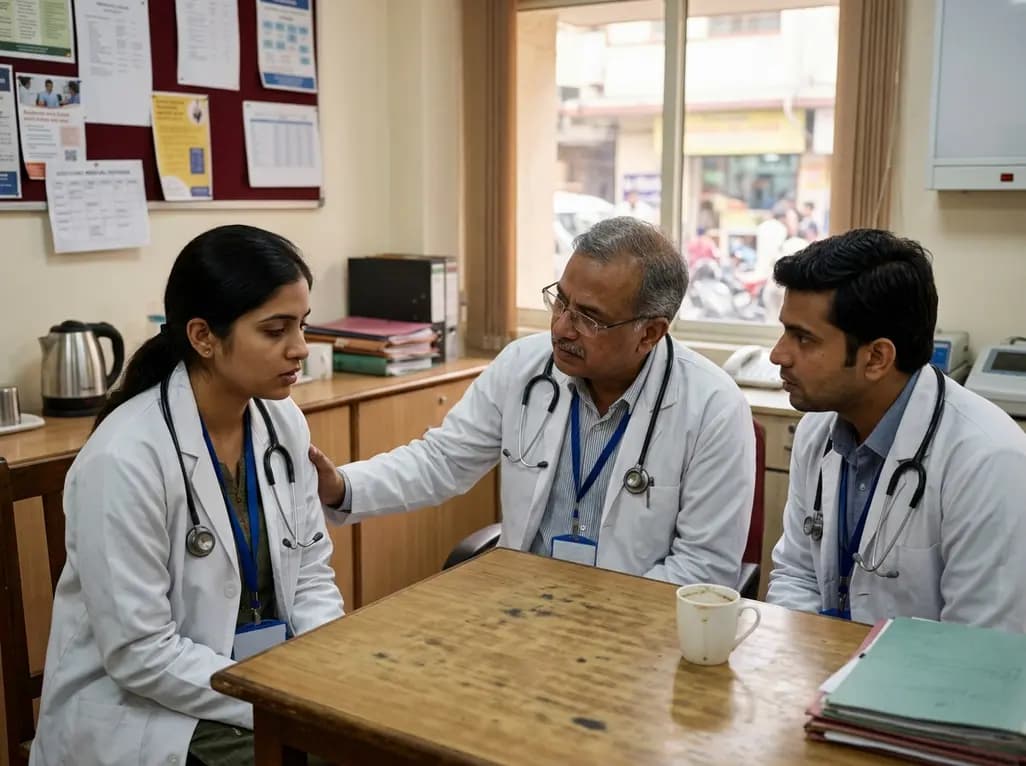
Racial traumatic stress impact is a significant yet often overlooked factor in clinical psychiatry and general practice. Recent findings demonstrate that racial microaggressions act as potent triggers for psychological distress. These subtle discriminatory events accumulate over time. Consequently, they lead to significant mental and physical health challenges. Practitioners must recognize that these encounters are not mere social friction. Instead, they represent clinical stressors that require specific diagnostic attention. Furthermore, addressing these issues early can prevent long-term psychological morbidity.
Researchers recently conducted a study involving a diverse sample of 880 people of color to explore these complex links. They utilized structural equation modeling to analyze the relationship between microaggressions and mental health. The results showed that microaggressions influence distress primarily through trauma-related mechanisms. Interestingly, the direct effect of microaggressions on distress was nonsignificant when trauma pathways were considered. This indicates that racial traumatic stress serves as a full mediator in this psychological process.
The study also highlighted the vital role of individual resilience factors in shaping health outcomes. For instance, negative coping strategies like avoidance or denial significantly strengthened the link between trauma and distress. Conversely, positive coping strategies weakened these harmful pathways. Furthermore, a strong and affirmed ethnic identity provided a protective buffer when combined with adaptive coping. However, identity also showed mixed effects in some contexts, suggesting a nuanced relationship. Therefore, clinicians should focus on fostering identity-affirming practices during therapy. Encouraging patients to develop adaptive coping mechanisms is equally vital. In the Indian clinical context, these findings underscore the importance of recognizing discrimination-based stress. Addressing these stressors directly can significantly improve patient outcomes and overall mental health resilience.
RBTS refers to the mental and emotional injury caused by encounters with racial bias and ethnic discrimination. It is a psychological response to cumulative stress rather than a single life-threatening event.
Microaggressions contribute to distress chiefly through trauma-related mechanisms. Their cumulative impact can lead to symptoms similar to post-traumatic stress, requiring targeted clinical interventions and adaptive coping strategies.
Disclaimer: This content is for informational and educational purposes only... Refer to the latest local and national guidelines for clinical practice.
References
Barrita A et al. Racial microaggressions and racial traumatic stress: A path analysis of coping strategies, ethnic identity, and psychological distress among people of color. Psychol Trauma. 2026 Jun 08. doi: 10.1037/tra0002199. PMID: 42258286.
Nadal KL et al. Challenging Definitions of Psychological Trauma: Connecting Racial Microaggressions and Traumatic Stress. Ball State University Open Journals. 2019.
Williams MT et al. Racial Stress, Racial Trauma, and Evidence-Based Strategies for Coping and Empowerment. Annual Reviews. 2024.

Read summarized clinical updates, watch expert medical content, and earn CME certifications right from your smartphone.
Open your smartphone camera to scan and install.





Study explores how racial microaggressions predict traumatic stress and the role of coping strategies and ethnic identity in mediating psychological distres...
4 months ago
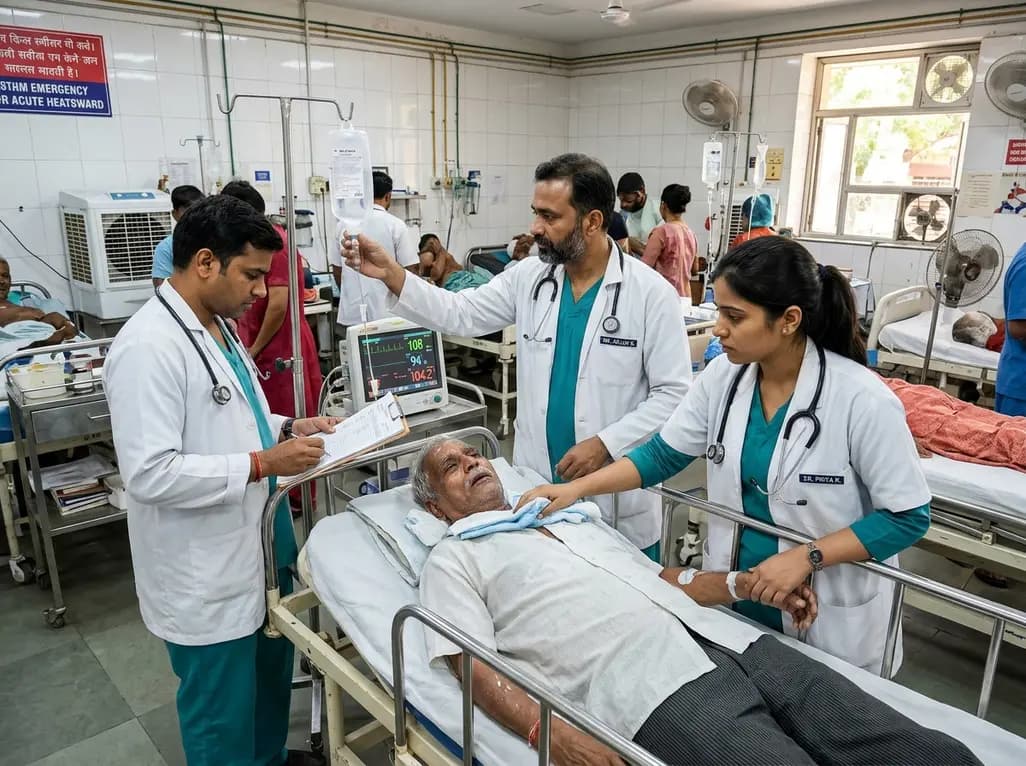
Recent epidemiological data reveals a dramatic surge in summer heat mortality driven by human-induced climate warming. This analysis explores the pathophysiological impacts on cardiac and renal systems, diagnostic dilemmas in death certification, and essential emergency cooling protocols for acute clinical care.
Today

Odisha has established India's first state-level clinical protocol specifically tailored for pregnant women with sickle cell disease. Developed with NHM and UNICEF, the framework provides structured antenatal screening, crisis mitigation, standardized referral pathways, and specialized interdisciplinary care.
Today

India is advancing preventive healthcare by integrating genomics, artificial intelligence, and quantum technologies. With the SANGAM programme sequencing one million Indian genomes, clinicians can unlock personalized therapies, detect cardiometabolic risks early, and curb the burden of diabetes and heart disease.
Today

A randomized controlled trial demonstrates that an eight-week dual-task training intervention significantly improves static and dynamic postural control over standard balance exercises in individuals with chronic ankle instability, addressing critical neurocognitive deficits during athletic and daily activities.
Today

A retrospective cohort study of 7,716 ICU patients from the MIMIC-IV database demonstrates that Gradient Boosting Decision Trees significantly outperform traditional SOFA scores in predicting in-hospital mortality among patients with sepsis and diabetes, with SHAP analysis providing clinical interpretability.
Today
