.webp&w=384&q=75)

Loading, please wait...
Loading, please wait...

The recent implementation of race-blind admission policies has fundamentally shifted the landscape of medical and dental education. A retrospective cohort study conducted at the New York University (NYU) College of Dentistry examined this phenomenon. Specifically, the researchers analyzed data from the "Saturday Academy," a pathway program designed to support prospective dental students. By comparing outcomes from 2023 and 2024, the study highlighted the immediate effects of moving away from race-conscious selection criteria.
In 2024, the program observed dramatic changes in the composition of its admitted students. Although the applicant pool remained demographically stable, the enrollment outcomes varied significantly. Hispanic student representation decreased by 46.2%, while the proportion of Black students plummeted by 74.4%. Conversely, Asian American enrollment surged by nearly 120%. Furthermore, the program saw a 27% increase in first-generation college students. These statistics suggest that race-blind admission policies may inadvertently create barriers for specific underrepresented groups.
Consequently, many medical educators express concern about the future of the healthcare workforce. Pathway programs are essential for developing a workforce that reflects the diverse US population. However, the current legal environment makes maintaining this diversity challenging. As a result, institutions must find new ways to ensure inclusivity without violating federal bans on race-conscious practices. Similarly, the increase in first-generation students indicates that socio-economic factors might become a more prominent metric in future admissions strategies.
The study found that after implementing race-blind policies, the enrollment of Black and Hispanic students in the Saturday Academy pathway program decreased significantly, while Asian American and first-generation student enrollment increased.
Pathway programs help recruit and prepare students from underrepresented backgrounds. This ensures the future dental workforce is more representative of the general population, which can improve patient care and health equity.
The results suggest that without race-conscious policies, institutions may need to focus more on socio-economic status or first-generation status to maintain diversity in their student cohorts.
Disclaimer: This content is for informational and educational purposes only. It does not constitute medical advice or establish a doctor-patient relationship. Refer to the latest local and national guidelines for clinical practice.
References

Read summarized clinical updates, watch expert medical content, and earn CME certifications right from your smartphone.
Open your smartphone camera to scan and install.





A study at NYU Dentistry finds that race-blind admission policies caused a 74% drop in Black student enrollment, raising concerns about workforce diversity....
6 months ago

Explore vital recurrent stroke predictors in lacunar stroke patients managed with intensive blood pressure lowering. This analysis examines trial findings from SPS3 to uncover residual vascular risks, metabolic factors, and targeted secondary prevention strategies for high-risk neurological patients.
Today
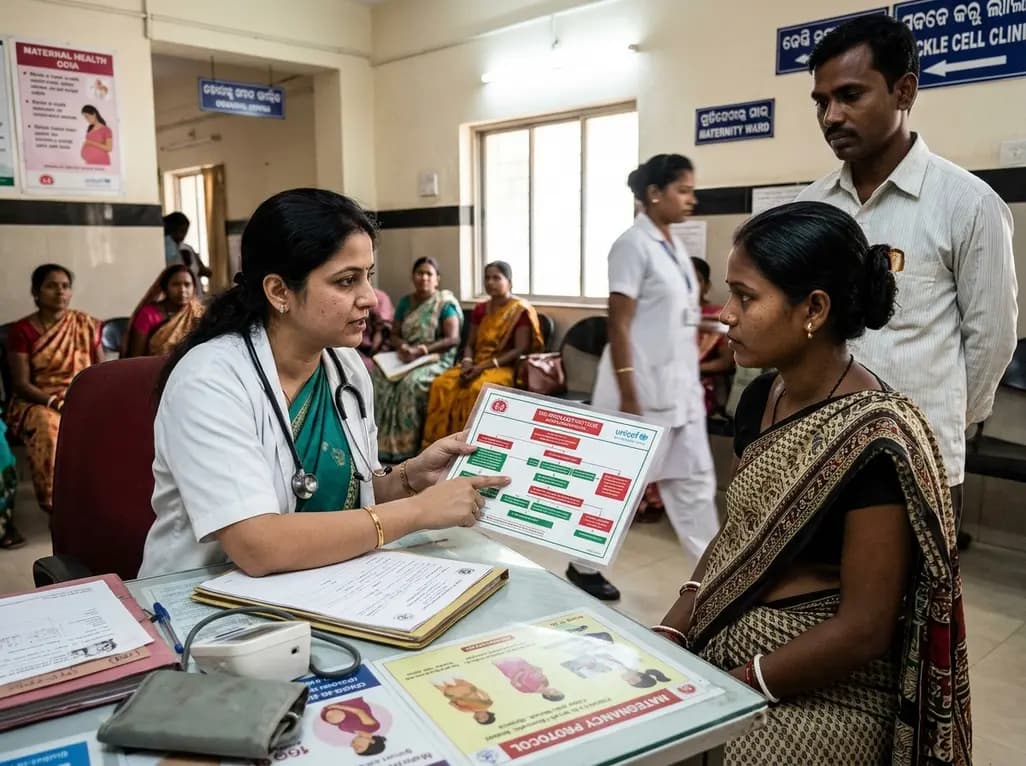
Odisha has established India's first state-level clinical protocol specifically tailored for pregnant women with sickle cell disease. Developed with NHM and UNICEF, the framework provides structured antenatal screening, crisis mitigation, standardized referral pathways, and specialized interdisciplinary care.
Today
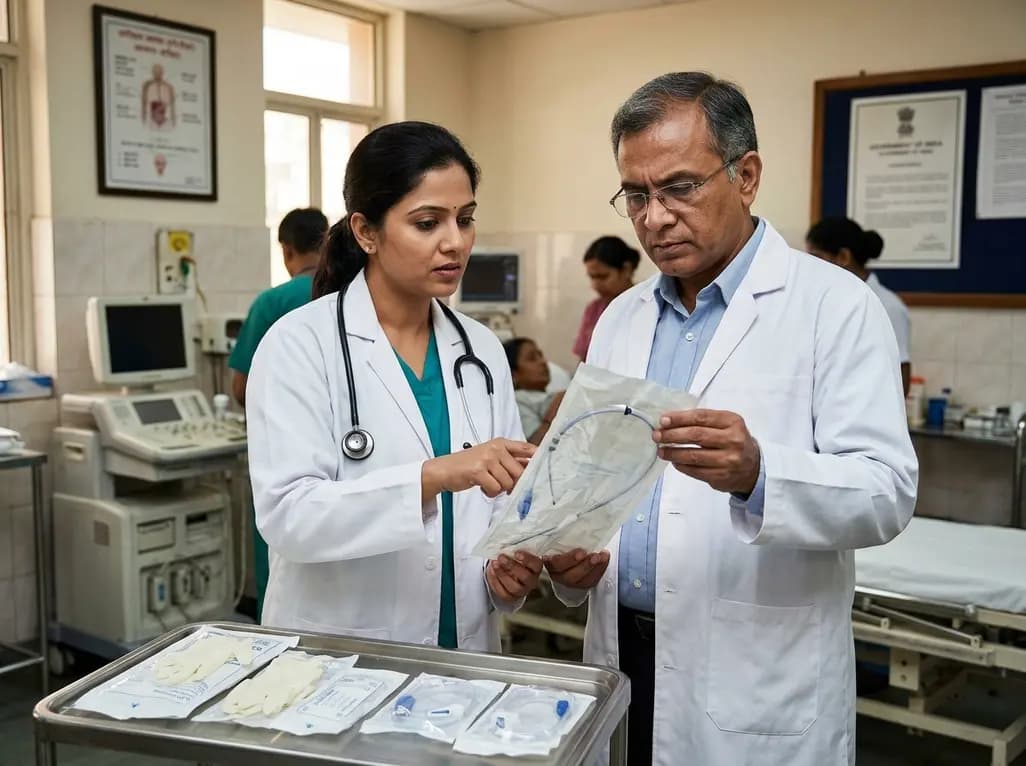
The Directorate General of Health Services directs Indian states to halt the hazardous reuse and reprocessing of single-use medical devices. Discover regulatory implications under the Drugs and Cosmetics Act, critical infection risks, legal liabilities, and operational changes required across clinical specialties.
Today

A randomized controlled trial demonstrates that an eight-week dual-task training intervention significantly improves static and dynamic postural control over standard balance exercises in individuals with chronic ankle instability, addressing critical neurocognitive deficits during athletic and daily activities.
Today

India is advancing preventive healthcare by integrating genomics, artificial intelligence, and quantum technologies. With the SANGAM programme sequencing one million Indian genomes, clinicians can unlock personalized therapies, detect cardiometabolic risks early, and curb the burden of diabetes and heart disease.
Today
