.webp&w=384&q=75)

Loading, please wait...
Loading, please wait...
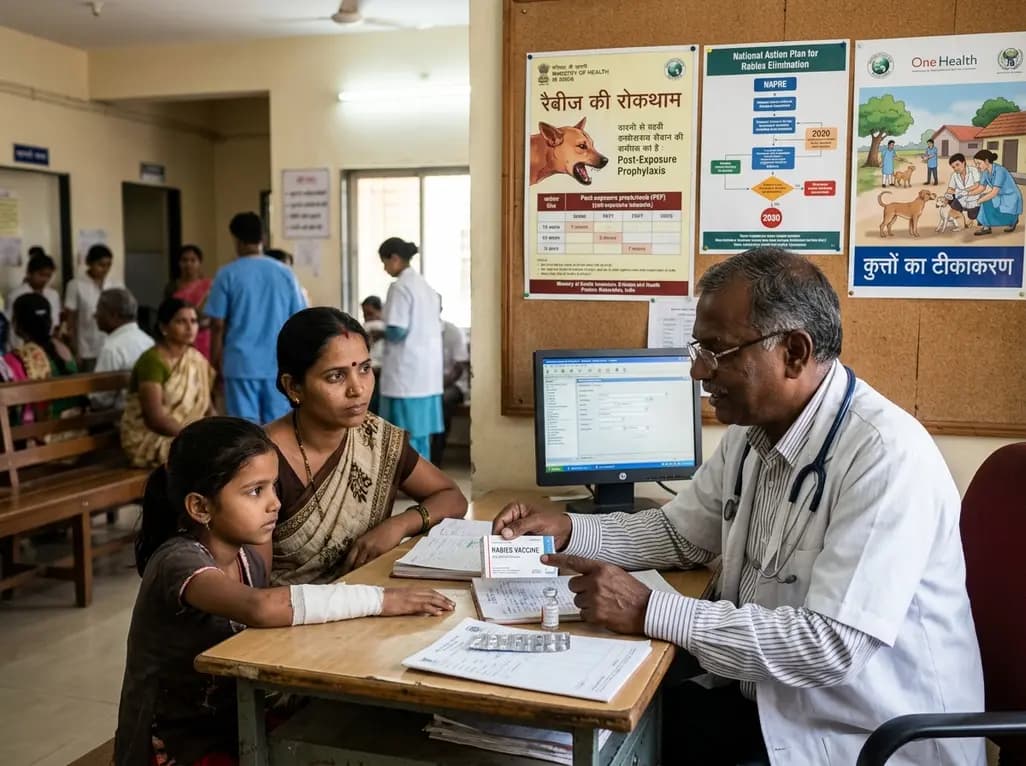
The World Health Organization recently validated Chile and Bhutan for successfully eliminating dog-transmitted rabies as a major public health concern. Consequently, public health leaders are re-evaluating the ambitious targets for rabies elimination in India by 2030. While these international milestones provide immense hope, India faces an unprecedented disease burden that demands urgent, coordinated intervention. Therefore, healthcare providers must understand both the macro-level policy hurdles and micro-level clinical responsibilities required to prevent fatal outcomes.
Chile achieved historic success by recording zero dog-mediated human rabies cases since 1972, maintaining robust disease surveillance for five decades. Furthermore, Chilean health authorities integrated door-to-door pet vaccination campaigns with strict municipal animal ownership laws. In September 2026, the World Health Organization officially confirmed Chile as the first South American nation to achieve this validation. Similarly, Bhutan became the first country in the WHO South-East Asia Region to eliminate dog-transmitted human rabies. Bhutan reached this milestone through sustained mass canine immunization, systematic microchipping, and widespread animal birth control. Moreover, both nations prioritized accessible laboratory diagnostics alongside free, uninterrupted post-exposure prophylaxis for every exposed citizen. As a result, public health teams rapidly detected potential outbreaks and halted transmission pathways immediately. These achievements prove that disciplined, cross-sectoral execution can conquer a notoriously fatal zoonosis. However, both nations operate at a significantly smaller demographic scale than the Indian subcontinent. India must now determine whether identical One Health methodologies can succeed across densely populated, decentralized districts. Sustained political dedication and localized funding remain the indispensable foundations of their success.
The sheer magnitude of the canine bite burden significantly complicates rabies elimination in India. According to official estimates, India records approximately 9.1 million animal bite incidents each year. Furthermore, dogs inflict more than three-quarters of these acute wounds. Data from the Indian Council of Medical Research and the National Institute of Epidemiology indicate that nearly 5,726 Indians die annually from rabies. Consequently, India accounts for a massive proportion of the global human rabies mortality burden. In 2021, the central government unveiled the National Action Plan for Dog-Mediated Rabies Elimination to stop human fatalities by 2030. This blueprint emphasizes aggressive canine vaccination, stray animal population management, and modernized rabies surveillance. Additionally, the plan advocates for universal access to timely post-exposure treatments across rural and urban centers. However, translating high-level national guidelines into continuous municipal execution presents severe logistical bottlenecks. Most rabies fatalities occur in vulnerable, socioeconomically disadvantaged communities with poor access to emergency wound care. Therefore, closing epidemiological data gaps through mandatory disease reporting represents an essential step forward for state health ministries.
Public health epidemiologists repeatedly highlight stray dog population dynamics as the primary hurdle to disease eradication. To disrupt viral transmission effectively, veterinary teams must vaccinate at least 70% of the canine population annually. Nevertheless, local municipal corporations struggle to maintain consistent immunization campaigns year after year. Sporadic vaccination drives leave substantial immunologic gaps, allowing the viral reservoir to persist within free-roaming packs. Additionally, animal birth control programs suffer from inadequate surgical infrastructure, limited budgetary allocations, and deficient tracking mechanisms. Merely capturing dogs or displacing them into neighboring districts fails to solve underlying ecological dynamics. In contrast, scientific birth control stabilizes territories and gradually reduces stray densities over several breeding cycles. Experts also point to problematic municipal sanitation practices that provide abundant food sources for free-roaming dogs. Consequently, overflowing open garbage dumps sustain large canine populations near human settlements. Urban local bodies must establish hygienic waste disposal and create regulated feeding zones. Without resolving these environmental factors, veterinary interventions cannot curtail canine transmission cycles.
Because rabies presents a near 100% case fatality rate after symptoms emerge, clinicians must manage exposures with utmost urgency. Primary care doctors must never dismiss minor abrasions, scratches, or mucous membrane licks from suspected animals. Immediately following an exposure, patients must wash all wounds thoroughly under running water with soap for fifteen minutes. Furthermore, applying virucidal antiseptic agents such as povidone-iodine destroys residual surface viral particles effectively. Clinicians classify exposures into three distinct categories based on severity and breach of epidermal barriers. For Category III exposures, medical personnel must infiltrate rabies immunoglobulin directly into and around all wound margins. Concurrently, physicians must initiate a modern cell-culture vaccine regimen without delay. Specifically, the intradermal rabies vaccination schedule offers an economical, dose-sparing alternative that accelerates systemic antibody production. Healthcare providers must educate bite victims to complete the full immunization series diligently. However, doctors also report significant anxiety regarding counterfeit rabies formulations in informal commercial retail markets. Thus, government facilities must guarantee authentic, cold-chain compliant vaccines at every primary health center.
Eliminating dog-mediated rabies requires an uncompromising One Health paradigm that unites human medicine, veterinary science, and local governance. Historically, disconnected administrative departments operated in silos, hindering contact tracing and post-exposure interventions. Today, state task forces must implement integrated surveillance platforms that trigger simultaneous medical and veterinary alerts whenever a bite occurs. Additionally, central procurement agencies must maintain robust supply chains for anti-rabies vaccines and rabies immunoglobulins across rural dispensaries. Stockouts at the primary care level often force impoverished families to seek expensive commercial options or abandon treatment entirely. Furthermore, market distortions occasionally arise because successful dog vaccination drastically reduces clinical demand for profitable biological therapies. Policy makers must incentivize domestic vaccine manufacturers to preserve stable production buffers regardless of fluctuating bite metrics. In addition, health communication teams must dispel harmful folk remedies, such as applying chili paste or lime to animal lacerations. Community health workers can educate families on immediate wound washing and prompt institutional presentation. Ultimately, sustained political ownership will transform these cross-sectoral interventions into lasting national health security.
Q1: Why did Chile and Bhutan succeed in eliminating dog-mediated rabies?
Both countries established sustained, high-coverage dog vaccination campaigns that repeatedly exceeded the seventy percent herd immunity threshold. Furthermore, they combined rigorous animal birth control with mandatory pet registration and modern laboratory surveillance. Additionally, both nations maintained robust healthcare systems that provide rapid, free access to post-exposure prophylaxis. These synchronized, multi-sectoral actions permanently interrupted viral transmission pathways between stray animal reservoirs and human communities.
Q2: What immediate wound care must clinicians advocate after an animal bite?
Clinicians must advise immediate, copious wound flushing under running tap water with soap for at least fifteen minutes. Moreover, patients should apply povidone-iodine or another virucidal antiseptic to destroy surface viral envelopes promptly. Healthcare workers must avoid suturing fresh bite wounds whenever possible to prevent mechanical inoculations into deeper tissue planes. Finally, the patient requires an urgent medical evaluation to determine the proper post-exposure vaccination schedule.
Q3: How does the intradermal rabies vaccination schedule benefit Indian healthcare facilities?
The updated intradermal regimen injects minute vaccine volumes into the dermis at two anatomical sites on days zero, three, and seven. Consequently, this technique utilizes only a fraction of an ampoule per patient while eliciting an equivalent protective immune response. Additionally, sharing opened vials among multiple bite victims significantly reduces overall clinical costs. Therefore, public health clinics can maintain continuous inventory and extend coverage across resource-constrained communities.
Disclaimer: This content is for informational and educational purposes only. It does not constitute medical advice or replace professional judgment. Refer to the latest local and national guidelines for clinical practice.
References

Read summarized clinical updates, watch expert medical content, and earn CME certifications right from your smartphone.
Open your smartphone camera to scan and install.





While Chile and Bhutan have earned WHO validation for eliminating dog-mediated rabies, India still confronts over nine million animal bites annually. Achieving the 2030 elimination target demands urgent One Health coordination, district-level canine vaccination, and uninterrupted access to post-exposure prophylaxis.
Today

Evaluating caffeine intake in lower urinary tract symptoms (LUTS) requires more than cutting coffee. This 5-step clinical framework details symptom classification, intake quantification across hidden sources, CYP1A2 pharmacokinetic modifiers, and individualized weaning schedules for improved urological outcomes.
Today
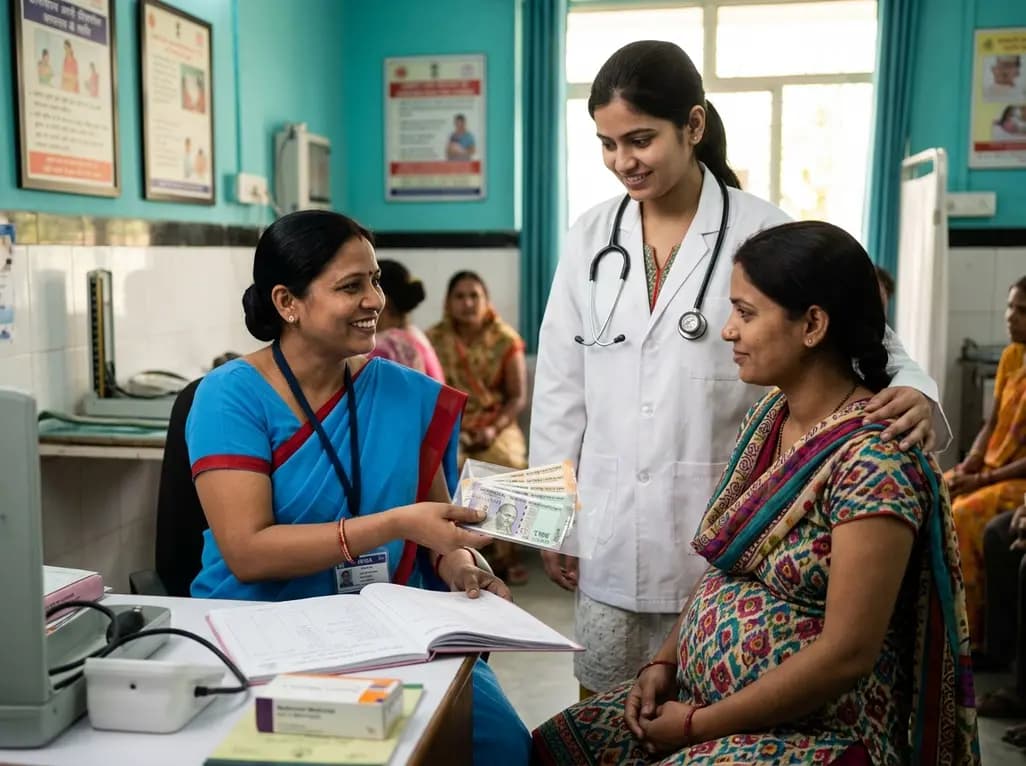
The Delhi Cabinet has approved a key policy revision doubling the fixed monthly allowance for accredited social health activists. This financial enhancement bolsters grassroots maternal and child healthcare delivery, strengthens urban public health surveillance, and improves frontline community health worker retention.
Today
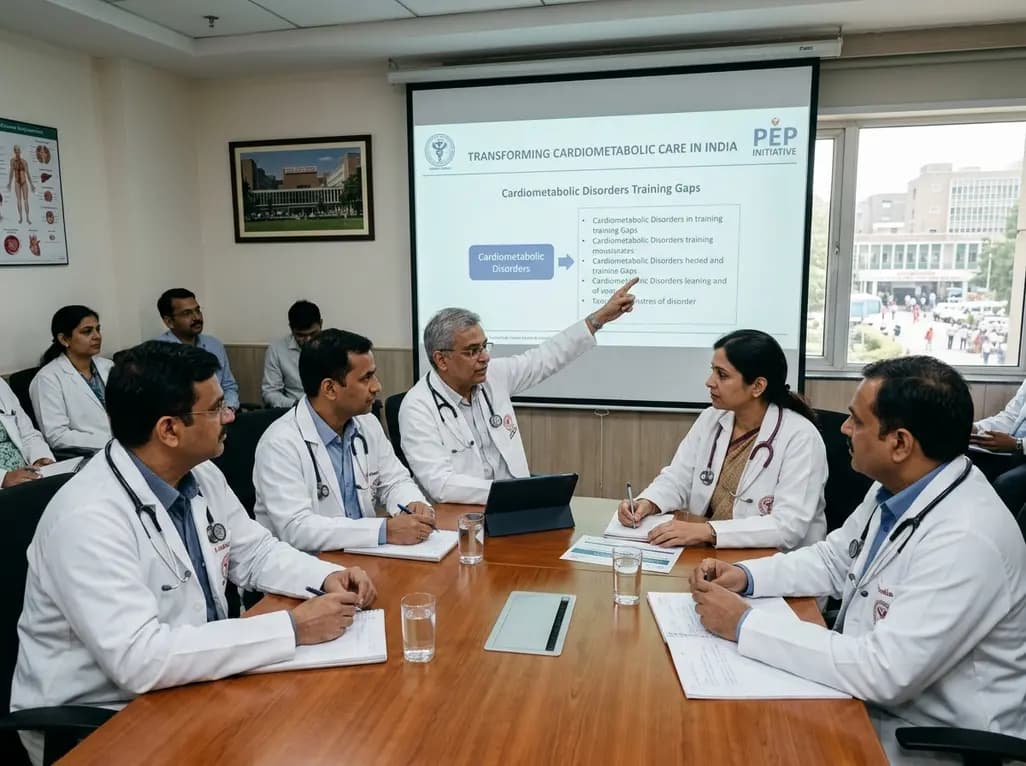
The All India Institute of Medical Sciences has convened national health experts, policymakers, and state nodal officers to transform medical training for cardiometabolic disorders. This collaborative effort under the PEP initiative addresses training gaps to elevate chronic disease care across Indian healthcare.
Today
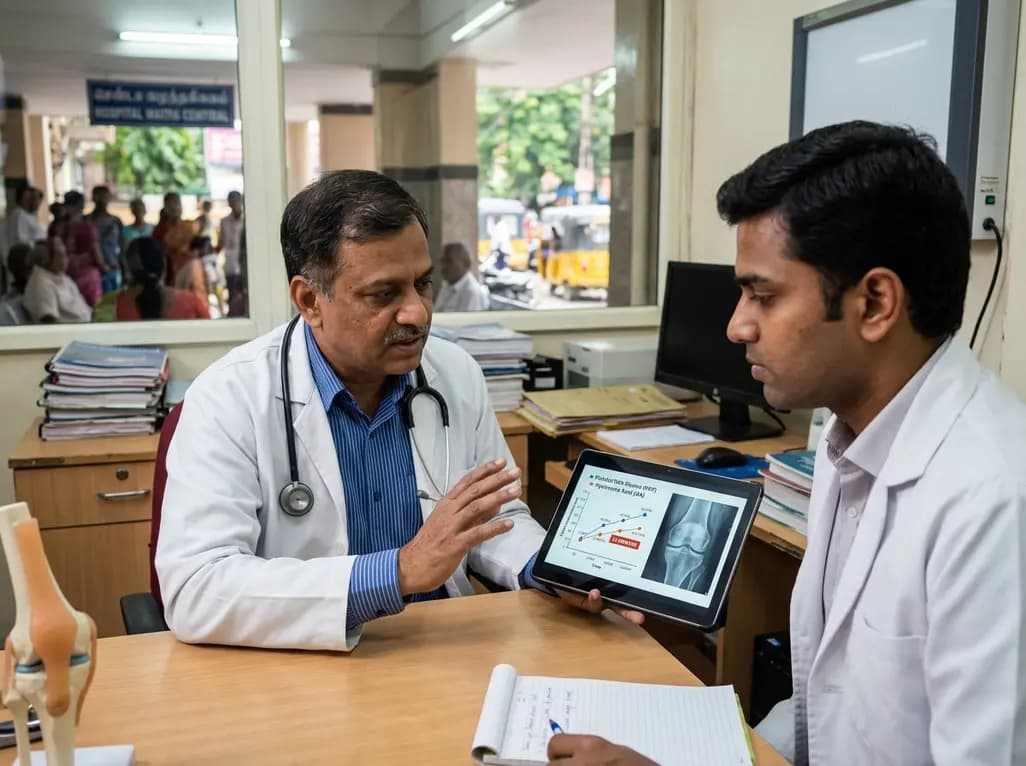
A systematic review and meta-analysis of 21 RCTs reveals that platelet-rich plasma provides small but statistically superior pain relief and functional improvements compared to hyaluronic acid at 12 months in knee osteoarthritis, influenced by platelet concentration and leukocyte enrichment.
Today
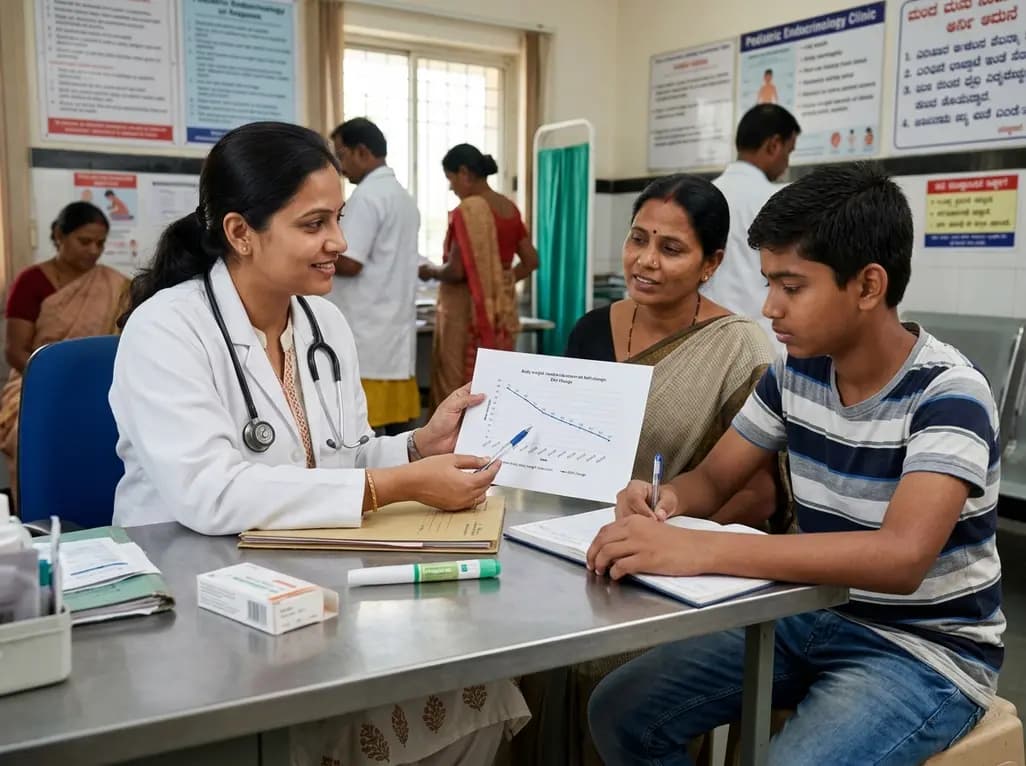
A multicenter real-world prospective study in Taiwan demonstrates that liraglutide effectively reduces body weight and BMI standard deviation score in adolescents with obesity. The therapy shows a favorable safety profile with mild gastrointestinal adverse events and zero treatment discontinuations due to intolerance.
Today
