.webp&w=384&q=75)

Loading, please wait...
Loading, please wait...
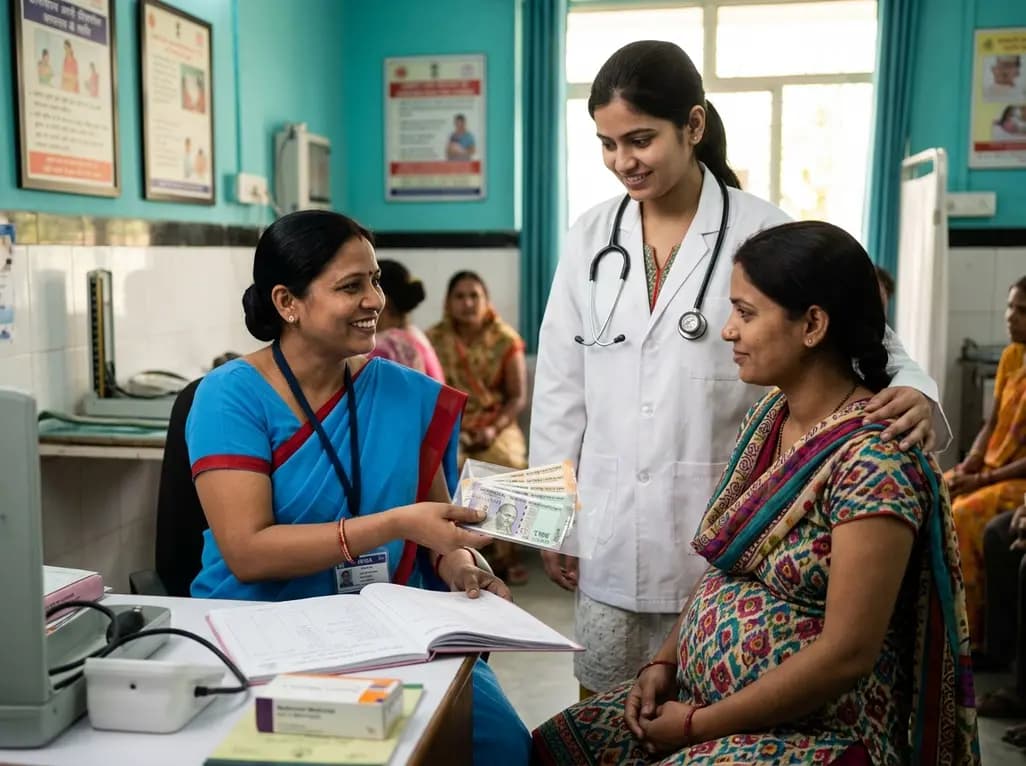
The Delhi government recently approved a landmark measure to strengthen grassroots healthcare delivery across the capital. Specifically, the Delhi Cabinet announced a policy doubling the ASHA worker monthly incentive from Rs 3,000 to Rs 6,000. Chief Minister Rekha Gupta chaired the Cabinet meeting where officials formally endorsed this financial enhancement. Accredited Social Health Activists represent the indispensable bridge linking vulnerable urban populations with public clinics. Consequently, this financial revision acknowledges their dedication during routine operations and health emergencies. Furthermore, the strategic enhancement elevates workforce morale and reinforces primary care stability.
The Cabinet approval marks an essential policy recalibration for the National Capital Territory of Delhi. In total, 6,725 active community activists will directly benefit from this doubled monthly stipend. Previously, workers received a fixed baseline honorarium of Rs 3,000 alongside routine task-based payments. Under the revised framework, the government doubled this core component to Rs 6,000 per month. Additionally, authorities confirmed that all existing performance-linked bonuses and travel compensations will continue without disruption.
This fiscal enhancement responds to prolonged representations submitted by frontline cadres seeking fair compensation for demanding fieldwork. Generally, an individual activist oversees approximately 2,000 residents or nearly 400 households within designated urban clusters. Consequently, their daily workload requires extensive door-to-door tracking, community mobilization, and persistent counseling sessions. Health authorities recognize that fixed remuneration provides baseline economic security against rising urban living costs. Moreover, structured compensation reduces turnover among trained community health liaisons. Therefore, the policy revision directly stabilizes primary health administration across varied municipal jurisdictions. Ultimately, this structural reform aligns financial incentives with the expanding responsibilities of modern municipal healthcare.
Community health workers perform indispensable duties within maternal and newborn care pathways across Delhi. First, activists conduct active household visits to identify early pregnancies in dense urban settlements. They ensure rapid registration of expectant mothers at nearby primary health centers and dispensaries. Additionally, workers organize attendance for mandatory antenatal checkups and laboratory screening tests. They routinely monitor nutritional supplements, including iron and folic acid compliance, during vulnerable gestational windows.
Furthermore, activists identify high-risk maternal symptoms, such as gestational hypertension and severe anemia, before complications escalate. When labor approaches, they arrange emergency transportation and accompany women to recognized secondary or tertiary delivery facilities. Consequently, institutional delivery rates improve significantly across socioeconomically disadvantaged colonies. Following childbirth, activists execute structured postnatal home visits to track neonatal health indicators. In addition, they evaluate maternal recovery and encourage immediate exclusive breastfeeding practices. They also identify neonatal danger signs, including hypothermia, sepsis, and neonatal jaundice, prompting rapid pediatric referral. Thus, dedicated frontline engagement substantially mitigates preventable maternal and perinatal mortality throughout metropolitan communities.
Routine immunization programs depend heavily upon the organizational efforts of grassroots community activists. Workers maintain updated household registries detailing eligible infants, toddlers, and adolescent beneficiaries across their assigned areas. Additionally, they mobilize hesitant families during village and urban health sanitation and nutrition days. Activists explain the protective benefits of universal vaccines against lethal infections like measles, diphtheria, and pertussis. Consequently, primary care clinics record higher completion rates for primary vaccination courses.
Moreover, frontline workers track dropouts and actively recall defaulting children for overdue vaccine doses. They coordinate directly with auxiliary nurse midwives and primary care physicians to manage cold chain distribution points. Therefore, localized outbreaks of vaccine-preventable pediatric illnesses decline significantly across crowded urban settlements. In addition to immunization drives, activists screen children under five years of age for severe acute malnutrition. They deliver pediatric vitamin A supplementation, administer oral rehydration salts, and distribute pediatric zinc preparations. As a result, early childhood diarrheal illnesses and respiratory infections resolve with minimal secondary systemic complications. Ultimately, this proactive outreach bridges critical disparities in preventive pediatric health delivery.
Grassroots health activists increasingly serve as the sensory apparatus for municipal epidemiological surveillance. During seasonal fluctuations, activists monitor community clusters for vector-borne infections such as dengue, chikungunya, and malaria. Furthermore, they inspect local water storage environments and educate families regarding vector abatement methods. When seasonal communicable fevers emerge, workers distribute fever management kits and guide symptomatic patients toward designated clinics. Consequently, municipal surveillance systems detect emerging disease clusters before broad transmission events occur.
Additionally, non-communicable disease control programs rely on household outreach for early adult risk detection. Activists conduct population-based enumeration to identify individuals over thirty years needing routine screening. Specifically, they facilitate blood pressure measurements, random blood glucose assessments, and cancer awareness drives. They also identify household members exhibiting persistent cough, actively facilitating sputum collection for tuberculosis evaluations. In addition, workers supervise directly observed therapy regimens, ensuring adherence among individuals undergoing long-term antimycobacterial treatment. Thus, primary care physicians receive well-documented referrals from dense urban sectors. Ultimately, this coordinated surveillance significantly strengthens urban chronic disease control and infection management.
The financial reinforcement of grassroots cadres offers measurable operational advantages for practicing clinical doctors. General practitioners, obstetricians, and pediatricians frequently confront high patient volumes in public dispensaries and mohalla clinics. However, physicians often lack direct visibility into community treatment adherence and household social determinants. Accredited health activists bridge this informational gap by supplying real-time clinical context regarding patient environments. Consequently, physicians can design more realistic management plans tailored to individual socioeconomic circumstances.
Furthermore, reliable community workers alleviate excessive diagnostic burdens from overburdened outpatient departments. Activists triage minor complaints, monitor chronic medication compliance, and guide stable patients during routine maintenance phases. Therefore, primary care physicians can focus clinical expertise on complex diagnostic presentations and acute emergencies. Moreover, strong grassroots collaboration improves treatment retention across vulnerable psychiatric, geriatric, and obstetric cohorts. When clinicians establish bidirectional communication channels with community activists, institutional trust expands within marginalized neighborhoods. Ultimately, sustaining motivated frontline health personnel reinforces clinical outcomes, elevates public health metrics, and consolidates interprofessional primary care.
Q1: What specific financial changes did the Delhi government approve for ASHA workers?
The Delhi Cabinet approved doubling the fixed monthly incentive for Accredited Social Health Activists from Rs 3,000 to Rs 6,000. Additionally, all existing performance-linked allowances, task-specific reimbursements, and travel incentives remain fully intact without reductions. The revised structure applies directly to all 6,725 active community activists serving within the capital. This measure ensures guaranteed monthly baseline income, directly recognizing their extensive contributions to municipal healthcare delivery and promoting long-term financial security.
Q2: How many families does an individual ASHA worker typically cover in Delhi?
In Delhi's urban healthcare network, each individual activist typically oversees approximately 400 families, which translates to roughly 2,000 residents. Consequently, workers manage dense urban clusters, informal settlements, and vulnerable community pockets. Their daily duties involve extensive door-to-door health counseling, tracking antenatal registrations, and organizing routine immunization schedules. Maintaining continuous oversight across 400 households demands substantial field navigation. Therefore, adequate financial remuneration remains essential for sustaining consistent community engagement and high-quality surveillance outcomes.
Q3: Why is this incentive increase clinically significant for institutional doctors?
Primary care physicians depend extensively on community health activists for clinical triage, maternal tracking, and post-discharge follow-up. When compensation stabilizes, workforce retention improves significantly, preventing sudden interruptions in community healthcare outreach. Furthermore, motivated activists ensure higher patient compliance with prescribed antihypertensive, antidiabetic, and antitubercular medications. They also expedite timely referrals for high-risk obstetric and pediatric emergencies. Consequently, clinicians encounter fewer advanced presentations, optimizing outpatient workflow and improving population-level therapeutic outcomes across urban medical centers.
Disclaimer: This content is for informational and educational purposes only. It does not constitute medical advice or replace professional judgment. Refer to the latest local and national guidelines for clinical practice.
References

Read summarized clinical updates, watch expert medical content, and earn CME certifications right from your smartphone.
Open your smartphone camera to scan and install.





The Delhi Cabinet has approved a key policy revision doubling the fixed monthly allowance for accredited social health activists. This financial enhancement bolsters grassroots maternal and child healthcare delivery, strengthens urban public health surveillance, and improves frontline community health worker retention.
Today
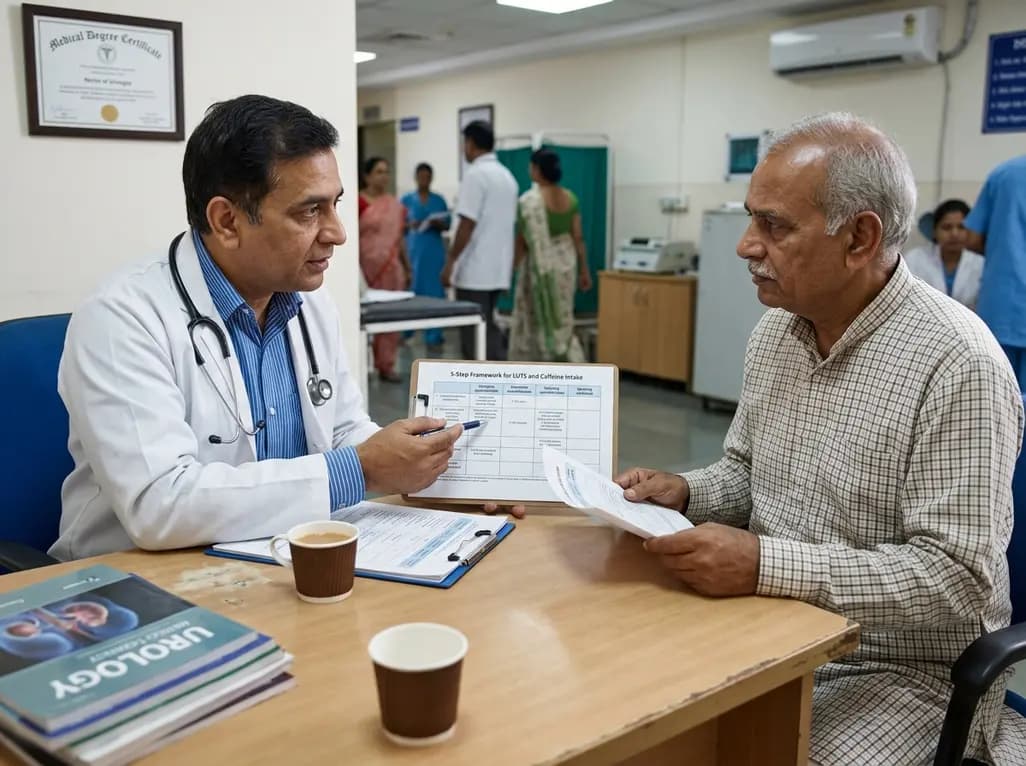
Evaluating caffeine intake in lower urinary tract symptoms (LUTS) requires more than cutting coffee. This 5-step clinical framework details symptom classification, intake quantification across hidden sources, CYP1A2 pharmacokinetic modifiers, and individualized weaning schedules for improved urological outcomes.
Today
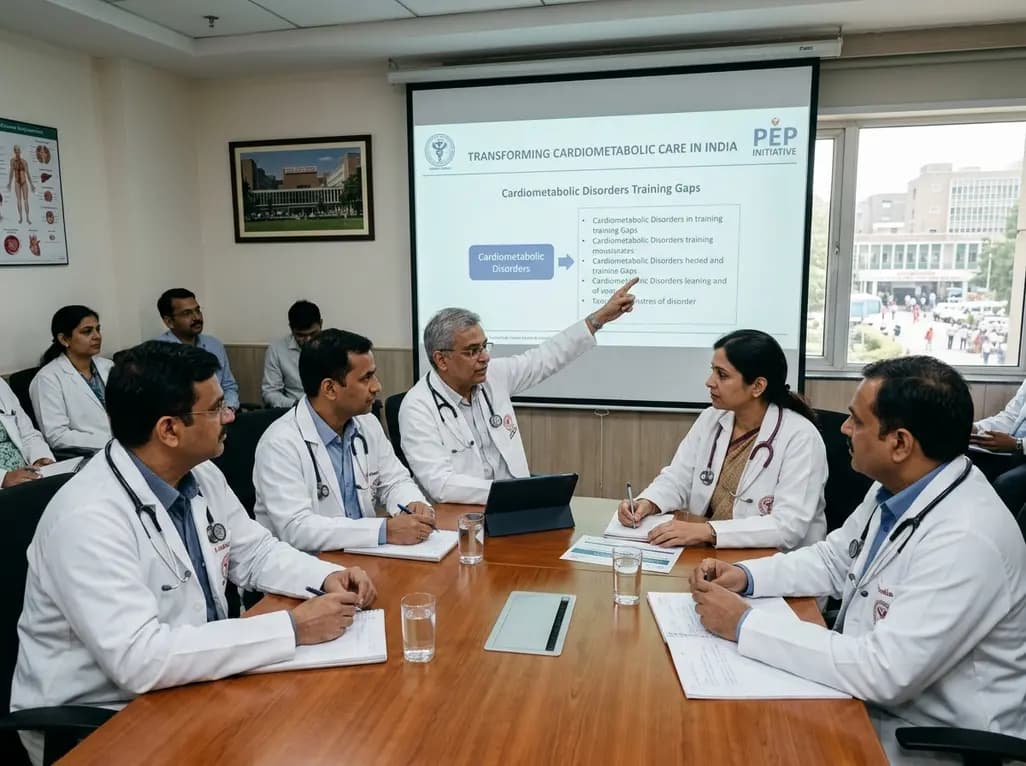
The All India Institute of Medical Sciences has convened national health experts, policymakers, and state nodal officers to transform medical training for cardiometabolic disorders. This collaborative effort under the PEP initiative addresses training gaps to elevate chronic disease care across Indian healthcare.
Today
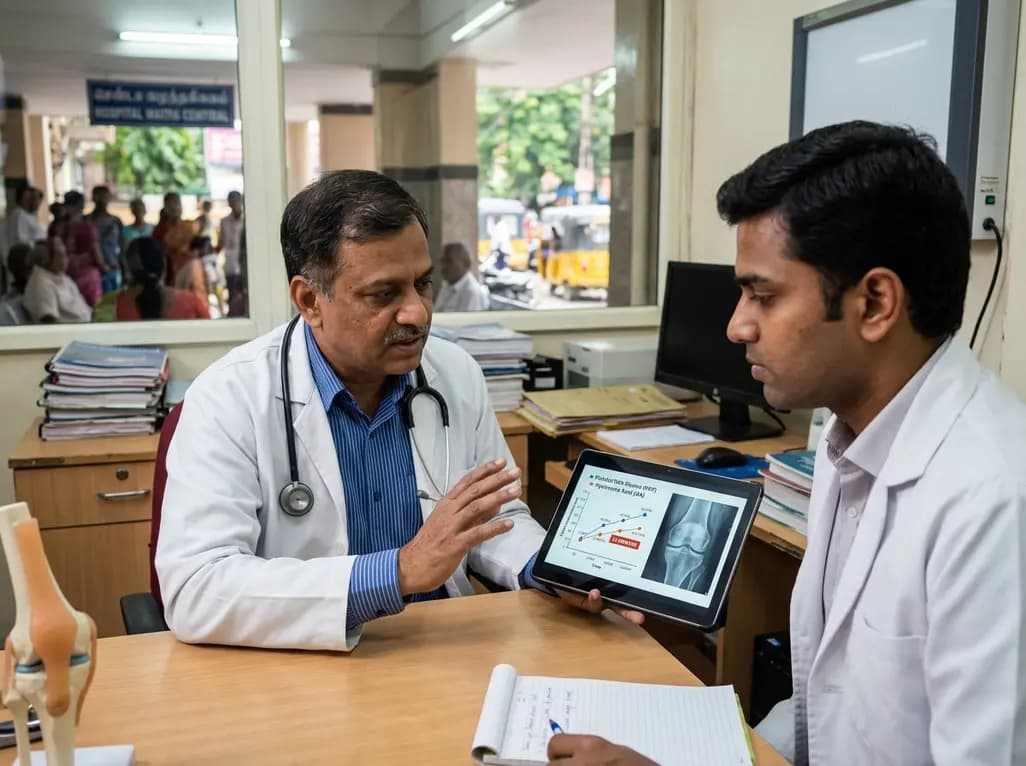
A systematic review and meta-analysis of 21 RCTs reveals that platelet-rich plasma provides small but statistically superior pain relief and functional improvements compared to hyaluronic acid at 12 months in knee osteoarthritis, influenced by platelet concentration and leukocyte enrichment.
Today
A multicenter real-world prospective study in Taiwan demonstrates that liraglutide effectively reduces body weight and BMI standard deviation score in adolescents with obesity. The therapy shows a favorable safety profile with mild gastrointestinal adverse events and zero treatment discontinuations due to intolerance.
Today
