.webp&w=384&q=75)

Loading, please wait...
Loading, please wait...

Pulpitis remains a primary driver of acute orofacial pain worldwide, often requiring urgent intervention to prevent severe complications such as abscess formation or systemic infection. Despite its prevalence, public awareness regarding the early clinical signs of pulpal inflammation and the necessity of timely treatment remains notably insufficient. In recent years, a significant shift has occurred in how patients seek health information, with many turning to digital channels before consulting a professional. Consequently, the quality of pulpitis social media content has become a focal point for researchers and clinicians alike. As patients increasingly rely on short-form videos to understand their symptoms, the accuracy of this information determines whether they seek evidence-based care or attempt potentially harmful home remedies. Therefore, dental educators must examine how these platforms distribute information and which factors contribute to high-quality patient education materials.
A recent comprehensive study published in July 2026 analyzed the landscape of dental health information across prominent digital platforms. This research highlighted a critical gap between the high volume of available content and the actual reliability of the health advice provided. While social media offers an unprecedented opportunity for health promotion, it also acts as a double-edged sword where misinformation can spread as quickly as factual data. For dental practitioners, understanding these dynamics is essential for guiding patients toward trustworthy sources. By evaluating current trends in digital health communication, professionals can better address the queries of informed—or potentially misinformed—patients who present in the clinical setting after consuming online media. This proactive approach is vital in a digital age where the first line of dental triage often happens on a smartphone screen.
The digital ecosystem is diverse, with different platforms attracting distinct demographics and fostering unique content styles. In the context of the 2026 study, researchers scrutinized videos on Douyin, Xiaohongshu, and Bilibili to determine which platform offered the most reliable information regarding pulpitis. Interestingly, the results showed that Xiaohongshu consistently outperformed Bilibili and Douyin across multiple metrics, including completeness and reliability. This performance suggests that platform-specific algorithms and user behaviors significantly influence the quality of health information. For instance, platforms that encourage detailed, blog-like descriptions alongside video content may provide more comprehensive explanations than those focused solely on viral, high-energy entertainment. Consequently, the format of the platform itself plays a role in determining how well a complex medical condition like pulpitis is explained to the general public.
Furthermore, the engagement metrics—such as likes, shares, and comments—often do not correlate with the clinical accuracy of the content. Many videos with high engagement were found to be lacking in fundamental medical details or failed to provide actionable advice. This discrepancy presents a challenge for patients who may equate popularity with expertise. In contrast, platforms where dental practitioners are more active tended to host videos with higher educational value. The study emphasized that while Douyin reaches a massive audience, its content often prioritizes brevity over clinical depth. Conversely, Xiaohongshu's interface appeared more conducive to sharing systematic dental health knowledge. Understanding these platform nuances allows dentists to recommend specific digital environments to their patients for supplemental learning, ensuring they encounter high-quality content that supports their treatment journey.
To move beyond subjective assessments, researchers utilize validated tools to measure the quality of pulpitis social media content. In this systematic evaluation, three primary instruments were employed: the Global Quality Score (GQS), the modified DISCERN (mDISCERN) tool, and the Patient Education Materials Assessment Tool (PEMAT). The GQS provides a general overview of the flow and usefulness of the information, while mDISCERN specifically targets the reliability and transparency of the source. Meanwhile, the PEMAT evaluates two critical domains: understandability and actionability. These metrics are essential because a video might be medically accurate but so complex that a layperson cannot understand it. Alternatively, a video might be easy to follow but offer no clear path for the patient to take toward professional help, which is a major deficiency in acute pain management.
The analysis revealed that while many videos were understandable, they frequently scored poorly in terms of actionability. Specifically, content often failed to clearly outline the necessary steps for professional diagnosis or the risks of delaying treatment. This gap is particularly concerning for pulpitis, where early intervention is the difference between a simple restorative procedure and a complex root canal or extraction. Moreover, the study utilized a self-developed checklist to assess content completeness, covering aspects such as etiology, symptoms, diagnostic methods, and treatment options. Unfortunately, the majority of the analyzed videos lacked comprehensive coverage across these categories. By using these rigorous evaluation tools, researchers have established a baseline that highlights the urgent need for more structured and complete dental health information in the digital sphere.
One of the most significant findings of the recent research is the profound impact of the uploader's professional background on the quality of the information. Specifically, videos uploaded by dental practitioners received significantly higher scores for quality, reliability, and completeness compared to those from non-professional sources. This trend underscores the importance of medical expertise in the creation of health content. Dental practitioners possess the clinical knowledge required to explain the pathophysiology of pulpitis accurately and to emphasize the importance of sterile professional environments over at-home treatments. Consequently, their presence on social media acts as a stabilizing force against the tide of anecdotal or incorrect health advice often shared by influencers or laypeople.
In addition to accuracy, practitioner-led content is more likely to include essential warnings about complications and the limitations of self-care. While non-professional uploaders might focus on temporary pain relief, dentists emphasize long-term health and the preservation of the natural dentition. This professional perspective is crucial for improving patient outcomes. The study also found that practitioner-led videos were more likely to align with clinical guidelines, providing a reliable extension of the dental office experience. Therefore, dental organizations should encourage their members to engage in digital content creation. By flooding platforms with expert-backed information, the dental community can effectively marginalize low-quality content. This shift not only educates the public but also builds trust between the profession and a tech-savvy patient base that values digital accessibility and transparency.
Misinformation regarding pulpitis social media content can lead to dangerous delays in seeking professional care. Many videos produced by non-professionals may inadvertently promote "natural" cures or DIY techniques that do not address the underlying infection. For a patient experiencing the intense pain of irreversible pulpitis, these suggestions can be tempting, yet they often result in the progression of the disease to periapical involvement. The study noted that content from non-professional sources frequently lacked information on the risks of untreated pulpitis, such as the spread of infection to the jawbone or facial spaces. This omission is a serious public health concern, as it minimizes the perceived severity of what is essentially a bacterial infection within the tooth.
Moreover, the viral nature of social media often rewards sensationalism over scientific accuracy. Challenges or trends that involve home dental procedures can gain millions of views, overshadowing the quiet, evidence-based advice of professionals. To combat this, dental practitioners must stay informed about the latest online trends to debunk them during patient consultations. When a patient mentions a remedy they saw online, the dentist should be prepared to explain why such advice is incomplete or hazardous. Furthermore, the 2026 study highlighted that uploader follower counts and video popularity do not guarantee reliability. In fact, some of the most widely shared videos were among the least accurate. This reality necessitates a high level of digital health literacy among patients, which practitioners can help foster by teaching them how to identify credible sources and verify claims against professional standards.
As the boundary between the clinic and the digital world continues to blur, dental professionals in India and globally must adapt their patient communication strategies. Clinical practice is no longer confined to the dental chair; it now includes the digital interactions that shape a patient's understanding before they even book an appointment. Therefore, dentists should integrate digital health counseling into their routine care. This could involve recommending specific high-quality social media accounts or providing patients with a list of verified online resources. By proactively guiding patients toward high-quality pulpitis social media content, practitioners can ensure that the supplemental information patients consume is accurate and supports the clinical treatment plan.
Ultimately, the goal of evaluating online content is to improve the overall health literacy of the population. The 2026 study serves as a roadmap for dental practitioners to become more influential in the digital space. It encourages the use of professional associations to curate and promote high-quality videos that meet the standards of the GQS and PEMAT tools. Additionally, practitioners can leverage their own social media presence to share case studies, explain common procedures, and answer frequently asked questions in a clear, actionable format. This active participation not only enhances the dentist-patient relationship but also contributes to a safer digital health environment. As the study concludes, the strategic involvement of dental practitioners is the single most important factor in elevating the quality of pulpitis-related information online, ensuring that digital education serves as a true asset to public oral health.
Patients typically search for symptoms related to intense dental pain, such as sensitivity to hot and cold temperatures, throbbing sensations, and pain that worsens when lying down. They also frequently look for information regarding localized swelling of the gums or a persistent bad taste in the mouth. Understanding these search patterns allows practitioners to create content that directly addresses these common concerns while emphasizing the need for professional diagnosis to differentiate between reversible and irreversible pulpitis.
Practitioners can counter misinformation by actively producing short, evidence-based videos that debunk common myths using clear, non-technical language. They should focus on explaining the "why" behind professional treatments and the dangers of DIY hacks. Additionally, dentists can encourage patients to ask about things they see online during appointments, creating a safe space for dialogue. Collaborating with professional dental bodies to share verified content also helps in amplifying accurate information and drowning out unreliable sources across various platforms.
Platform choice impacts quality because each site has different algorithms, community guidelines, and intended audience behaviors. For instance, platforms that support longer descriptions and more educational formats, like Xiaohongshu, tend to host more complete health information. In contrast, entertainment-heavy platforms like Douyin may prioritize viral trends over clinical accuracy. The demographics of the platform also dictate who creates the content; practitioners often gravitate toward platforms that allow for more detailed professional discourse, thereby increasing the overall reliability of the content found there.
Disclaimer: This content is for informational and educational purposes only. It does not constitute professional medical or dental advice, diagnosis, or treatment. Always seek the advice of your dentist or other qualified health provider with any questions you may have regarding a medical condition. Never disregard professional medical advice or delay in seeking it because of something you have read or seen online. Refer to the latest local and national guidelines for clinical practice.
References
Wang Z et al. Evaluating pulpitis-related content on Chinese social media: platform comparison, dental practitioner impact and associated factors. BMC Oral Health. 2026 Jul 13. doi: 10.1186/s12903-026-09136-2. PMID: 42443880.
Acosta JM et al. The Use of Social Media on Enhancing Dental Care and Practice Among Dental Professionals: Cross-Sectional Survey Study. JMIR Formative Research. 2025 Jan 03. doi: 10.2196/11723565.
Surve KS et al. Digital Dilemma: The Intersection of Social Media Influencers and Pediatric Dental Health. Journal of Clinical Insights and Research in Dentistry. 2025 Aug 15. doi: 10.5005/jcird-11034-0015.

Read summarized clinical updates, watch expert medical content, and earn CME certifications right from your smartphone.
Open your smartphone camera to scan and install.





A systematic evaluation of pulpitis-related videos on social media reveals significant differences in quality across platforms, highlighting the essential role dental practitioners play in ensuring reliable and actionable health information for patients seeking dental pain relief.
3 months ago

Explore vital recurrent stroke predictors in lacunar stroke patients managed with intensive blood pressure lowering. This analysis examines trial findings from SPS3 to uncover residual vascular risks, metabolic factors, and targeted secondary prevention strategies for high-risk neurological patients.
Today
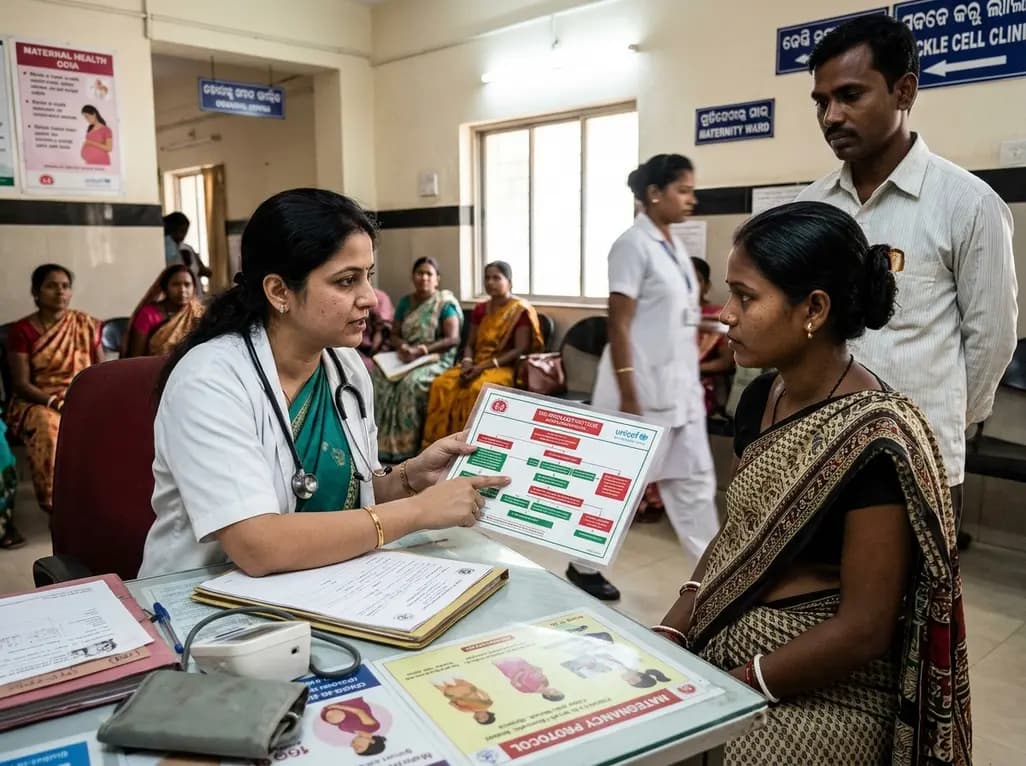
Odisha has established India's first state-level clinical protocol specifically tailored for pregnant women with sickle cell disease. Developed with NHM and UNICEF, the framework provides structured antenatal screening, crisis mitigation, standardized referral pathways, and specialized interdisciplinary care.
Today

The Directorate General of Health Services directs Indian states to halt the hazardous reuse and reprocessing of single-use medical devices. Discover regulatory implications under the Drugs and Cosmetics Act, critical infection risks, legal liabilities, and operational changes required across clinical specialties.
Today

Mitochondria-targeted nanoparticles self-assembled from EGCG and L-glutamic acid effectively restore mitochondrial homeostasis, suppress synovial inflammation, and attenuate chondrocyte senescence in osteoarthritis, offering a promising disease-modifying nanotherapy.
Today

India is advancing preventive healthcare by integrating genomics, artificial intelligence, and quantum technologies. With the SANGAM programme sequencing one million Indian genomes, clinicians can unlock personalized therapies, detect cardiometabolic risks early, and curb the burden of diabetes and heart disease.
Today
