

Loading, please wait...
Loading, please wait...
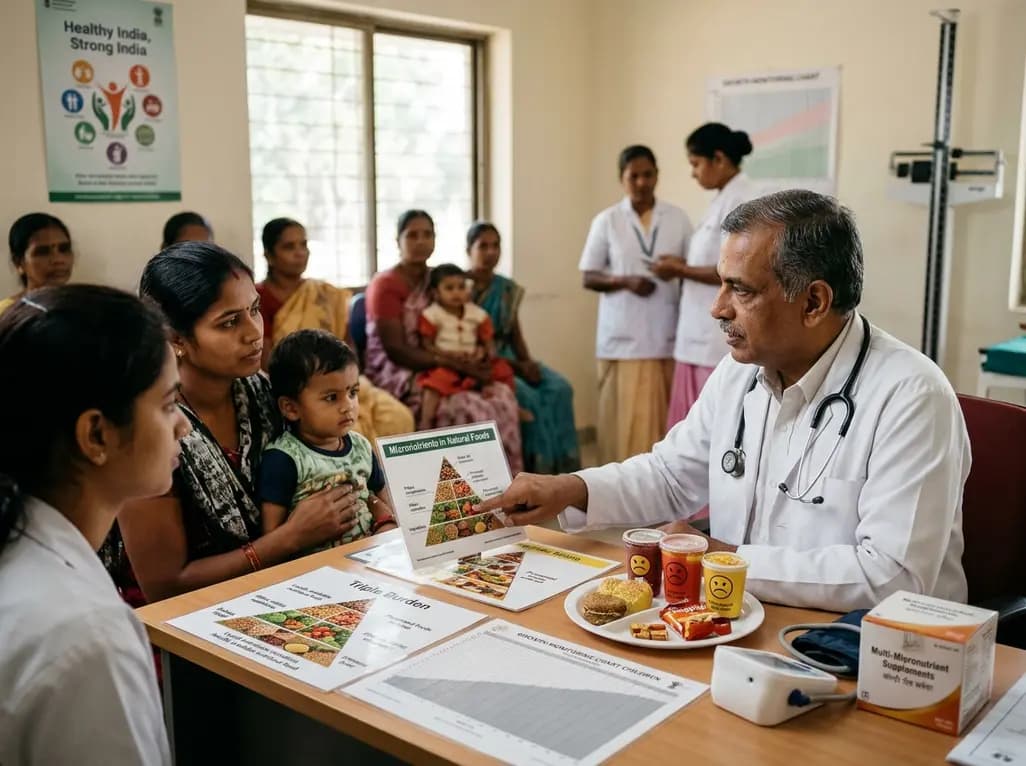
Building robust public nutrition awareness has become an urgent public health priority across modern India. Over the past three decades, the country has undergone an unprecedented epidemiological and nutritional shift. Historically, public health initiatives focused almost exclusively on combating severe undernutrition, wasting, and stunting. However, modern lifestyle transformations have introduced significant overnutrition and rising metabolic disorders. In addition, after 2010, clinicians recognized a critical third dimension in this nutritional landscape. Many individuals who appear adequately nourished or even overweight suffer from severe micronutrient deficiencies. Consequently, healthcare professionals now confront a complex triple burden of malnutrition. This triple challenge demands tailored public health interventions rather than uniform recommendations. The Indian Council of Medical Research and National Institute of Nutrition released updated Dietary Guidelines for Indians in 2024. These guidelines offer essential community benchmarks for diverse dietary patterns. Nevertheless, uniform population policies cannot address unique individual clinical situations. Therefore, clinicians must combine macro-level nutritional policies with personalized dietary counseling. Artificial intelligence and regional data analytics can help map local micronutrient gaps rapidly. For instance, northern regions often exhibit high obesity rates paired with iron deficiency. Conversely, northeastern populations demonstrate lower rates of iron deficiency due to animal-based dietary practices. Thus, healthcare strategies must respect regional dietary habits to ensure lasting therapeutic success.
Urban consumers increasingly seek rapid weight reduction through commercial crash diets and detox products. Furthermore, sedentary daily routines and mechanized lifestyles reduce overall physical activity. Many individuals mistakenly seek passive weight reduction methods rather than active lifestyle modifications. Dr. Sarath Gopalan highlights that starving or taking fat-blocking potions creates temporary results. In contrast, regular aerobic exercise mobilizes adipose tissue and improves systemic vascular circulation. Moreover, commercial trends have created an intense national obsession with protein powders and supplements. Young gym-goers often assume that high protein intake guarantees immediate fitness and muscular strength. However, scientific evidence confirms that a balanced diet remains the healthiest foundation for physiology. Unmonitored, excessive protein intake can impose severe metabolic loads on renal filtration over time. In addition, sports nutrition regimens designed for elite athletes cannot suit typical adolescents. When young individuals focus excessively on protein, they frequently neglect other crucial food groups. Consequently, widespread micronutrient deficiencies develop, particularly iron deficiency among teenage boys and girls. Medical professionals must advise patients against replacing whole foods with isolated commercial powders. Therefore, clinical evaluations should prioritize natural dietary diversity over unguided commercial trends. Notably, balanced whole foods furnish vital bioavailable micronutrients that artificial supplements lack.
Commercial advertisements have popularized microbiome modulation, probiotics, and prebiotics across Indian consumer markets. Consequently, many patients self-diagnose digestive complaints and purchase over-the-counter gut supplements without professional guidance. They erroneously assume that over-the-counter wellness products carry zero physiological risk. However, Dr. Sarath Gopalan warns that indiscriminate supplement use lacks strong scientific justification. Individuals must critically evaluate whether long-term supplementation actually addresses their underlying gastrointestinal pathologies. Moreover, self-medication remains a severe public health hazard throughout the Indian healthcare ecosystem. Easy pharmaceutical access allows consumers to bypass formal diagnostic evaluations. For example, some individuals consume multiple daily doses of fat-soluble vitamins like vitamin D. Such reckless intake can cause hypervitaminosis and severe systemic toxicities. Therefore, clinicians must urge patients to rely on peer-reviewed clinical research rather than marketing advertisements. Professional dietitians and physicians must actively determine true physiological requirements and safe upper limits. Additionally, healthcare regulatory authorities should implement stricter oversight on over-the-counter health supplement distribution. Through regular clinical follow-up, practitioners can monitor biochemical parameters and correct gastrointestinal dysbiosis safely. Ultimately, rational therapeutic supplementation requires medical oversight rather than aggressive retail promotion. Thus, professional clinical guidance protects patients from adverse interactions and unnecessary financial expenditure.
Modern pediatric care faces alarming challenges stemming from altered dietary habits and physical inactivity. In particular, excessive screen time significantly undermines physical, emotional, and social development in young children. The post-pandemic era exacerbated this crisis through widespread indoor confinement and prolonged device exposure. Consequently, educational institutions report significant delays in cognitive milestones and interpersonal communication skills. Many five-year-old children now exhibit developmental and communicative milestones comparable to three-year-olds. Furthermore, children frequently replace energetic outdoor play with sedentary digital entertainment. This behavioral shift fuels rapid increases in childhood obesity and pediatric metabolic dysfunction. Dr. Sarath Gopalan emphasizes that parents should never drastically restrict food intake in growing children. Instead, pediatric management should prioritize expending surplus calories through vigorous daily exercise. Physical activity accelerates metabolism, enhances cardiovascular fitness, and maintains lean tissue growth naturally. In addition, government authorities and schools must restrict high-fat, high-sugar, and high-salt foods. For example, Karnataka successfully prohibited such junk foods within fifty meters of school boundaries. Replicating these protective environments in other public venues can effectively safeguard child health. Therefore, combined familial and institutional efforts must cultivate lifelong healthy dietary practices early.
Despite decades of national fortification initiatives, chronic micronutrient deficiencies continue to afflict millions of citizens. For example, national anemia control programs have operated for decades, yet nutritional anemia remains pervasive. Healthcare experts identify communication gaps and inconsistent implementation as major systemic barriers. While campaigns successfully promote exclusive breastfeeding, awareness regarding timely complementary feeding remains remarkably inadequate. Delayed complementary feeding after six months contributes substantially to infant growth faltering and malnutrition. Therefore, health authorities must launch aggressive, sustained public nutrition awareness campaigns across diverse media. Public health education must emulate successful national drives like oral rehydration therapy and polio eradication. Furthermore, institutions like the Nutrition Society of India play a pivotal role in translating research. By adopting rural communities, scientific societies can disseminate dietary guidance directly to grassroots populations. However, educational messaging must use regional languages and align with local literacy levels. Modern digital formats, including short educational videos and public display boards, can deliver high-impact messages. In addition, healthcare professionals must actively combat misleading advertisements across digital platforms. Sustained public communication bridges the critical divide between scientific research and community nutritional practices. Ultimately, coordinated multi-channel messaging empowers citizens to make informed dietary decisions daily.
Q1: Why does India face a triple burden of malnutrition?
India previously struggled primarily with widespread undernutrition, stunting, and wasting among vulnerable populations. However, rapid economic modernization and sedentary lifestyles introduced high rates of obesity and metabolic syndromes. Concurrently, pervasive micronutrient deficiencies, such as iron and vitamin deficiencies, affect both normal-weight and overweight individuals. Therefore, healthcare providers must address undernutrition, overnutrition, and micronutrient deficiencies simultaneously across diverse socio-economic groups. This comprehensive approach improves long-term public health outcomes substantially.
Q2: What are the main clinical risks of excessive protein supplement use?
Many individuals consume excessive protein supplements without clinical guidance, mistakenly assuming protein accelerates fitness without consequences. However, disproportionate protein consumption places an unnecessary metabolic filtration load on the kidneys over prolonged periods. Furthermore, individuals relying heavily on isolated protein powders frequently neglect balanced, nutrient-dense whole foods. Consequently, this dietary imbalance often induces severe micronutrient deficiencies, including iron deficiency anemia. Such deficiencies undermine long-term muscular and physiological health.
Q3: How does delayed complementary feeding impact infant development?
Exclusive breastfeeding provides ideal nutrition for the first six months of infant life. However, after six months, breast milk alone cannot satisfy an infant's escalating energy and micronutrient requirements. Delayed introduction of nutrient-rich complementary foods leads directly to growth faltering, underweight status, and severe nutritional deficiencies. Therefore, clinicians must educate parents on introducing diverse, iron-rich complementary foods promptly at six months alongside continued breastfeeding. This timely practice prevents irreversible cognitive and physical developmental deficits.
Disclaimer: This content is for informational and educational purposes only. It does not constitute medical advice or replace professional judgment. Refer to the latest local and national guidelines for clinical practice.
References

Read summarized clinical updates, watch expert medical content, and earn CME certifications right from your smartphone.
Open your smartphone camera to scan and install.





India faces a complex nutritional transition marked by persistent undernutrition, pervasive micronutrient deficiencies, and rising obesity rates. Expert Dr. Sarath Gopalan highlights why evidence-based public education, targeted pediatric interventions, and critical regulation of commercial food trends are urgent.
Today
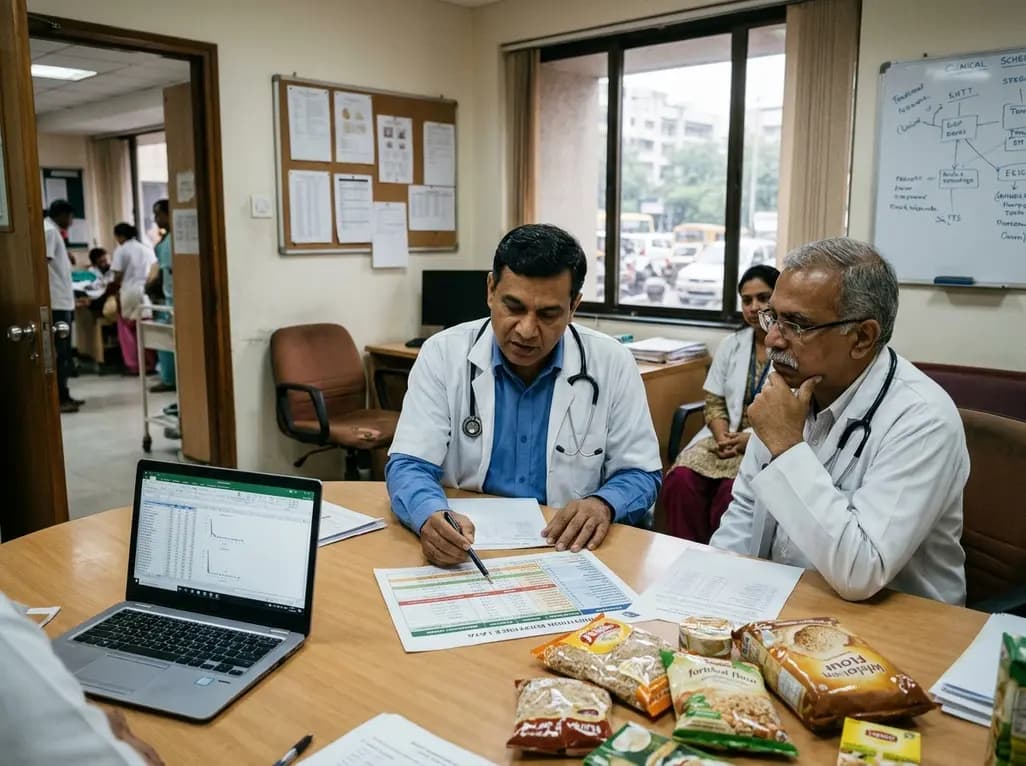
Addressing micronutrient deficiencies and surging obesity in India requires moving beyond universal pill supplementation. By leveraging localized dietary staples, indigenous digital health reference ranges, and vigilant post-market surveillance, public health policies can deliver sustainable clinical impact.
Today
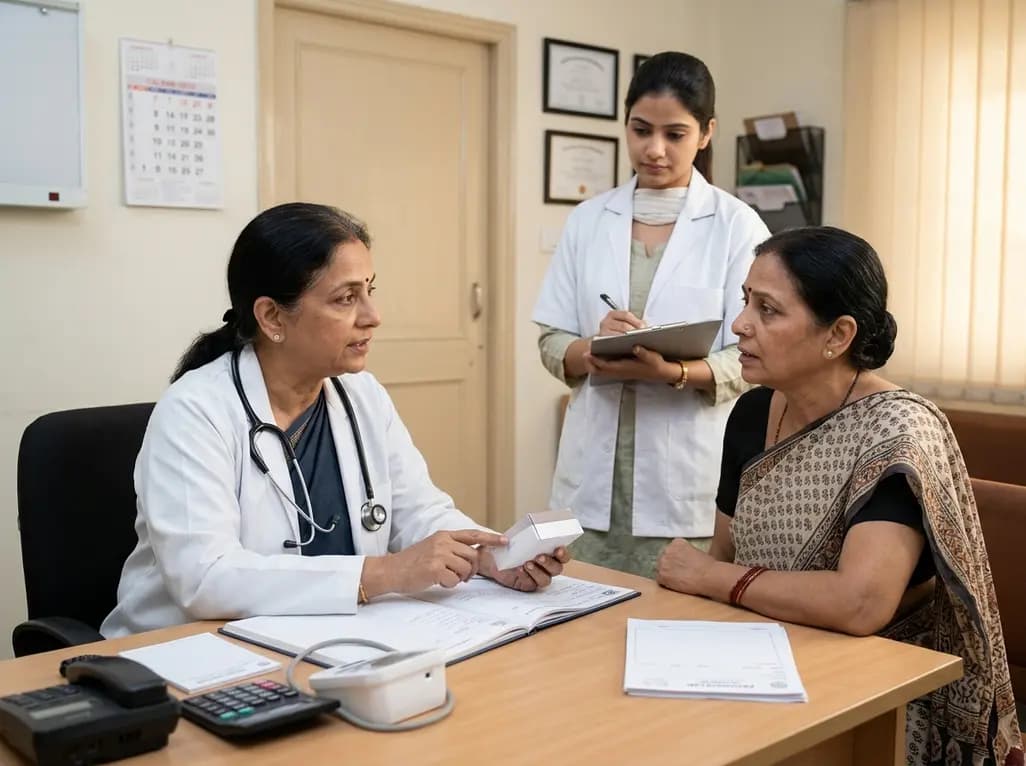
The GESS-AEEM consensus establishes a clear clinical implementation framework for testosterone therapy in postmenopausal women with hypoactive sexual desire disorder, focusing on transdermal dosing, precise laboratory monitoring, and safety communication.
Today

A Bayesian component network meta-analysis of 130 RCTs reveals that self-monitoring and gamification provide the clearest positive effects in mHealth physical activity interventions, while social comparison may have adverse psychological trade-offs.
Today
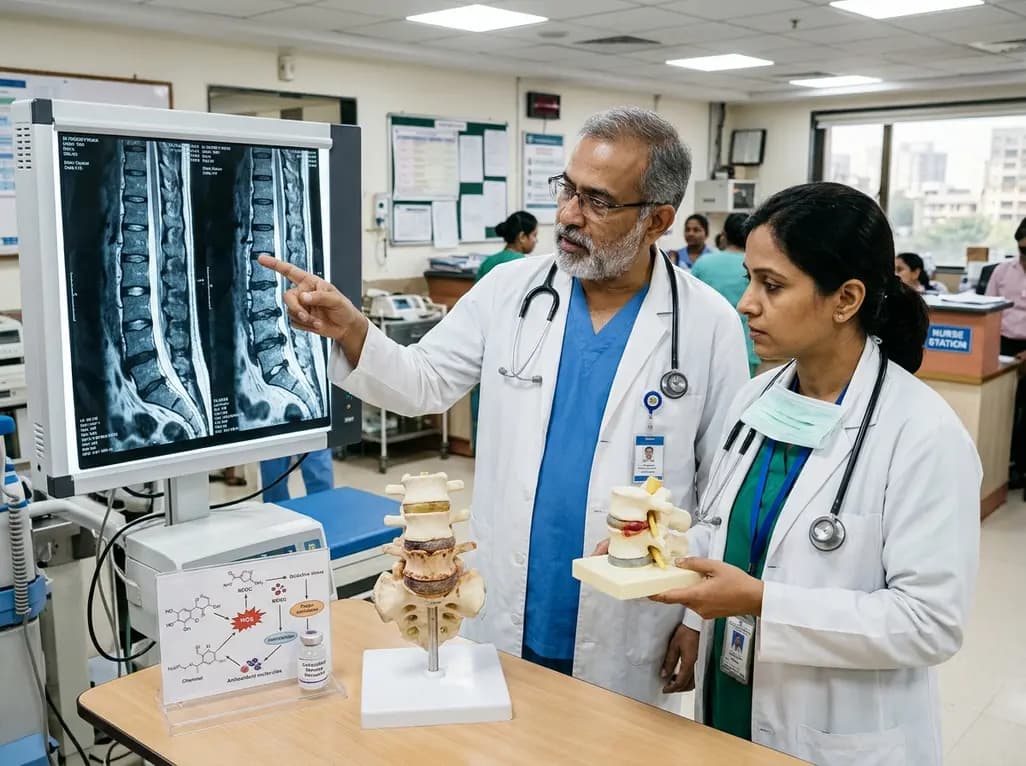
Intervertebral disc degeneration is a primary driver of chronic low back pain. Emerging evidence highlights reactive oxygen species and redox imbalance as central mechanisms. Targeted antioxidant strategies and biomaterial delivery systems offer promising disease-modifying therapies for spine health.
Today
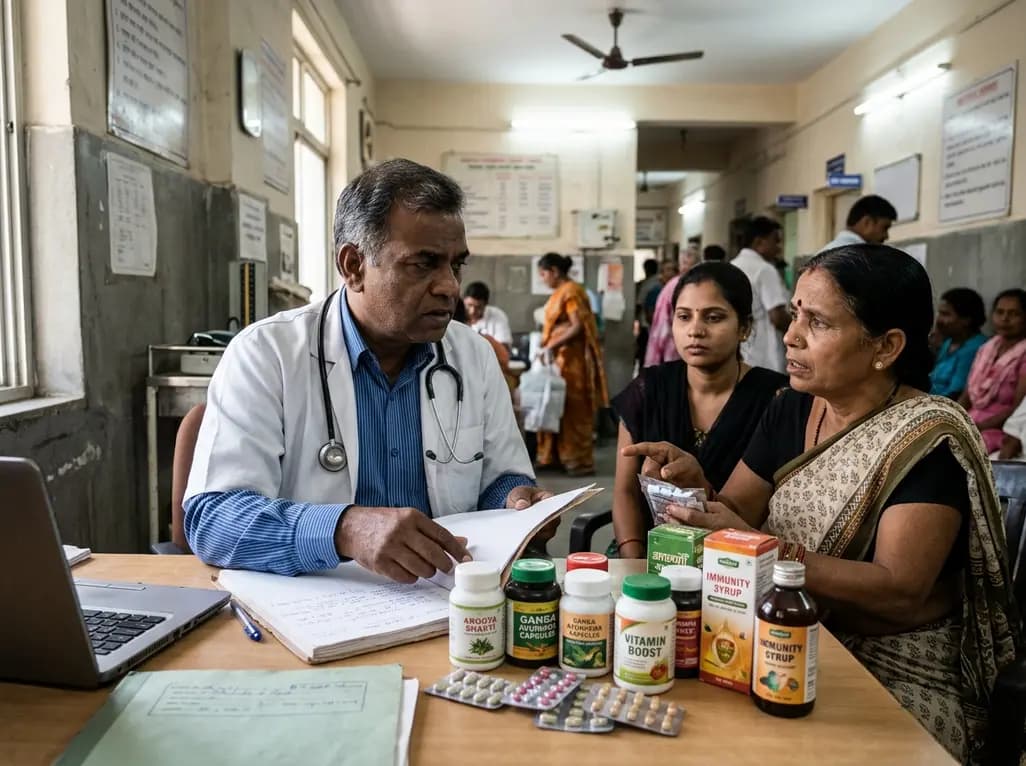
As India's supplement market approaches rapid expansion, medical experts warn of rampant unverified efficacy claims. Unmonitored over-the-counter formulations frequently risk drug-herb interactions, mask underlying chronic diseases, and complicate clinical care across primary and specialty medical settings.
Today
